Aquarium fish
Keeping cancer at home 
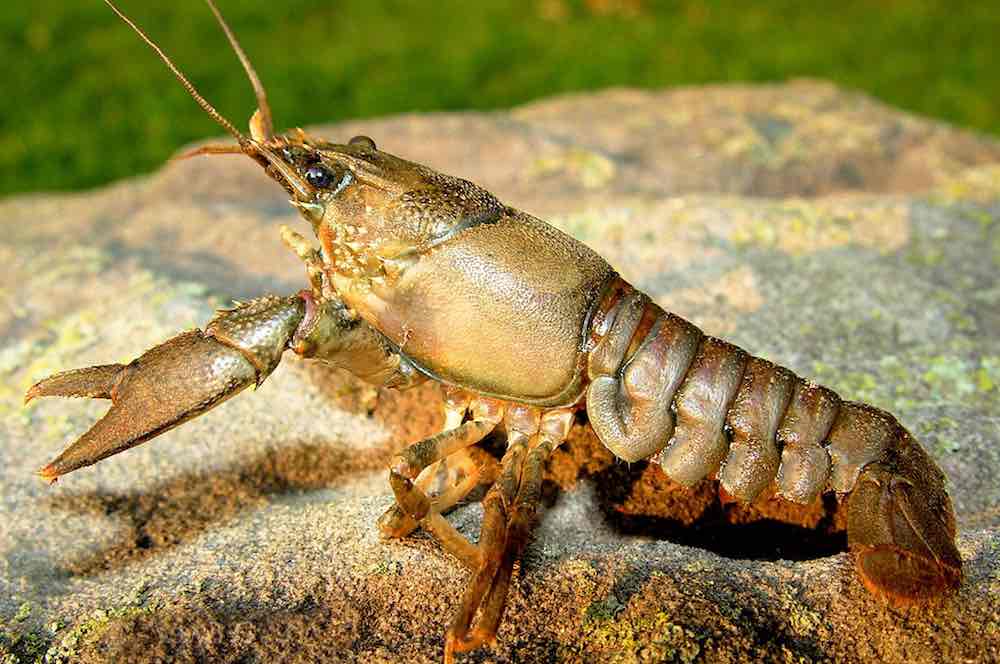
Crayfish are kept in aquariums far less frequently than fish. Only about 50 years ago did interest in these unusual exotic pets arise, and the first enthusiasts began breeding these arthropods at home. They are becoming increasingly popular every year, just like their relatives, shrimp. Keeping crayfish requires providing them with a spacious aquarium, food, and a little time. Crayfish are fascinating to watch: they build mounds and small hills, burrow into gravel, and hide in algae and rocks. This article will explore the nuances of their care in more detail. Features of keeping crayfish at home: Crayfish are arthropods that naturally inhabit Central, South, and North America, Madagascar, and New Guinea. They live in stagnant or gently flowing water, hiding among driftwood or burrowing in the sand.Read more
Keeping a meerkat at home

Today, you can find many exotic animals in apartments and private homes, including skunks. Read more
Tarantulas: How to Keep Them at Home
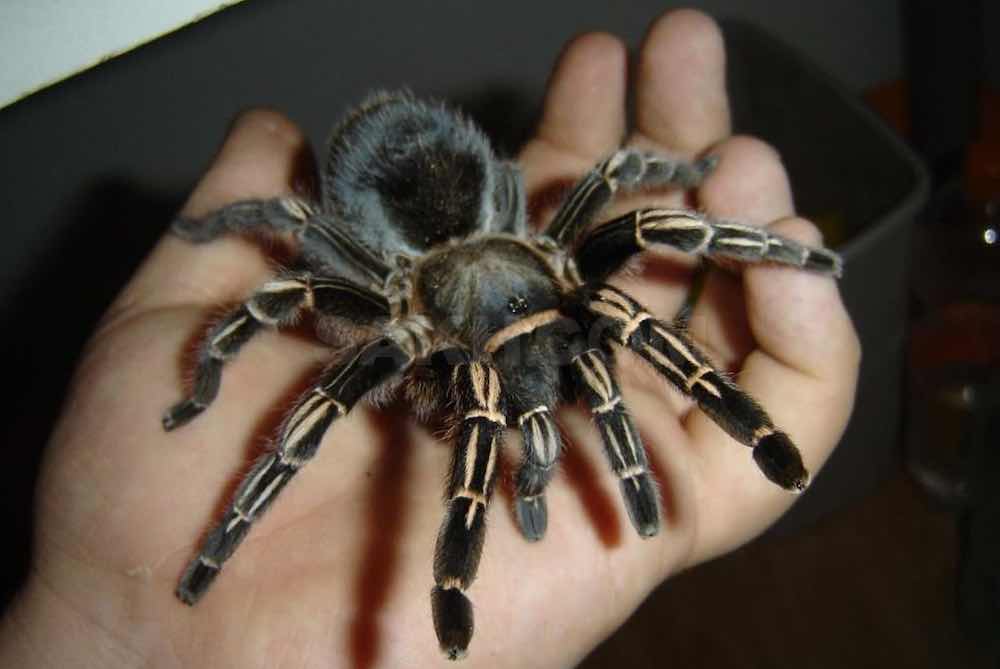
Even the mention of tarantulas often evokes fear, thanks to their menacing appearance. But even a tarantula can make an exotic pet: it's entirely possible to keep one at home. It's important to know all the conditions and rules for caring for them, their housing, and their diet. Tarantulas are fairly large spiders from the wolf spider family, with a hairy body. In the wild, tarantulas inhabit deserts, steppes, and other dry areas. Like most other spiders, they are active at night—when they hunt—and during the day, tarantulas hide in vertical burrows up to 65 cm deep. They line the walls of their burrows with webbing, which they use to create cocoons for their eggs. Tarantulas, however, require only gentle care at home. Therefore, they are often kept by exotic pet lovers (especially rare and large species). But please note that it is better to choose a female animal, especially if this is your first experience.Read more
Keeping a banana-eater at home
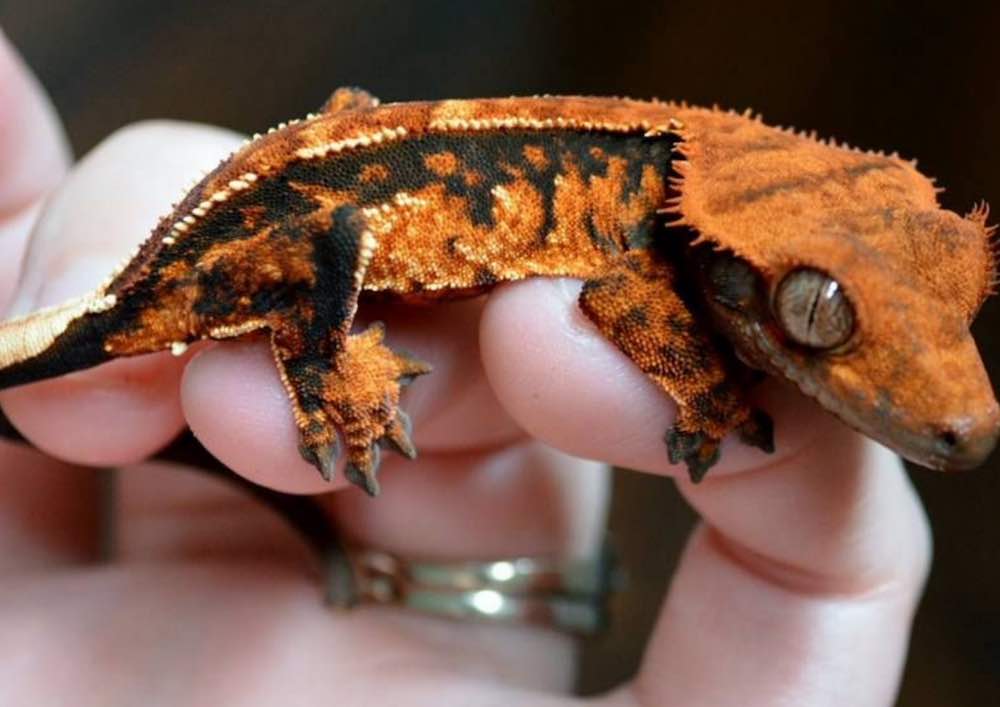
The banana-eating gecko is a species of gecko native to the humid tropical climate of New Caledonia. Long considered extremely rare, this species has now spread rapidly throughout the world thanks to the interest of breeders. The scientific name for this animal is Rhaco.Read more
Gecko: How to Keep a Reptile at Home
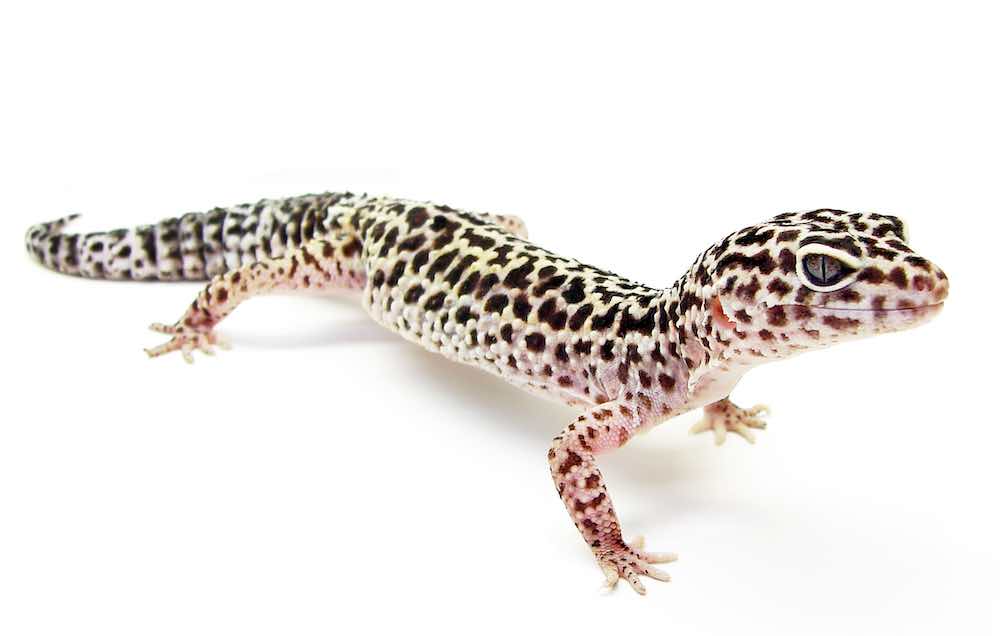
The gecko is a small, agile lizard found in deserts, tropical forests, canyons, and mountains. This reptile's body is covered in scales, which protect it from predators in the wild. Its spotted coloration helps it hide in sand or rocks. Geckos come in a variety of colors: yellow, green, beige, turquoise, red, and blue. They can also change color, which helps them survive and adapt to their environment. Some gecko species camouflage themselves as leaves and move stealthily along the ground, making it difficult to spot this reptile in the wild. This animal varies in size—from 3 to 35 centimeters—and in color, depending on the species. Geckos have many hairs on their feet, allowing them to walk on vertical surfaces, including ceilings. All geckos have five toes, which are widely spaced. When threatened, they can shed their tail and grow a new one; their tail also serves as a fat storage area. Geckos have large, lidless eyes and excellent vision. Many varieties of these lizards are easy to care for and suitable for home keeping. Types of Geckos: The gecko family comprises 600 species, grouped into 80 genera, varying in size, color, and even shape.Read more