Other useful information

With the onset of warm weather, pets are at risk of tick bites. These arachnids are most active in May and June. However, they can be encountered from April until the onset of cold weather. It's not the ticks themselves that are dangerous to dogs, but rather piroplasmosis (babesiosis), a disease caused by a protozoan parasite of the genus Babesia. It's better to prevent ticks from getting on your dog's skin than to treat the consequences of this potentially fatal disease.
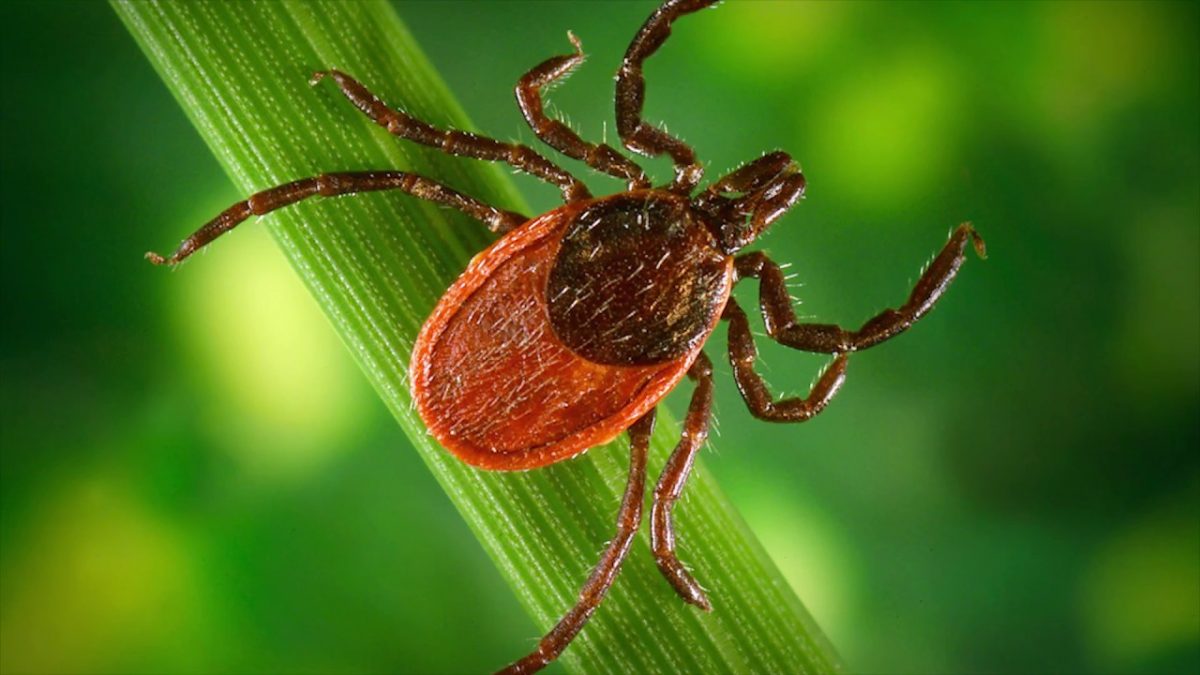
The period from early spring until the onset of autumn cold weather is considered dangerous due to the activity of encephalitis-carrying ticks, which pose a threat to cats and dogs. After a walk in the park or forest, pets can pick up parasites on their fur. Even a pet that stays indoors risks becoming a victim of a disease carrier brought into the house on their owner's clothing. A thorough examination of cats and dogs returning from a walk will help identify an attached tick and administer first aid promptly.


Tick-borne encephalitis is a very dangerous disease that can lead to mental disorders, musculoskeletal problems, and impaired vision and hearing. It is transmitted by ticks, which are most active in late spring and early summer. The tick-borne encephalitis virus can neutralize immunoglobulin, so immediate medical attention is required after exposure to the parasite.