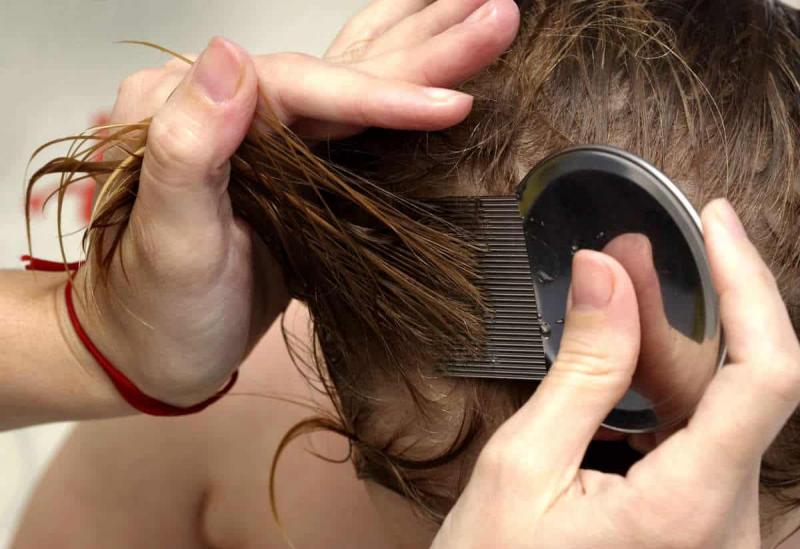
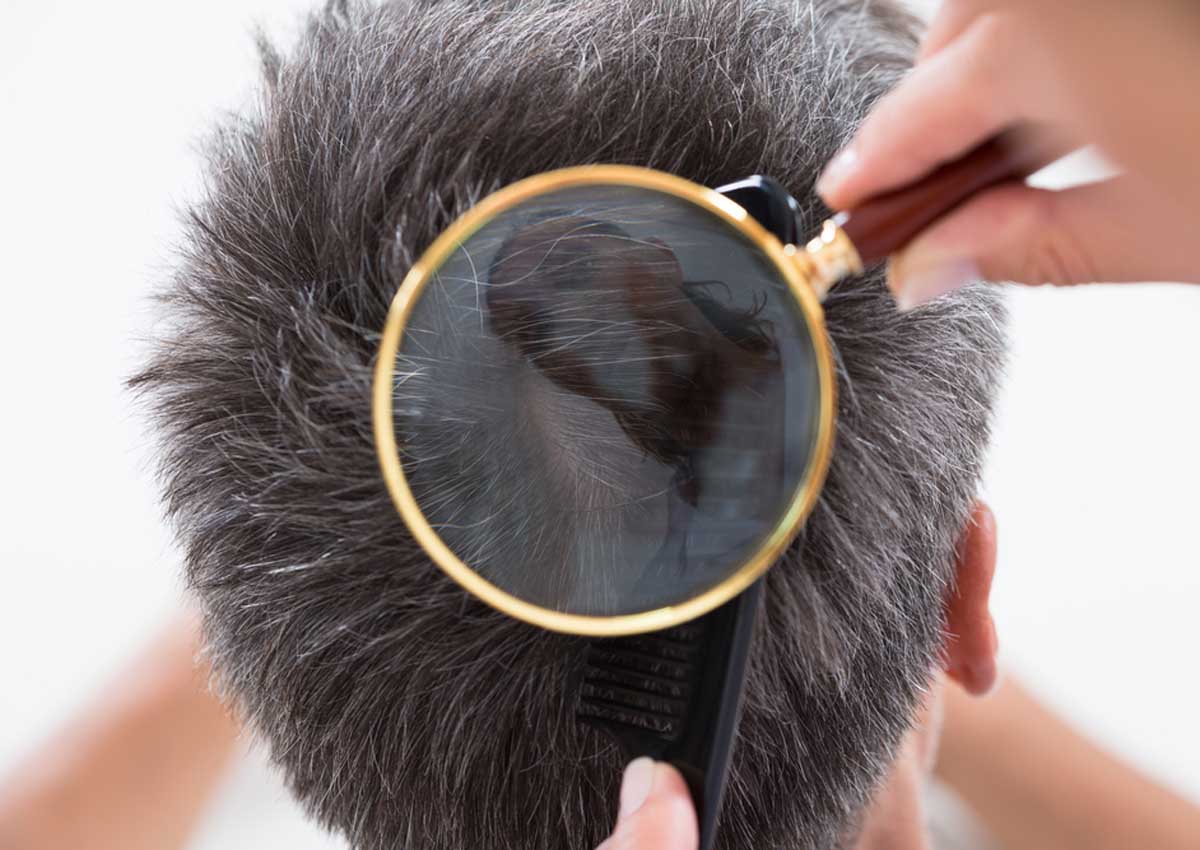
It's unlikely that people think much about the troubles caused by lice. Many believe this delicate problem has long since become a thing of the past. But this is not true. Parasites still coexist with humans today.
What do body lice look like and where do they live?
Body lice (clothes lice, bed lice) are parasites that pose a threat to human health. They carry a number of diseases, and their bites can cause allergies. These insects live on clothing and bedding, where they rest and breed. They seek out human bodies for food, as blood is their only delicacy.
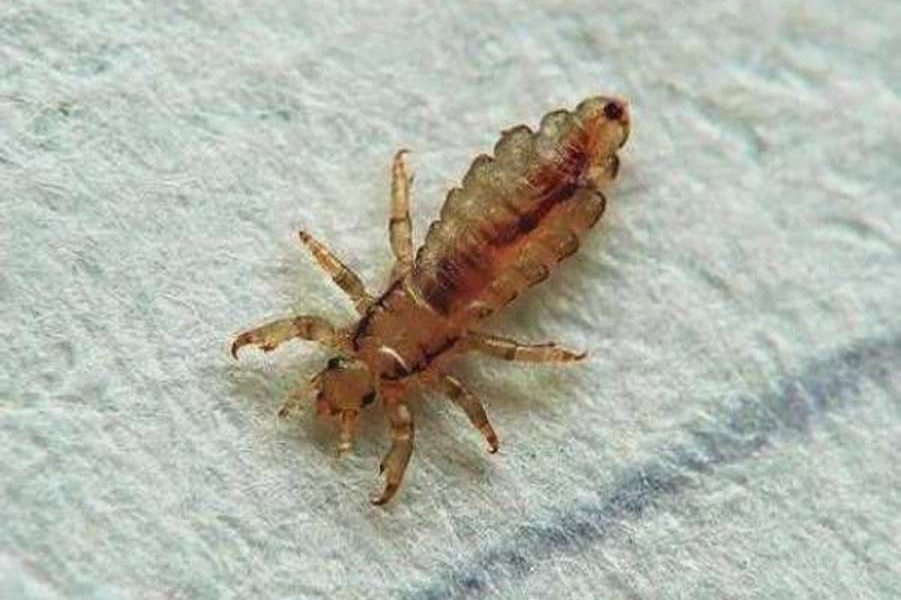
Lice live on clothing, often in seams, and come to feed on the human body.
This is interesting. Each louse feeds on a human body 5-7 times a day, consuming about half a milligram of blood.
Parasites appear in places where sanitary regulations are not observed. Unfortunately, cleanliness does not protect against infestation. It is easy to distinguish body lice from other parasites:
- color - light gray (as it gets richer it becomes scarlet);
- the body size of an adult varies from 2 to 4 mm;
- no wings, can't jump;
- habitat - group;
- The human body is used only for nutrition.
Symptoms of infection
The main sign of an infestation is bites on the skin. The affected area becomes intensely itchy, red, and develops a blister with a puncture point in the center. Lice bite where skin comes into contact with clothing: on the back, lower back, arms, legs, groin, and armpits. If treatment is not started promptly, the pigmented skin thickens and peels, and yellowish crusts appear. In advanced cases, intoxication can occur, the main symptoms of which are headache, irritability, and weakness.
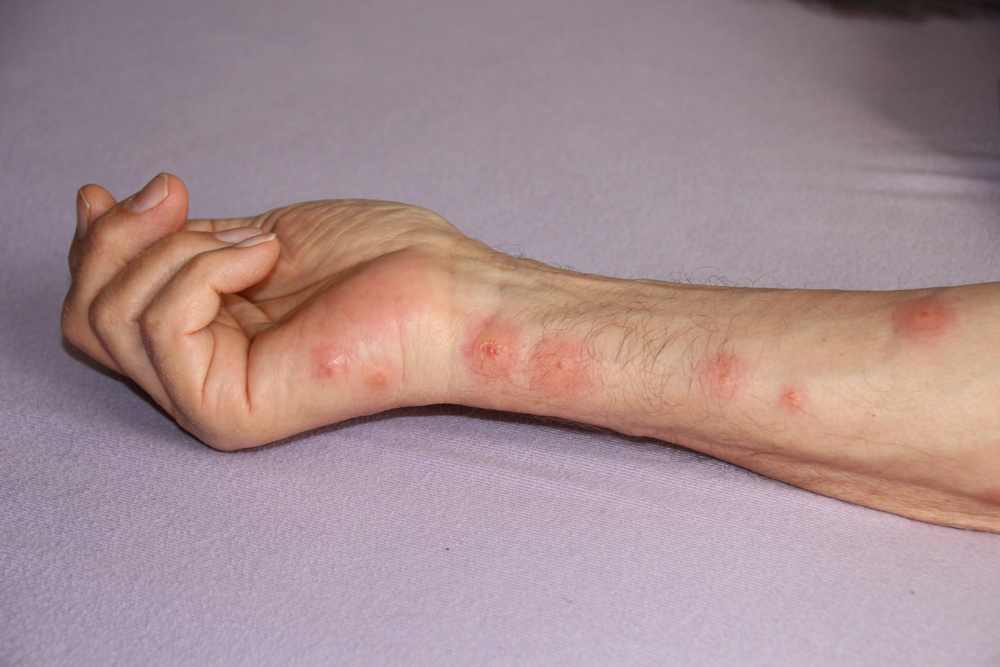
The bite sites of body lice itch a lot, which is why there is a suspicion of scabies.
Due to the intense itching, bites from body lice are often mistaken for scabies. However, body lice and scabies mites are not the same species, so the two diseases can be easily distinguished with a thorough examination of the patient.
Body lice bites appear as red spots and are easily visible on the body. Scabies infestations do not cause any obvious skin changes.
Why are clothes parasites dangerous?
The disease caused by bed lice is called body lice. This condition is common in people living in socially disadvantaged environments, as well as in elderly individuals who do not practice proper hygiene. Even tidy people can find uninvited occupants in their homes. Sources of infestation can include:
- places where large numbers of people gather: trains, camps, hotels, hostels, etc.;
- beaches near bodies of standing water;
- clothing used by several people at the same time.
Important: You can become infected with head lice while trying on second-hand clothes.
Linen bugs can carry serious diseases, such as typhus and relapsing fever. Therefore, if you experience a sudden fever of 40°C (104°F), vomiting, headache, chills, or hallucinations, seek immediate medical attention.
How to get rid of body lice
To cure this unpleasant disease, eliminate its cause—kill body lice and nits. To do this, properly clean clothing and bedding. Simply cleaning isn't enough. To defeat these parasites, it's important to know their weaknesses. Body lice survive at temperatures up to 40°C (104°F). In water, the insect remains viable for up to 2 days. To combat them, follow these steps:
- Wearing rubber gloves, soak the infested items in water for several hours, adding laundry detergent and parasite repellents. Wash the items at temperatures above 50°C (122°F). If the fabric type allows, boil some items (especially underwear).
- Iron the dried laundry and store it separately from uninfected items for a week.
- Freeze home textiles in the freezer for 24 hours.
If you can't treat your items, place them outside in sealed bags for 2-3 weeks. The insects will die off on their own during this time.
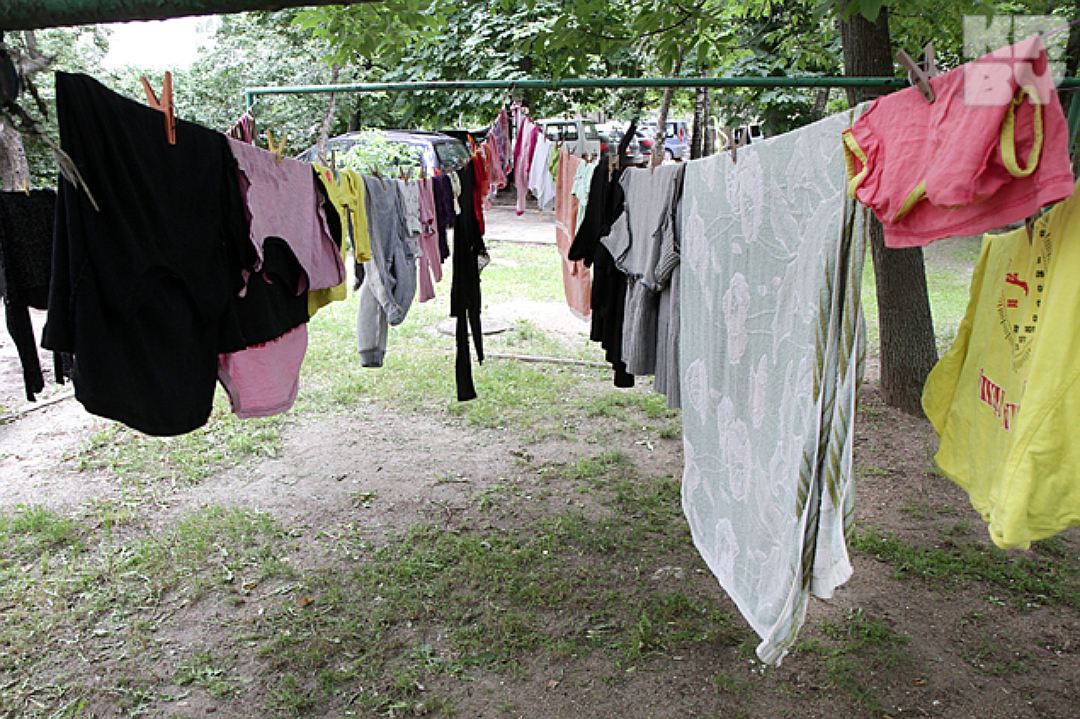
Drying clothes for a long time is one way to get rid of parasites.
Treatment of victims
Treatment of people affected by bites from body parasites should be carried out in conjunction with maintaining sanitary and hygienic conditions in the premises.
Medicines
There are special medications for lice and nits in the form of sprays, lotions and shampoos.
- Mefidox is considered one of the best disinfectants for adults.
- Avicin is more expensive, but, according to the manufacturers, it allows you to get rid of pests in one application.
- Paronite can be used to treat children.
Before using any antiparasitic medication, test for an allergic reaction. To do this, apply a small amount to your elbow and wait 10-15 minutes.
To relieve itching, it is recommended to use antihistamines (Fenistil, Suprastin, Tavegil), and treat the affected area of the body with ointments with a healing effect (Psilo-balm, Rescuer).
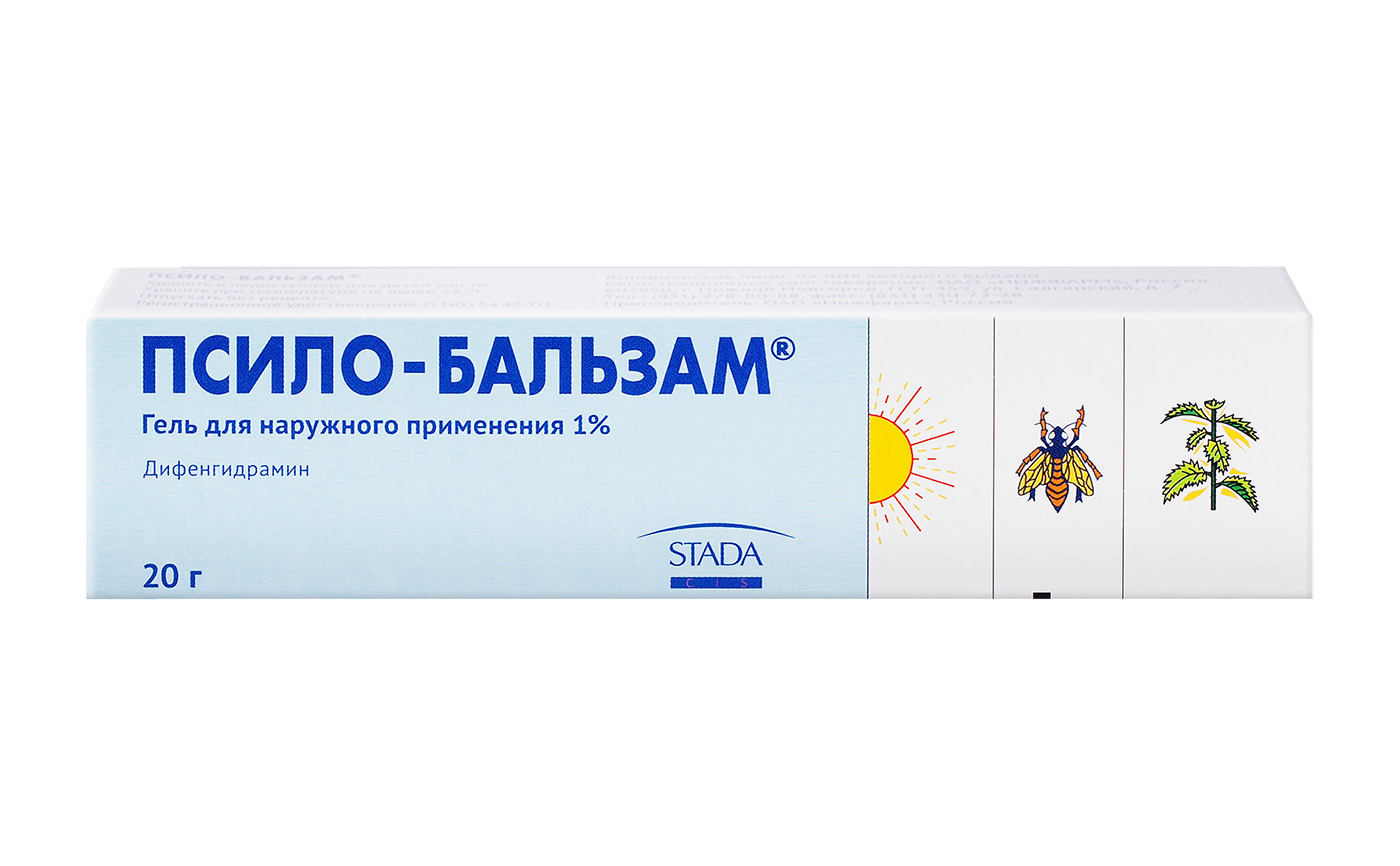
Psilo-balm is a gel that eliminates skin itching of various origins.
Do not self-medicate, consult a doctor!
Folk methods
Traditional medicine offers its own methods of treatment.
- Kerosene is the basis of popular recommendations. However, before choosing it, consider the risk of burns. We do not recommend its use.
- Tar soap is a safe treatment. Wash your body and hair with it for several days in a row, then every other day for two weeks. The downside of this treatment is the soap's distinctive smell. The problem will go away if you use regular soap or shower gel after using tar soap.
Prevention of infestation with head lice
The best treatment is prevention. Here are some simple tips:
- Avoid questionable places to stay overnight.
- Don't wear other people's clothes.
- Try to use personal hygiene products (towel, soap, toothbrush).
- After long trips, wash clothes immediately and iron them well.
- Wash underwear at temperatures above 40°C.
It's much more pleasant to avoid pests. Taking timely measures to prevent the spread of insects and following good hygiene practices will help you avoid getting upset over trivial issues.