Other useful information
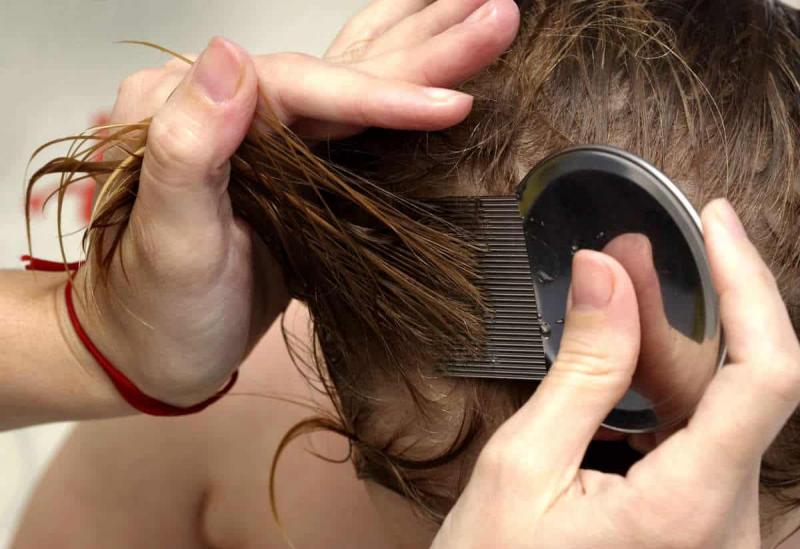
From ancient times to the present day, humanity has suffered and continues to suffer from such tiny insects as lice. While the proliferation of these "pets" during the cave age is understandable (at least due to a basic lack of hygiene), their continued prevalence in the 21st century, despite all the benefits of civilization, can only indicate one thing: these parasites, while small, are extremely resilient. Therefore, the question of how to combat them remains relevant to this day.
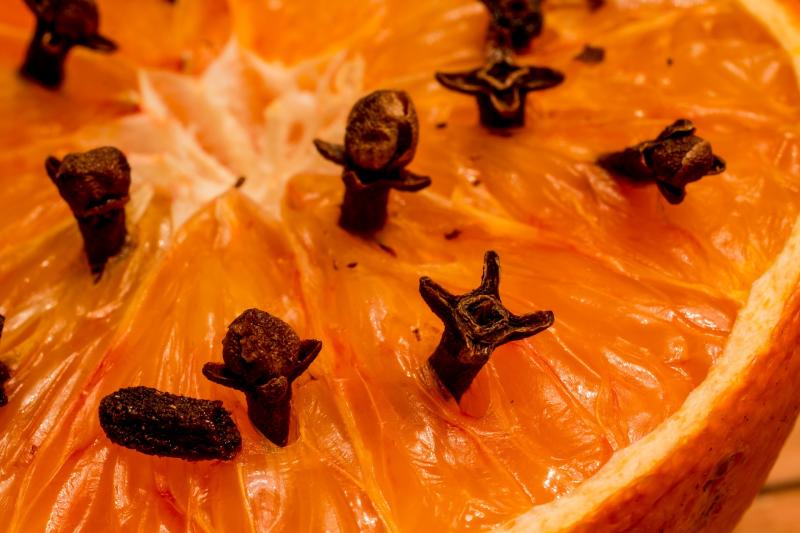
Mosquitoes are perhaps the most annoying insects. They can seriously ruin a summer vacation at the dacha or in the woods. The bites can irritate for a long time. An entire industry of specialized chemicals is dedicated to combating these bloodsuckers. Every year, manufacturers fill store shelves with all sorts of mosquito repellents: sprays, creams, fumigators, and coils. Buying them for each season can be a significant burden on the wallet. And the results aren't always as expected, as mosquitoes quickly adapt to the active ingredients. If necessary, you can always use folk remedies based on the simplest ingredients. This is a cheap and safe way to deal with the mosquito scourge.
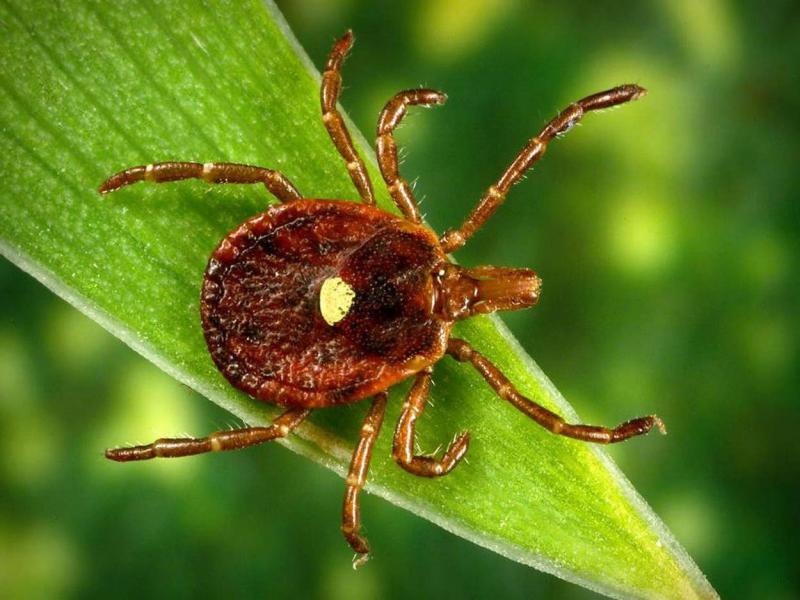
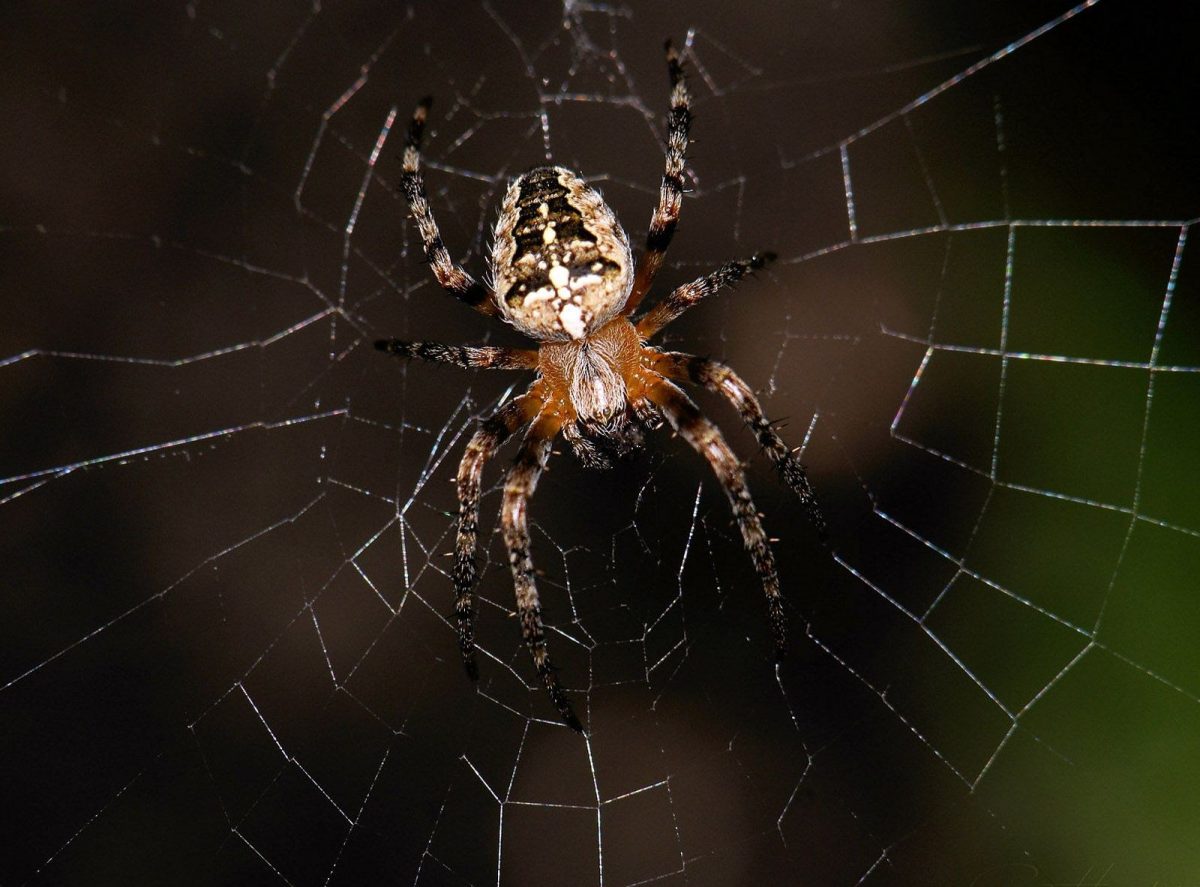
Arthropods in the home are often a source of distress for homeowners. Not everyone can relate to spiders, for example. It's a relief that we don't live in Australia or Southeast Asia, where these creatures are dangerous and terrifying. But even in our latitudes, spiders can bring trouble, whether it's webs collecting dust in the corners of the house or arachnophobia in some family members. Let's figure out together how to get rid of arthropods in your home.
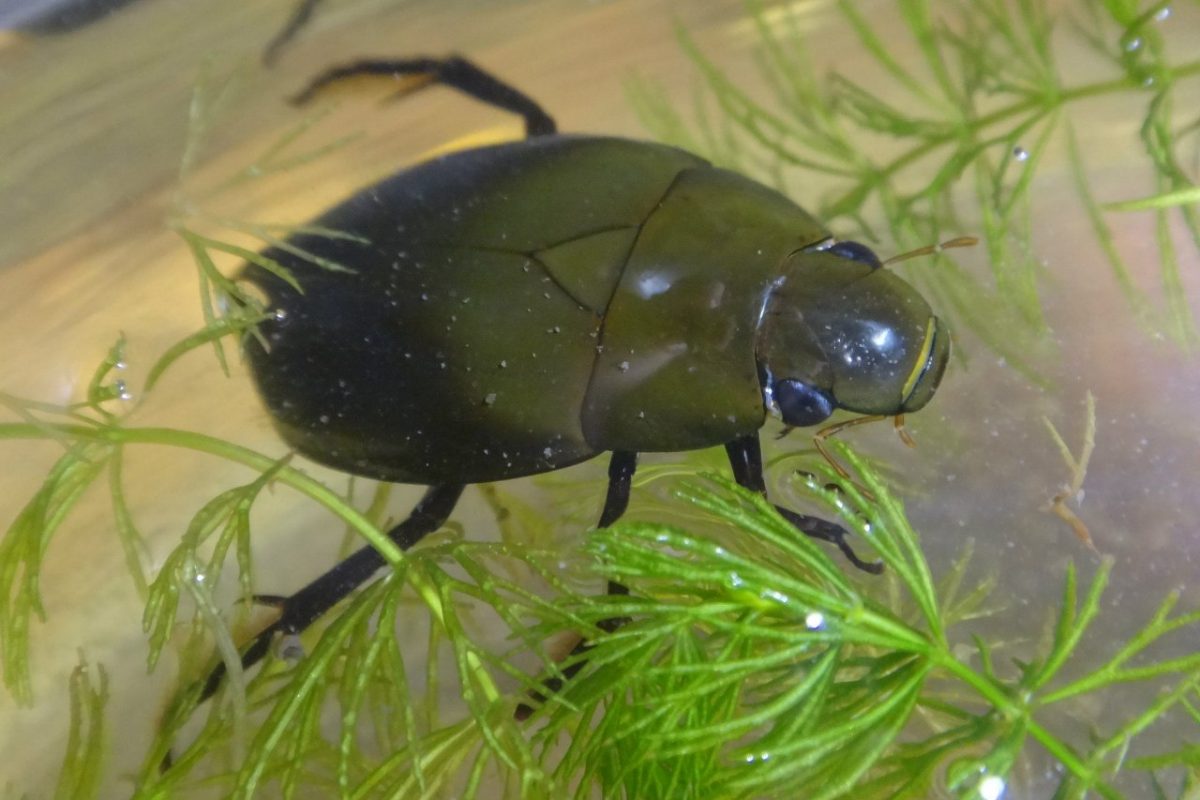
There are approximately forty thousand species of bedbugs. People encounter them everywhere: in the countryside, in the city, and, unfortunately, even at home. Some bedbugs live in grass, others burrow in the ground, and still others prefer bodies of water. What kinds of aquatic bedbugs are there, and are they dangerous to humans?