Arthropods in the home are often a source of distress for homeowners. Not everyone can relate to spiders, for example. It's a relief that we don't live in Australia or Southeast Asia, where these creatures are dangerous and terrifying. But even in our latitudes, spiders can bring trouble, whether it's webs collecting dust in the corners of the house or arachnophobia in some family members. Let's figure out together how to get rid of arthropods in your home.
Content
Types of spiders that can appear in your home
Scientists have discovered that arthropods originated over 400 million years ago. There are currently about 40,000 known species. Few of them are dangerous or venomous. Local spiders are harmless. When bitten, you'll feel only a slight burning sensation and see redness in the affected area. Wipe the bite with hydrogen peroxide or an alcohol solution, and the discomfort will soon be gone.
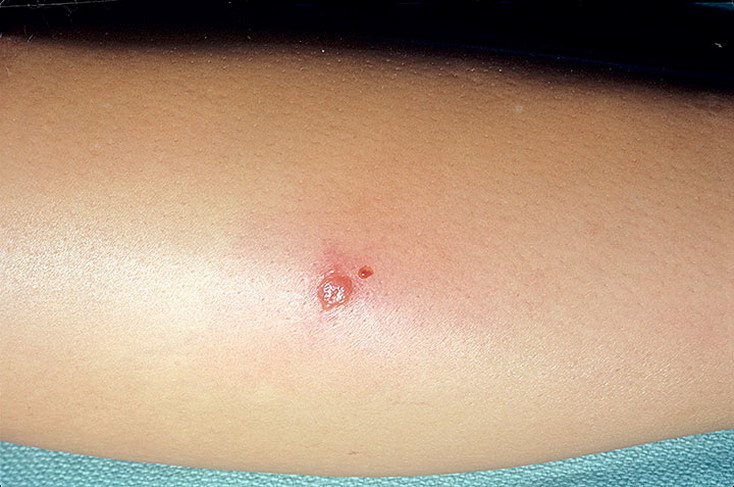
House spider bites are not dangerous, although they are painful.
The following types of spiders often appear in houses:
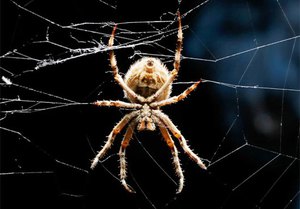
- Harvestmen, also known as long-legged spiders or window spiders, have an oval or nearly round abdomen and are distinguished by 6–8 slender legs, reaching 5 cm in length. Harvestmen spin copious webs on windowsills and in dark corners, where they assume an upside-down position to await prey. The spider's diet consists of small insects, which, when caught in the web, become stuck and become increasingly entangled the more they try to escape. When larger insects approach the web, the harvestmen repel them by vigorously shaking the web.
- Gray or black spiders grow no larger than 2 cm. They nest on window frames, walls, or near light bulbs. Their webs are tubular, which the spider repairs after capturing prey. Females hunt and feed only on small insects.
- Hobo spiders are distinguished by their elongated body shape and long legs. They don't spin webs because they don't need one. When hunting, they jump on their prey, inject venom, and then consume it. Their bite isn't dangerous to humans in our climate. However, in hot climates, the venom can cause skin inflammation. Hobo spiders are unique in that they don't stay indoors for long.
- Another type of spider is the jumping spider. Its distinctive features include a hopping gait and a pattern on its body. Its favorite food is acacia leaves, so you're unlikely to encounter it in an apartment. However, in a summer house, if these plants grow nearby, the jumping spider can become a frequent visitor.
Photo Gallery: House Spiders
-
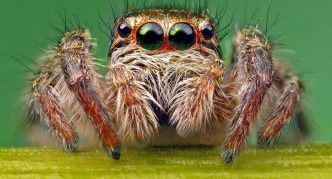
- Jumping spiders are very fond of acacia leaves.
-
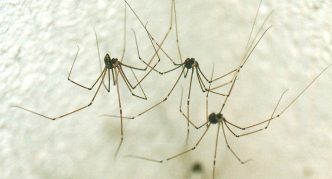
- Daddy longlegs spiders are distinguished by their very long legs.
-
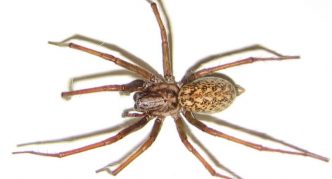
- Hobo spiders don't need webs when hunting.
-
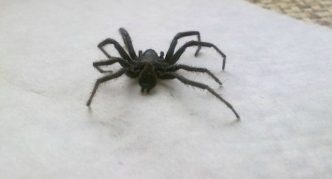
- Black and gray spiders like to settle on walls, windows and around light fixtures.
Reasons why arthropods appear in an apartment
Spiders' primary habitat is open spaces: streets, gardens, vegetable patches, forests, and fields. They spin webs and build nests on plants.
The main reason why spiders appear in a particular place is a large amount of food.
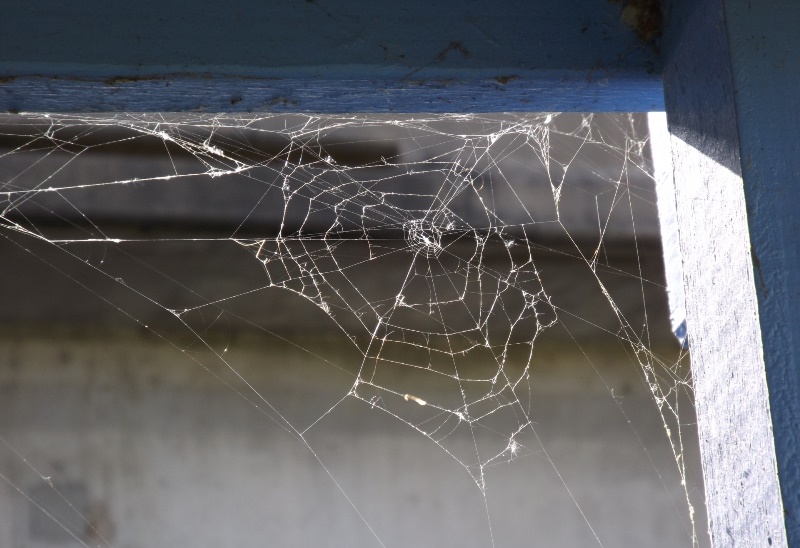
The spider will weave its web where there is a lot of food.
The main reason for the appearance of spiders in the house is the presence of insects in it. Adult arthropods are voracious, and their offspring also require a large amount of food, so they settle where there are flies, midges, mosquitoes, and even cockroaches.
Another factor is suitable habitat conditions. Spiders prefer secluded, dark, and damp places. Incidentally, other insects also like to hide in these same places. These can include the space between a wall and a radiator, the backs of furniture, or plumbing fixtures. It's important to clean these areas regularly. Even frequent destruction of webs can force spiders to relocate.
It's bad if the walls and foundation of your home are damp. Spiders feel at home in damp, dark, and rarely visited places.
Arthropods can get inside a room in different ways:
- through windows and doors;
- through the basement or attic;
- from the street on clothes;
- on flowers from the garden;
- on vegetables and fruits;
- on forest gifts, etc.
They are unlikely to stay for long if there are no damp corners or insects in the home.
Fighting house spiders
If you've already identified the cause of the arthropod infestation in your home, getting rid of them won't be difficult. There are several ways to do this.
Help from professionals
If you're experiencing an arthropod infestation and can't handle it yourself, call in pest control professionals. They use powerful insecticides, guaranteed to rid your home of unwanted pests for a long time. Before treatment, you should:
- remove food and frequently used clothing, especially children's clothing;
- Move furniture away from the walls to allow easy access.
After carrying out pest control, after the time recommended by specialists, do a wet cleaning and ventilate the premises.

Pest control specialists will quickly and professionally deal with spiders in your home.
Please note! The products used may be toxic. You may need to leave your home for 2-3 days until the product wears off. Consult a specialist regarding this matter.
Mechanical impact
Mechanical influences include cleaning, minor repairs, or the use of certain products.
- Prevent spiders from entering your home. Seal all openings (gaps, cracks) around doors and windows. Repair ventilation grilles and window screens, and seal openings around pipes and electrical cables.

Try to seal all the cracks in your house to prevent spiders from getting in.
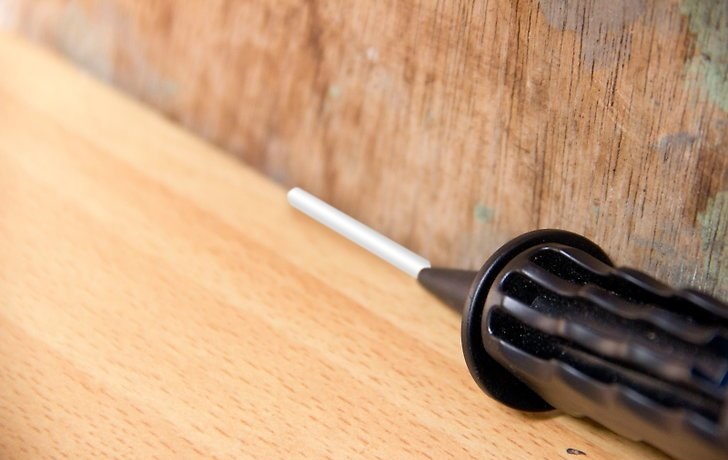
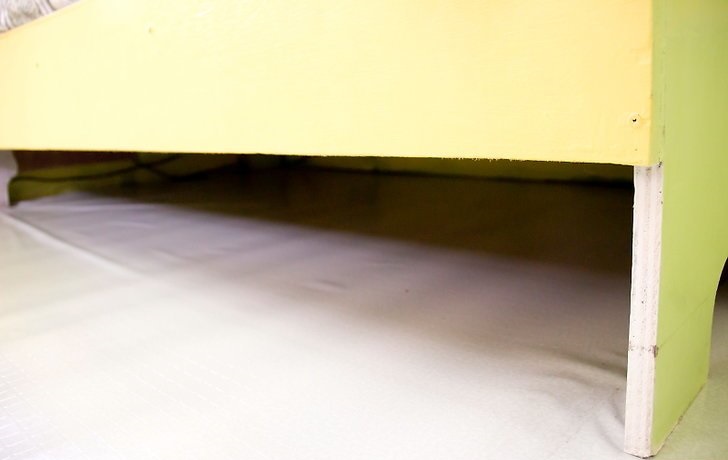
- Clean the premises thoroughly. Pay particular attention to the backs of furniture and the spaces under beds and sofas. Spiders build nests and lay eggs there in the dark. Sweep up any white cocoons of webbing you find and dispose of them away from the house, or better yet, burn them.
Spiders like to make nests in the space under a bed, sofa, or armchair.
- The insects that spiders feed on are attracted to light. Avoid turning on lamps unnecessarily (another benefit is saving electricity), and it's better to install interior blinds on your windows to reduce light.
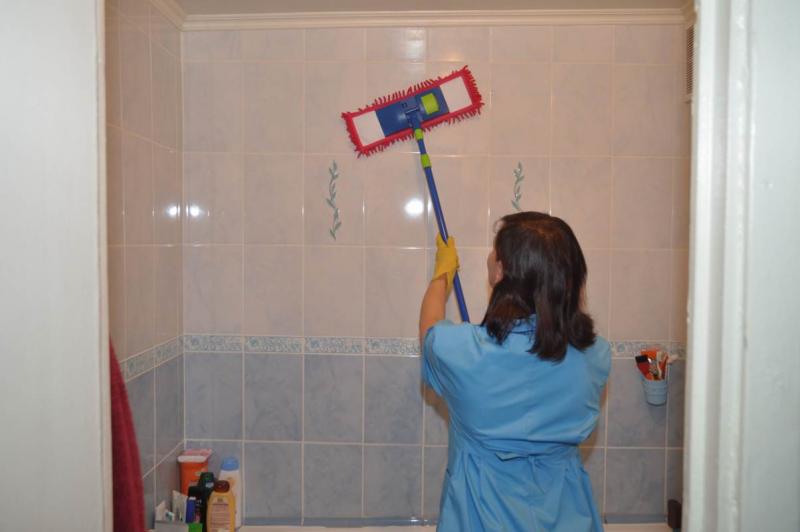
- Remove any webs you find, along with the spiders. Use a mop wrapped in wet gauze. After cleaning, destroy the gauze with any remaining webs and insects.
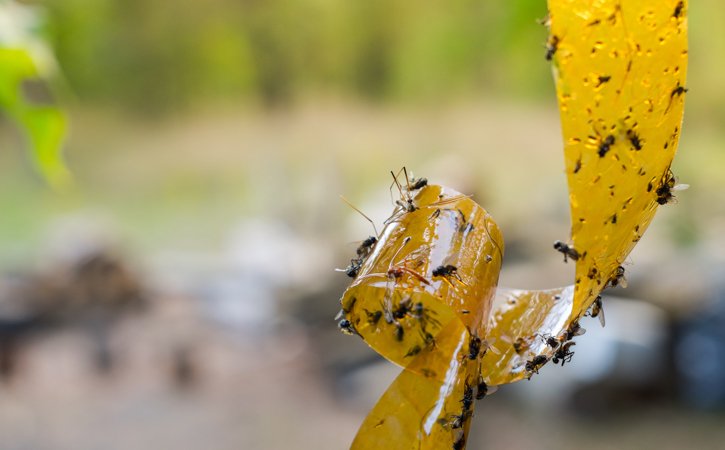
- Remove spider food sources. Until you get rid of flies, moths, cockroaches, and other insects, spider control will be futile.
Get rid of all insects that could serve as food for spiders.
- To combat pests, use chemicals and ultrasonic insect repellents.
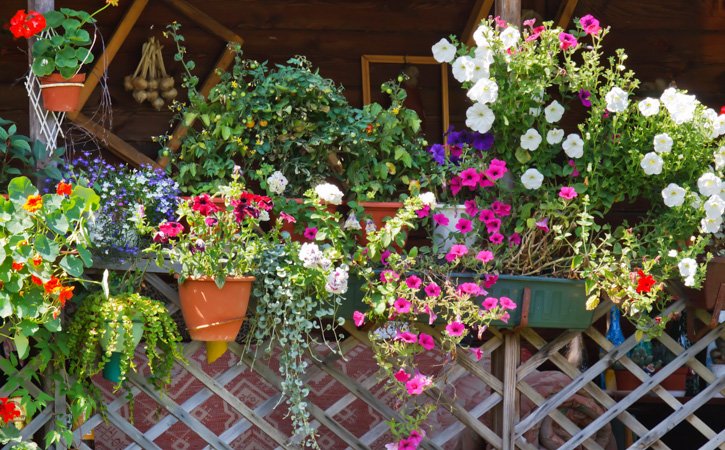
- Any vegetation provides good cover for spiders. You'll need to remove houseplants while you're dealing with the arthropods. If you live in a private home, remove trash, leaves, and other debris from around the building's perimeter. Spray trees and shrubs periodically to prevent the proliferation of unwanted insects.
Try not to have too many plants and flowers around your home.
- After spider removal procedures, keep your home clean at all times.
Chemicals
The range of products offered for spider control is wide.
Aerosol
Use specialized aerosols containing boric acid or chlorpyrifos to control spiders. Spray the solution in areas where spiders congregate: ventilation vents, baseboards, dark corners, and behind cabinets. Close windows and doors and leave the area for several hours.
Butox-50
Butox-50 has a broad spectrum of insecticidal and acaricidal activity. Upon entering the pest's body, it causes paralysis, followed by lethargy and death. It should be used as follows:
- Dilute 30 ml of the product in 10 liters of water and stir.
- Pour the solution into a spray bottle and spray the areas where spiders congregate.
- Leave the room for 20 minutes.
- Ventilate the room and do wet cleaning.
Butox-50 causes paralysis and death in spiders
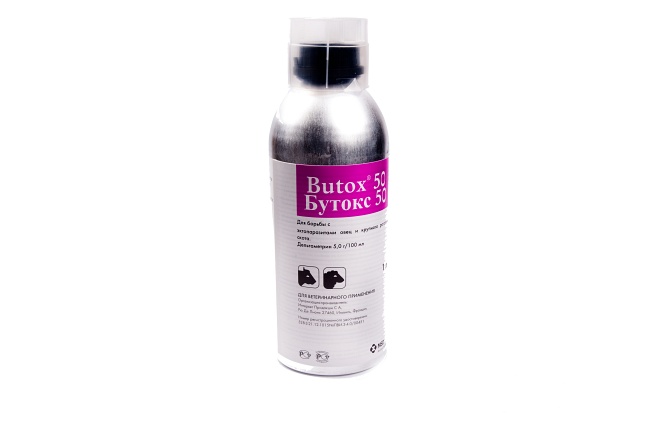
The product is effective for 2 months. Repeat treatment if necessary.
Dobrokhim FOS
Dobrokhim FOS blocks nerve impulses in pests, causing seizures, paralysis, and death. Use the product as follows:
- Take children and animals out of the house.
- Dilute 10 ml of the product in 1 liter of water.
- Spray the resulting solution from a spray bottle in areas where spiders congregate, trying to hit them.
- Open windows to provide ventilation and leave the area being treated.
- Returning after 24 hours, carry out wet cleaning.
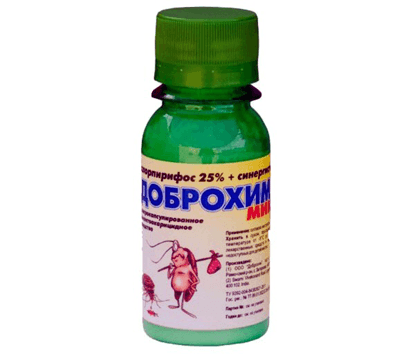
Dobrokhim Phos starts working from the first seconds
The effect of the drug lasts up to 1.5 months.
Raid Spray
Simply spray Raid directly onto the spider from a distance of about 30 cm. This will eliminate the problem for at least a month.
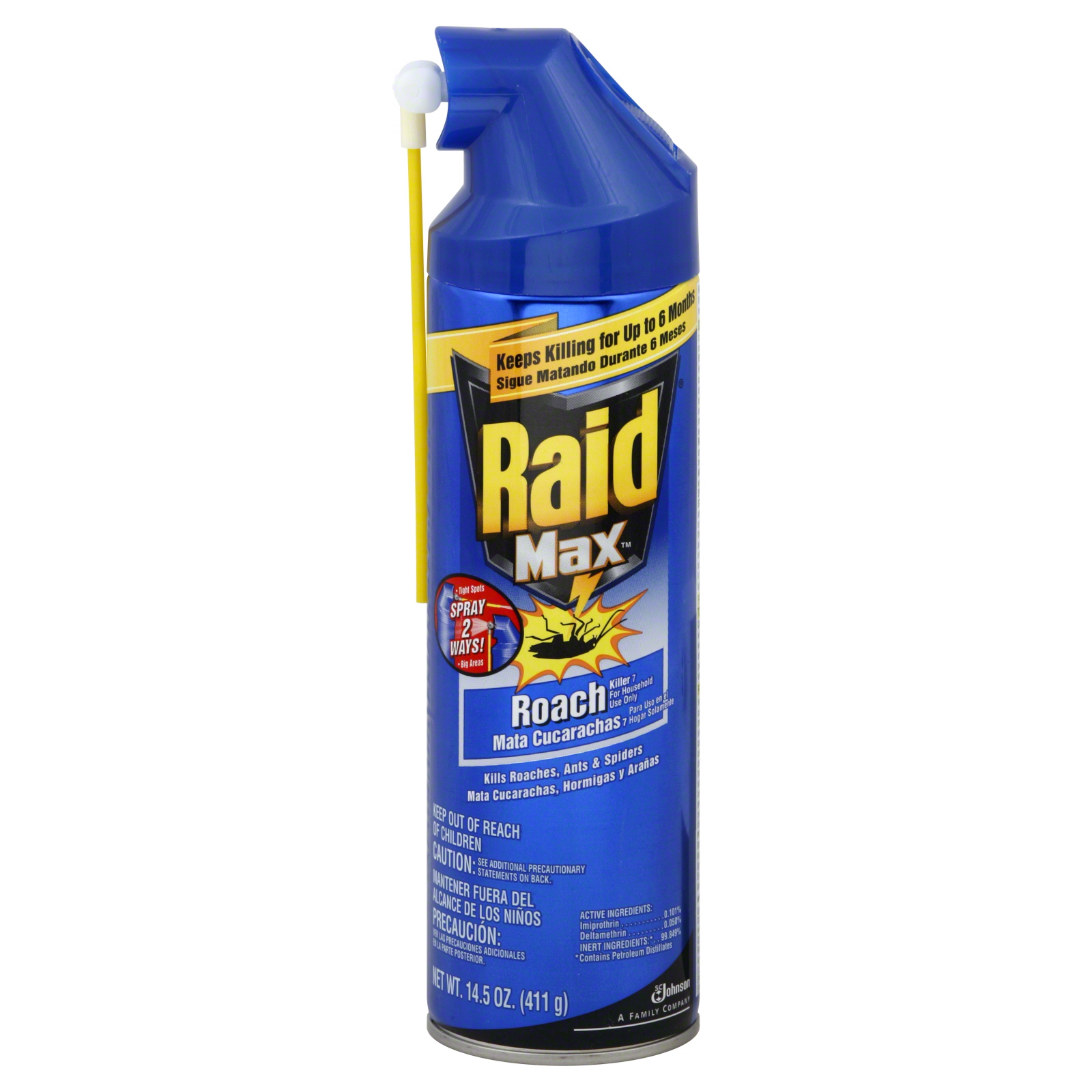
Raid spray is very convenient to use in the fight against arthropods
Trap pills
If aerosols aren't enough, use special trap tablets. Place them in areas where spiders are most common. Attracted by the scent, they eat the tablets and are killed by the venom.
Please note! Each of these chemicals can be toxic to humans and pets. These products may cause allergic reactions. Use them according to the instructions. Follow safety precautions: wear rubber gloves and masks, and wash your hands after use. Wet cleaning is mandatory after each treatment.
Aquafumigators
Aquafumigators are excellent for killing spiders in the home. These devices operate based on a thermal reaction caused by the active substance coming into contact with water. The released vapors penetrate even hard-to-reach places, killing the pests.
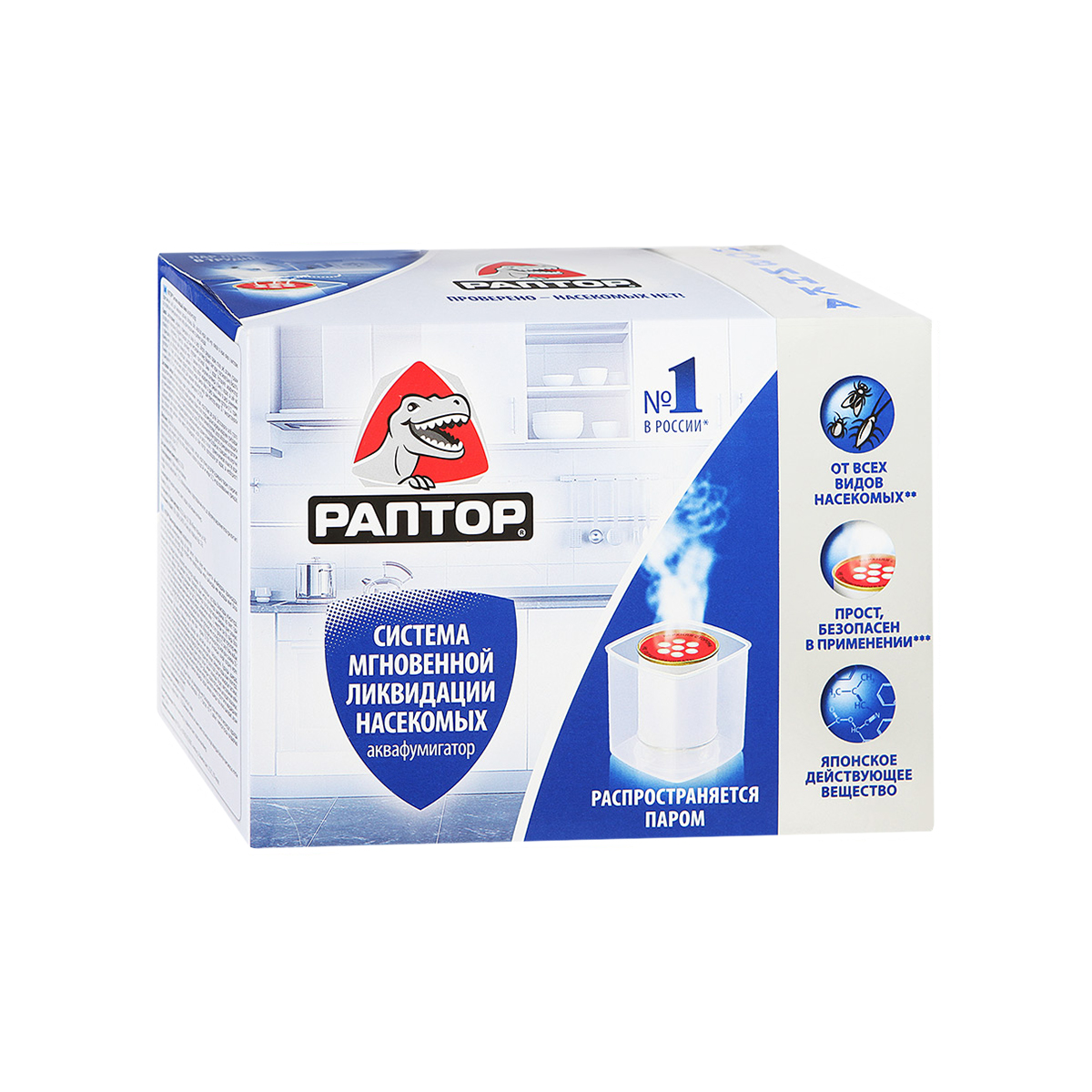
Aquafumigators will help you get rid of almost all insects and spiders at once
Place the aquafumigator in a container of water and leave the house for 2–3 hours. The product's effect will last for approximately 3 weeks.
Traditional methods
The effectiveness of folk remedies is based on the fact that spiders cannot tolerate strong odors.
- Spiders especially dislike peppermint vapors and oils. Add a few drops of extract to a spray bottle filled with water and spritz the solution throughout the room. Eucalyptus or tea tree oil can be used as a substitute. If you live in a private home, plant peppermint along the walls.
Spiders don't like the smell of peppermint.
- Maclura spp., chestnuts, and hazelnuts have a pungent odor that spiders notice. Crush them and place them in areas where spiders congregate.
Ordinary chestnuts will repel spiders with their smell.
- Sprinkle diatomaceous earth along the baseboards around the perimeter of the room. The powder is safe for humans and animals, but in spiders, it causes the destruction of the chitinous covering and subsequent dehydration.
Diatomaceous earth scattered around the perimeter of your home will act as a deterrent to spiders.
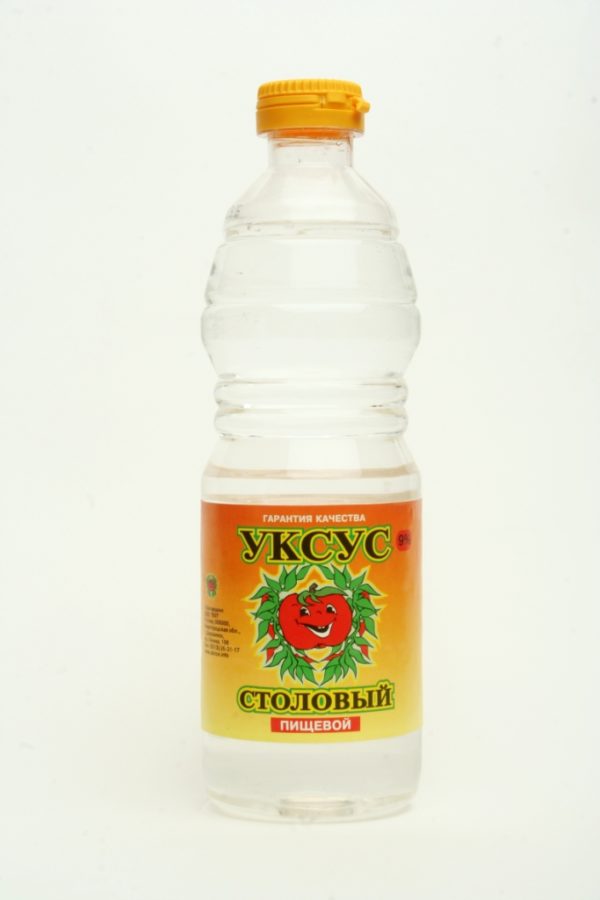
- The smell of vinegar also disgusts spiders. Place vinegar-soaked cotton pads or saucers of water with a few drops of vinegar around the room. Incidentally, this solution destroys the spiders' chitinous covering upon direct contact, resulting in death. Remember that the strong smell of vinegar can cause headaches. Make sure that children do not have access to the substance while you are processing.
Spiders are afraid of the strong smell of table vinegar.



Preventing spiders from appearing in your home
To avoid pest infestations, follow these simple rules:
- To prevent spiders from breeding, keep your home's surroundings clean: mow the grass along the walls and remove trash and fallen leaves.
- Avoid flowers on the veranda and outside windows, as spiders often use their leaves as hiding places. Or, make it a rule to periodically mist these fragrant plants. Plant peppermint or other strongly scented herbaceous plants nearby.
- Don't leave lights on near your home overnight. Many insects are attracted to the light, and spiders catch them in their webs.
- Clean your rooms regularly, paying attention to hard-to-reach areas.
- Get a cat. This animal is a predatory hunter by nature; any moving object awakens its instinct to chase and destroy.

Kittens or young cats will hunt and destroy spiders.
Reviews: Sharing our experiences fighting spiders
Hello, I've been an arachnophobe for many years (I've had this phobia for over 20 years, for sure). Here's what I can say: 1. THERE IS NO 100% SPIDER REMEDY! Dichlorvos-like repellents don't work on all types of spiders. Repellents DO NOT repel them. 2. What types of rooms do spiders breed in? Damp, dark, and inconsistently cleaned rooms. When mopping the floor, dry the CORNERS. Remove all cobwebs. 3. If you see a spider and don't have anyone to clean it up for you? I don't recommend a vacuum cleaner, as spiders ALWAYS crawl back out of the filter. Take a mop with a long handle and wrap a DAMP rag around it and swat it at the spider. Don't use a dry rag, as it will just lie there and then run off again. I've tried it. 3. Chestnut, lavender, and other grandma's spider remedies are a myth. 4. You need to get rid of all spiders in the house, even the tiny ones, because a spider reaches its adult size in a week. 5. On the first floor of Khrushchev-era buildings, there's a spider called a mizgir (a common spider) living in bathrooms. Now that's something—God forbid you encounter it...
I went to Fix Price and came across a cheap Russian brand of Dichlorvos "Voran A UNIVERSAL" and bought it. At home, I tried it on one toilet, sprayed it directly on it, and it jumped around in convulsions and died. Then I tried it on another toilet. Wow, it works!!! Where I sprayed, another one crawled out from somewhere, apparently smelled it, and also started running and dying, followed by another one. I was stunned. I sprayed the entire toilet, in every corner, wall, and ceiling, and closed the door for about an hour. After I went back in, there were even more surprises, and everyone was dead. Basically, Dichlorvos is the only thing that saves me. The smell is unpleasant, but effective.
Why would you kill them? They don't bite, in fact, they actually do good. They catch annoying flies. But since you dislike them so much, I'll tell you that there really is no way to do this. The only way is to kill them and immediately collect their webs.
One woman in Germany set fire to her house to get rid of spiders...Also a good method. But you'll not only drive the spiders out of your house, but yourself as well.
Well, excuse me, I did some digging online myself, and there's no solution other than putting a saucer of vinegar in the room with the spiders. That should scare them away.
In general, spiders bring good luck, so you should make friends with them.
Treat spiders with the blue aerosol spray can with Raptor (it's in the instructions). It doesn't kill them all at once. Repeat periodically, once a month. It's not practical where there are trees. I use it on the veranda. Wear a mask and use a ladder (it's best to ask someone else to do it:)
Spiders are very afraid of any sheep's wool, whether it's a thread from a sweater or a clump of the wool itself. Maybe it will work, give it a try.
Video: AROX spider repellent for apartments
Remember that spiders are beneficial because their dense webs keep out blood-sucking and disease-carrying insects that try to enter your home. However, webs are also unsightly. Furthermore, spiders can be frightening to look at, even if they're harmless. Getting rid of them is easy. Choose the right method and get started.