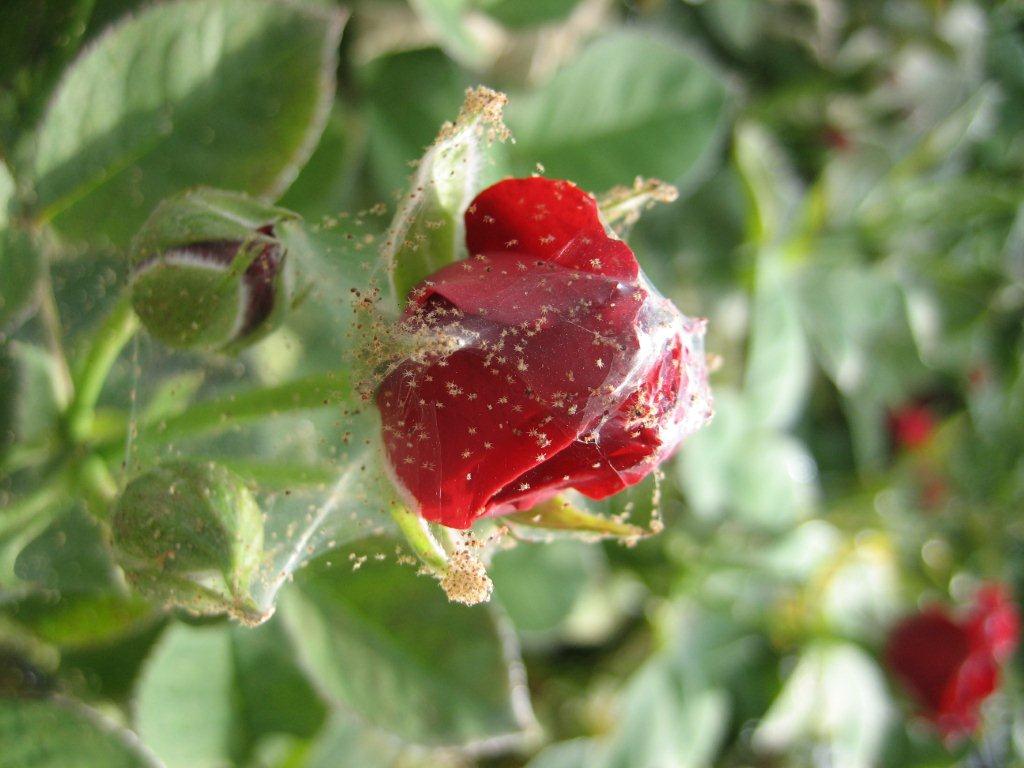
By early May, grass is everywhere, the first bugs and spiders are appearing, and dangerous insects—ticks—are also appearing. Knowing what happens when you encounter them, how to properly remove them, and how to treat the wound is essential to preventing serious consequences from a bite.
Content
Which ticks are dangerous to humans?
There are over 150,000 species of these tiny arthropods, whose bodies barely reach 5 mm in length, but only a few of them are dangerous, as their bites carry the following diseases:
- encephalitis - manifested by fever and damage to the brain;
- typhus - accompanied by an increase in temperature, causes problems with the cardiovascular and nervous systems;
- tularemia - characterized by fever, affects the lymph nodes;
- Ehrlichiosis is associated with the appearance in the human or animal body of immobile intracellular parasites that multiply at an incredible rate;
- babesiosis - manifested by fever, anemia, jaundice;
- borreliosis - characterized by fever, constant migraines, fatigue, skin rash, and dysfunction of the nervous, musculoskeletal, and heart systems;
- hemorrhagic fever - accompanied by high temperature and vascular damage with the development of bleeding and thrombosis.

Ticks that carry encephalitis are found primarily in the Northern Hemisphere.
Ticks have six pairs of legs, the first of which, the front, is called the chelicerae, and the second, the pedipalps. These form the piercing and cutting mouthparts, while the other pairs are used for locomotion.
The tick's first pair of legs also serves as a thermal imager and is used to locate prey.
Of all the different types of ticks, the following species bite humans:
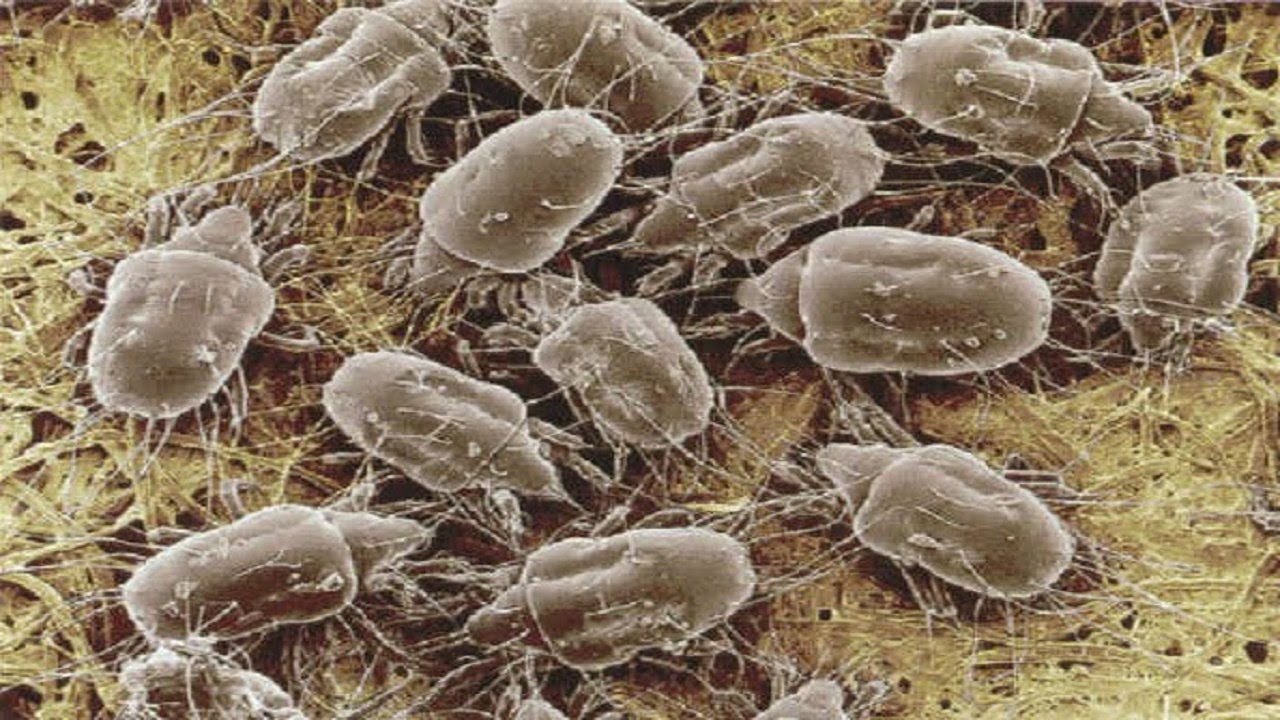
- Scabies. These arthropods feed on dead skin cells and live in areas where they are abundant (old clothes, carpets, mattresses) or in the human body. They move under the skin, leaving burrows behind and can cause scabies. Infection can occur in areas with poor sanitary standards, through poor personal hygiene, or through contact with an infected person. If a person suffers from diabetes, he is predisposed to the appearance of scabies mites.

Scabies mites are the causative agents of scabies.
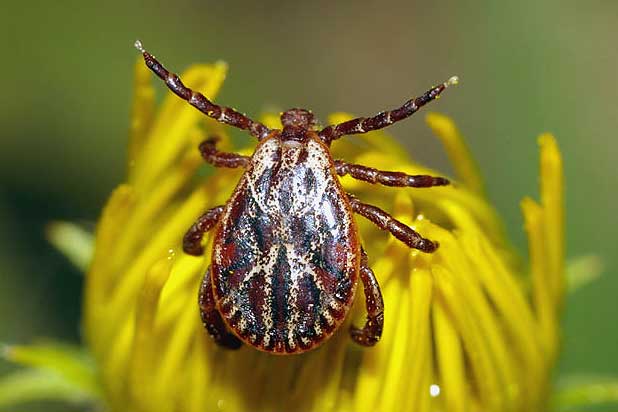
- Ixodid worms (forest and taiga). They do not live in the human body, but only feed on blood. After feeding, they leave the human or animal body and return to their natural habitat. They are the carriers of the encephalitis and borreliosis viruses. They hibernate for the winter and awaken with the arrival of the truly warm spring. During this time, their bodies undergo intensive recovery, which requires nutrition. That's why bloodsucking ticks bite in spring and early summer.
Forest ticks are predators and feed mainly on the blood of animals and humans.
How ticks bite and how to protect yourself from them
They choose open areas of the body to bite. The parasites first penetrate the skin with their proboscis, and then with their head entirely. Therefore, getting rid of them is difficult, but important: the head of the arthropod's body harbors pathogens of various diseases. A vaccine against encephalitis is administered as a preventative measure. However, it's also important to follow certain rules of conduct in areas where ticks are common.
Precautions in nature
If you're heading out of town in spring or early summer, no matter how warm the weather, remember that ticks remain a threat until mid-July. Therefore, wear fully covering clothing—long-sleeved shirts with a tight collar, a scarf to prevent ticks from getting into your hair, and pants tucked into your socks.
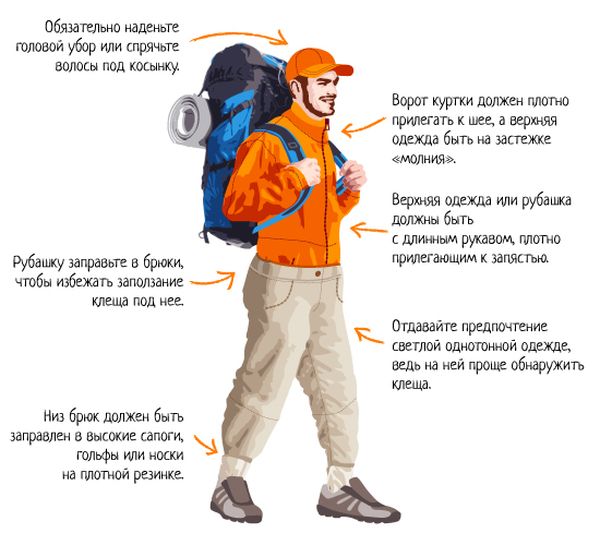
All clothing can be treated with special insect repellents.
Preventive measures at home
Apartment ticks thrive in warmth, moisture, and dirt. To prevent their presence, practice good hygiene:
- Change bed linen at least once a week.
- If it's freezing outside, leave your bedding outside for at least half an hour or on an open, unheated balcony. Any parasites present will die.
- Carry out wet cleaning twice a week.
- Before going to bed, ventilate the room - in winter for at least 10 minutes, and in summer you can leave the windows open. Ticks are afraid of the cold.
- Change underwear, socks or tights and shower every day.
How to remove a tick
There are many ways to remove a parasite that's decided to feed on you. All of them rely on pulling the head and proboscis out from under the skin. If for some reason it remains, the following options are possible:
- If the tick is not contagious, the skin at the bite site will heal, the head will remain underneath, and a bump will form. Inflammation may develop, so consult a doctor.
- If the insect is infected, there will also be a bump on the skin, but symptoms of the disease will also appear. Therefore, if you see a tick on yourself and are unable to remove its head, see a doctor immediately.
Extraction using saliva
If you don’t have anything at hand, use this method:
- Wet your finger and run it over the tick so that it and the area around it are completely covered in saliva.
- Take the insect by the body and start rotating it in any direction. The main thing is to do it quickly and not tear the head away from the body.
- The insect finds itself in a vacuum and is deprived of oxygen. It becomes dizzy from rapidly rotating in one direction and sticks its head out. When this happens, place it in a sealed container and take it to the lab.
Extraction using vegetable oil
All the steps are the same as described above, but with the addition of vegetable oil. This ensures even better glide and creates a film on the surface, preventing the tick from surviving. Not all doctors consider methods where the tick is trapped in a vacuum to be safe: it regurgitates its stomach contents into the wound and can infect a person.

Vegetable oil creates a film that makes it difficult for the tick to escape on its own.
Using thread
You can remove a tick using a thread:
- Make a loop and place it around the insect's body near the base of its head so that it fits snugly against the skin.
- Pull it a little and twist it slowly, making sure it doesn’t slip.
- After making 2-3 turns, gently pull the ends - the tick will easily come out.
When the thread is twisted, the insect's front limbs curl up, holding it in the skin. If you pull the body immediately, they will remain in the skin.
Video: Removing a tick with thread
Removing the parasite with tweezers
Either regular or special tweezers will work. The advantage of the latter is that it's more difficult to crush the tick. Grasp the tick with the tweezers and begin rapidly rotating them in one direction. If using regular tweezers, try to grasp the insect close to the head and hold the tweezers perpendicular to the bite. Then, rotate the body in any direction and pull it out of the skin. After removing the parasite, disinfect the instrument.
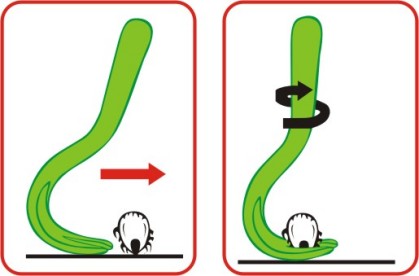
Special tweezers for ticks look like a hooked fork with two prongs.
Using a syringe
Cut off the top part of the tool where the needle is usually inserted and begin removing the parasite:
- Press it against the tick. If the edges are rough, coat them with cream and press firmly against the skin to create a vacuum.
- Pull the plunger all the way up. All the toxic substances the tick injected during its bite should come out along with the tick.
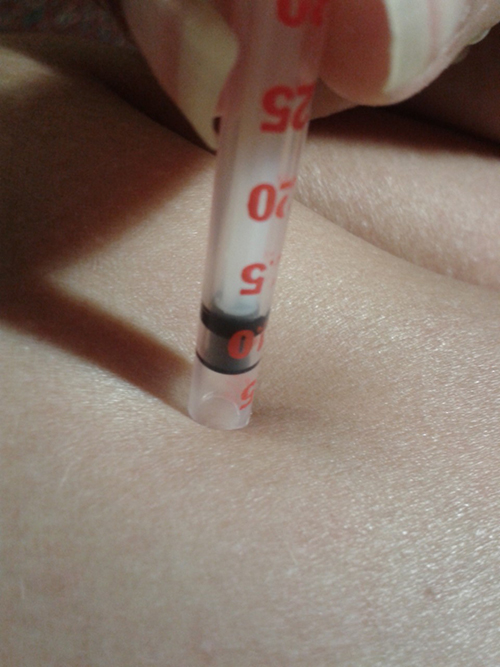
It is advisable to cut the top of the syringe evenly so that air does not enter through the uneven edges.
What to do if your head remains in your skin
Inexperienced people sometimes tear the tick's body away from its head. If this happens, seek medical attention or try to remove the remaining part of the tick yourself.
- Heat a needle or pin over a fire.
- Wipe the bite area with a damp cloth to see it clearly (it looks like a black dot).
- Lift the skin above it and pull the head out.
- Treat this area to prevent infection.
If you are not sure that you can remove the trunk with a needle, consult a doctor. You can treat the wound with alcohol, hydrogen peroxide, brilliant green, or iodine. Don't cover it with adhesive tape or bandages: if the skin breathes, it will heal faster.
Mistakes when removing a tick
Many people perform the wrong steps when removing parasites. The most common ones are:
- Tear off the body, leaving the head in the skin. This leads to inflammation.
- Treat the tick with alcohol or hydrogen peroxide. This will kill the tick, but the head will remain in the skin, making it more difficult to remove than removing the body.
- Burn the tick. The result will be the same as in the previous case, but a burn is also possible.
- Leaving the head in the hopes that it will resolve on its own will cause inflammation and pus, not to mention the fact that the body may already be infected with a dangerous disease.
Reviews
I used to remove ticks with tweezers, but I couldn't grab them for a long time, then twist them off, and even getting the tick off my skin was difficult. My skin would stretch, the tick wouldn't come off, and the feeling of its body in the tweezers was disgusting (squeezing a blood-swollen creature is unpleasant). A tick twister solved all these problems.
If you drip oil on him, he'll definitely spit out as much of the infection as possible, into his bloodstream, since he can't breathe. A tick trap, which someone on the forum helped us buy, really helps us.
Don't be afraid to venture outdoors in the spring and early summer; simply dress appropriately to reduce the risk of tick bites. Upon returning home, carefully inspect yourself and your clothing. If you are bitten, don't panic; carefully remove the tick yourself or seek medical attention.