Spider mites are recognized as one of the most dangerous plant enemies. What this pest lacks in size, it makes up for with its prolific output, voracious appetite, and unscrupulous feeding habits. They attack vegetable crops, houseplants, and gardens. To combat all types of harmful pests, learn the characteristic signs of infestation and effective control methods.
Content
Characteristics and distinguishing features of spider mites
This tiny pest, up to 1.1 mm long, gets its name from its ability to secrete a secretion that hardens into thin threads and entangles plants like a spider web. With a magnifying glass, its oval body covered with bristles and four pairs of legs can be seen. The color of spider mites depends on their habitat. They can be red, orange, gray, brownish, or colorless (transparent), although most often they have a camouflaging yellowish-greenish hue.
Spider mites are mistakenly classified as insects. However, phytophages are arachnids, and they are animals.
A key characteristic of spider mites is their cosmopolitan nature: they inhabit all regions, including Antarctica. These small and dangerous pests reproduce by laying eggs: fertilized eggs produce females, while unfertilized eggs produce males. Under favorable conditions—warmth (from 25 °C) and low humidity—the parasite reproduces continuously. The larva emerges from the egg after 3 days and after a week, having survived a number of molts, it becomes a full-fledged individual, ready to reproduce offspring.
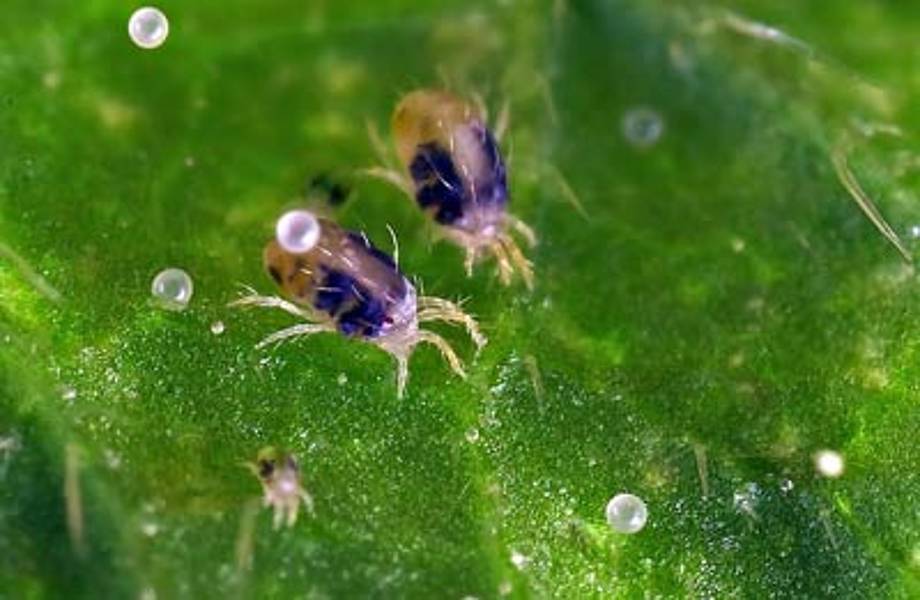
Spider mites lay eggs in the form of balls, slightly flattened at the bottom and top.
The life cycle of this phytophagous insect ranges from 14 to 30 days. An adult female lays 200 eggs, which remain viable for up to 5 years. If you deprive a spider mite of the conditions for feeding and reproduction, it will enter diapause, similar to suspended animation. Physiological processes will slow down by 3-4 times, which is also important to consider when choosing methods for pest control.
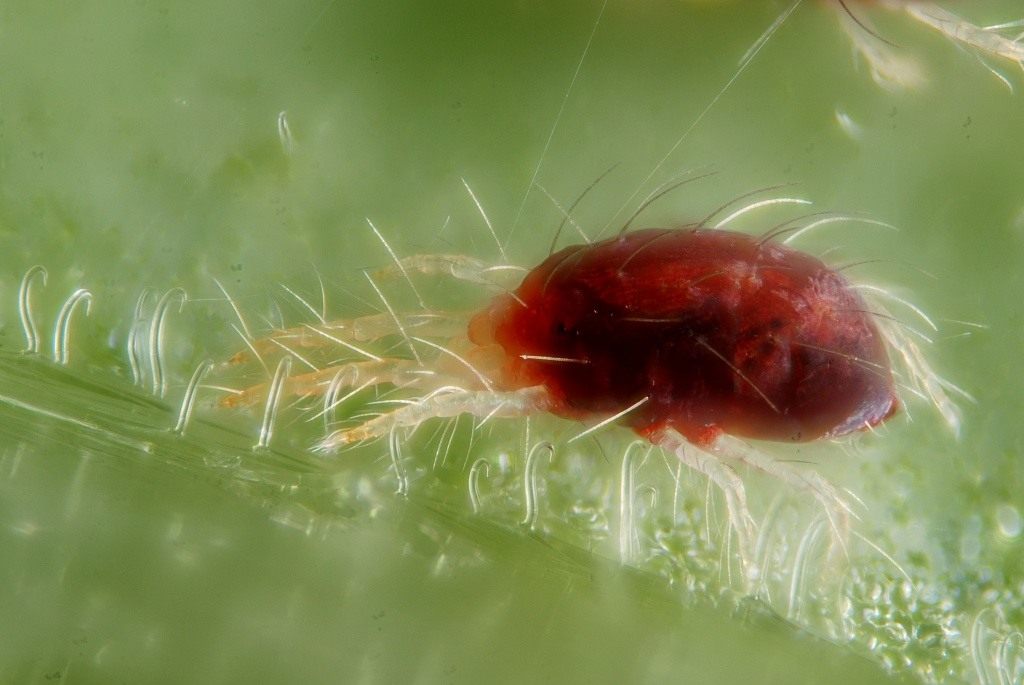
The secretion secreted by the tick, when frozen, resembles a web.
Types of spider mites
There are more than 1,270 species (95 genera) of these pests worldwide. Eleven of them are the most widespread.
Ordinary
Its distinctive feature is its omnivorous nature. The parasite successfully hides and camouflages itself with its inconspicuous coloration and size (up to 0.4 mm). It attacks green plants during the growing season. It settles in the root system, and in cases of severe infestation, it can even reach the upper parts of shoots. By late summer, females acquire a reddish-brown hue, but this does not make them more noticeable. The parasite causes damage to plants at all stages of its development, except for eggs. Indoor, greenhouse, garden and horticultural crops are susceptible to infection - palms, citrus fruits, eggplant, carnation, rose, pepper, cucumber, chrysanthemum, gerbera, fuchsia, balsam, ficus.
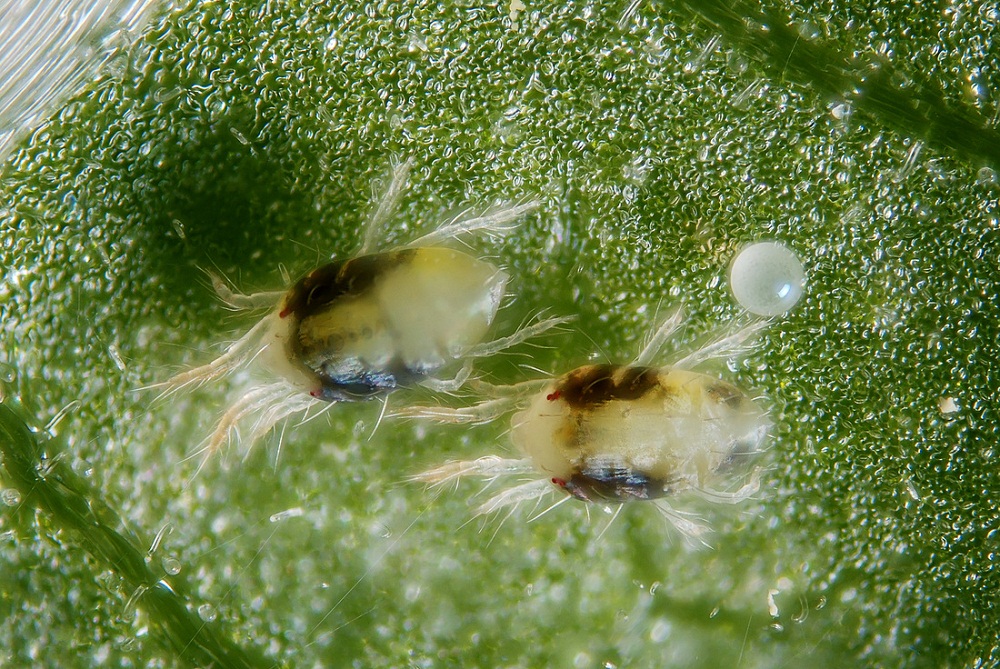
Because of its dull color, the common spider mite is difficult to spot on an infected plant.
Atlantic
These pests are able to exist and reproduce in moist soil and high air humidity. They are slightly larger in appearance than common lice: an adult female reaches 0.43–0.45 mm in length. This parasite is dangerous to vegetable, fruit, berry, ornamental flower, and industrial crops. It can damage plants both indoors and outdoors. Citrus fruits and strawberries are particularly susceptible to its infestation.
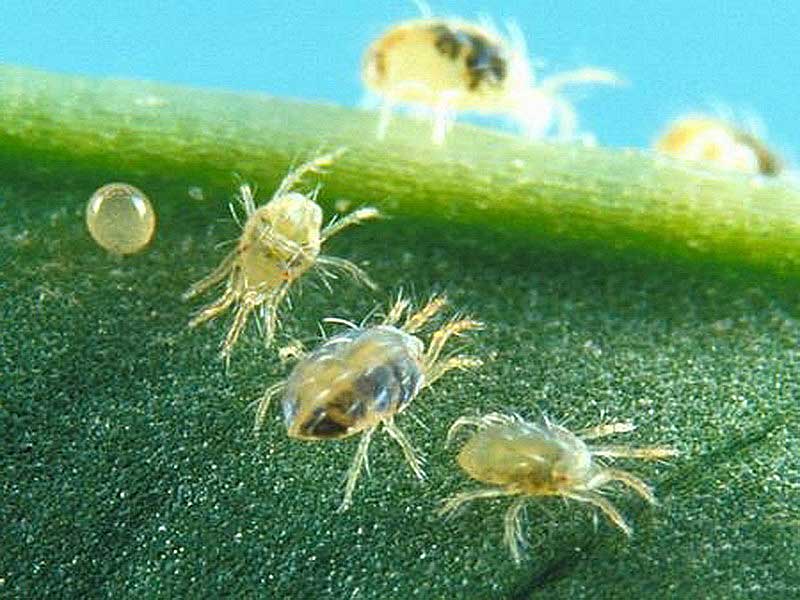
The Atlantic spider mite loves strawberries and citrus fruits.
Cyclamen
It prefers greenhouses and homes. It requires high humidity to survive. When the air becomes drier, males drag the larvae (and sometimes females) to safer spots on plants. It has distinct food preferences, most often attacking buds and flowers. In advanced stages, colonies can also develop on the upper surface of leaves. The cyclamen spider mite has a dull greenish-yellowish color and barely reaches 0.2 mm in diameter. Large colonies on plants resemble a thin layer of dust.
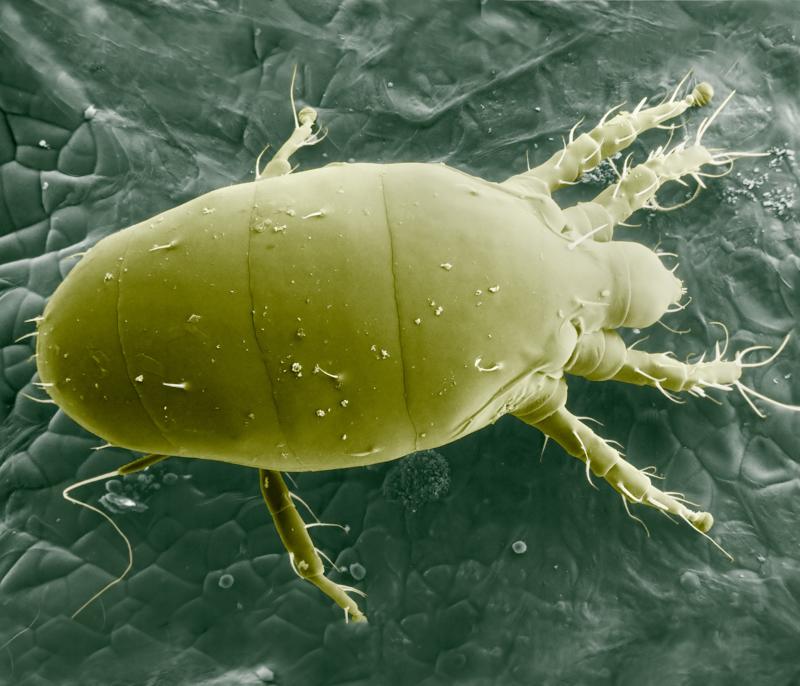
The cyclamen mite is usually yellowish or greenish in color.
The pest does not tolerate bright light. It is a monophagous animal, meaning it feeds on one type of food. For infection, it selects tuberous and root-tuberous plants - cyclamens, pelargoniums, chrysanthemums, balsam, gloxinia, and Saintpaulias.
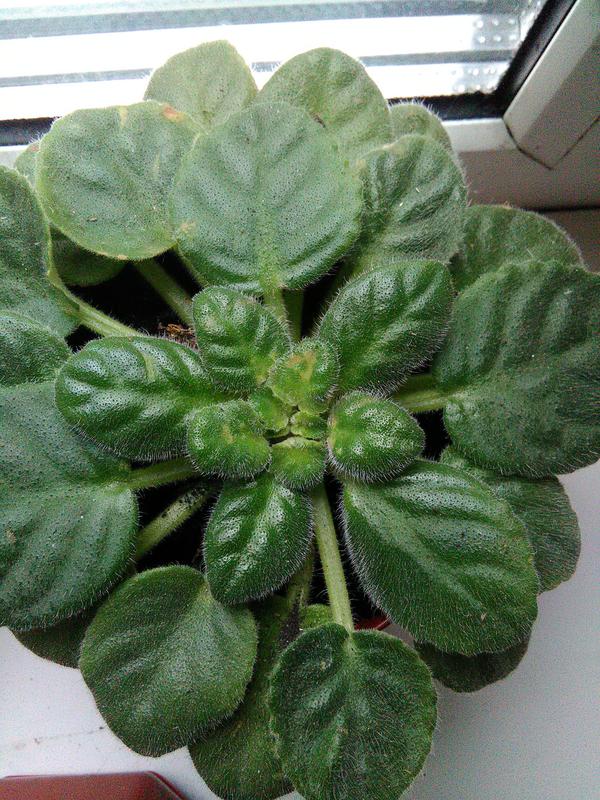
When cyclamen spider mites infest the plant's leaves appear dusty.
Red
The pest gets its name from the scarlet-purple coloration of the females. Males have a less intense coloration. The mite reaches 0.4 mm in length and 0.2 mm in width. This parasite is most active at temperatures above 30°C, so it does not live in open ground in northern regions. In cold latitudes, it causes damage to greenhouse and indoor plants, feeds on eggplants, potatoes, tomatoes and citrus fruits, and loves orchids, azaleas, apple trees, carnations, camellias and calla lilies.
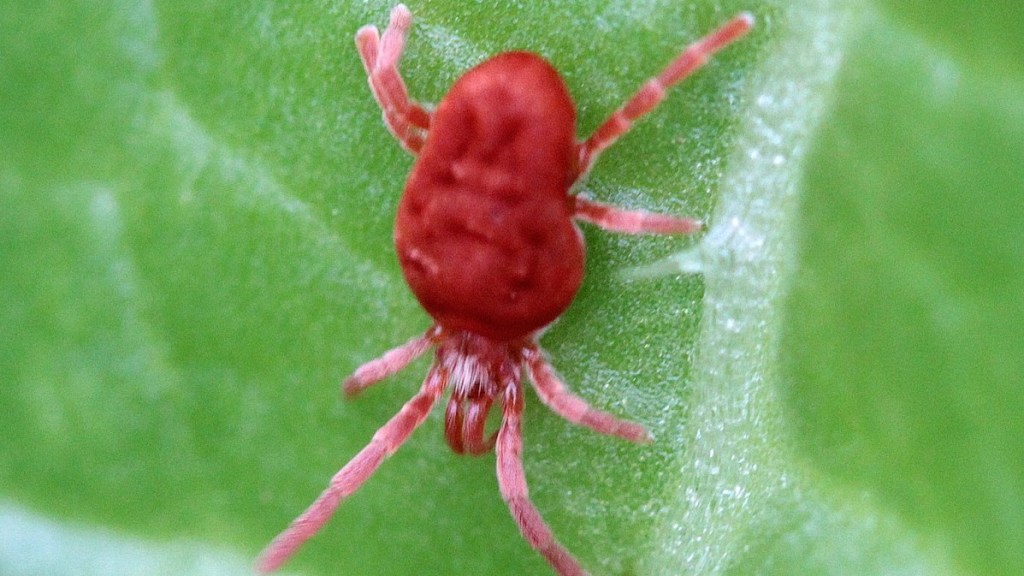
The red spider mite is distinguished by its bright coloration.
Gallic
The parasite's harmful activity results in the formation of characteristic swellings (galls) on damaged leaves. This species has a spindle-shaped body up to 0.3 mm long. It lacks eyes and respiratory organs.
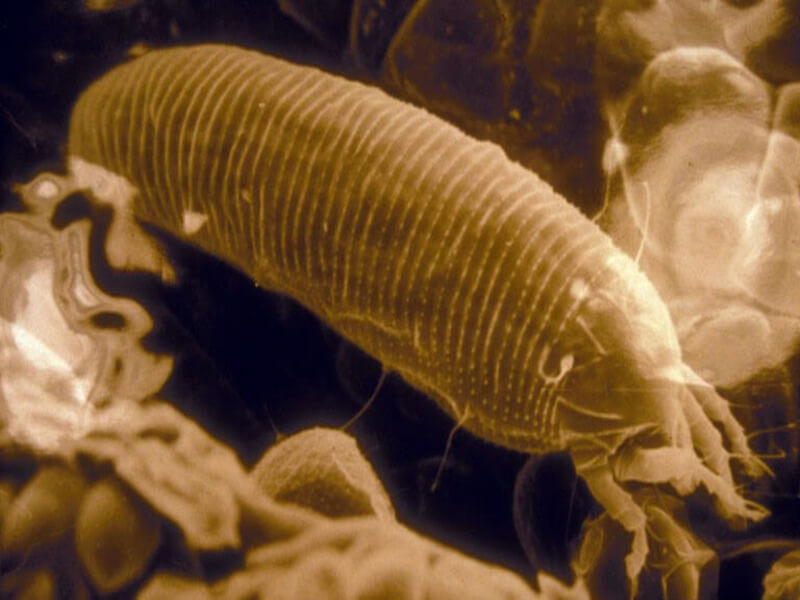
The gall spider mite has a spindle-shaped body, which can only be seen under high magnification.
It's widespread almost everywhere. This phytophagous insect feeds on any plant and is dangerous because it attacks even trees and shrubs.
The structure of gall spider mites allows them to carry viruses and infect plants with other diseases.
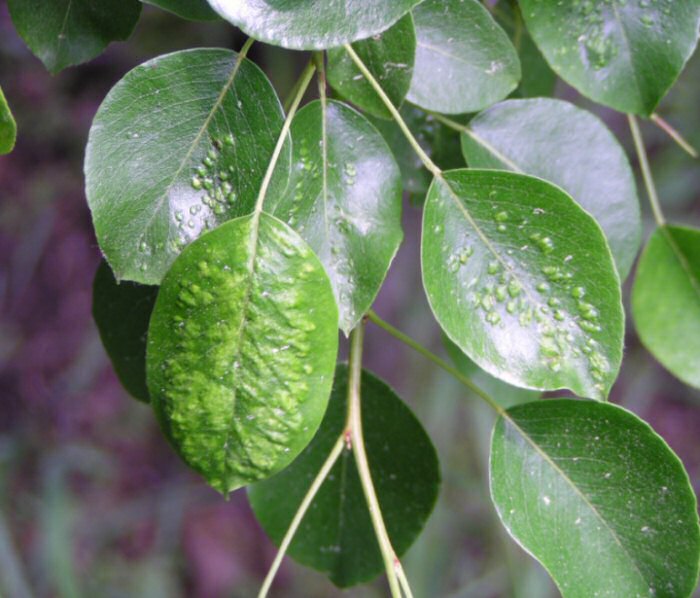
The gall mite leaves lesions in the form of swellings on the leaves of infested plants.
Bulbous (root)
Peculiarities of the pest:
- the body length reaches 1.1 mm;

The oval body of the bulb mite has a whitish or yellowish color.
- leads an active lifestyle in a wide temperature range - from 6 °C to 35 °C, a temperature of 20 °C provokes the appearance of a new generation every 20 days, and warming up to 25 °C - every ten days;
- feeding on the tissues of the bulb or stem of the plant, the pest turns them into dust;
If supplies are stored incorrectly, the bulb mite will destroy them very quickly.
- Under favorable conditions, the female lays up to 300 eggs.
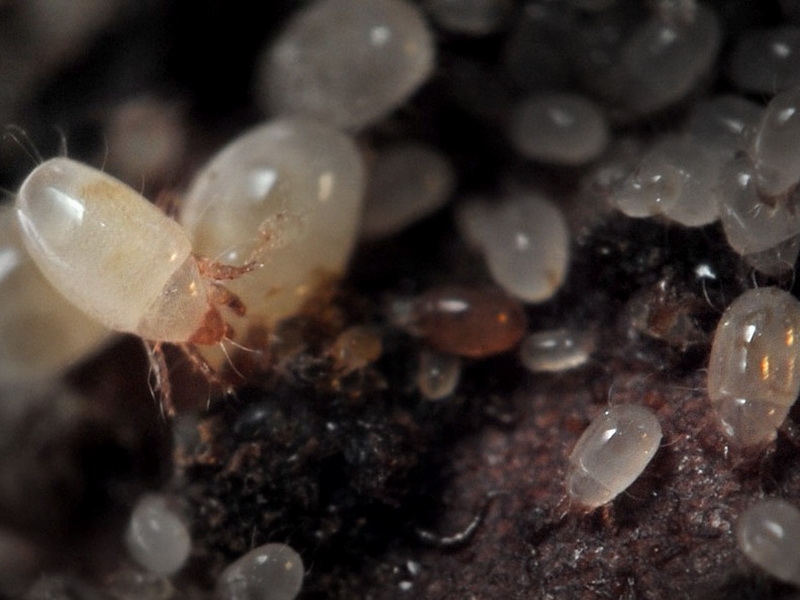
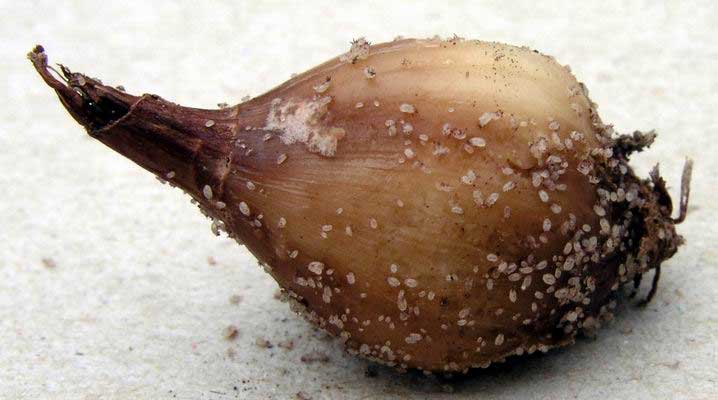
The pest most often attacks bulbous plants. It is especially dangerous for tulips, gladioli, orchids, hyacinths, amaryllis, and hippeastrums.
If a colony is threatened with starvation, some eggs hatch into specialized larvae. These larvae seek out new colonies, require no food, and are resistant to drought, chemicals, and radiation.
Hawthorn
A distinctive feature of this species is its pronounced sexual differences: males are 0.4 mm long and dark green in color, while the body of dark red females is 0.55 mm. During periods of drought, the pest reproduces en masse, entangling the leaves and branches of trees.
The hawthorn spider mite most often attacks pome and stone fruit trees. It is found on apple, pear, cherry, sweet cherry, plum, blackthorn, and peach trees.
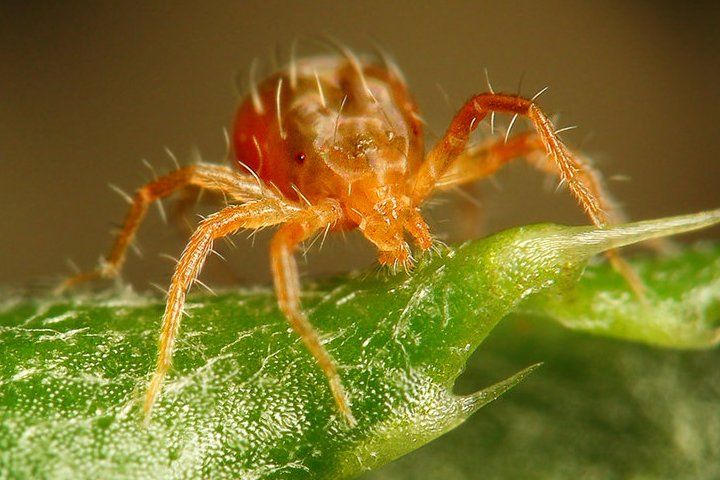
The hawthorn spider mite loves stone fruit crops.
Clover
This mite prefers cereals but also lives on houseplants. It gets its name from its greenish-brown body color. It has long antennae and legs, which allow the pest to move quite nimbly. Among indoor plants, abutilon, ficus, peperomia, and Japanese euonymus are most at risk of clover spider mite infestation.
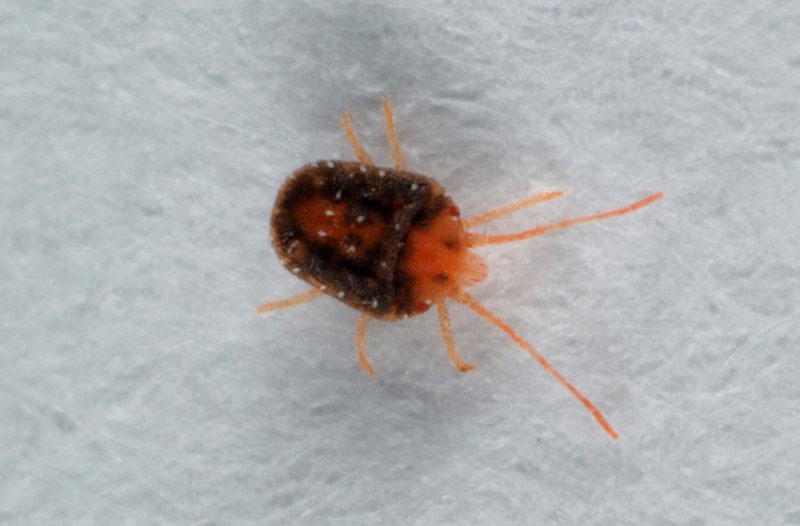
The clover spider mite is named for its greenish-brown coloration.
Turkestan
It lives in middle and northern latitudes. The female reaches 0.6 mm in length, with an ovoid body. When active, the pest is green, then fades to yellow during dormancy, and then turns red. It is distinguished by its polyphagous nature and a long life cycle, compared to other species of spider mites – up to 80 days. The phytophagous insect's feeding habits are wide and indiscriminate. It readily parasitizes ornamental plants in greenhouses and conservatories. In open ground, it attacks stone and pome fruits, and is not averse to legumes, melons, and vegetables.
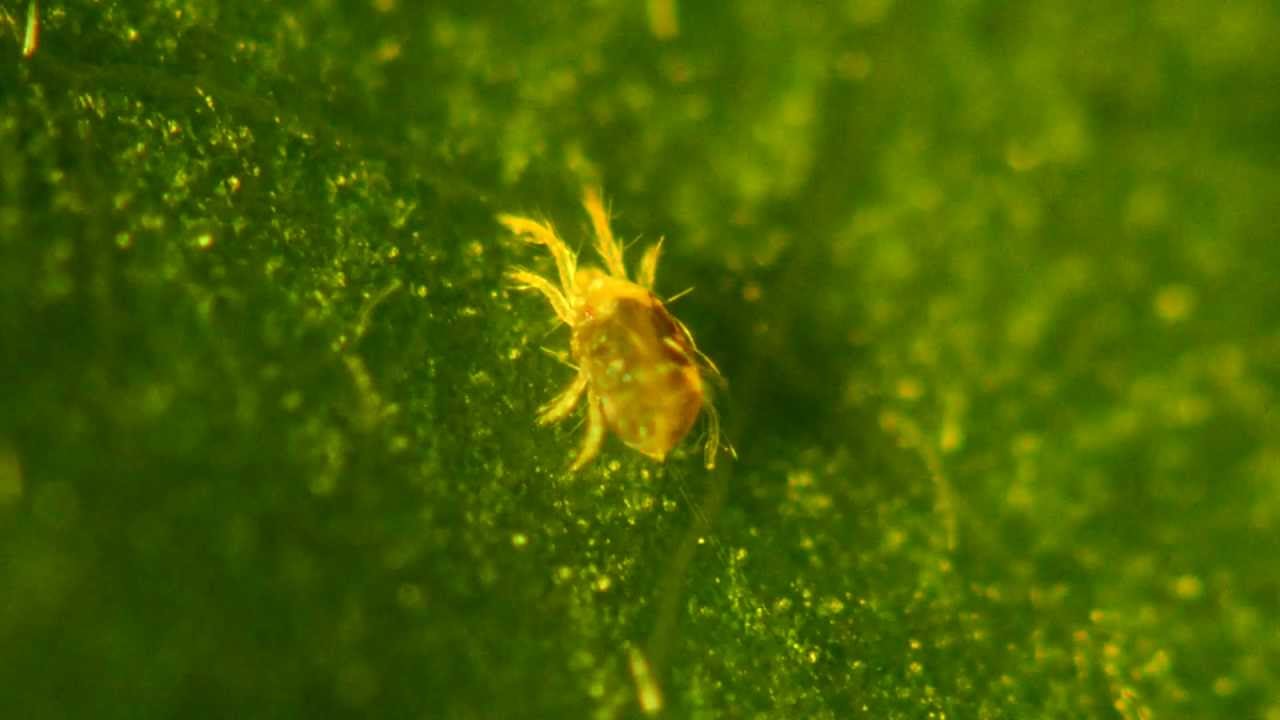
During wintering, the Turkestan spider mite turns red, but as it feeds, it becomes increasingly green.
Flat cactus mite (flat beetle)
Diagnosing this pest is particularly difficult due to its distinctive feature: it does not produce webbing. It is active at temperatures between 18°C and 24°C. Its ovoid body is 0.4 mm long and yellowish-brick in color. The mite prefers succulents and exotic indoor plants, such as citrus fruits and cacti.
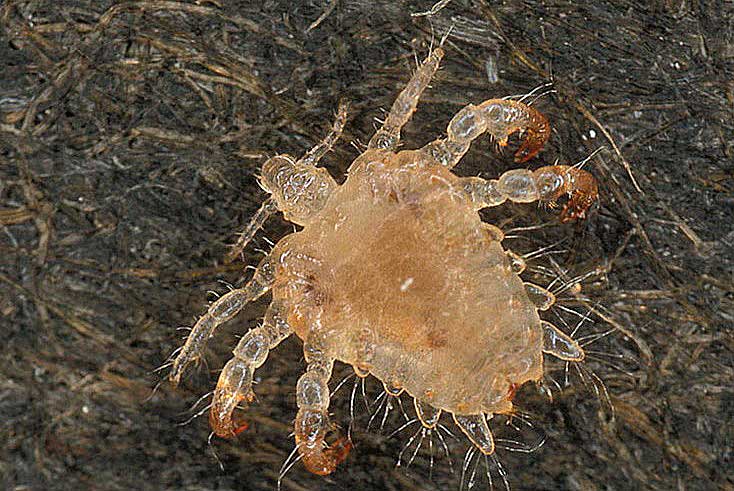
The common name for the cactus mite is the flat beetle.
False
In open ground, it lives exclusively in the hot tropics. In cooler climates, it is found indoors (greenhouses, hothouses, or rooms). It owes its name to the fact that, like the flat beetle, it is unable to secrete or produce webs. These parasites are distinguished by their length of 0.3 mm and their light weight, which allows them to spread even through ventilation systems.
When citrus fruits are damaged, they colonize areas already damaged by other insects. Because of this characteristic, the false spider mite has an increased ability to transmit bacterial and viral diseases.
It primarily attacks orchids and citrus fruits. It also attacks exotic fruit trees such as rambutan, durian, passion fruit, mangosteen, and papaya.
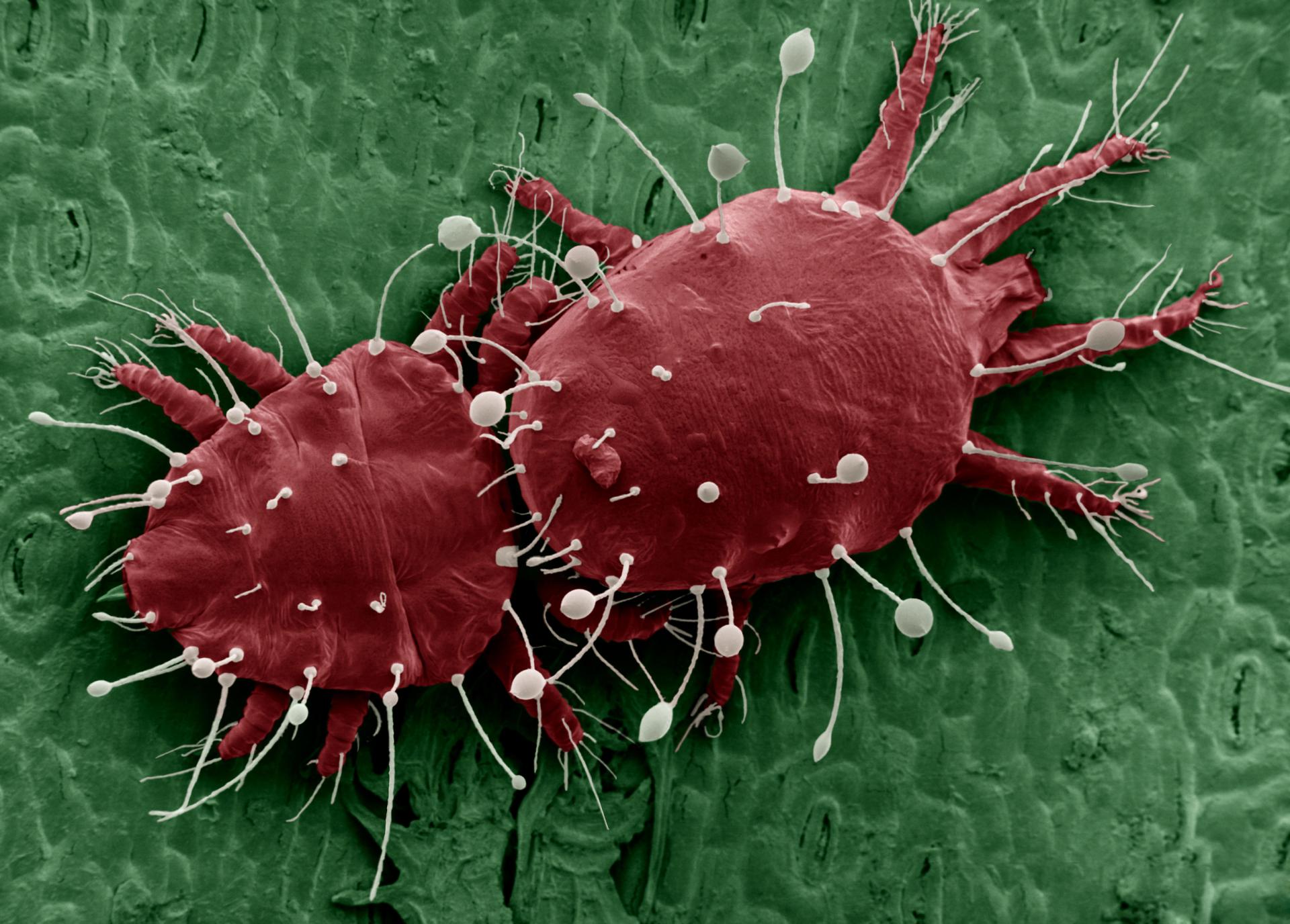
The false spider mite is characterized by a bright color and small growths on its body.
Signs of spider mite infestation
Phytophages don't require specific conditions to thrive and reproduce, meaning plants can become infected at any time. To combat spider mites, it's important to recognize the first signs of the disease.
Pathways of plant infection
Most often, pests move from diseased plants to healthy ones or are carried by air currents. Therefore, it's important to be vigilant in the following cases:
Purchasing a new plant - buying from a store does not guarantee the absence of dangerous parasites in the soil or on the surface of the flower itself, which will appear over time;
Store-bought flowers may already be infested with spider mites.
replanting or feeding plants - new soil may contain pest eggs or larvae, even if you buy it in a specialty store;
The soil may contain spider mite larvae or eggs.
- Moving plants outdoors is a useful procedure that increases the risk of infection with dangerous pests;
Outdoors, the risk of spider mite infestation increases.
Open ventilation and airing - if there are green spaces near the room, spider mites living in them migrate to houseplants.
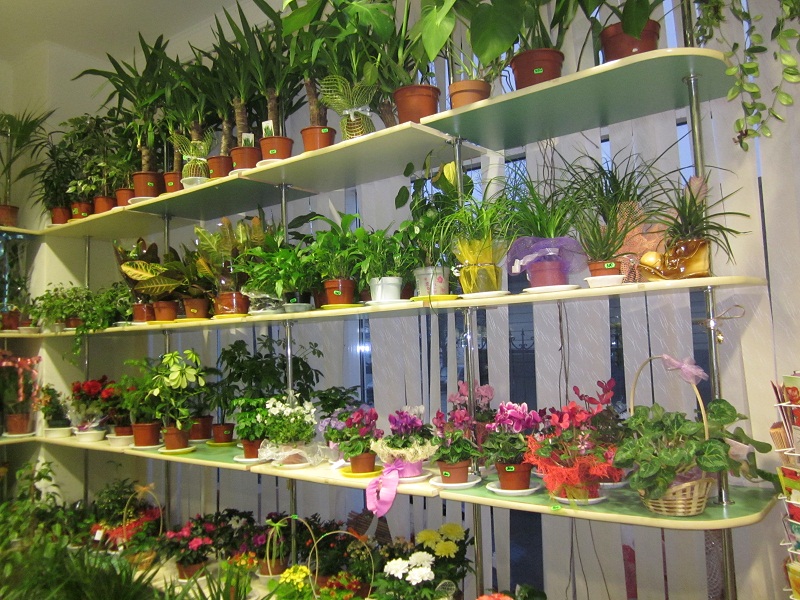
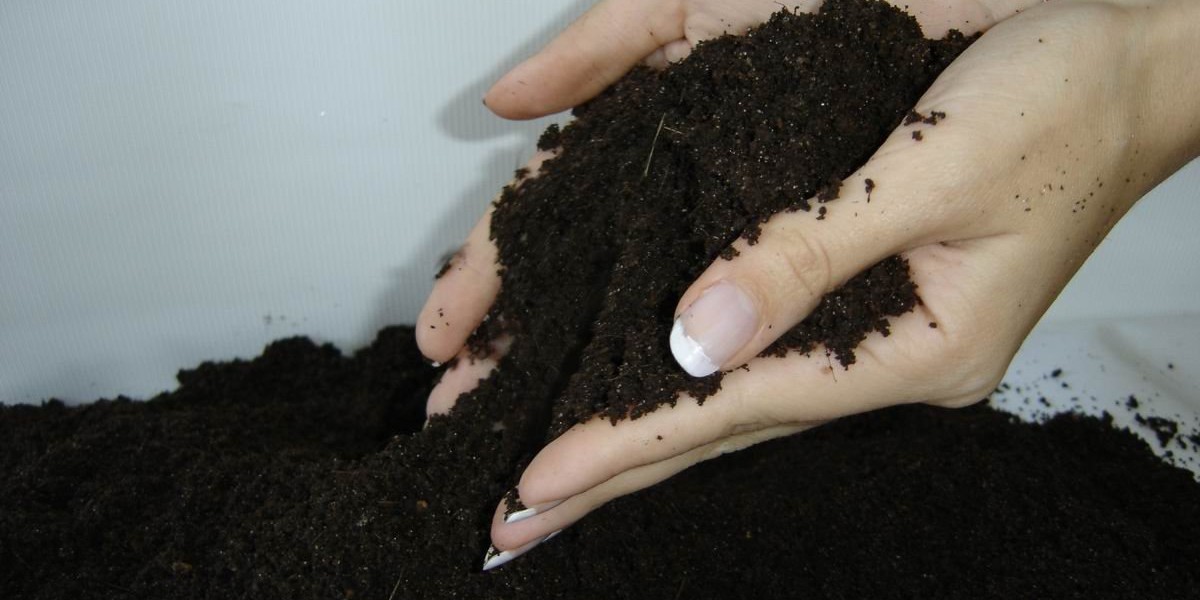

In rarer cases, you can accidentally bring in a parasite with a gift of a bouquet or on your clothes.
Symptoms of pest infestation and damage caused
Signs of spider mite infestation on plants are difficult to detect, as they are too small to immediately reveal their harmful presence. The main symptoms appear as the disease progresses:
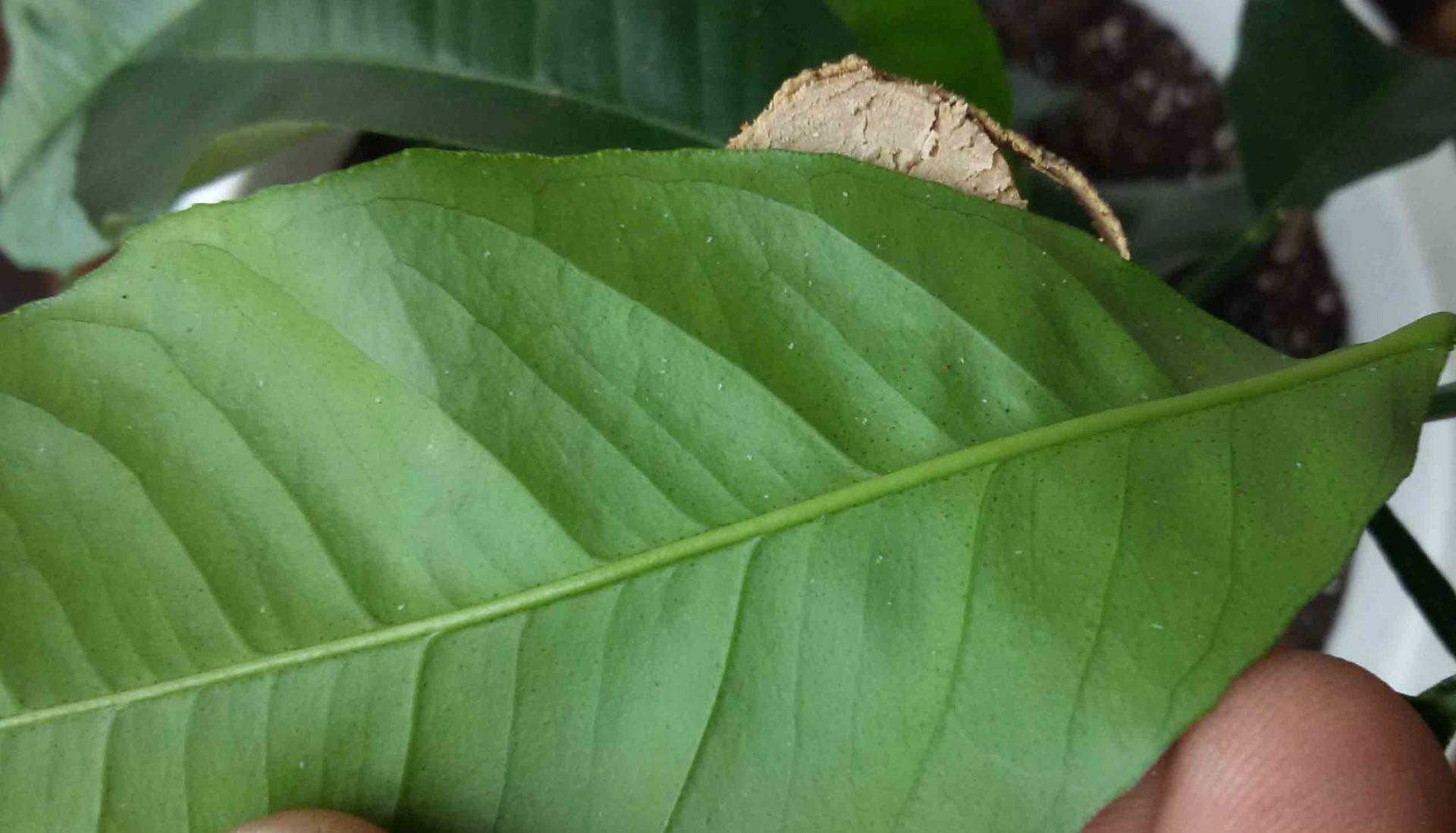
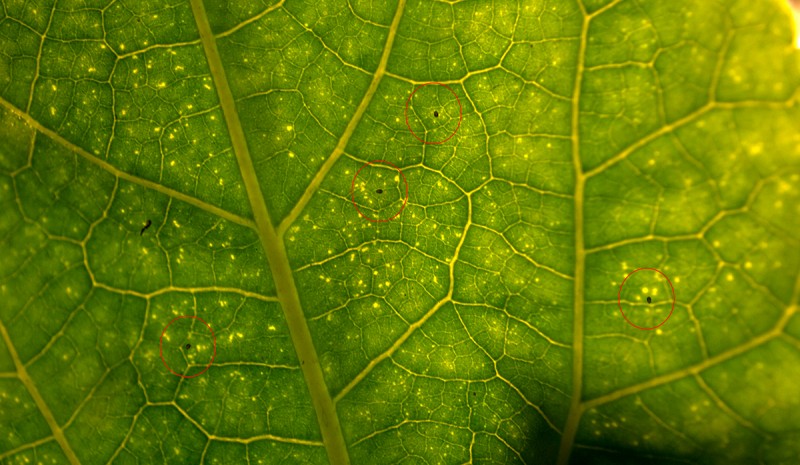
At the initial stage, the parasite's marks appear as tiny, scattered, colorless specks. This occurs because the parasite pierces the leaf tissue, causing the surface to die in these areas. As the disease progresses, the specks accumulate and grow into spots that are impossible to miss.
Spider mites leave small, transparent specks on the leaves.
By feeding on leaf sap, the phytophage excretes excrement. This waste resembles small black grains and is easily shaken off.
Spider mites leave waste on plants that look like tiny black dots.
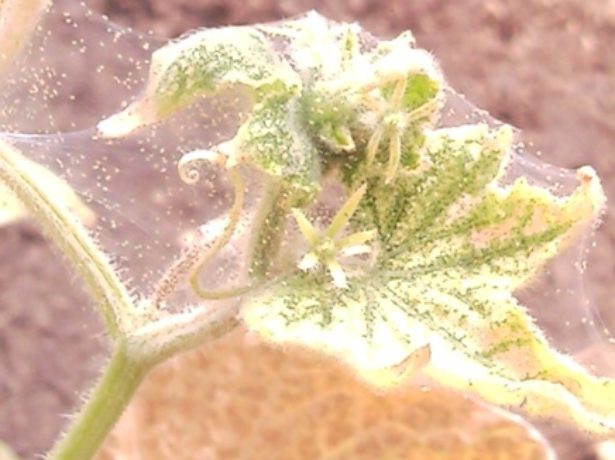
- The most obvious symptom is the appearance of webbing. It's very thin at first, but becomes thicker as the colony grows. If you don't immediately begin eliminating the parasite, the plant may die.
The fine webbing secreted by the parasite is easy to miss at first
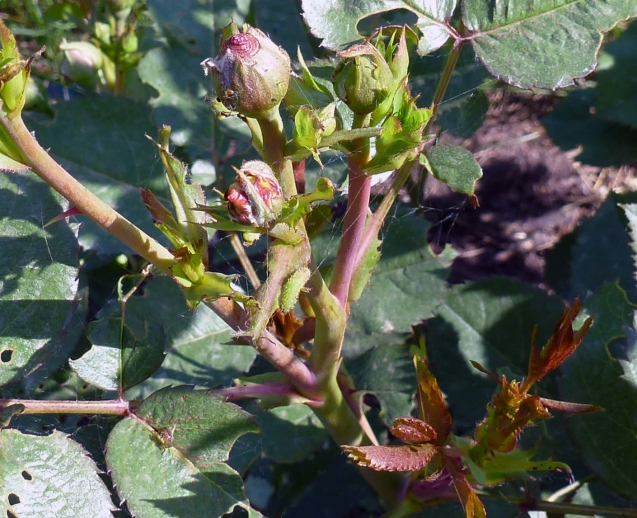
- The final stage of infestation is characterized by dried and fallen leaves, non-viable buds and flowers, and a large amount of webbing with visible mite infestations.
If left unchecked, spider mites can kill the plant.
Methods of controlling spider mites
Pests are controlled using folk, biological, and chemical remedies. Test their effectiveness on two or three affected leaves first to minimize potential damage.
Folk remedies
Their advantages include a gentler effect on the plant and the person caring for it. However, their downside is their lower effectiveness. The most effective measures, tested by plant specialists, are the following:
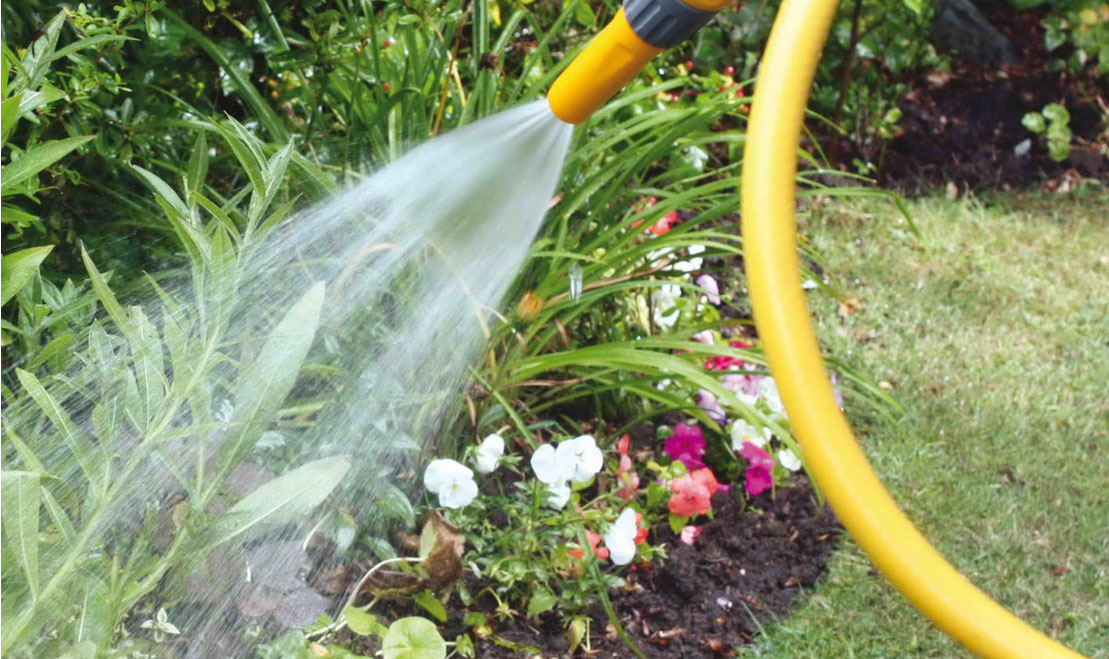
- Cold water dousing. Suitable for plants that are resistant to temperature fluctuations. The combination of high humidity and low temperatures is detrimental to most spider mite species. This method does not guarantee complete eradication of the colony.
To kill spider mites, the water must be cold.
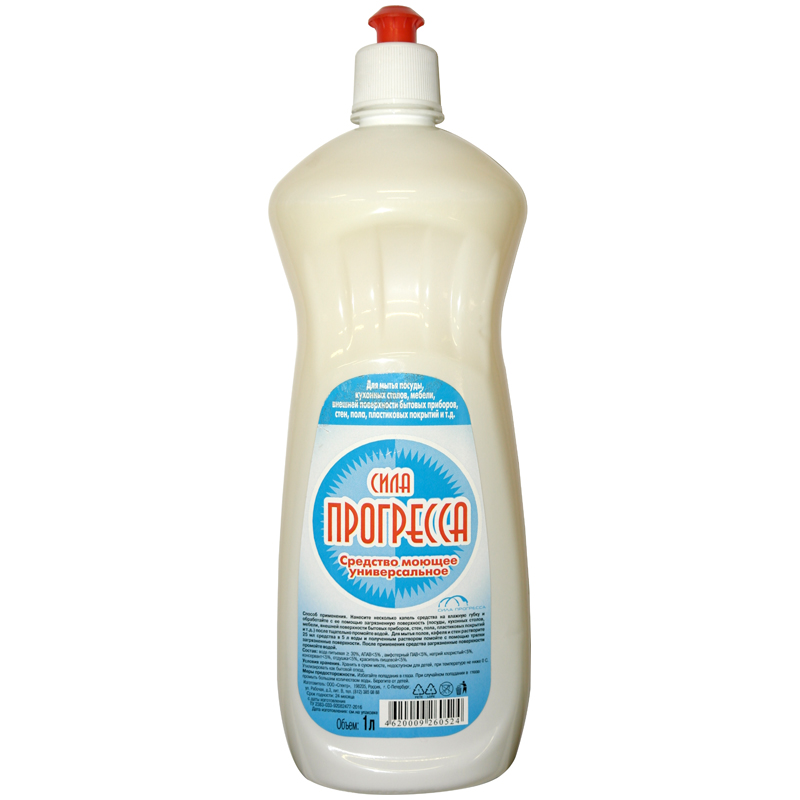
- Use dishwashing gel or pet shampoo with added Persian chamomile (pyrethrum). Mix the product with water, whip until it forms a stable lather, and then apply to the affected areas. After 20–30 minutes, rinse thoroughly with cold water.
Thick foam will remove spider mites from the plant.
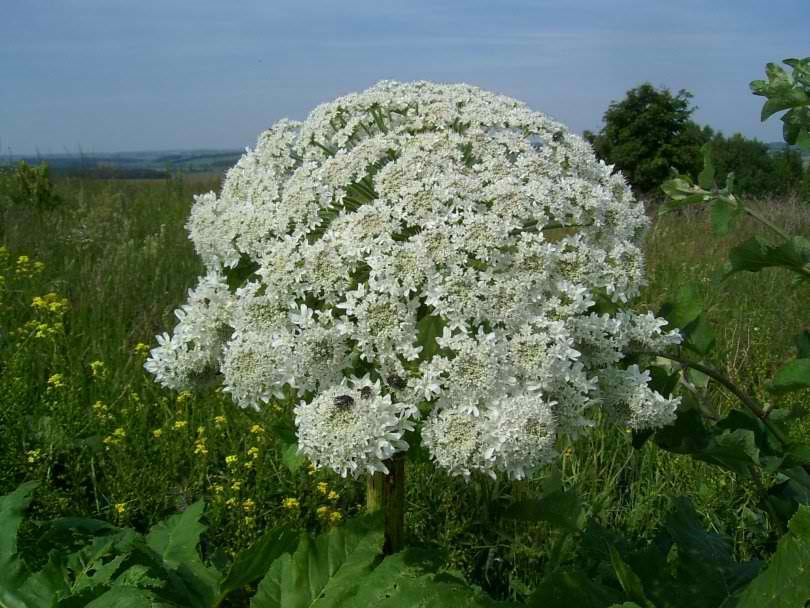
- Hogweed infusion. The crushed parts are ground with water at a ratio of 1 kg per 10 liters, then the liquid is squeezed out, and the plant material is diluted in 15 liters of water. After 12 hours, the infusion is drained and mixed with the previously obtained solution. Hogweed juice causes burns and painful blisters on the skin, and if it gets into the eyes, it can cause blindness. Therefore, when working with it, wear waterproof gloves (not fabric), long-sleeved clothing, trousers and protective glasses. Tools for collecting and chopping plants are washed well after use.
Hogweed infusion kills spider mites, but the plant is poisonous, so when working with it, wear protective clothing, glasses, and gloves.
- Persian chamomile infusion (5 g) and green soap (4 g). Mix the ingredients and add to 1 liter of water. Spray the plant with the resulting solution and rinse with warm water after 24 hours. Repeat the procedure until the parasites are completely eliminated.
The effect of green soap is enhanced by Persian chamomile.
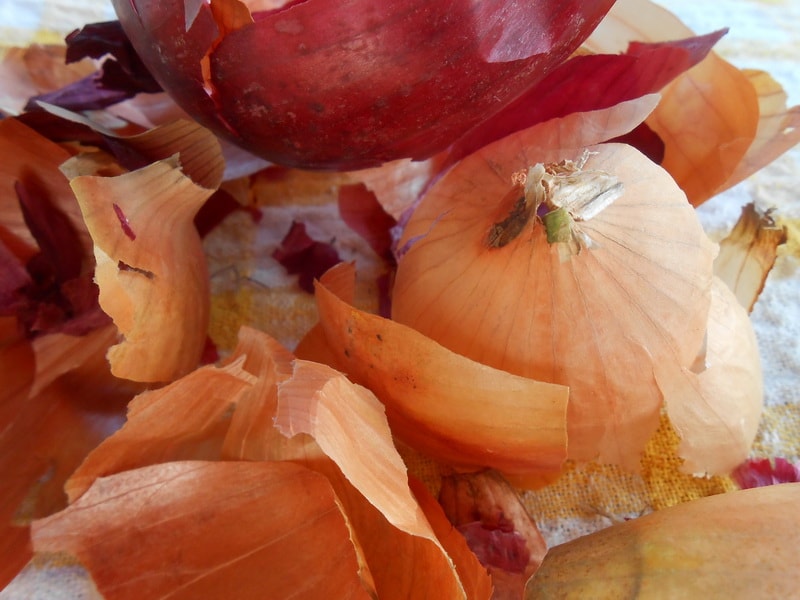
Onion peels (0.1 kg) and detergent (50 g). Infuse the peels in 5 liters of warm water for 12 hours. Strain and add the second ingredient, then apply the mixture to the plants.
A properly prepared infusion of onion peel can repel spider mites for a long time.
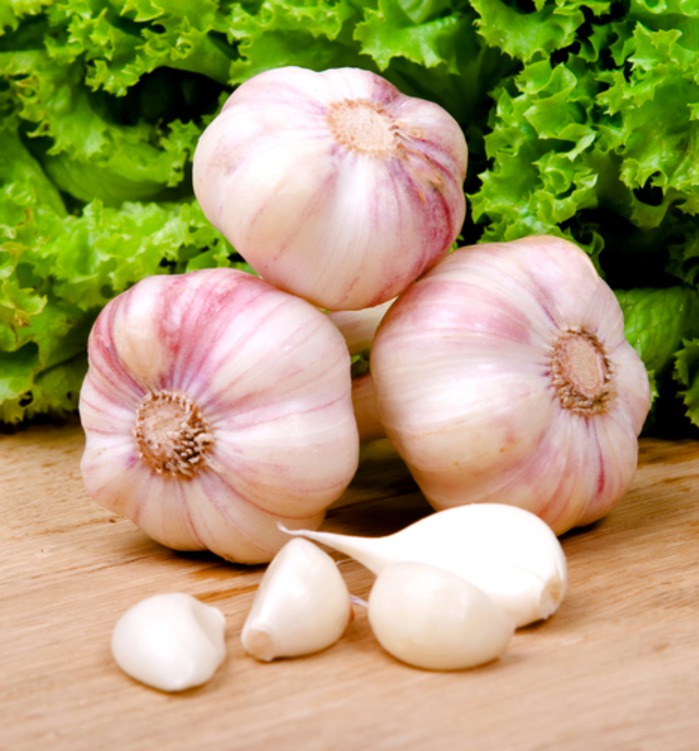
- Garlic. Soak 150 g of crushed garlic in a bucket of water and let it steep for 24 hours. Then spray the infected leaves. Place the chopped cloves nearby and cover the plant with impermeable plastic wrap, creating an environment unbearable for the pest.
Crushed garlic cloves repel spider mites
Fresh dandelion leaves. Use 500 g per 10 liters of warm water. Let the infusion steep for 2 hours and use freshly prepared.
- Tar soap (100 g). Dissolve it in a bucket of water. Spray the resulting mixture on plants 2-3 times a week.

Folk remedies provide short-term results and require constant repetition.
Biological methods
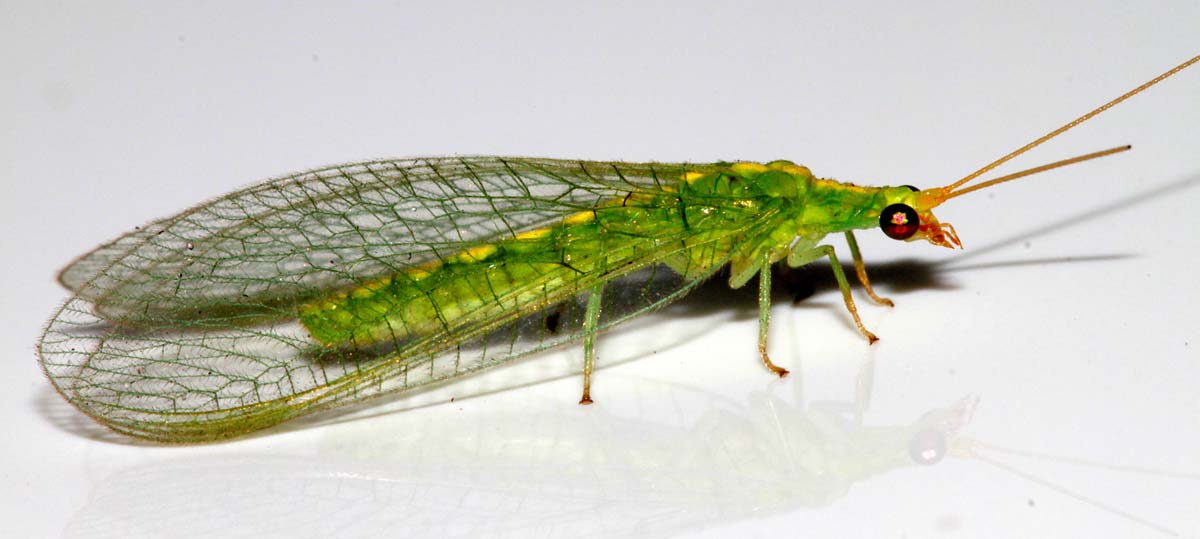
To naturally combat the pest, predatory acariphage insects that feed on mites are used. The following are most beneficial:
- lacewings;
The spider mite's natural enemy is the lacewing.
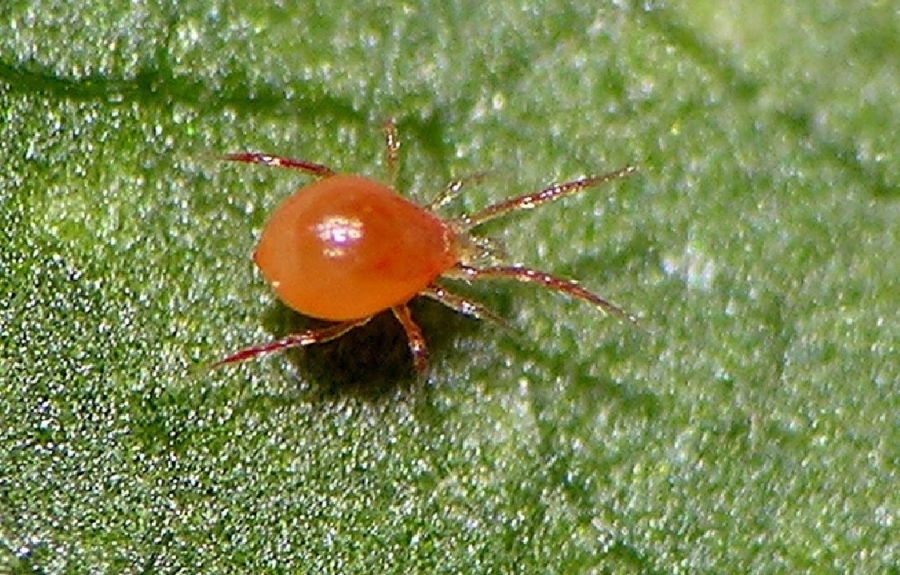
- Metaseiulus occidentalis is a predatory mite that is resistant to pesticides;
- phytoseiulus;
Phytoseiulus kills spider mites
- Amblyseius (Californian or Mackenzie).
The biological method is safe for plants, animals, and humans and is highly effective. Its drawback is that it can only be used on plants grown outdoors and on an industrial scale.
Chemical treatment
Since spider mites are arachnids, most insecticides used to kill them are ineffective against them. Dangerous parasites are destroyed with special preparations - acaricides or insectoacaricides. According to the type of action on the parasite’s body, they are divided into intestinal, contact and systemic.
Chemical spider mite control products are toxic. Acaricides, insectoacaricides, and similar products can be used only if instructions are strictly followed and sanitary and safety regulations are observed. The plant should be treated using personal protective equipment, outdoors if possible. Afterward, the plant should be stored in an area inaccessible to children and animals.
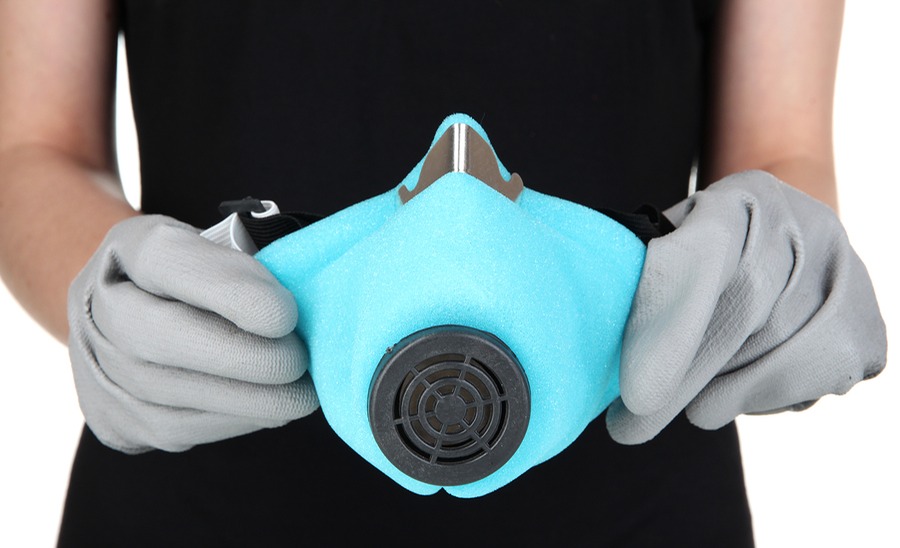
When working with chemicals, you must use gloves and a respirator.
The optimal balance of efficacy and safety in use was demonstrated by drugs based on avermectin, clofentezine and abamectin:
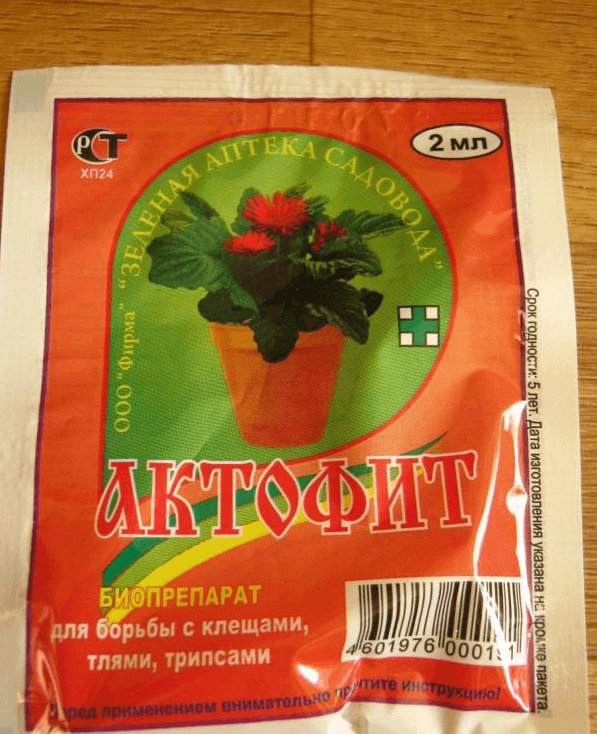
- Actofit. Apply only in dry, clear, and windless weather, at temperatures above 18°C. The active ingredient is avermectin C, a highly effective neurotoxin of biological origin. It paralyzes the tick, causing its death. Overdosage does not harm the plant.
A chemical tick repellent with a biologically derived active ingredient – Actofit
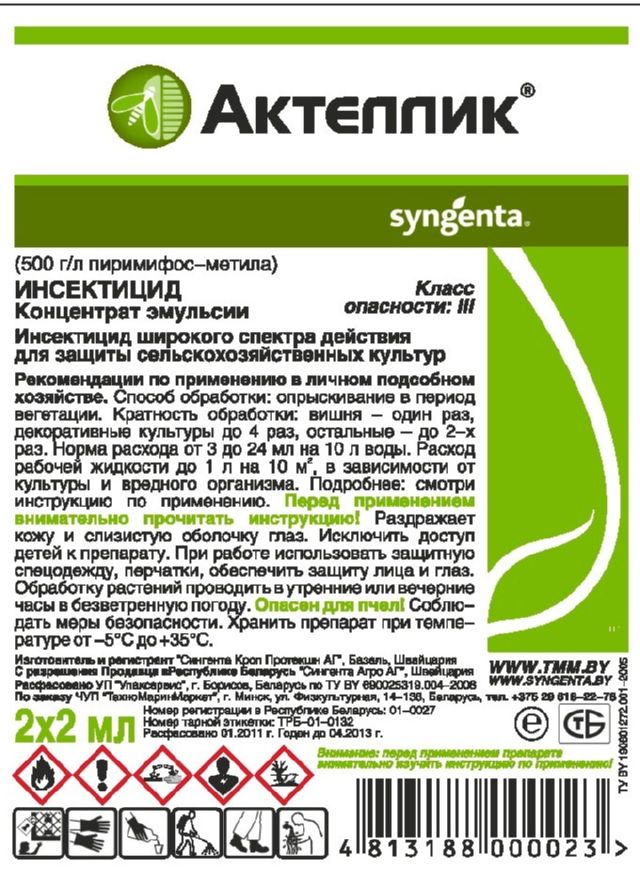
- Actellic. An organophosphorus compound with the active ingredient pirimiphos-methyl. It destroys parasites by entering the body through food and the respiratory system.
A powerful acaricide with intestinal and contact action – Actellic
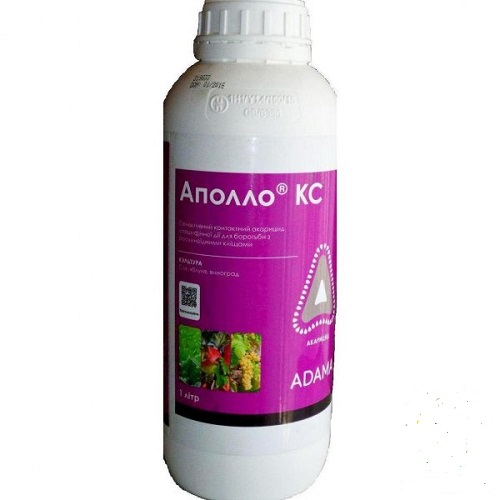
- Apollo. It has a long-lasting effect (up to 90 days) and contains the active ingredient clofentezine. It is virtually safe for most beneficial insects, bees, and humans.
The action of the drug Apollo is aimed at sterilizing adult individuals and destroying larvae and eggs
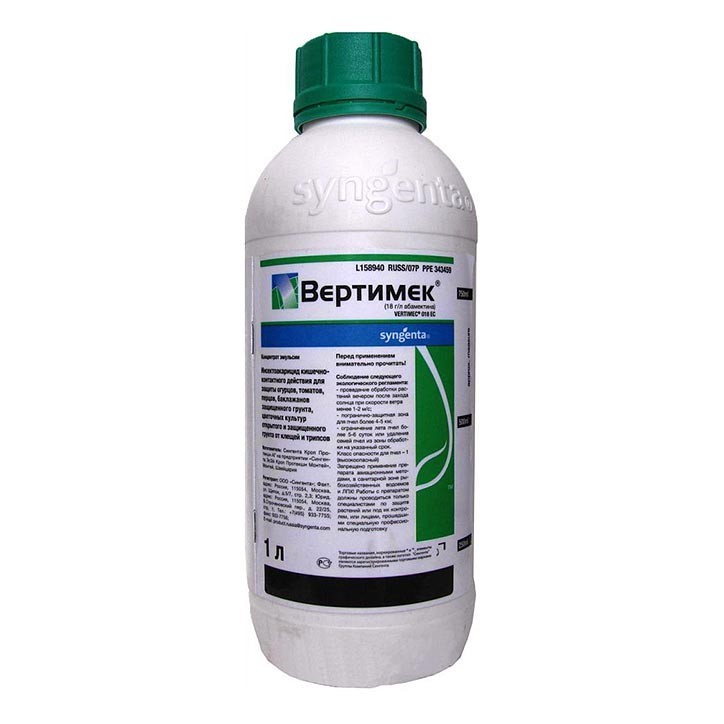
- Vertimek. It targets the nerve impulse inhibition response of spider mites. The first signs appear within 2-3 days, followed by complete paralysis and death of the pest. This medication is especially effective when combined with other agents that have a different mechanism of action.
Vertimek is a drug with intestinal and contact action based on abamectin.
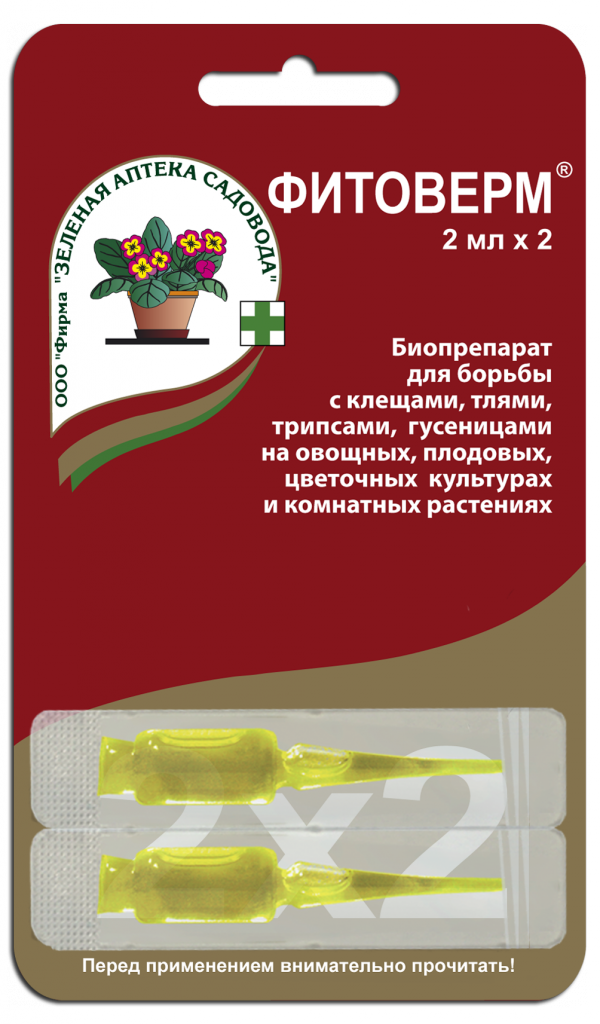
- Fitoverm. The active ingredient is avermectin C. It paralyzes the pest but does not affect the eggs because they do not require nutrition. Effective in hot weather.
Insectoacaricide with contact and stomach action - Fitoverm
Since spider mites can adapt to poisons, it's best to combine and alternate treatments. All equipment used when handling plants should be thoroughly cleaned and washed.
Effective modern treatments don't eradicate the entire spider mite population immediately. Larvae or intact eggs remain in the soil, while individual females hide and wait out the treatment's effects. Therefore, complete eradication requires at least two treatments, spaced 5-6 days apart.
Preventive measures
It's easier to fight illness by preventing it. Follow these rules:
- First, quarantine purchased plants: place them separately from other flowers (or fence them off with thick material on the ground) for the period required for the first signs of spider mite infestation to appear—about a month.
- Thoroughly disinfect soil for fertilizing or repotting by freezing or heating it. The latter method produces better results, but also destroys beneficial microorganisms.
The soil calcination procedure can be carried out in a regular oven.
- Disinfect plant care equipment.
- Spider mites do not tolerate sunlight well, so use ultraviolet lamps for prevention.
For best results, UV light should be directed towards the lower parts of plants.
- In open areas, remove plant debris and thoroughly dig up the soil in the fall.
When digging the soil, carefully break up large clods
- Treat greenhouse structures with protective solutions before the onset of cold weather.
- Most spider mites don't tolerate moisture. Water and mist your plants regularly. Neem oil will enhance the effect: add a few drops to the water you're spraying.
Neem oil added to water for spraying plants is an effective spider mite preventative.




The danger of spider mites for people and animals
Phytophages live and feed exclusively on plants, so they cannot directly harm humans or animals. Their danger lies in their nervousness and concern for their beloved plants. In rare cases, some types of parasites cause allergic reactions due to individual intolerance.
Killing spider mites takes time and patience. If precautions fail and signs of the disease appear, use one or more of the suggested methods and begin treating the plant. Once cured, it will delight you with a healthy appearance and lush foliage.