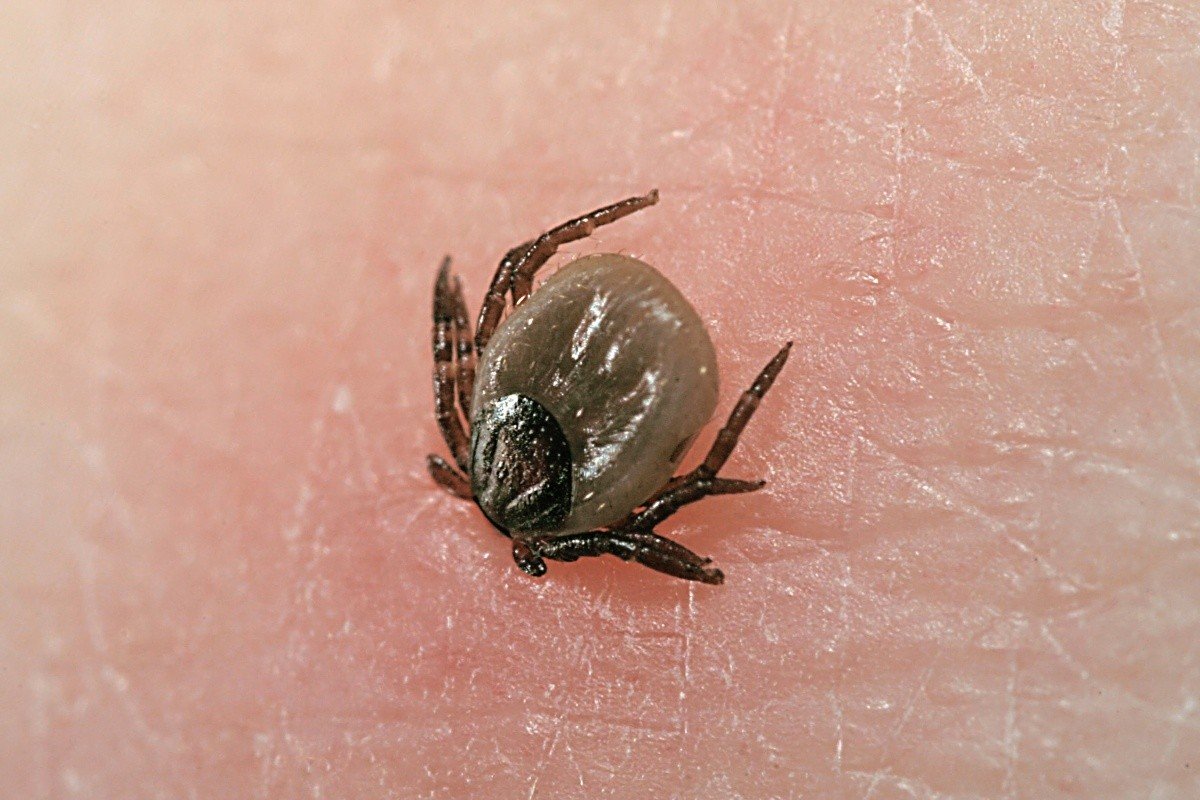
A fun outdoor activity or a simple walk in the park can be ruined by the bite of a nasty insect like a tick. These arachnids cause acariasis (a disease in humans and animals) and also transmit numerous infectious diseases. Therefore, if you suspect a tick bite, or if you find an insect embedded in your skin, you should provide first aid as quickly as possible and seek medical attention.
Content
First aid
Before discussing the first steps to take when bitten by a tick, it is important to list the symptoms that indicate contact with the insect:
- Weakness;
- Drowsiness;
- Muscle pain;
- Aches in the joints;
- Nausea;
- Vomit;
- Headaches;
- Increase in temperature;
- Photophobia;
- Lowering blood pressure;
- Tachycardia;
- Enlarged lymph nodes;
- Difficulty breathing;
- Allergic reactions;
- Neurological disorders.

Weakness and headaches can be caused by a tick bite.
Considering that the insect bite is not accompanied by pain, the tick can remain on the human body for a long time unnoticed. This is why it is so important to dress before going out to potentially dangerous places, leaving no exposed areas of the body, and to inspect the skin for bloodsucking infestations upon returning home.

When going out into nature, dress in such a way as to cover your body with clothing as much as possible.
Ticks are most commonly found in the ears, armpits, chest, neck, abdomen, lower back, and groin. The bite site is painless, but exposure to the insect's saliva causes inflammation, accompanied by a rounded red area.
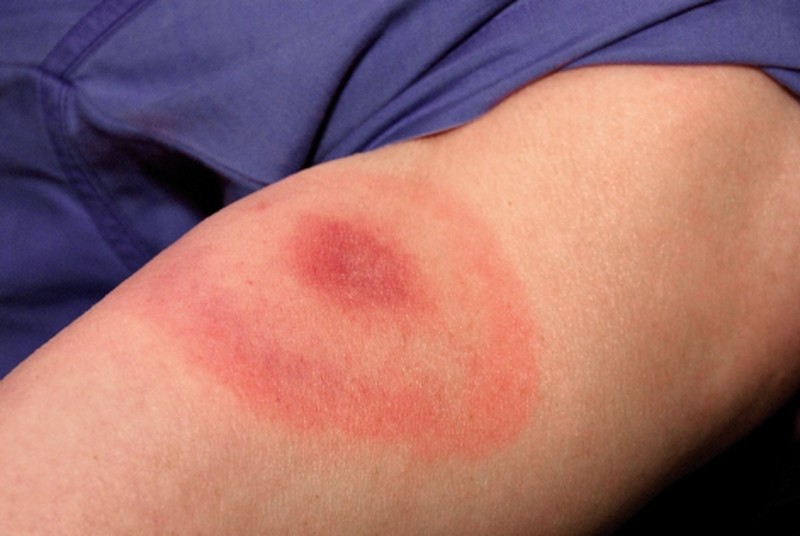
The site of the tick bite becomes inflamed and red.
As mentioned above, in addition to the risk of a severe allergic reaction, ticks can infect humans with dangerous infectious diseases. These include:
- Tick-borne encephalitis;
- Borreliosis (Lyme disease);
- Typhus and relapsing fever;
- Ehrlichiosis;
- Tularemia;
- Babesiosis;
- Several types of fever (Marseilles, hemorrhagic, spotted, Tsutsugamushi);
- Rickettsiosis and others.
Video: Risk of infection from a tick bite
Note: A single insect can carry up to 6 different infections simultaneously!
If you find a tick on your body, you need to act quickly. However, don't rush to simply pull out the insect that's embedded in your skin, as part of the tick—specifically, its head or proboscis—may break off and remain inside, which can lead to severe poisoning. The parasite's salivary glands are a repository for concentrated virus! Furthermore, a foreign body of animal origin causes inflammation in the human body.
How to remove a tick
Once you've found the tick, soak the bite site with an antiseptic solution (such as hydrogen peroxide). Using tweezers or a thin thread (silk is best), gently grasp the tick at the end of its proboscis and gently remove it using a rocking or twisting motion. Remember that ticks enter the skin clockwise. Therefore, remove the tick using smooth, counter-clockwise movements, trying to keep the tick perpendicular to the skin. Do not rush or make any sudden movements, as rupturing the insect's body may worsen the situation. If, despite all the caution, part of the tick remains in the wound, carefully remove it using a disinfected pin or needle.
Video: How to remove a tick correctly
Important! Do not apply vegetable oil, alcohol or alcohol-containing liquids, glue, kerosene, or gasoline to the wound. Fats and glue clog the tick's breathing hole, and when stressed, the insect releases the maximum amount of harmful substances. Applying hot liquids can encourage the tick to burrow even deeper into the skin.
In addition to tweezers (surgical or, in extreme cases, cosmetic) or strong thread, a special tool, available at pharmacies or pet stores, is also used to remove ticks. Some of the most well-known devices of this type include the Anti-Kleshch pliers (Russia), Tick Twister (France), Trixie (Germany), Tick Key (USA), Trix Tick Lasso (Sweden), and others.
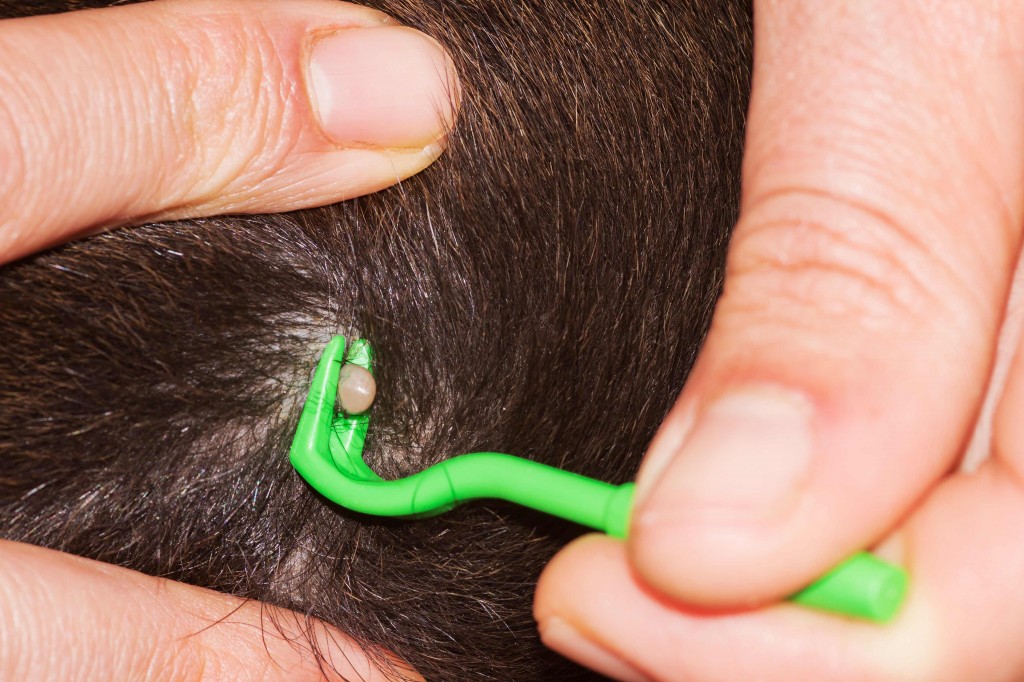
Special tools for removing ticks are very easy to use.
If none of the above is available, you can remove the tick with your fingers. First, wash your hands thoroughly with soap, wrap your fingers in gauze or a bandage, and carefully remove the tick, taking care not to crush or tear it.
Wound treatment
After the tick has been removed, the bite site must be treated. It is strongly recommended not to apply alcohol-containing solutions to the wound, as they can cause burns and complications. Treatment should be carried out as follows:
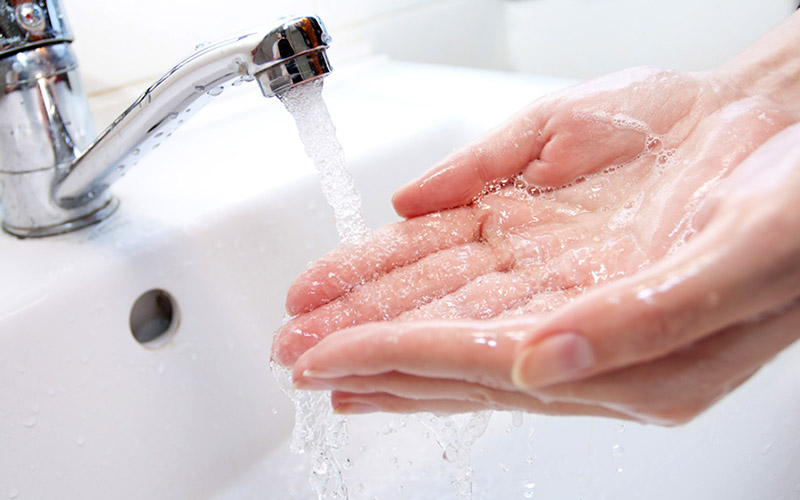
- Wash your hands thoroughly with soap;

Before removing a tick, hands must be washed or treated with an antiseptic.
- Treat the area around the wound with a disinfectant;
Using a cotton pad or a piece of gauze, treat the skin around the wound with an antiseptic.
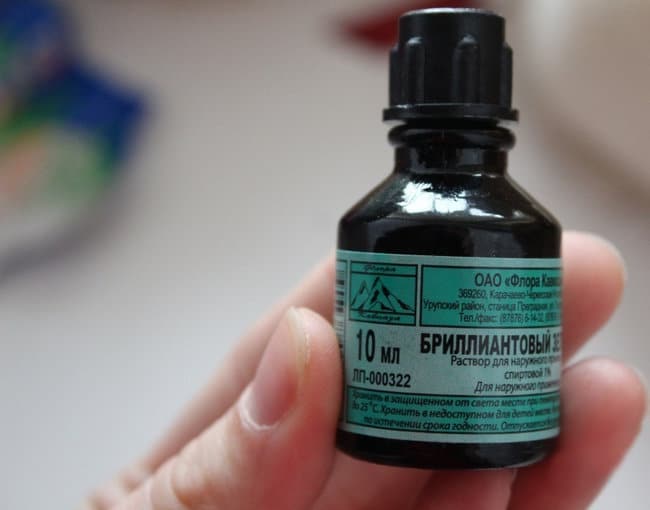
- Gently apply a small amount of brilliant green solution to the wound. This medication is ideal for treating the bite site because it doesn't irritate the skin, has an excellent antiseptic effect, and coats the skin with a thin protective film, preventing the penetration of other infections and contaminants.
Apply a small amount of brilliant green to the affected area.
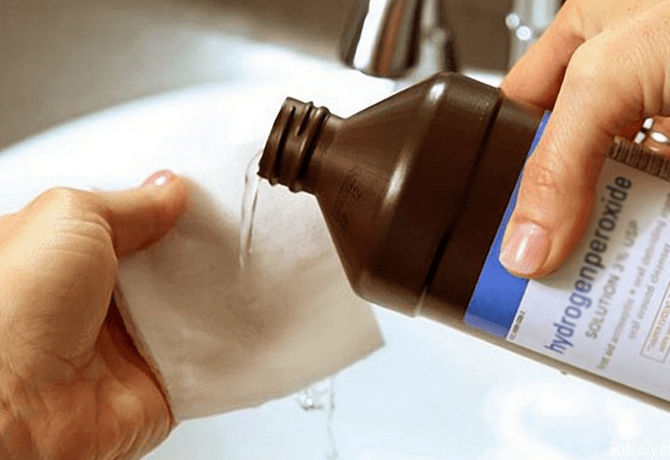
Note: You can treat the wound with iodine solution or hydrogen peroxide. These medications have less protective properties.
If there is severe and prolonged itching at the site of the bite, you can use Fenistil antihistamine gel or Panthenol spray.
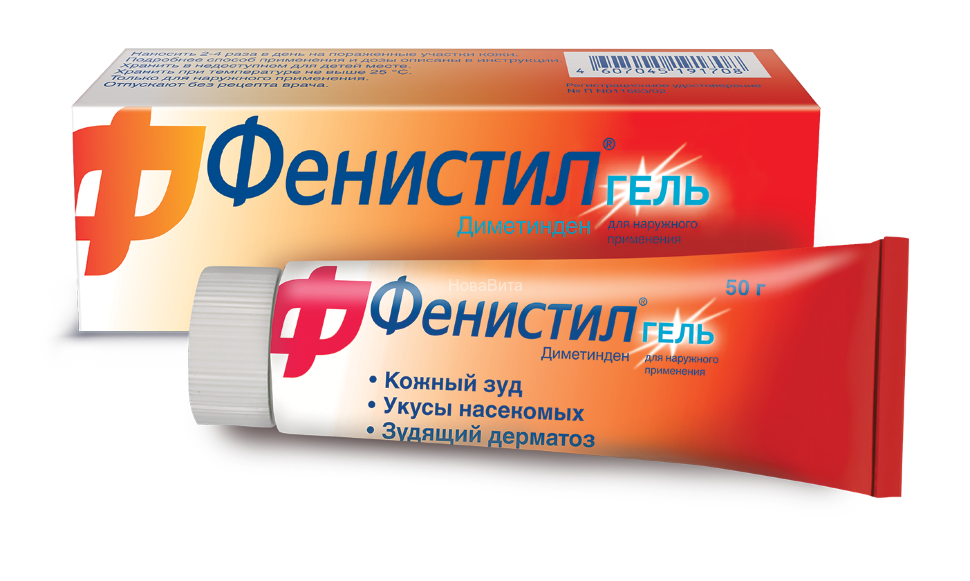
Fenistil gel will help relieve skin itching.
Emergency prevention
To prevent illness after a tick bite, seek qualified medical attention at a medical center! Avoid relying on questionable sources of information and taking any medications without consulting a doctor. To protect against tick-borne encephalitis, you may be prescribed:
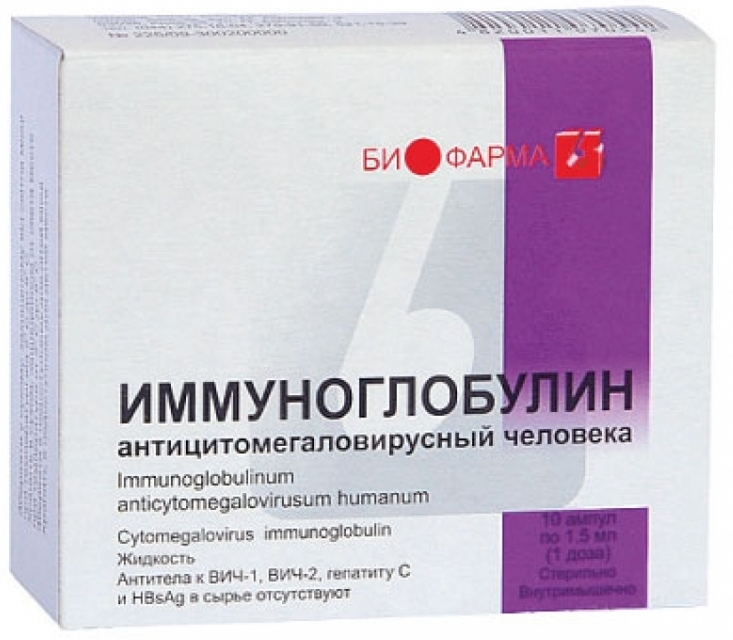
- Immunoglobulin. This medication contains concentrated antibodies that fight tick-borne encephalitis. It has a number of side effects, including anaphylactic shock. It's an expensive preventative measure with an effectiveness rate of over 60%.
Immunoglobulin is one of the most popular preventative drugs for tick bites.
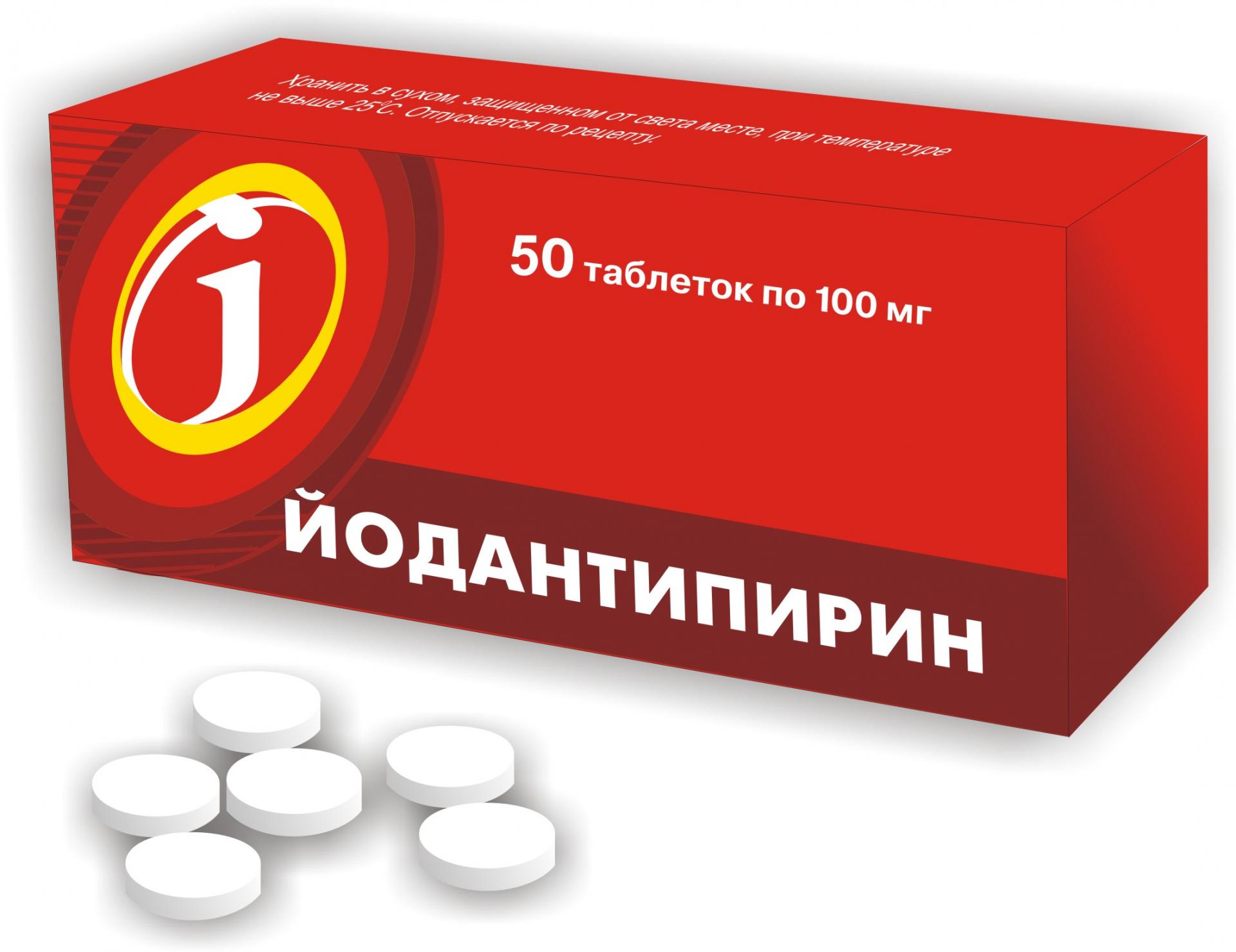
- Iodantipyrine. An inexpensive immunostimulant and antiviral agent with no contraindications and no side effects;
Yodantipirn is an excellent antiviral drug with good tolerability.
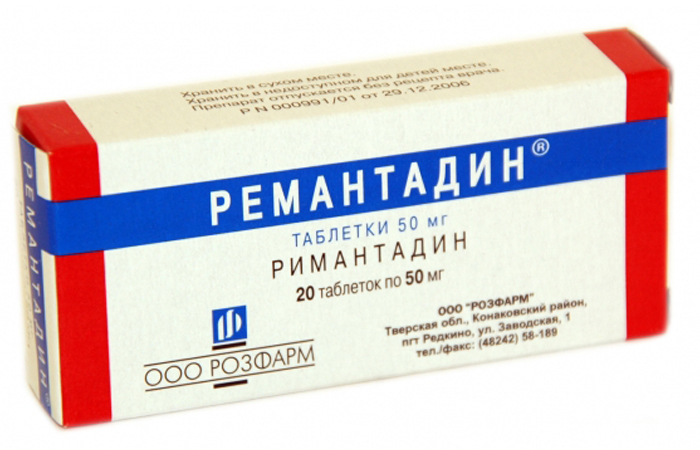
- Remantadine. Used for the prevention of influenza. Given its low activity against tick-borne encephalitis, it is prescribed for the prevention of this disease within 2 days after an insect bite.
Remantadine is an antibiotic with weak activity against the encephalitis virus.
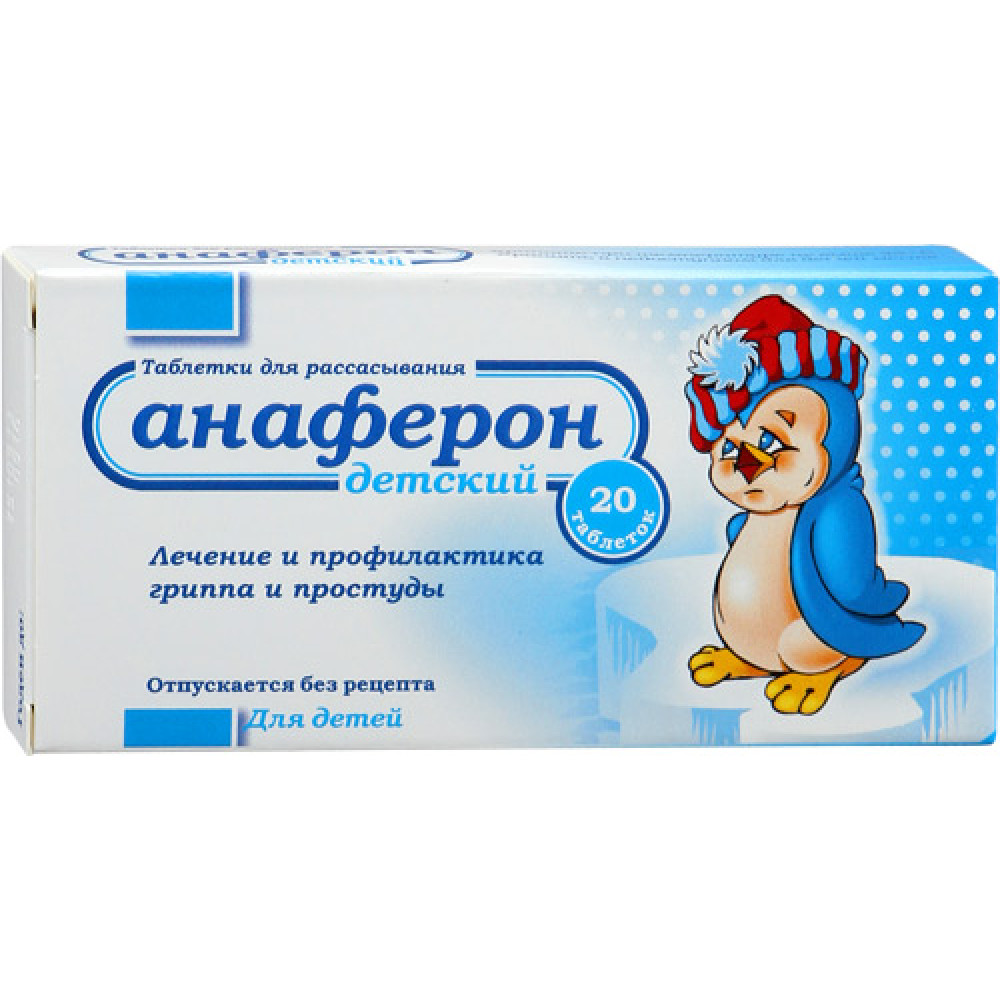
- Anaferon. A broad-spectrum immunomodulator. Prescribed for children under 14 years of age.
Anaferon is used as a preventative measure for the youngest victims of parasites.
Important! Emergency disease prevention after a tick bite has time limits. It is essential to seek medical attention as soon as possible, but no later than 1–2 days after the tick bite.
In addition to the medications described above, after a tick bite, a healthcare professional may also prescribe a course of antibiotics to protect the body from other tick-borne infections. Among the insects submitted for laboratory testing, a high percentage are ticks infected with the Lyme disease virus, for which there is no vaccine. Antibiotics used for prophylactic purposes include:
- Augmentin;
- Doxycycline;
- Ampicillin;
- Penicillin;
- Amoxicillin;
- Cefuroxime;
- Azithromycin;
- Clarithromycin;
- Tetracycline and others.
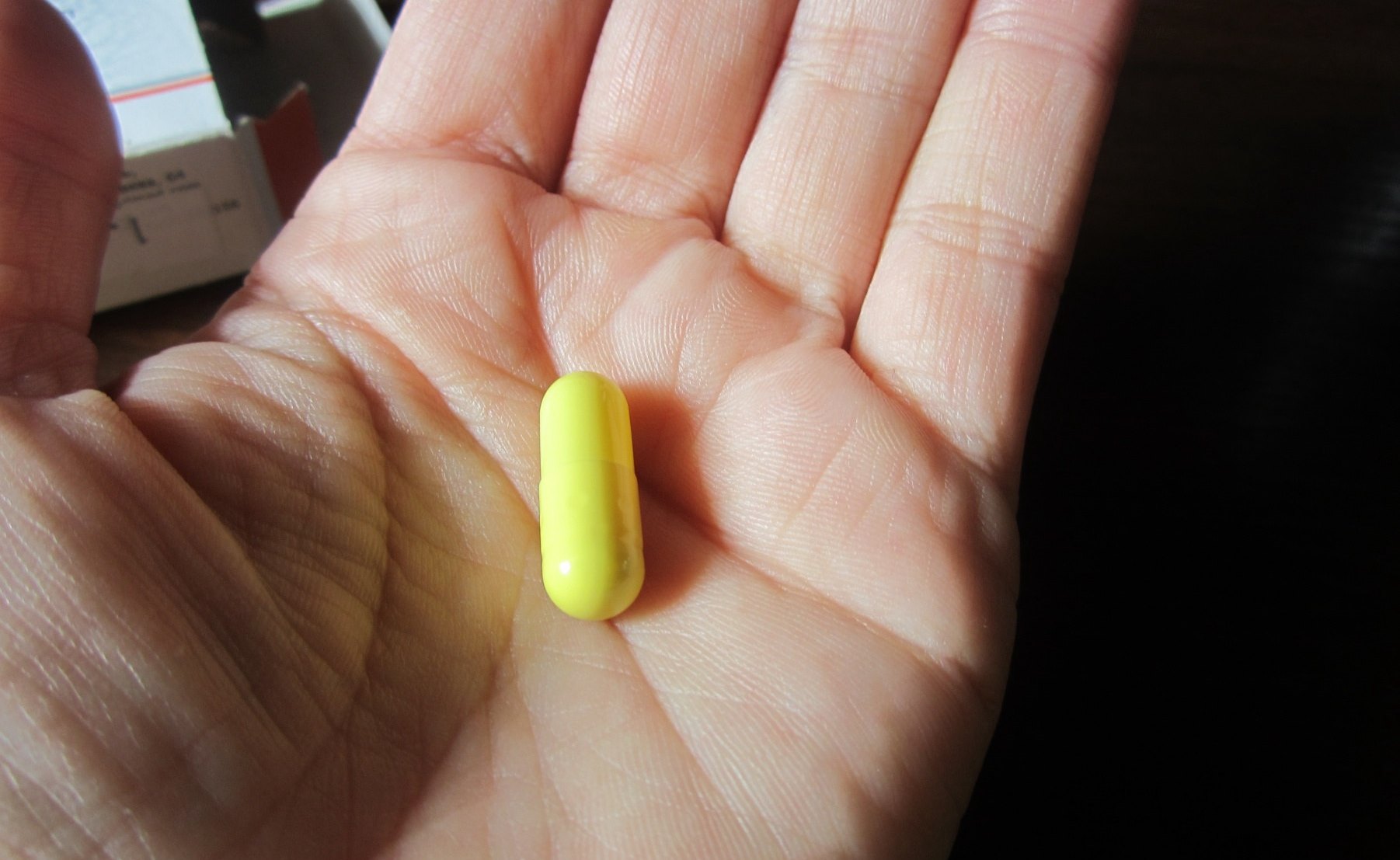
Antibiotics for tick bites should be taken as prescribed by a doctor.
In addition, during antibacterial therapy the following may be prescribed:
- Detoxifying agents (vitamin C, Atoxil, Albumin);
- Antihistamines (Claritin, Suprastin, Diazolin);
- Painkillers (Ibuprofen, Paracetamol);
- Immunostimulants (Immunal, Imudon, Timogen);
- General tonic (vitamins A, B and C);
- Probiotics (Linex).
Caution! Emergency preventative measures after a tick bite should be prescribed by a specialist. Uncontrolled use of medications can worsen the situation and lead to serious consequences!
What to do with a tick after a bite
Once you've removed the tick from your skin, don't throw it away! A medical test will determine the tick's infectivity and prescribe the necessary treatment.

Only special laboratories can determine the danger of a tick bite.
Procedure:
- Carefully remove the insect from the skin, being careful not to crush or tear it;
It is advisable to deliver the tick to specialists alive and unharmed for analysis.
- Place the tick on a cotton pad soaked in water and place it in a small container with a screw-on lid or a plastic bag with a clip;
The tick must be stored and transported in a tightly closed container.
- Store the insect in the refrigerator until it is ready to be taken to the laboratory.
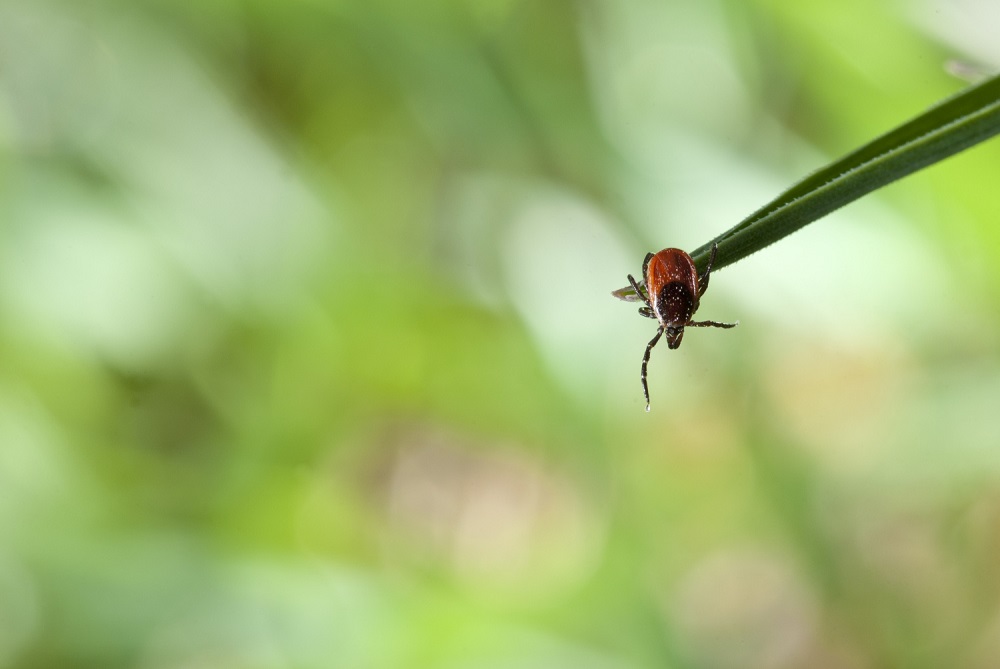
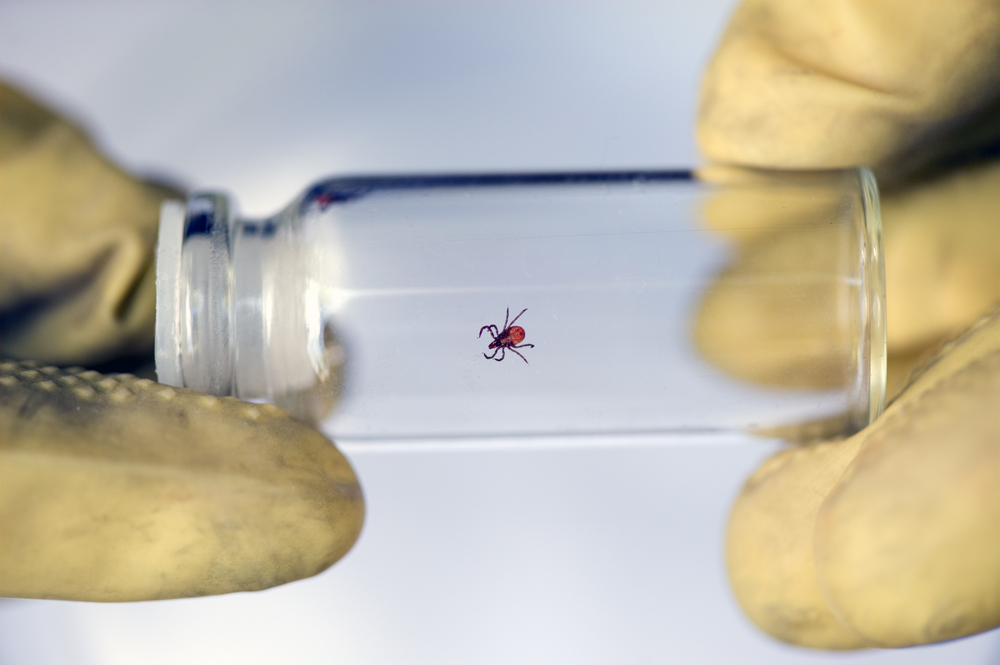
If the tick dies during tick removal, it should be submitted for analysis as soon as possible, as a reliable analysis can be performed within 3 days.
You can find out the addresses of laboratories where you can submit the tick that bit you for testing at your nearest medical center or through online resources.
Video: Tick Bite Symptoms, First Aid, and Aftermath
Reviews from people who have experienced tick bites
I removed the ticks with my fingers. In all cases, I removed them completely and very quickly; the tick had already attached itself, but it didn't last long. Incidentally, when a tick attaches itself to areas "unusual" for it, where the skin and fat are thicker, it sinks in much faster than when it attaches itself to areas with thinner skin.
A tick isn't dangerous until it bites and a test comes back positive... A loved one was bitten by a tick this year in North America, in the highest risk zone for Lyme disease—the East Coast (alas, we found out later). The tick wasn't even visible; it was a larva. We noticed it by chance, thinking it was a small mole or something... We were able to see it by photographing the spot and zooming in (I still have the photo). It was difficult to remove... with tweezers... Well, everyone immediately forgot about it, of course... but after a while, all the symptoms described for Lyme disease began (of course, we read about them later, thinking it was just some kind of infection). We got tested only in Moscow two weeks later. The result—infection. Infectious diseases hospital, prescription of cheap Soviet antibiotics (replaced with imported ones). Antibiotics seriously damage the liver, you need to take liver support medications... overall, not good.
It's interesting how different things are in different countries. I live in Sweden, and here, if you get bitten by a tick, you have to pull it out immediately. No oil—they say it will inject even more saliva, increasing the risk of disease. You can either pull it out with tweezers, grasping it as close to your skin as possible, or use special loops. After you pull it out, you have to examine the tick and make sure the proboscis is still attached and not stuck in the wound. If it's still attached, expect it to fester. No one does any tests or vaccinations (you can get vaccinated voluntarily at the beginning of summer).
...In short, the only way to prevent encephalitis is vaccination. Immunoglobulin after the fact doesn't always help. I've personally seen meningeal forms of tick-borne encephalitis in children that developed despite immunoglobulin administration. I admit that the dose was too low, or the medication was improperly stored (the children were from rural areas, and they were given immunoglobulin at first-aid stations). But still!
I was given a tick-catching device called the Uniclin Tickwister. The principle is sound—the tick isn't squeezed like with tweezers, or even slightly squeezed at all. It's grasped from below, twisted around its axis, and removed. It's a clever approach, but I haven't tried it yet. Emergency rooms have similar ones, and there are also lasso-type loops.
We filmed it in harsh field conditions on a twitching and frightened child, and no matter how hard we tried, the head remained in the skin. We heated the needle in a fire, pulled it out like a splinter, and treated it, of course... Nothing happened, it didn't fester, but it itched, though later, and we had to make sure he didn't scratch it, and the redness lingered for a while. We also gave him children's Anaferon, since the area was supposedly endemic for tick-borne encephalitis, but he didn't get sick. This whole thing happened in May. We were scared, of course... It's good we knew about Anaferon, otherwise we would have panicked.
The oil makes the tick burrow even deeper into your skin!!! If you're really worried about getting sore: if the head has come off, try to dig it out with tweezers, a needle... whatever, periodically applying sleeping pills:)) If you have a healthy immune system, you won't get sick at all. But to be on the safe side, there's a brutal but effective method: cauterize the bite (for example, with a cigarette)... I've done it myself)))
While traveling, I carried cologne as an antiseptic. After I sprayed it on the bite (and some got on the tick), the tick deflated, blew bubbles (literally), and transformed from a springy little bug into a wet, dead rag that couldn't be unscrewed or torn off without tweezers. I had to cut it with a knife...
The best way to remove a tick is to apply a few drops of Bars (like "Bars") to it. The tick immediately begins to wiggle, detaches, and dies within about a minute. It's easy to pull the whole tick out, even by hand, but tweezers are better, of course. I've had to remove ticks from dogs (unfortunately, they sometimes picked up ticks between treatments) and from myself a couple of times, but the results are consistently good. These drops are sold in pet stores and are intended for application to the withers of the animal. We used to buy them only for our dogs, but now we always carry them for ourselves, just in case.
I've never used any special tools to remove ticks. All you need is a regular thread. Make a loop, place it over the tick's proboscis, and tighten. It usually takes a few tries, as the loop tends to slip. Then, gently twist the thread, and thus the loop holding the tick, counterclockwise. The direction is important: you need to twist counterclockwise; if you twist the other way, you'll twist the tick. Three to five turns are enough. With this method, I spend more time searching for the thread than actually removing it.
A tick is a small but very dangerous insect, and its bite can have very serious consequences! Be careful and don't neglect medical attention, as timely testing and preventative measures can save your life! Perhaps you've already encountered this unpleasant parasite? Share your experience in a similar situation by leaving a comment below. Stay healthy!