Ticks are among the most ancient inhabitants of the planet. And their bites are not uncommon. However, recently, there has been too much talk about the consequences, which can lead to serious illness, disability, and even death. Therefore, it's important to know what steps to take if a bite has already occurred.
Content
What to do if bitten by a tick
The most important thing is not to panic! Even if a bite occurs in an area where tick-borne encephalitis is endemic, there's no guarantee you'll become infected. Only 2 to 10% of ticks carry this dangerous virus, depending on the region. Furthermore, in some cases, the human immune system fights it off on its own, and the bites pass without any serious consequences. However, another scenario is possible: an infectious agent enters the bloodstream through the parasite's saliva, which subsequently develops into a very dangerous disease. Therefore, it's crucial to take a number of measures to ensure your own safety and health.
Sequence of actions after a bite:
- Remove the parasite from the skin.
- Place the tick in a jar or bottle with a tightly closing lid.
- Treat the bite site with an antiseptic.
- Within 24 hours, submit the tick to a laboratory for testing for the presence of viruses.
- See a doctor for an examination, referral for tests and, possibly, further treatment.
- Get tested for viral infections.
- Carefully monitor your own condition for one month after the bite.
How to remove a tick
It's important to remove a tick as soon as it's noticed. The longer it remains inside, the more infected saliva it will release, and the higher the risk of infection. This is where the popular saying "delay is death." There are several ways to remove the parasite. It's important to do it correctly.
- The tick must be completely removed and remain alive. This is necessary so that it can be subsequently tested for viruses dangerous to humans. Furthermore, the external portion of the tick contains a large concentration of pathogenic viruses. If crushed, these viruses will enter the human bloodstream through the broken skin at the bite site and cause infection.
- The parasite should be removed using rocking and rotating movements. Try to lift it a little and turn it counterclockwise. The main thing is, don't try to pull it out of your skin. This will cause the parasite's head to detach and remain inside. This will result in inflammation and suppuration at the bite site. You'll still have to remove the severed head from the skin, so it's best not to let it come to that.
- When removing the tick, do not squeeze the abdomen. Like the salivary glands, it contains a large concentration of various viruses and microbes. When squeezed, all of these are forced under the skin by the backflow of saliva and enter the bloodstream. Furthermore, squeezing a tick carries a high risk of crushing it.
With a special device
Several versions of this device are currently available commercially, manufactured by various companies in Germany, France, Sweden, the USA, and Russia. For example, Twister Uniclean, Nipper, Trixie, Pro Tick Remedy, Anti-Kleshch, and others. All of them provide quick and easy tick removal from the skin and offer several advantages over other methods.
- They guarantee a 100% result of removing the parasite from the skin entirely, without leaving the mouth apparatus inside.
- They don't compress the tick's body, which means they minimize the transmission of pathogenic viruses during removal.
- They ensure a painless process, do not pinch the skin or hair, and do not have any side effects.
- They allow you to remove a tick in a few seconds, regardless of its location on the human body.
Some companies produce devices in different sizes for large and small ticks, such as the Tick Twister Uniclean or Trixie. These devices remove not only adult ticks but also their larvae and nymphs.
- Self-sufficient. No additional removal products required.
- They're compact and don't take up much space, making them especially convenient for frequent forest walks and long hikes. They're easy to take with you and keep on hand when needed.
- They are odorless and silent. This feature is especially important when removing ticks from pets, as the device doesn't frighten them and allows you to remove parasites even from sensitive areas like the eyes and mouth.
- The price ranges from 100 to 420 rubles, depending on the manufacturer. The shelf life is unlimited. This means you only need to purchase the device once and use it for the rest of your life, if needed.
How to use:
- Depending on the model, place the loop on the parasite's body or move the fork of the device to the point of penetration into the skin.
- Slightly lift the remaining part of the tick and twist it 2-3 times, as if unscrewing it with a screwdriver.
A more detailed and precise method of use can be found in the instructions for use that come with each specific tool.
Photo gallery: various tick removal devices
-
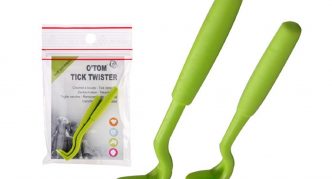
- The Tick Twister, a device from the French company, looks like a miniature crowbar.
-
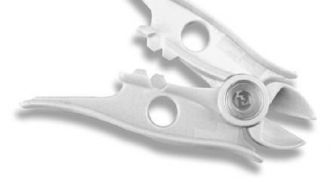
- Tick Nipper - plastic pliers for grasping and removing ticks from US manufacturers
-
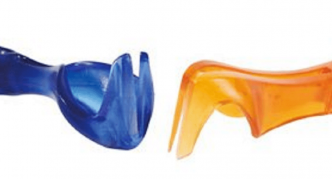
- The inexpensive tick removal hook from the German company Trixie is always made of blue or orange plastic.
-
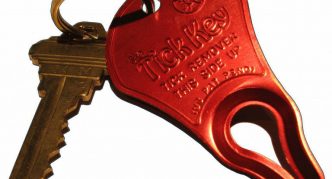
- The American Tick Key is a lightweight and durable plate made of anodized aluminum.
-
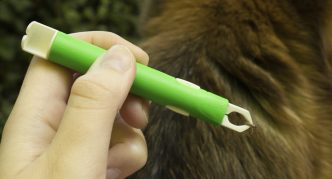
- The Tick Remover is a cross between tweezers and nippers and is operated by a button.
-
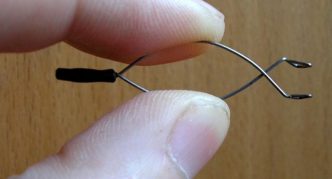
- The Russian version of the Anti-Tick is a lightweight plier with flat grips made of metal wire.
-
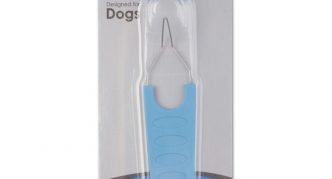
- The Groom Professional Tick Remover is a flat plastic handle with a built-in static loop made of stainless steel wire.
-
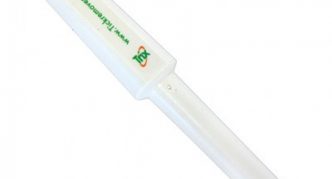
- The Trix Tick Lasso is a plastic device about 11 cm long, similar in appearance to a pen and equipped with a button.
Video: How to remove a tick with a tick remover
With tweezers
You can remove a tick in the following way:
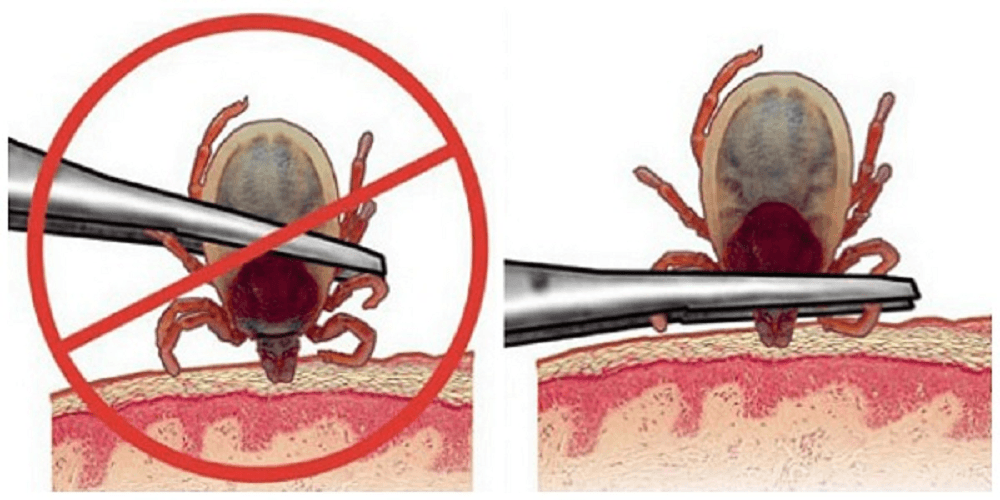
- Use tweezers to grasp the parasite as close to your skin as possible at the bite site. Avoid touching the abdomen to avoid squeezing it.
It's best to position the tweezers either parallel to the skin or strictly perpendicular. But not at an angle. This will make it difficult to rotate them.

Use tweezers to grasp the tick as close to the head as possible.
- Using a twisting motion, carefully unscrew the parasite.
Video: How to remove a tick with tweezers
With a thread
The parasite can be removed using a strong thread:
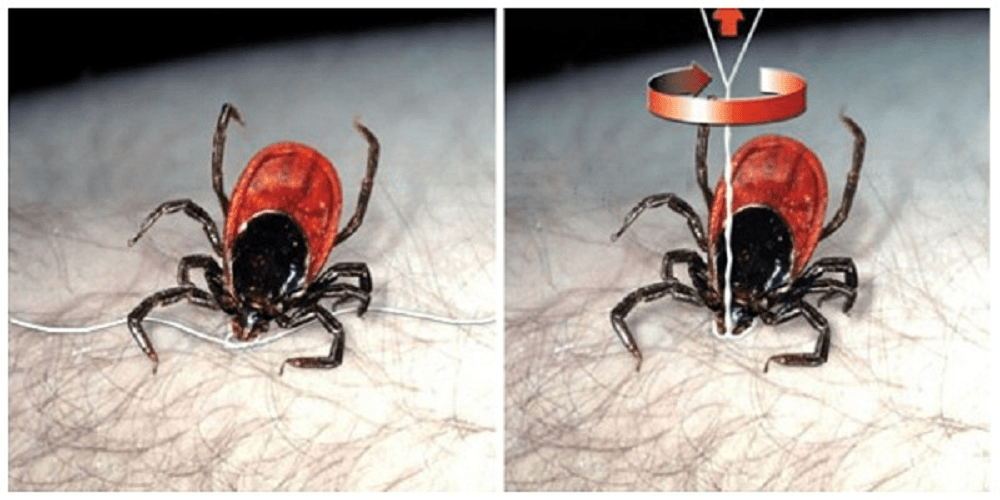
- Make a loop, place it over the tick and tighten it as close to the bite as possible.
- Using a rocking and twisting motion, gradually remove the parasite. Maintain constant tension on the thread, but avoid applying excessive force to avoid ripping off the parasite's head.
By twisting the thread around the head, you can remove the tick.
This method requires a certain amount of skill and dexterity. If you're trying to remove a tick this way for the first time, the results may be less than perfect.
Video: How to remove a tick with thread
With oil and other means
You can find seemingly simple advice online, such as dropping oil, kerosene, nail polish, or another liquid on the tick. The idea is that the tick will be unable to breathe and will leave the body on its own. The arachnid's respiratory system is indeed located on its body. However, once it is clogged with the viscous liquid, the tick will begin to salivate vigorously, along with any viruses it may contain. Furthermore, the parasite may die while remaining inside the human body. Therefore, this method is highly questionable in terms of safety and effectiveness.
With a syringe
Another method often found online involves pressing a precisely cut syringe firmly against the person's skin, completely covering the tick, creating excessive pressure that should force the parasite out. In reality, the excessive pressure results in a bruise on the skin, and the parasite remains trapped. This method doesn't work.
Video: Can you remove a tick with a syringe?
With your hands
This is difficult and risky. Ticks are no larger than 5 mm. If you squeeze such a small arachnid even slightly harder, it will tear apart, and any potential pathogenic viruses will inevitably end up in your bloodstream. But if you have absolutely nothing at hand that can remove the tick, you'll have to resort to this method.
- Gently grasp the tick with two fingers and, being careful not to squeeze it, twist it, for example, counterclockwise.
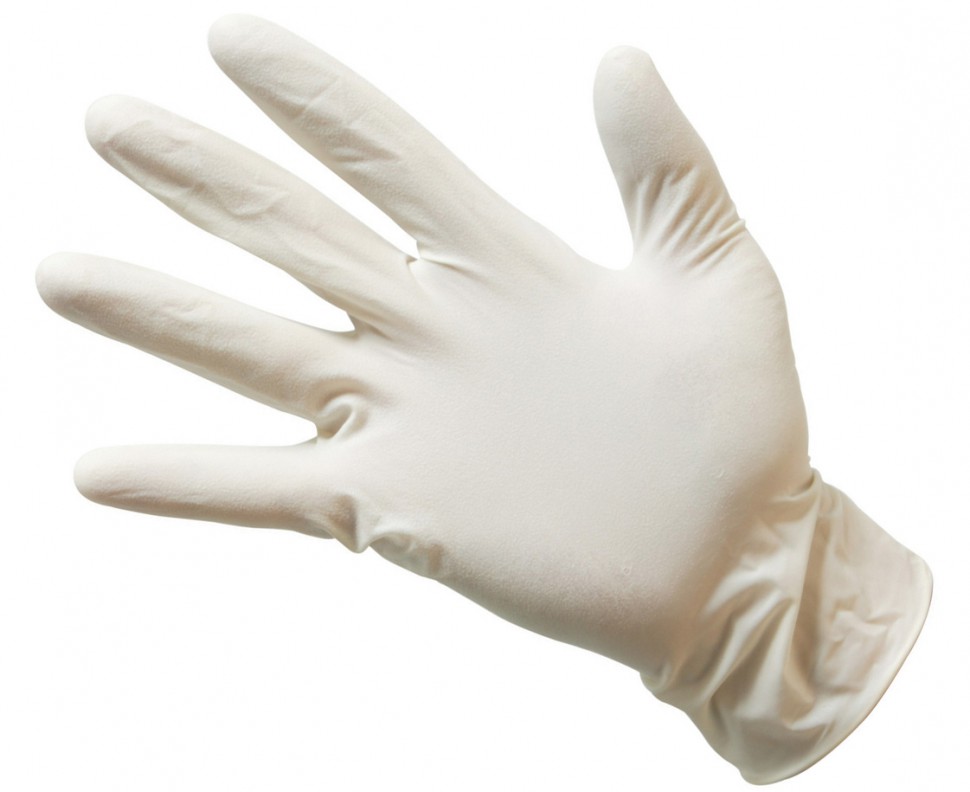
It is best to perform the procedure wearing gloves, as viral pathogens can be transmitted through microcracks in the skin of the hands.
Gloves will protect the skin of your hands from harmful viruses that the tick is infected with.
- Change the position of your fingers and repeat the procedure in the same direction.
- Make several attempts, carefully twisting the tick until you succeed.
- Wash your hands thoroughly with soap and treat them with an antiseptic.
If soap and sanitizer are unavailable, try to avoid touching your eyes, nose, and lips. Touching a tick can leave the virus on your hands, which can enter the body through the mucous membranes.
What to do if the tick's head remains in the body
If you can't remove the entire tick, the remaining part can be removed with a sewing needle or pin. A hypodermic needle or other sharp object will also work.
- Heat the tool over a flame. Let it cool slightly to avoid burning your skin.
- Use the tip of the tip to lift the remaining parasite and pull it out. Proceed as if removing a regular splinter.
Video: What happens if part of a tick remains in the skin
How to treat the bite site
Any antiseptic is suitable for disinfection:
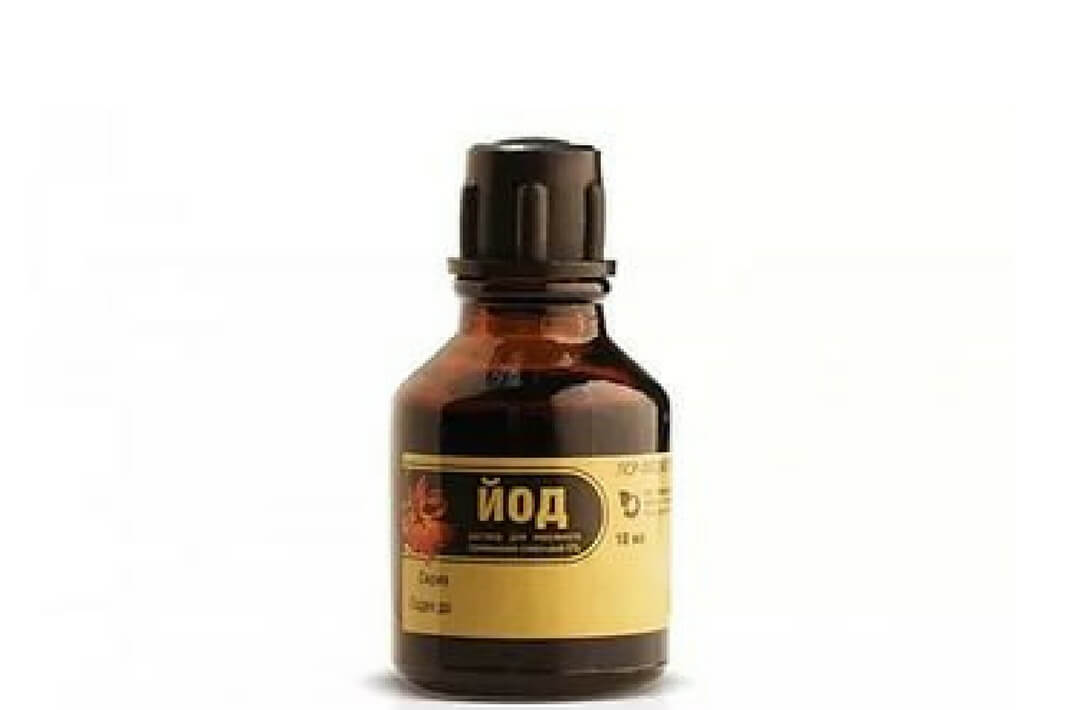
- Iodine.
Iodine is suitable for treating the bite site and evaporates quickly.
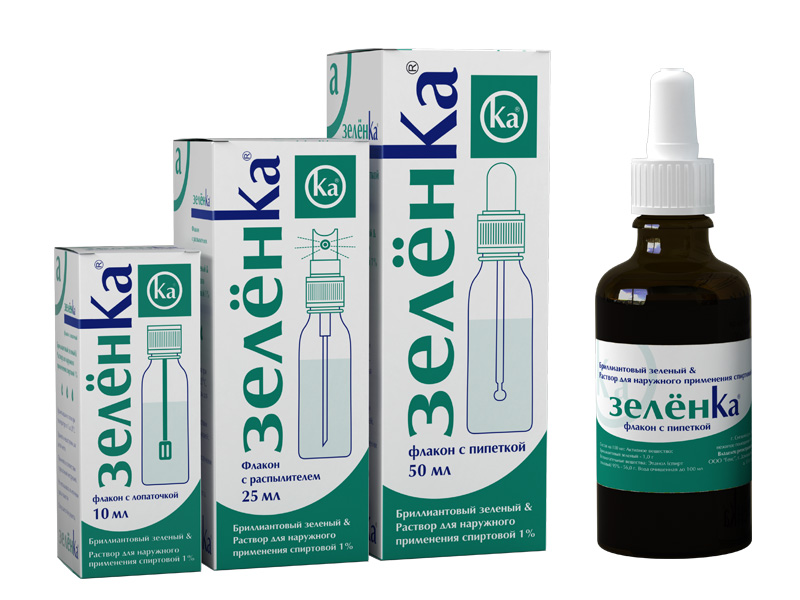
- Green stuff.
Brilliant green is an effective antiseptic for disinfecting the bite site.
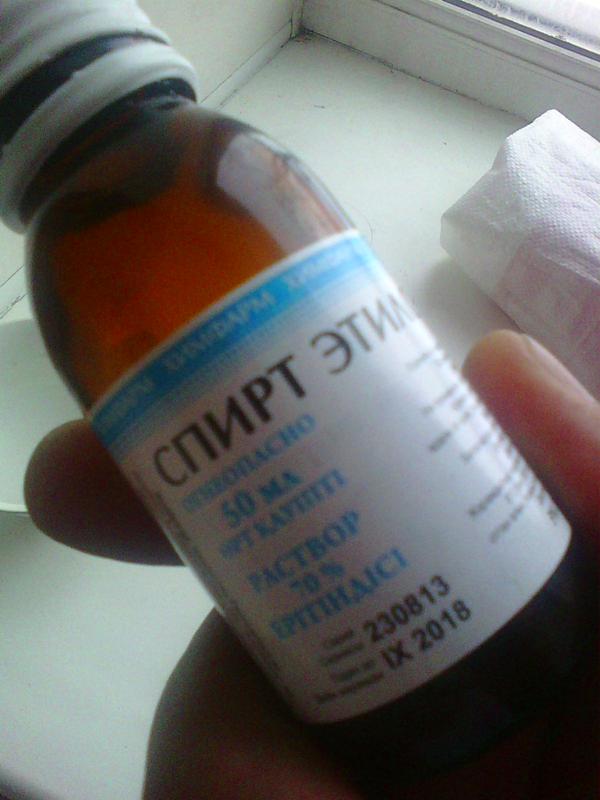
- Rubbing alcohol or alcohol-containing liquids. For example, vodka, cologne, or alcohol-based face or body lotion. Ammonia can also be used.
The site of a tick bite can be treated with ethyl alcohol.
What to do with a tick
- The live tick should be submitted to a laboratory for analysis. This is perhaps the only way to reliably find out whether there are pathogenic microorganisms in the enzymes of his intestines and salivary glands. You'll agree, knowing that a parasite wasn't infected with any pathogen causing serious diseases is much more satisfying than remaining in the dark. Furthermore, information about infected ticks is crucial for virologists and infectious disease specialists. It allows them to identify natural foci of the virus in the ecosystem, track changes in the range of pathogens, and map endemic areas, which is beneficial for everyone living in the region.
Some laboratories can even analyze individual tick fragments. However, most medical centers lack the necessary equipment for such testing. Therefore, it is important that the parasite is delivered alive. And to do this, oddly enough, it doesn't need the blood it feeds on (it can survive for several years without it), but rather ordinary moisture. That's why, after placing the tick in the vial, be sure to add a small leaf, blade of grass, or piece of cotton wool soaked in water. Close the lid tightly. Otherwise, the parasite might escape.
- If the test is positive, it will be a useful warning about possible consequences. You should definitely consult a doctor. A virologist will give the patient a referral for testing and all necessary recommendations.
- If it is not possible to submit the tick to a laboratory, it must be destroyed. For example, burn it or pour boiling water over it. You can crush it, but not with your bare hands. Place the parasite in a plastic bag and crush it through the plastic to prevent infection from its internal organs from spreading to your hands.
What tests can be taken?
Typically, specialists prescribe one of the following possible tests:
- A venous blood test using the PCR method is used to determine the presence or absence of the tick-borne encephalitis virus. It is taken starting 11 days after the bite. Before this point, it does not provide a reliable result. This is considered the most informative test, providing accurate results.
- A venous blood test using the ELISA method to detect IgM antibodies to the Lyme disease virus. This test is performed 4 weeks after the bite.
- A Western blot test of venous blood is used to detect various antibodies to tick-borne encephalitis and Lyme disease viruses. The test is taken no earlier than two weeks after the bite. It is quite informative, but not available in every laboratory.
To avoid missing latent infections, it's recommended to get tested twice using the same method. The second time, exactly one month after the first. If both results are negative, you can relax, knowing you've passed the test. Otherwise, a virologist will prescribe treatment, which must be strictly followed.
What to do if you are pregnant or breastfeeding
It's impossible to say definitively whether a parasite bite will affect the fetus or whether the virus will be transmitted to the child through breast milk. In 2007, the U.S. Committee on Disease Control and Prevention announced that no cases of Lyme disease infection through breastfeeding mothers had been recorded. Infection with another dreaded disease, tick-borne encephalitis, has also not been confirmed. However, just because it hasn't been confirmed doesn't mean it can't happen. The virus is known to be transmitted through the milk of goats and cows. Experts have formulated a number of hypotheses as to why this has never occurred through breast milk:
- The vaccine, administered in all regions where tick-borne encephalitis is endemic, produces antibodies in the woman's body that trigger an immune response upon contact with the virus. As a result, the virus is quickly destroyed, and breast milk remains safe.
- In many cases, if encephalitis is suspected, women are immediately prescribed special antiviral medications that effectively combat the disease and milk contamination. For Lyme disease, safe antibiotics compatible with breastfeeding are prescribed.
- It's believed that breast milk contains specific components that act like a vaccine. While a woman may become infected, the virus will not be passed on to her baby.
Leaving aside this last assumption, it follows that a woman who has not been vaccinated on time and who does not take medication after infection could theoretically transmit the virus to her child through breast milk. However, in practice, such cases are unknown.
To be on the safe side, doctors often recommend feeding a child expressed milk, pasteurized at a temperature of 63.5OC for 30 minutes. The high temperature is guaranteed to destroy all pathogens, while preserving the nutritional value of the product. In some cases, when milk supply is very low, it may be advisable to stop breastfeeding and switch to formula. And of course, carefully monitor any changes in your body. If necessary, consult a doctor immediately.
In the case of pregnancy, the possibility of fetal infection cannot be ruled out and the problem should not be ignored. After all, a dangerous virus in a woman's body can be transmitted through the placenta to the unborn child. Virologists typically recommend monitoring body temperature for several days. If it begins to rise, the woman should be taken to the hospital immediately. Further monitoring and treatment should be strictly supervised by a physician.
So, we've covered the steps to take after a tick bite. Follow them in order. This will help preserve your life and health.