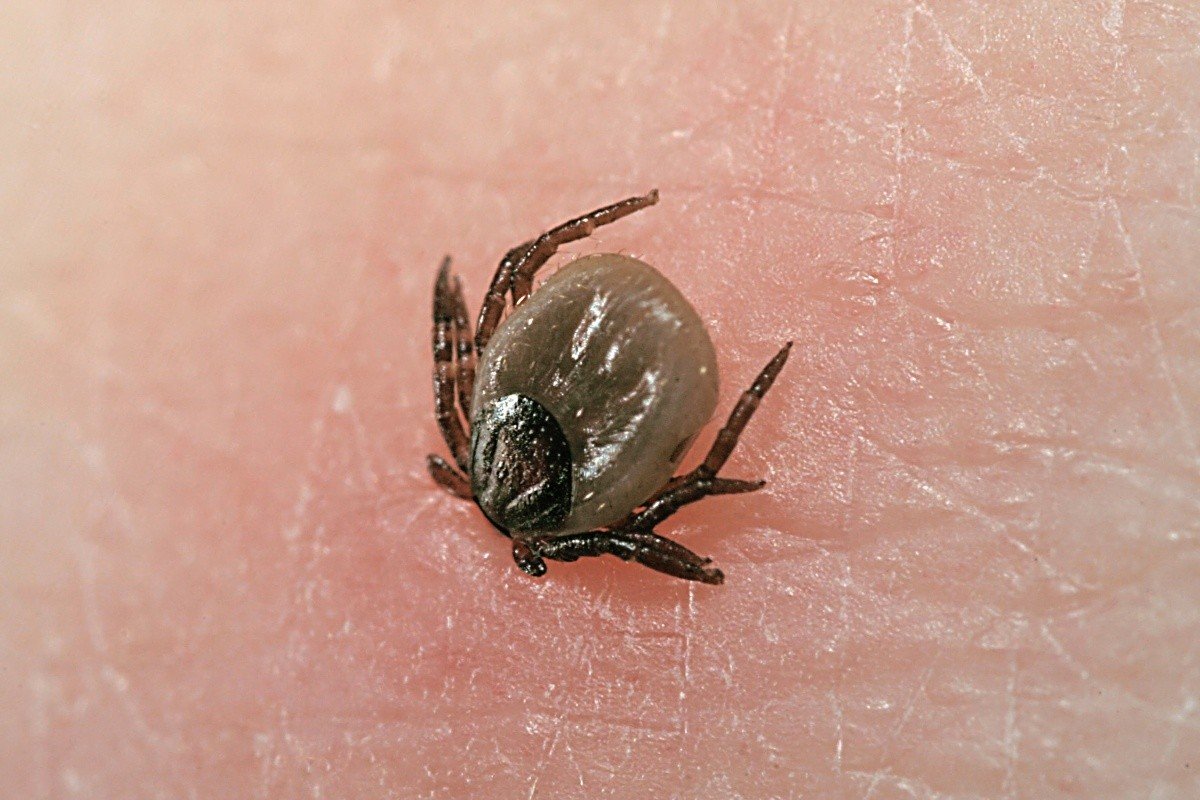
With the onset of warm weather, pets are at risk of tick bites. These arachnids are most active in May and June. However, they can be encountered from April until the onset of cold weather. It's not the ticks themselves that are dangerous to dogs, but rather piroplasmosis (babesiosis), a disease caused by a protozoan parasite of the genus Babesia. It's better to prevent ticks from getting on your dog's skin than to treat the consequences of this potentially fatal disease.
Content
Characteristics of a tick bite
The expression "bitten like a tick" has become common for a reason—removing the parasite is very difficult. Having found a favorable spot on the victim, the tick pierces the skin with its proboscis and attaches itself to a blood vessel. The proboscis and front legs are equipped with tiny spines that prevent the parasite from being extracted before it is full.
Ticks are blind, but they have a keen sense of heat. They lie in wait for prey on leaves and grass, their front legs extended forward.
Once attached to an animal's fur, ticks search for a suitable site to bite. These are most often "hot" areas where blood vessels are close to the skin's surface: the neck, the area around the eyes and ears, the ears, the abdomen, the groin, under the tail, and between the toes.
These areas are the least covered with hair. When examining your pet, pay special attention to these areas. Try to remove any attached parasites as quickly as possible.
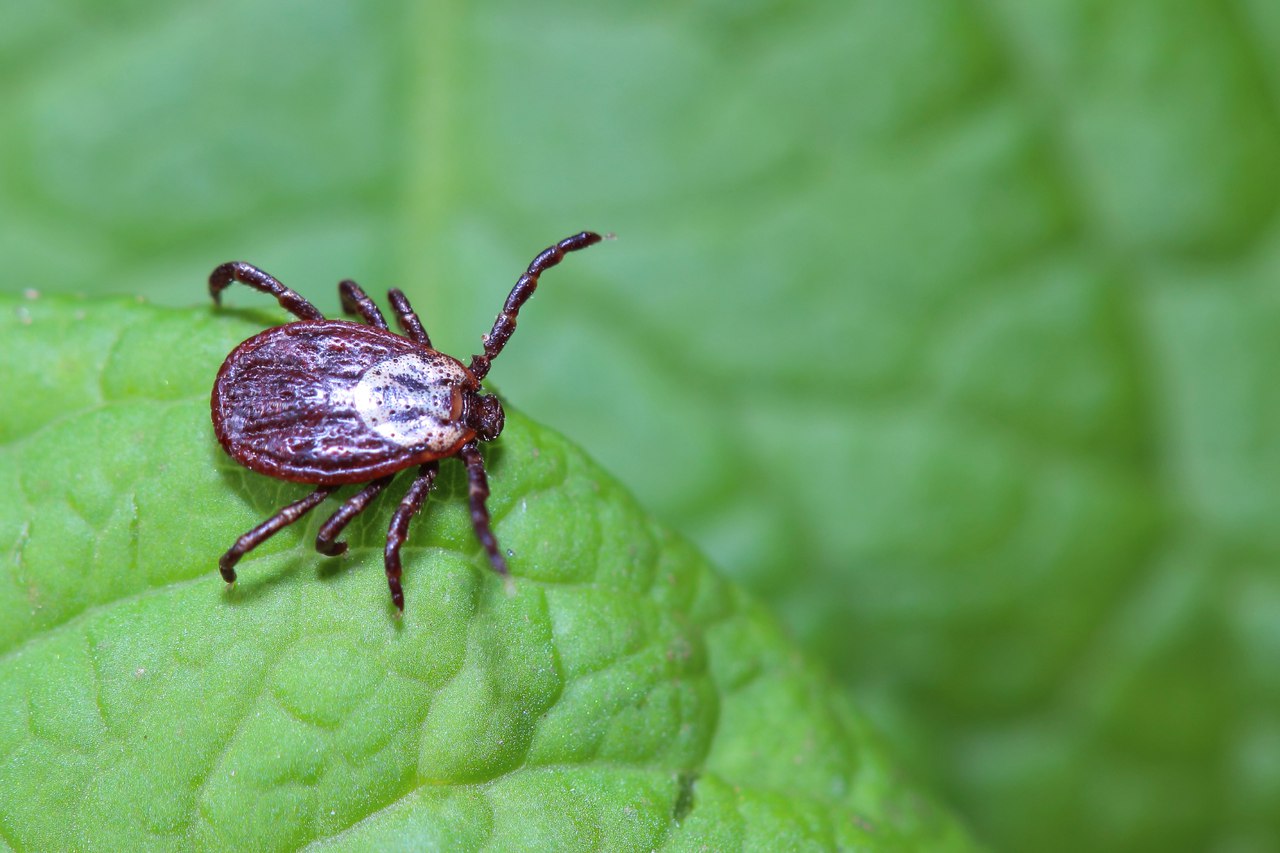
Ticks are dangerous for dogs because they can transmit piroplasmosis.
Important! The sooner you remove the tick, the less likely it is that the infection will enter your dog's bloodstream. Removing the tick within the first two days reduces the risk of infection by 80%.
How to remove a tick from a dog's skin yourself
If you encounter this problem for the first time, it's best to seek help from a veterinarian. However, it's a good idea to learn how to remove ticks from your pet yourself in case a medical facility is too far away.
The parasite is removed entirely, so that the proboscis does not remain in the skin. There are several ways to do this.
Special means
It is better to take care of them in advance and buy them at a veterinary pharmacy.
There are the following types of tick repellents for animals:
- drops;
- sprays;
- vaccines;
- collars.
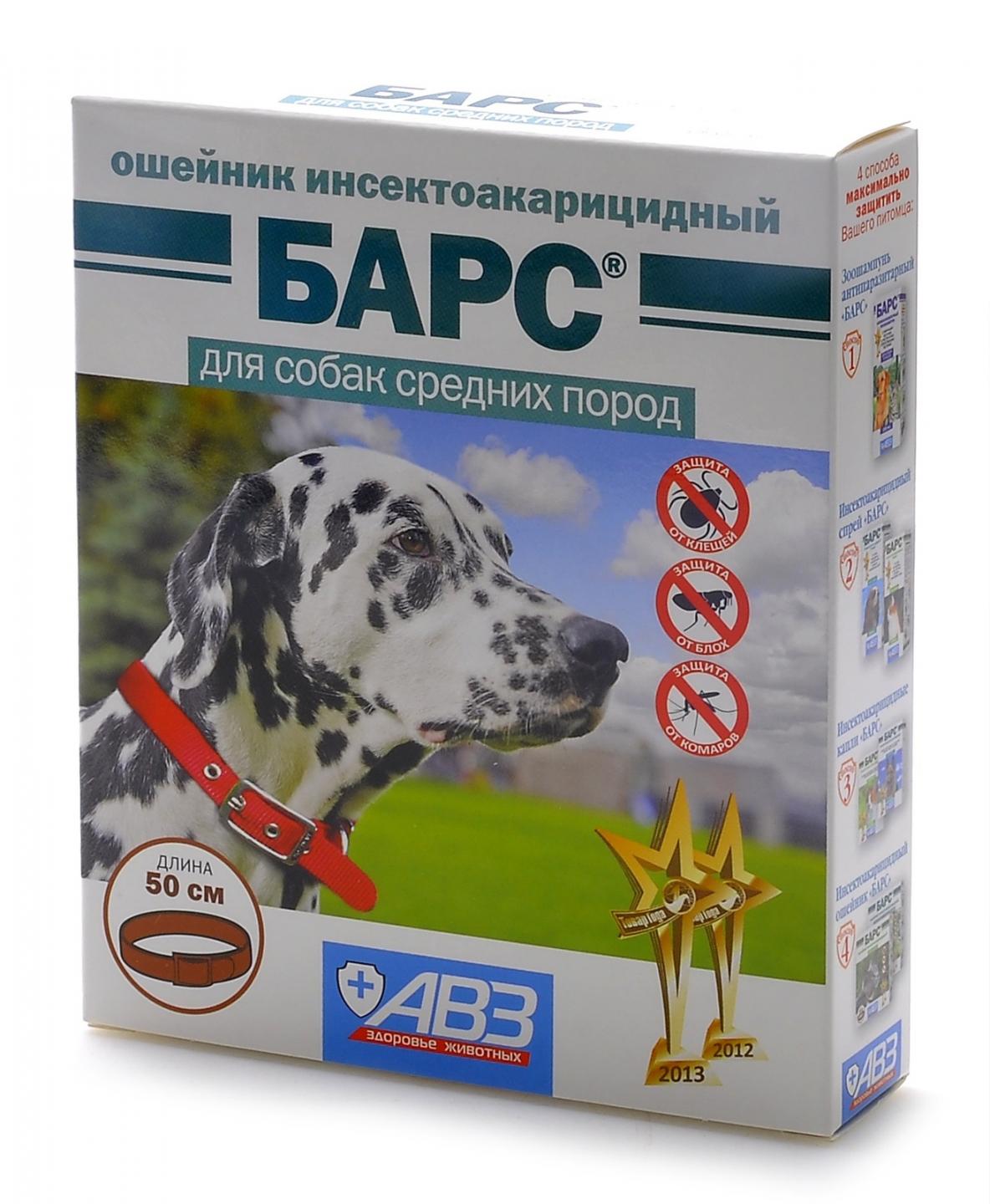
It is important to choose a collar based on the size, weight and skin condition of the dog.
These products are produced by both Russian (Bars) and foreign (Bayer, FrontLine, Hartz) manufacturers.
According to the mode of action, the products are divided into:
- Repellents - repel ticks.
- Insectoacaricides - destroy parasites that have already attached themselves.
Your veterinarian can help you choose the best tick repellent for your dog. The effectiveness and safety of the product directly depend on factors such as the dog's weight, age, skin sensitivity, and allergy risk.
If you have used special means, but the parasite does not fall off on its own, proceed to mechanical extraction.
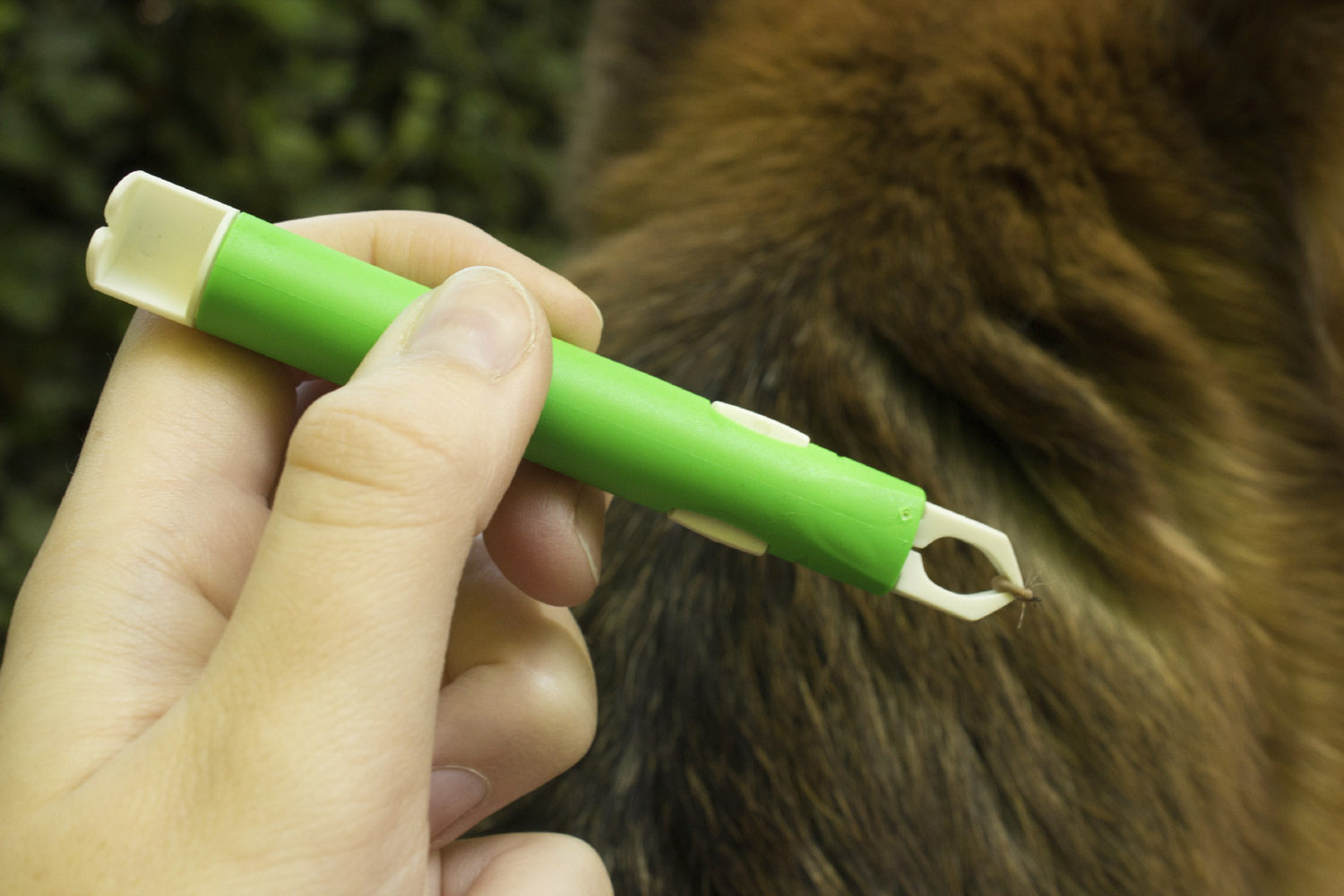
Tick remover for dogs
The tool is sold in pet stores and resembles a small plastic claw hammer—the claw is attached to a curved handle. The claw is moved along the skin toward the bite site so that the tick is clamped within it. The tool is then rotated in a spiral motion, twisting the tick out of the skin.
This is probably the simplest, most effective and fastest way.
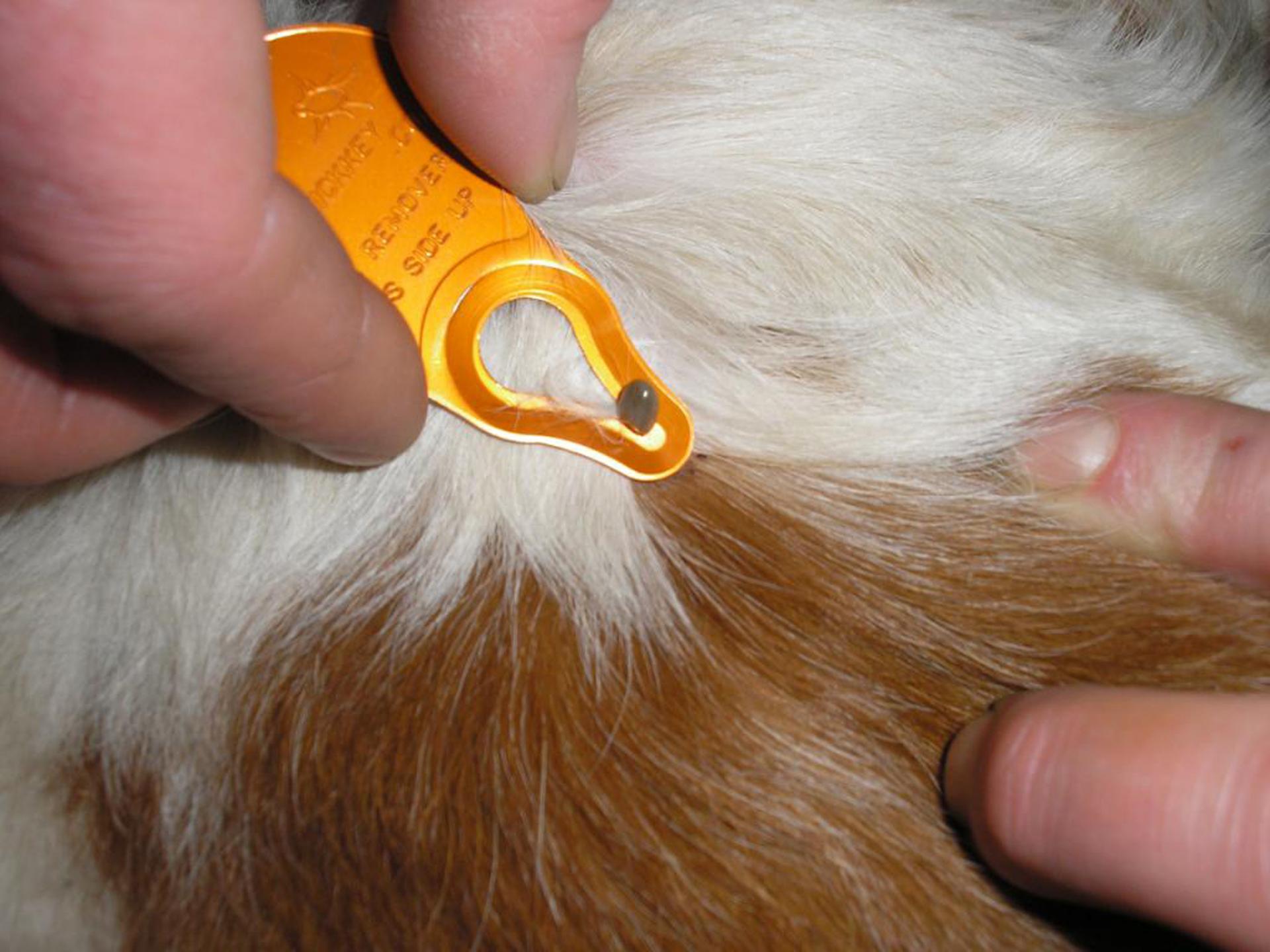
One of the most effective ways to remove a tick from a dog is to use a tick remover.
Video: How to remove a tick from a dog using a tick remover
Tweezers
Tweezers are used in a similar manner. Carefully grasp the proboscis, being careful not to crush the abdomen. Then, remove the tick using a twisting motion.
Curved-tip tweezers or surgical clamps are best. Regular tweezers are also suitable.
To remove a tick, it is better to use tweezers with curved edges.
Thread
If the problem catches you off guard and you don't have any tools at hand, regular strong thread will do the trick. If you don't have a spool handy, pull it out of your clothing.
Make a loop in the middle of the thread using a loose knot. Place the resulting "lasso" around the tick and tighten it around its proboscis. Be careful not to pull too hard, or you might tear the proboscis. Tie the ends of the thread together and twist them until the tick releases its grip and leaves the victim's body.
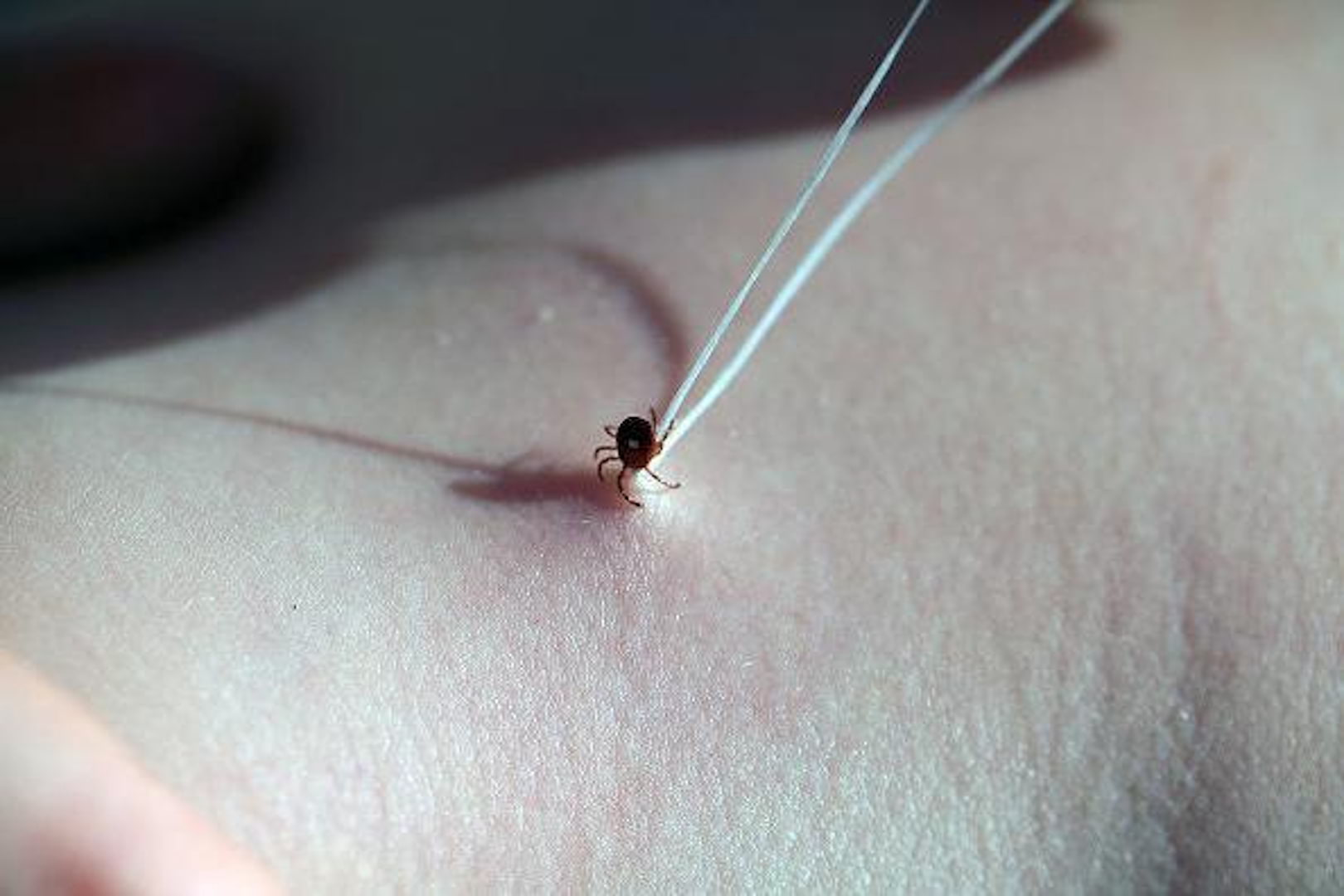
If you don't have any special tools at hand, you can remove the tick with a thread.
Fingers
This tool is always with you, and if used skillfully, it will help rid your animal of unwanted bloodsuckers. Before manipulation, protect your hands with rubber gloves; this will protect you from possible infection.
If you don't have rubber gloves, wrap your thumb and index finger in gauze or bandage. Use them to grasp the tick by its proboscis. Avoid squeezing the abdomen, as this will cause lymph to enter the wound. Using gentle, rocking motions, gently twist the tick. This will loosen it and make it easier to remove.
Needle
The needle is heated with a lighter or other means and brought close to the tick. The heat will cause the tick to immediately loosen its grip and fall off.
Another method is to pierce the bloodsucker after it's fed with a hot needle. The tick will die and can be easily removed with your fingers or tweezers. Use this method with caution to avoid burning yourself or injuring your dog.
Medical syringe
There are recommendations for removing ticks using a vacuum created with a syringe. The bottom of the body is cut off, the syringe is placed on the skin so that the tick is trapped inside, and the stem is pulled.
This method is questionable and dangerous. Firstly, the impact is vertical, meaning the spines prevent the proboscis from being removed from the skin. Secondly, it causes blood flow to the affected area, which is precisely what the parasite craves.
Oil, wax, alcohol or gasoline
This method is popular online. It's recommended to drip oil, melted wax, alcohol, or gasoline onto the tick. The substance will cut off the tick's air supply, and within 20-30 minutes, it will suffocate and fall off.
This method is not very effective for quickly removing a tick. Although this arachnid's respiratory system is located on its body, it can survive for quite some time without oxygen. Furthermore, treating it with gasoline is harmful to the dog.
This is interesting. There's a well-known "taiga" method for removing a tick. Your fingers are generously moistened with saliva and you squeeze the tick. You hold it there until the tick relaxes its proboscis and falls out.
How to remove a proboscis
It's not always possible to remove the tick completely, and the proboscis (head) remains in the dog's body. This is a source of infection, as the virus is contained in the tick's salivary glands. This fragment must be removed as quickly as possible.
Remove it the same way you would a splinter. Disinfect the bite site and the needle, carefully lift the proboscis out, and remove it.
Mistakes When Removing a Tick from a Dog and How to Avoid Them
- Don't pull the attached parasite upward, as this can tear off the abdomen and leave the proboscis in the skin. Remove it with a twisting motion.
- Perform manipulations without jerking, slowly and smoothly, otherwise there is a risk of tearing the bloodsucker apart.
- Be sure to protect your hands with rubber gloves, as infections carried by ticks can be dangerous to humans.
- Do not press on the tick's body to avoid crushing it; infected blood will enter the dog's damaged skin.
- Be sure to remove the proboscis to prevent infection. Even if the tick is not infected, the remaining fragment can cause an allergic reaction or suppuration.
- Do not leave the bite site untreated after removing the tick.
What needs to be done after removing the parasite
- Treat the wound with iodine, brilliant green, hydrogen peroxide, or another disinfectant. Do this even after removing the proboscis.
- If the tick has been on the dog's body for a long time, wash the animal with shampoo and treat it with an acaricide.

Treatment with an acaricide will help reduce the risk of tick bites.
- Observe your dog's behavior and well-being after the bite. If any obvious abnormalities occur, consult a veterinarian immediately. This should also be done if the bite occurred during estrus and the dog is preparing to breed. The veterinarian will conduct the necessary tests to rule out or detect infection.

The doctor will detect the disease in time and prescribe treatment.
Advice! Place the removed tick in a test tube or vial and submit it to a lab. A test will determine whether the tick is a carrier of infection.
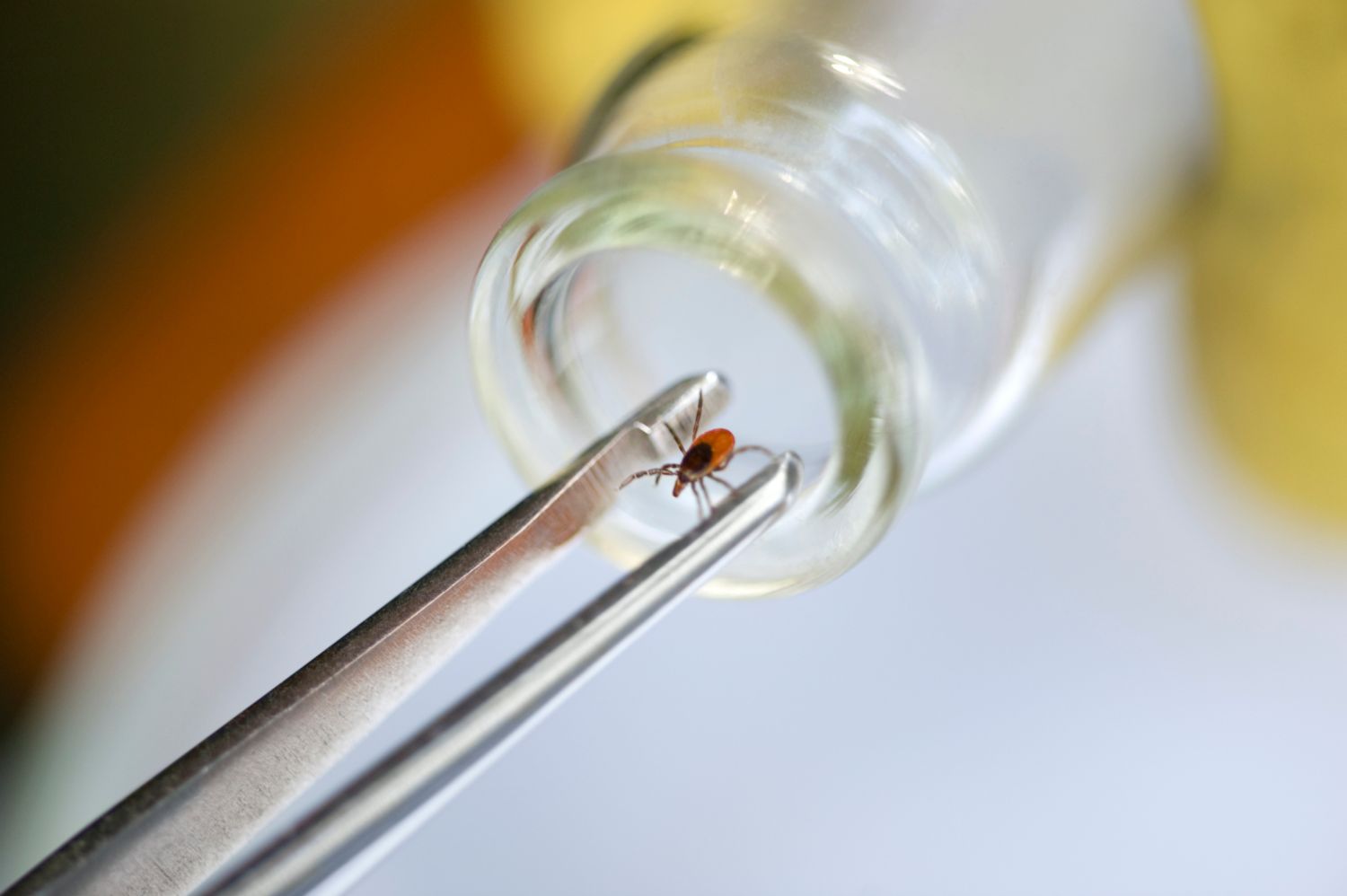
After removing the tick, place it in a jar and take it to the lab.
Dog owners share their experiences with tick removal.
I usually remove ticks by hand, without any oil, using my fingers to gently twist them until they fall off, then treat the wound with antiseptic. But I rarely have to do this. Not only do my dogs wear tick collars, but I also inspect them after every walk in the park. Quite often, the tick hasn't had a chance to attach yet, but is simply crawling along the fur, and then I remove it.
We usually don't apply any lubricant to the ticks, but try to pull them out by hand. So far, that's worked.
The most successful option for me was using a hot needle: the tick died quickly and was easily removed completely.
It's crucial to monitor your dog's condition after a bite! If within 24 hours your dog becomes lethargic, apathetic, refuses to eat, or has a fever, seek immediate veterinary attention. A dog's life is a matter of hours. If you don't seek veterinary attention within the first 24 hours, you risk losing your dog.
When I find a tick, I remove it with my hands, without any tools or medications. My nails are long, so it's not particularly difficult.
So, take some oil and generously coat the entry site and the tick itself. It will undoubtedly suffocate and die—you need to wait about twenty minutes. With my method, it's impossible to go wrong; there will be no consequences. Then, after a while, begin twisting the tick—strictly in one direction, usually clockwise. Personally, I don't see the point in choosing a specific direction—that is, counterclockwise would be fine, but it's less convenient. The main thing is to NEVER change direction and don't tug the tick by the butt—no matter how tempting it might be. Sometimes ten turns are enough, and sometimes fifty isn't enough. As a result of this rotation, the tick will simply "come off like clockwork" (and that's what it is) and remain in your hands. You'll need to examine it—are all its legs still in place, and is there a proboscis left in the wound? I always had a full set :-) And then the wound needs to be thoroughly disinfected.
It's very easy to unscrew it counterclockwise with tweezers or something similar. Pulling it out is highly discouraged!
and I also slowly pulled out the tick with a loop of thread
Ticks are a nuisance even if they don't carry disease. Preventative measures can help avoid contact with them. Avoid forest walks with your pet during tick season, use a tick collar, and treat the skin and fur with acaricides. This will save you from having to remove dangerous bloodsuckers from your pet.