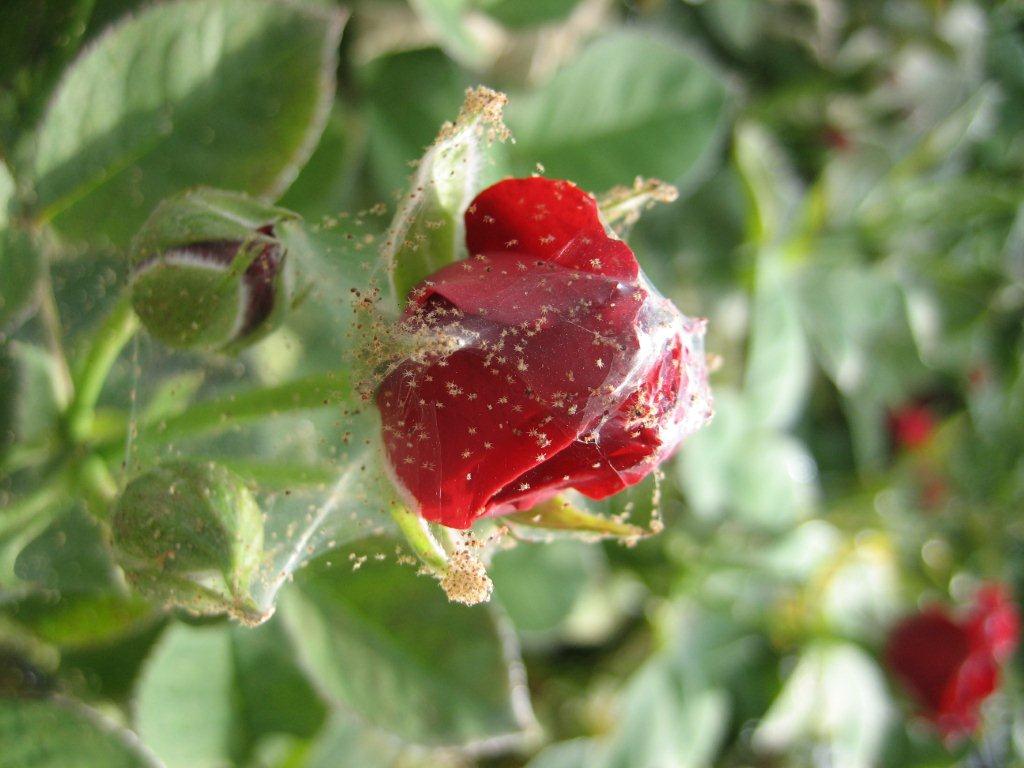
Ticks are one of the most insidious types of parasites, capable of causing both direct and indirect harm to humans, animals, and plants. A wood tick's bite typically goes unnoticed for many hours because it causes virtually no pain, and the pest itself makes no sound, unlike wasps or bees, for example. Not all ticks are dangerous due to their bites; some species can trigger allergies and asthma in humans. Some are parasitic in gardens and can even destroy plants. So how can you deal with these arachnids in various conditions?
Content
The dangers of forest, dust and garden ticks
When talking about the dangers of ticks, people most often mean ixodid ticks, namely Ixodes ricinus, Ixodes persulcatus, and Ixodes pavlovsky, since these species carry the most dangerous diseases for humans, including the following:
- tick-borne encephalitis;
- babesiosis;
- tick-borne typhus;
- ehrlichiosis;
- Lyme disease.
The most common is Ixodes ricinus, which is also known as the European or dog tick.
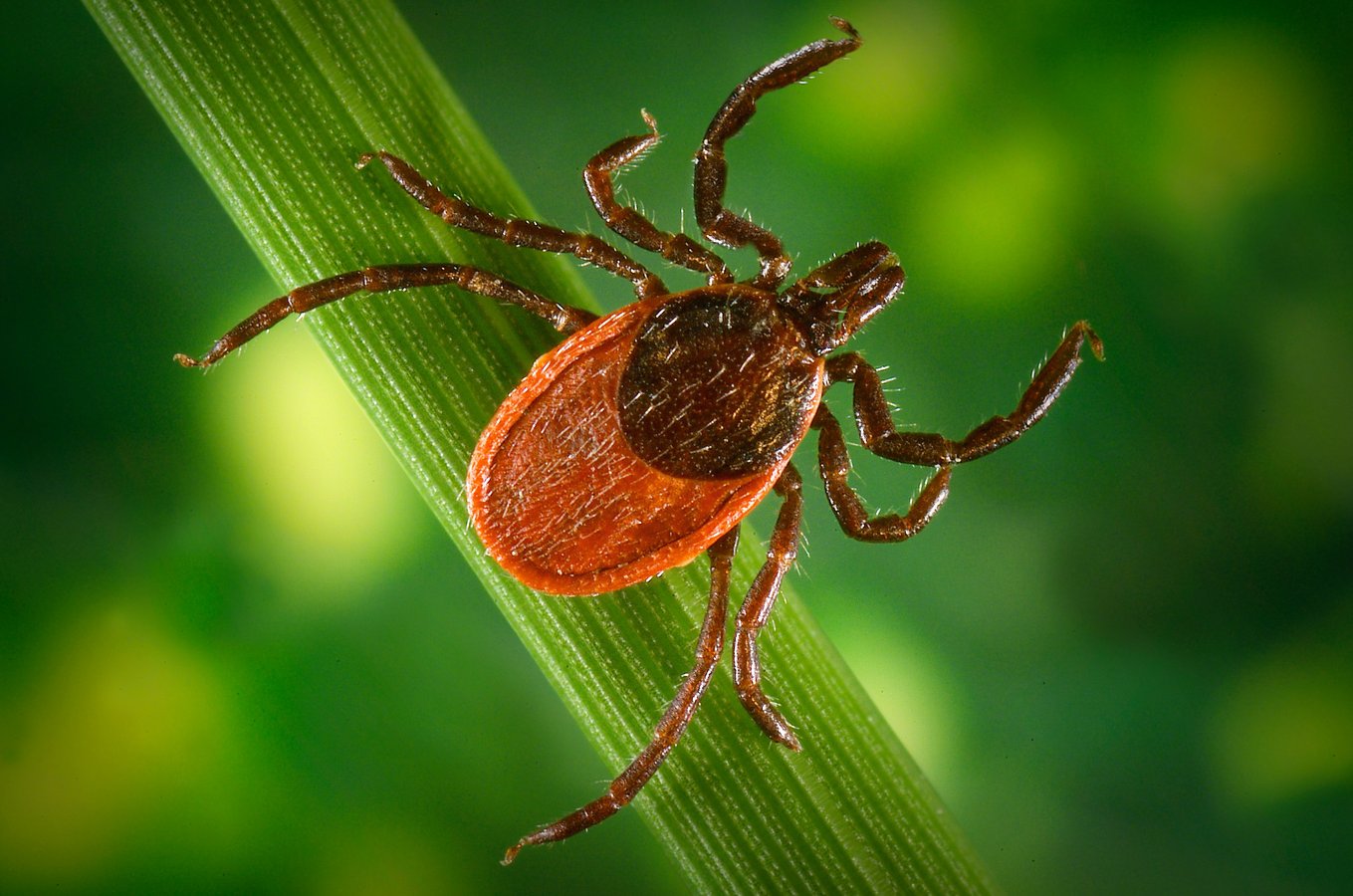
European ticks are most often found in forests and can pose a danger to humans, being carriers of various diseases.
The danger of a tick carrying the diseases listed above increases several times if it has already bitten but has not been noticed for a long time. Firstly, the risk of infection increases, and secondly, the parasite can attach itself firmly enough that its head remains in the wound, and this is not only a source of disease, but also a potential source of inflammation, so the pest must be removed with extreme care.
These ticks live in forests and (less often) in parks with tall grass.
Although the word "tick" conjures up images of forests, these parasites inhabit not only tall grass. Another species that can cause problems for humans is the bed (dust) mite.
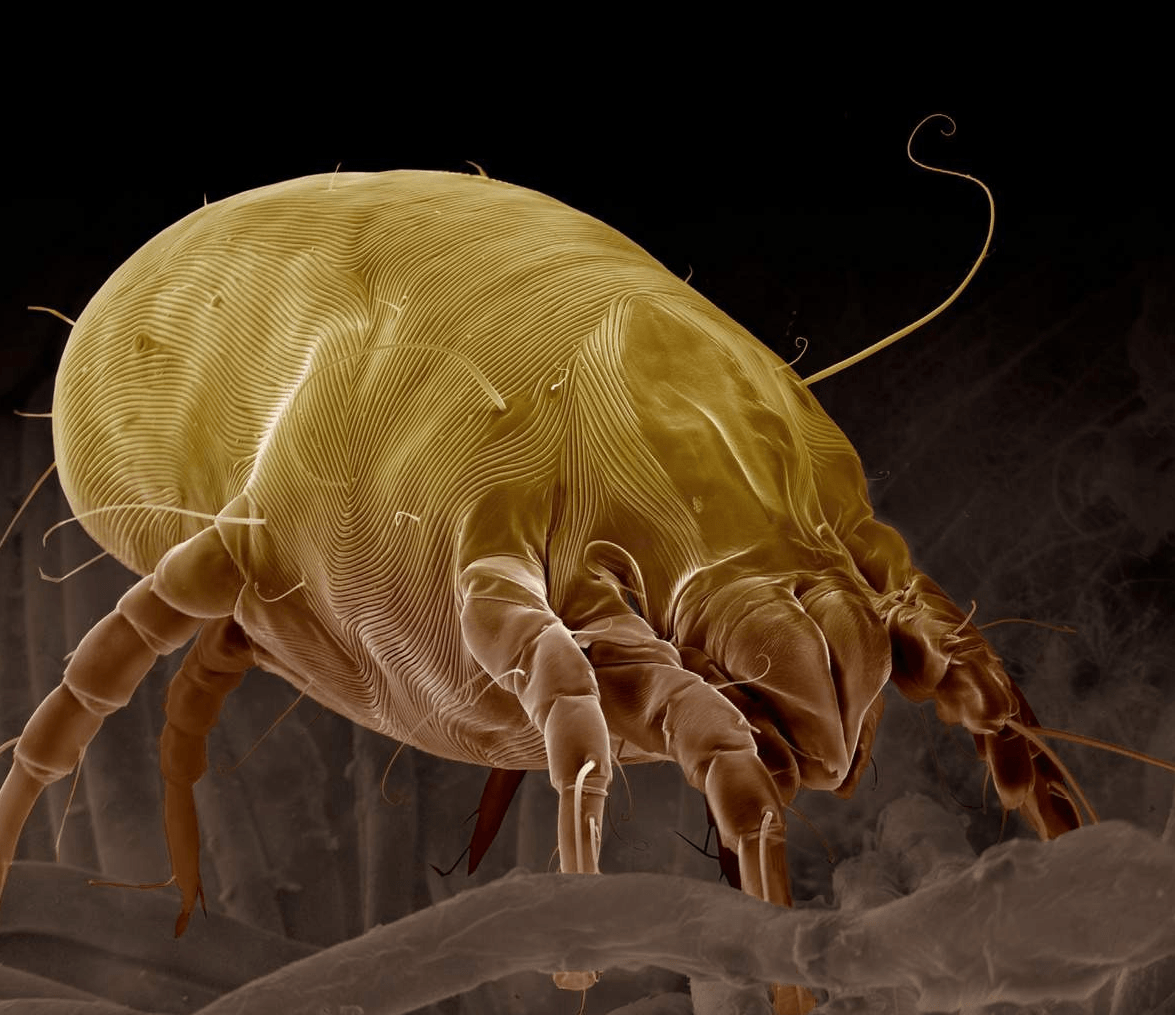
Bed mites most often live in feather pillows and blankets, cotton mattresses, and terry sheets.
Bed bugs don't bite humans and therefore can't infect them. But the danger lies elsewhere. In this case, the allergy isn't caused by the mites themselves, but by their feces. Bedbug excrement can cause anything from a mild rash to asthma, depending on the number of mites and the person's sensitivity to the allergen.
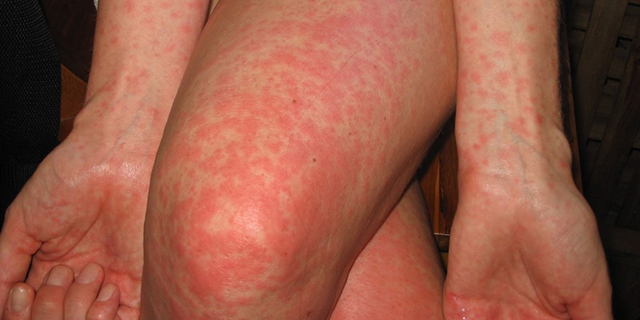
Hives, a red rash, flaking skin, and even asthma are possible symptoms of an allergic reaction to bed bugs.
An allergy to bed mites can also manifest itself as severe itching with numerous reddening areas, and in some cases, an increase in body temperature is observed.
Not everyone is so sensitive to bed mites, and therefore can live peacefully without noticing their unpleasant presence. This doesn't mean you don't need to deal with these pests. They can also cause harm, but it won't be immediately noticeable. If you experience difficulty breathing whenever dust rises in your home, this may be an indirect indication of a reaction to this pest.
There are also spider mites, strawberry mites and others that are considered garden pests, but they do not harm human health. The parasite is dangerous for plants and can cause their death.
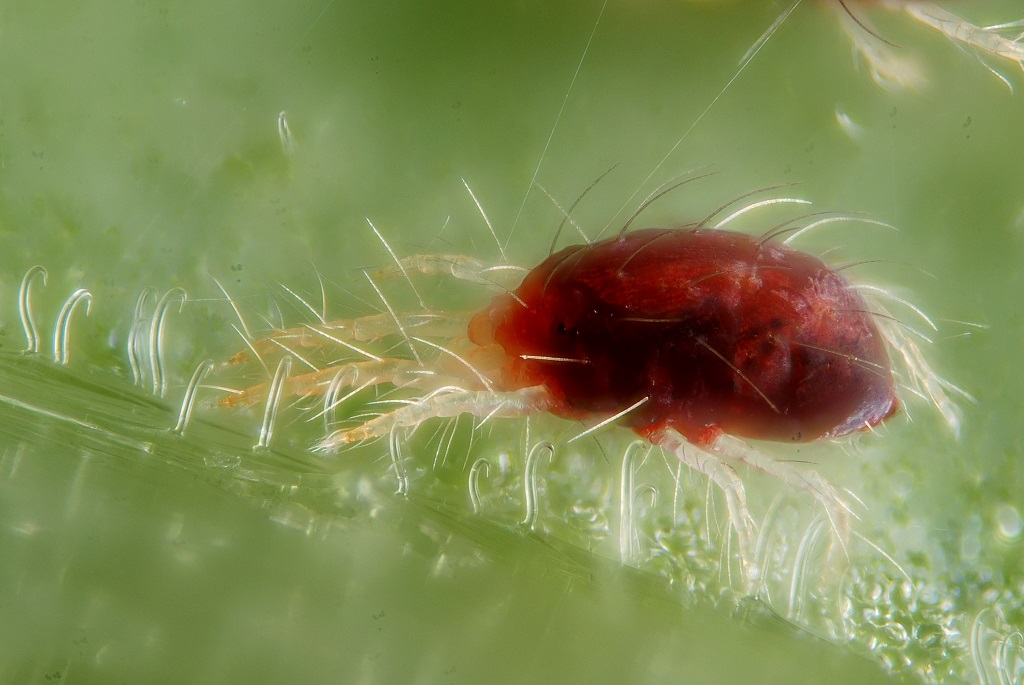
Small mites harm plants.
Methods of combating different types of ticks
Tick control is a complex undertaking that is best started in early spring (if we are talking about forest ticks), when the pests are just beginning to become active. This approach will prevent them from leaving offspring. As for bed mites, they are easiest to control in the summer and on sunny winter days.
By means of physical influence
Direct exposure to ticks is one of the most primitive forms of control, bordering on purely preventative measures. However, many people in vain ignore such a good opportunity to get rid of the problem in its early stages.
Steam cleaner against bed mites
Using a steam cleaner can be helpful in combating bed mites, as these parasites do not tolerate sudden temperature changes well.
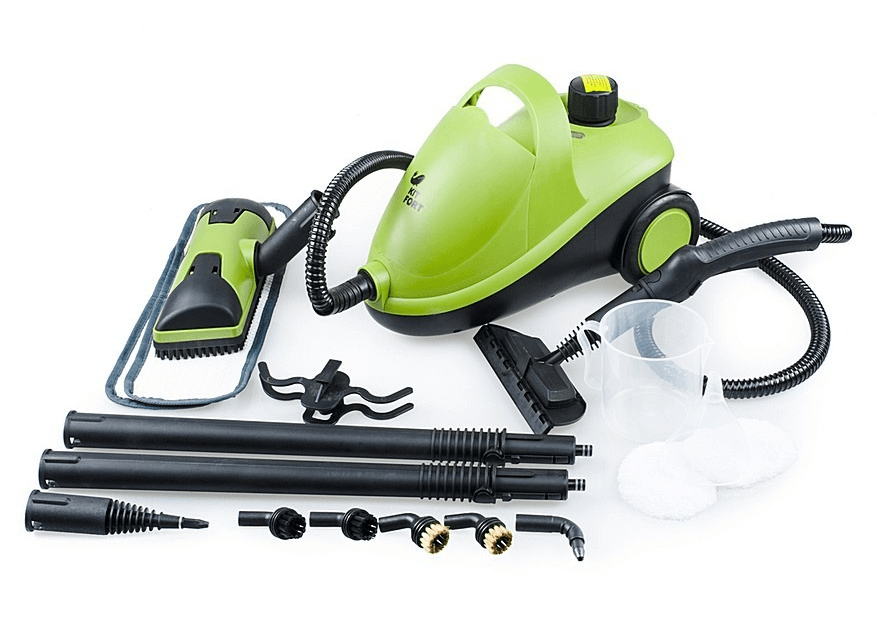
A steam cleaner is a reliable assistant in the fight against ticks.
Regular use of a steam cleaner will help get rid of not only bed mites, but also other insects, bacteria, and more. Thus, cleaning with this device can improve the well-being of residents even in a house where bed mites have never been found.
Regularly changing bed linen to protect against bed mites
It might seem like a trivial thing, but many people ignore the need to change their bed linen, citing its relative cleanliness, workload, and other reasons.
It is worth noting that linen should be washed at temperatures exceeding 55°C.
Burning dead wood on a site to combat forest ticks
One of the most controversial ways to reduce tick populations is to burn dead wood.

Burning dry grass can lead to forest fires and other negative consequences.
Many people believe that fire can rid a plot of land of dangerous pests and promote the growth of new grass. It is true that fire will destroy all ticks, but the negative consequences are much more significant than the isolated destruction of a small group of parasites.
Using folk remedies
A distinctive feature of the folk approach to pest control is that all methods have been tested over many generations, and most of the ineffective ones have been forgotten. Furthermore, all of them are safe for human health, unlike insecticides, for example.
The global disadvantage of this approach is low efficiency.
Plants that repel wood and bed ticks
The following plants can repel ticks:
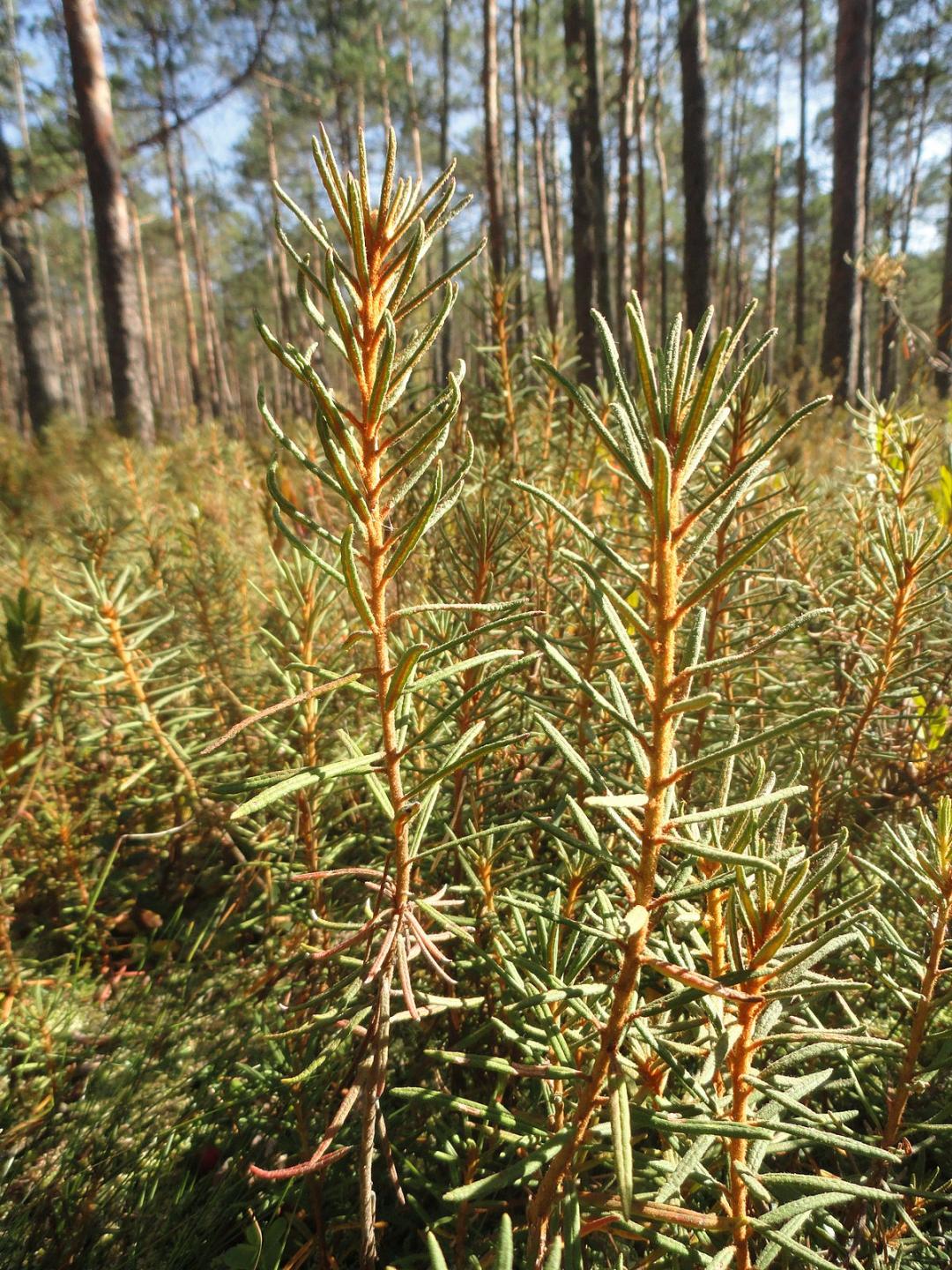
- Wild rosemary. It's most commonly used by beekeepers, but experience shows that having this plant around the perimeter of a property somewhat complicates the migration process for forest ticks. To protect bees, wild rosemary branches are placed on the bottom of the hive. They don't bother the bees, but the plant's scent repellent many other insects. Dried branches can be burned, and the ashes scattered around the perimeter of the property, as long as this doesn't harm the appearance.

Wild rosemary is a plant whose scent repels ticks, rodents and other pests, but does not bother bees at all.
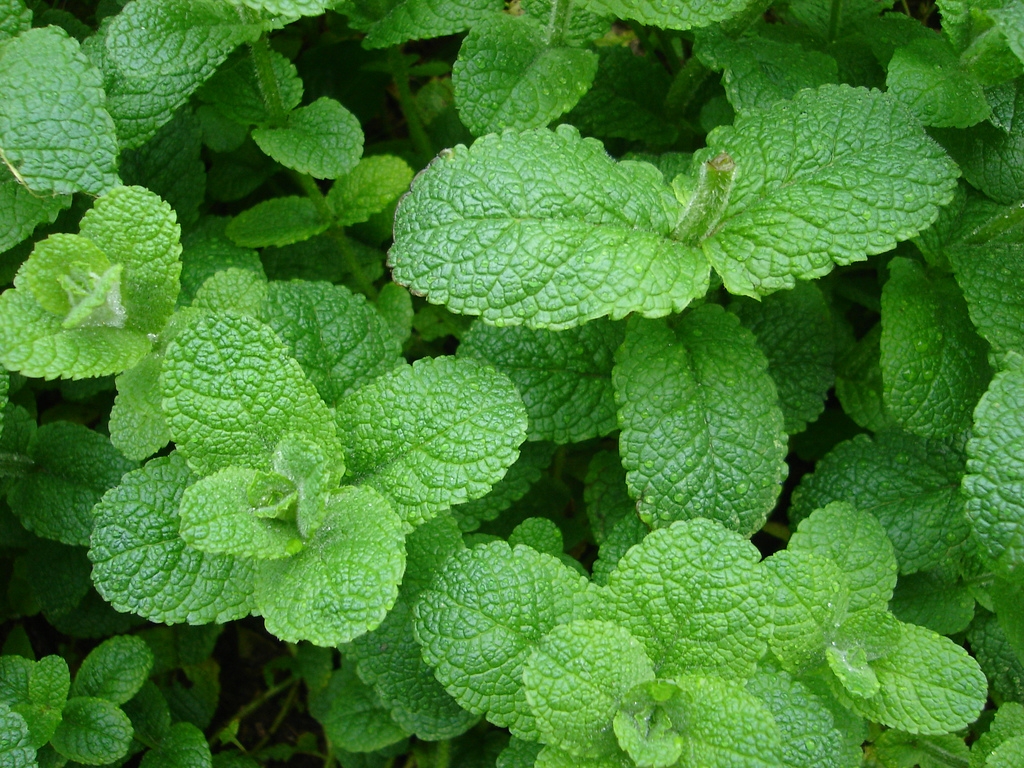
- Mint. Many plants in this genus have a distinctive odor that's pleasant to humans but highly repellent to parasites. The most effective mint species against forest ticks are catnip and pennyroyal.
Mint not only repels ticks, but can also serve as a good infusion for tea.
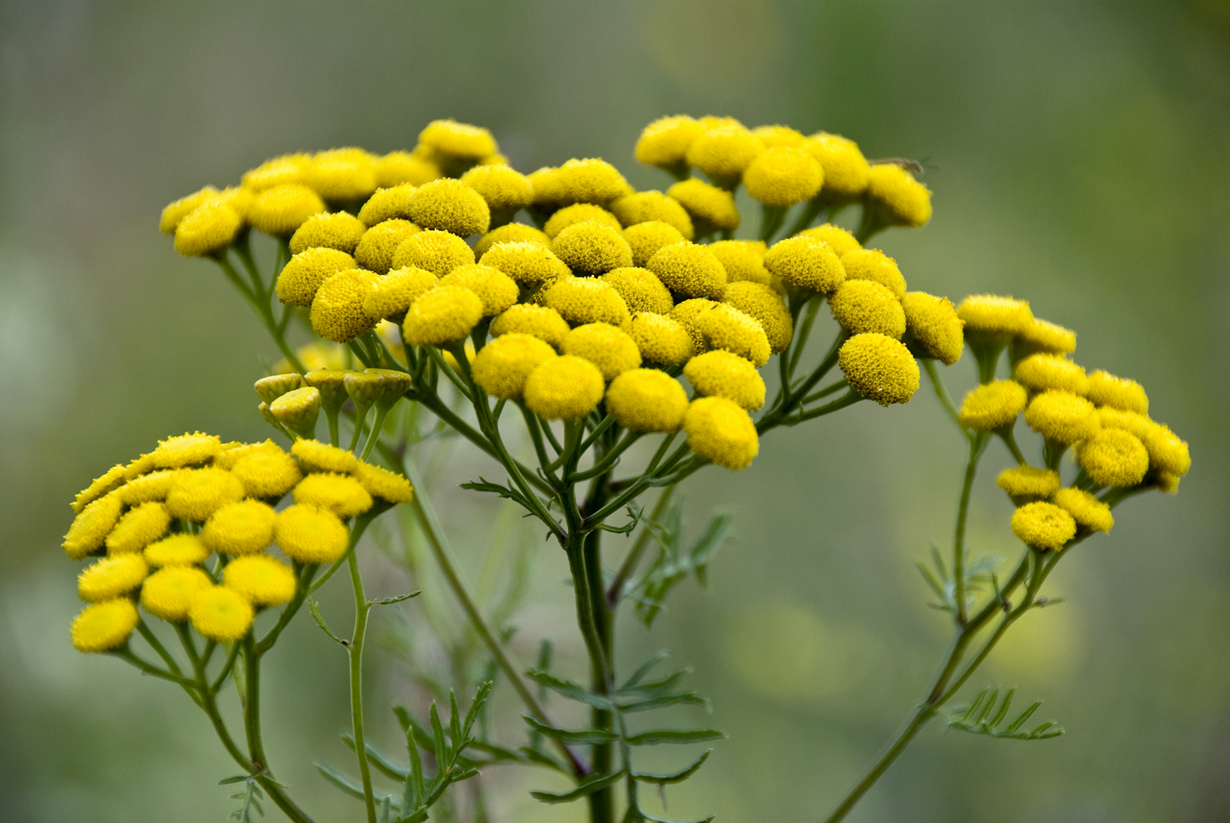
- Tansy. This plant emits a distinctive odor that is repulsive not only to pests but also to many people. Growing tansy in a garden can repel forest ticks migrating through the area. The flowers can also be used, spreading them on the floor of an apartment, to combat bed bugs. Unfortunately, tansy should not be grown in areas with livestock, as it can be toxic to them.
Tansy is a plant with small yellow flowers, moderately poisonous, and is used in folk medicine and in the fight against parasites.
With the help of chemical and pharmaceutical agents
Special products are used in cases where there are already too many pests, so traditional methods are no longer effective. Unfortunately, such products are highly toxic, so it's important to be aware of all the risks when treating a room or area with insectoacaricides.
Insectoacaricidal agents for human protection and treatment of the site from forest and garden ticks
When talking about acaricidal drugs, we should consider three main types (based on the active ingredient):
- Pyrethroids. They get their name from their similarity (in action and structure) to natural pyrethrins (insecticides), which can also be used against ticks, albeit with relatively low efficacy. As for pyrethroids themselves, products based on them typically disrupt the parasite's nervous system, leading to paralysis and respiratory arrest. The most popular of these is cypermethrin. A distinctive feature of this substance is its low (almost zero) tolerance rate for ticks to the product, meaning it remains effective even after multiple uses.
- DDT. One of the most powerful insecticides. It can affect ticks even in extremely small doses. It was synthesized in the 1870s, but only came into use for pest control in the 1840s. It takes a very long time to decompose and can accumulate in the body, causing slow poisoning. DDT remains one of the most debated insecticides, despite the fact that active discussion began in the 1860s, but it continues to be widely used.
- Organophosphorus insecticides. They replaced DDT and were at the peak of their popularity until pyrethroids became widespread. The distinguishing features of these insecticides were rapid action, combined insecticidal and acaricidal (killing) effects, low toxicity to fish, and a broad spectrum of activity. Despite this impressive list of positive attributes, organophosphorus insecticides lost popularity as quickly as they had gained it, due to the development of parasite resistance.
Popular insectoacaricidal agents:
- Cyfox (active ingredient - cypermethrin);
- Sinusan (active ingredient - chlorpyrifos);
- Acoracid (active ingredients - fenthion and cypermethrin);
- Taran (active ingredient - zeta-cypermethrin).
Repellents (repellents) for outdoor recreation
The most common substances with repellent action:
- Diethyltoluamide (DEET) is a substance with a pronounced repellent effect. DEET-based products are intended for application to clothing when visiting areas with high tick infestations. It is one of the most popular active ingredients used in repellent products. Developed in the mid-20th century, it has low toxicity. It is not recommended for application to skin.
- Icaridin is a substance with similar effectiveness to DEET, but, unlike DEET, can be applied to human skin. It has a long duration of action (up to 8 hours), during which its effectiveness remains virtually unchanged;
- Oxamate is a substance used to treat farm animals. It has low toxicity, and therefore is sometimes used on humans.
Popular repellents:
- Spray Picnic Super;
- Moskitol spray;
- Spray Komarex.
Essential oils as repellents
Essential oils should be considered separately, since they cannot (fully) be classified as either special or folk remedies.
The main advantage of essential oils is their relative safety for humans and animals, which makes them preferable when traveling (or hiking) to areas where ticks and other insects are not very common, but some protection is still required.
List of essential oils that are effective against ticks:
- geranium oil;
- clove oil;
- thyme oil;
- eucalyptus oil.
Photo Gallery: Tick Repellents
-

- The drug Cyfox is quite concentrated, so its independent use should be done with great caution.
-
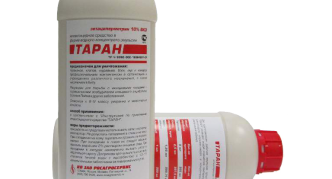
- Taran is a highly effective insecticide used to control pests.
-

- Moskitol spray provides a high degree of protection against forest and taiga ticks.
-
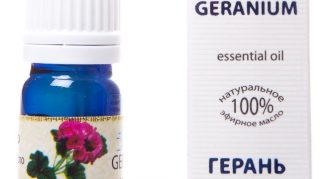
- Geranium oil is excellent for protection against ticks.
Tick control depending on where they live
Tens of thousands of species of these parasites exist in nature, and each has its own unique characteristics, such as body structure, habitat, and other factors. Therefore, the method for combating each tick species is crucial.
Dust mites indoors
Typically, only bed bugs are found indoors. The exception is rare cases where a wood tick has entered an apartment from an animal or clothing. In such cases, simply killing it is sufficient.
Bed mites (linen mites, dust mites) are tiny pests that reach no more than 0.4 mm in size when fully grown, making them very difficult to spot with the naked eye. Their presence is determined only by indirect signs (allergies, asthma, etc.), which do not always indicate the presence of these parasites in an apartment.
These mites live almost anywhere there's dust, but beds account for up to 80% of their population. It's all about nutrition. Bed mites feed on the epidermis—the skin particles that, by the way, are shed from the body throughout the day. Infrequent use of a washcloth by humans, along with warmth and humidity, are the most favorable conditions for bed mites. These parasites dislike temperature fluctuations, sunlight, low humidity, and salt.
Knowing the above facts will significantly facilitate the process of combating this type of tick. In addition to the preventative measures described above, you can use the fear of temperature changes in the following ways:
- wash your bed linen at a high temperature and dry it (if possible) on the balcony or, if you live in a private house, outside;
- carry out wet cleaning using a solution of table salt.

Wet cleaning removes the most dust, which is where bed mites live.
You can also use anti-allergenic additives for washing clothes.
European ticks on the street
Typically, European ticks are found on the site – the most dangerous species, which carries many serious diseases.
The main problem with treating any open spaces is pest migration. Unfortunately, no one is immune to this, and protective measures such as barriers are not 100% effective.
When protecting a site, it's difficult to come up with anything radically new; you just need to follow standard recommendations: thoroughly treat its perimeter, making sure in advance that the weather will be calm and clear for the next week.
Ticks biting humans
As mentioned above, forest ticks carry many dangerous diseases, the most famous of which is rightfully considered tick-borne encephalitis. According to statistics, approximately 1 in 10 ticks is infected.
What to do if you find a tick on your body:
- If you notice a tick on your body, don't panic. Don't crush it or pull it out of the wound with your bare hands. Crushing a tick, firstly, increases the chances of infection if there are deep scratches or a shallow bite from the tick itself, and secondly, you complicate the work of those who will be analyzing the tick for diseases dangerous to humans.
- If you notice a tick crawling on your body, carefully catch it and place it where it can't escape. It's best to catch it with gloves or through a cloth. If the tick has bitten you, remove it from the wound with tweezers or thread. If any body parts remain in the wound, consult a doctor immediately. The tick's head or legs can become a source of not only infection but also suppuration.
- Next, go to the hospital and give the tick for analysis.
- After 10 days, have your blood tested using the PCR method, after 2 weeks (from the moment of the bite) - for antibodies to the tick-borne encephalitis virus, and after a month (from the moment of the bite) - for antibodies to borrelia.
As a rule, immunoglobulin is used for emergency prevention of encephalitis, but it is important to administer it within 96 hours. If time is lost, iodantipyrine is used. If the person has been vaccinated against tick-borne encephalitis, these medications are not used.
Doxycycline is used to prevent tick-borne borreliosis. It is not used for children under 8 years of age or pregnant women.
Video: How to remove a tick using a thread
Dog ticks on the animal's body
For some reason, many people think that ticks do not harm animals, but this is far from true.
Tick on a pet
When it comes to pets, tick-borne encephalitis and tick-borne borreliosis are not dangerous for them, but they can become infected with piroplasmosis, a dangerous infectious disease.
Symptoms of piroplasmosis in animals:
- lethargy;
- refusal to eat;
- change in urine color;
- increase in body temperature.
If an animal is bitten by a tick, the consequences can be dire.
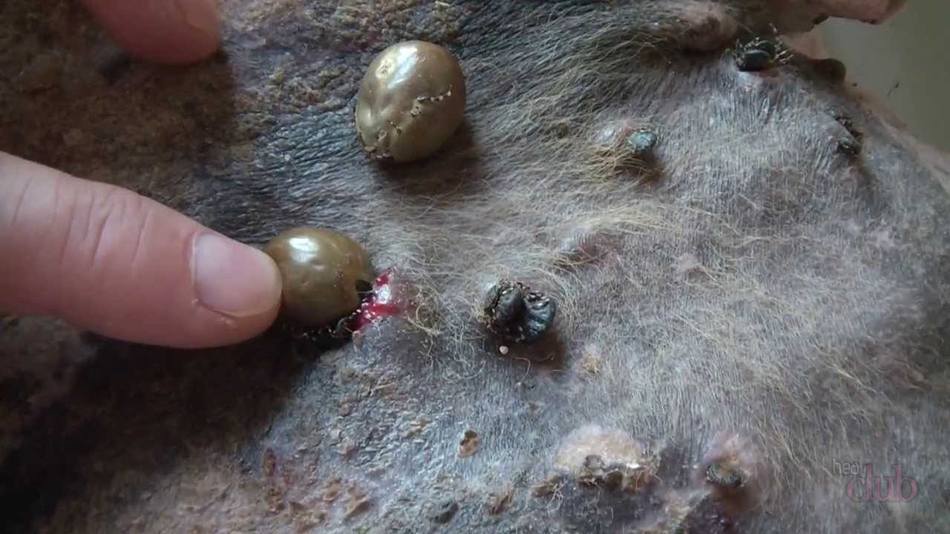
It's important to understand that piroplasmosis progresses rapidly, so delaying a trip to the veterinary clinic is extremely dangerous.
It is necessary to take care of your pet's safety in advance by choosing the appropriate tick repellent: a collar, drops, etc.
If a bite does occur, it's essential to immediately remove the tick from the animal using tweezers, a special tool, or thread. Avoid handling the tick. If the tick has penetrated deeply into the skin, making it extremely difficult to remove, take the animal to a veterinary clinic. The same approach should be taken if the tick comes out easily.
Ticks on a farm animal
A number of specialized tick control products have been developed for farm animals. These products are applied by covering the entire body surface. However, there are a few things that need to be mentioned:
- The alimentary (food) route of transmission of tick-borne encephalitis. There is a small chance (albeit small) of contracting tick-borne encephalitis through raw milk from cows and goats;
- Demodex mite in cows is a skin disease characterized by the infestation of the animal's skin with the Demodex mite. Treatment involves subcutaneous injections of Ivermectin. It's important to note that self-medication is not recommended in cases of cow infestation; it's best to consult a veterinarian.
- Chicken mites are easily removed from a bird's body with the right treatments. However, they can recur repeatedly if insufficient time is spent treating the area.
Garden mites on plants
As a rule, spider mites live on plants.
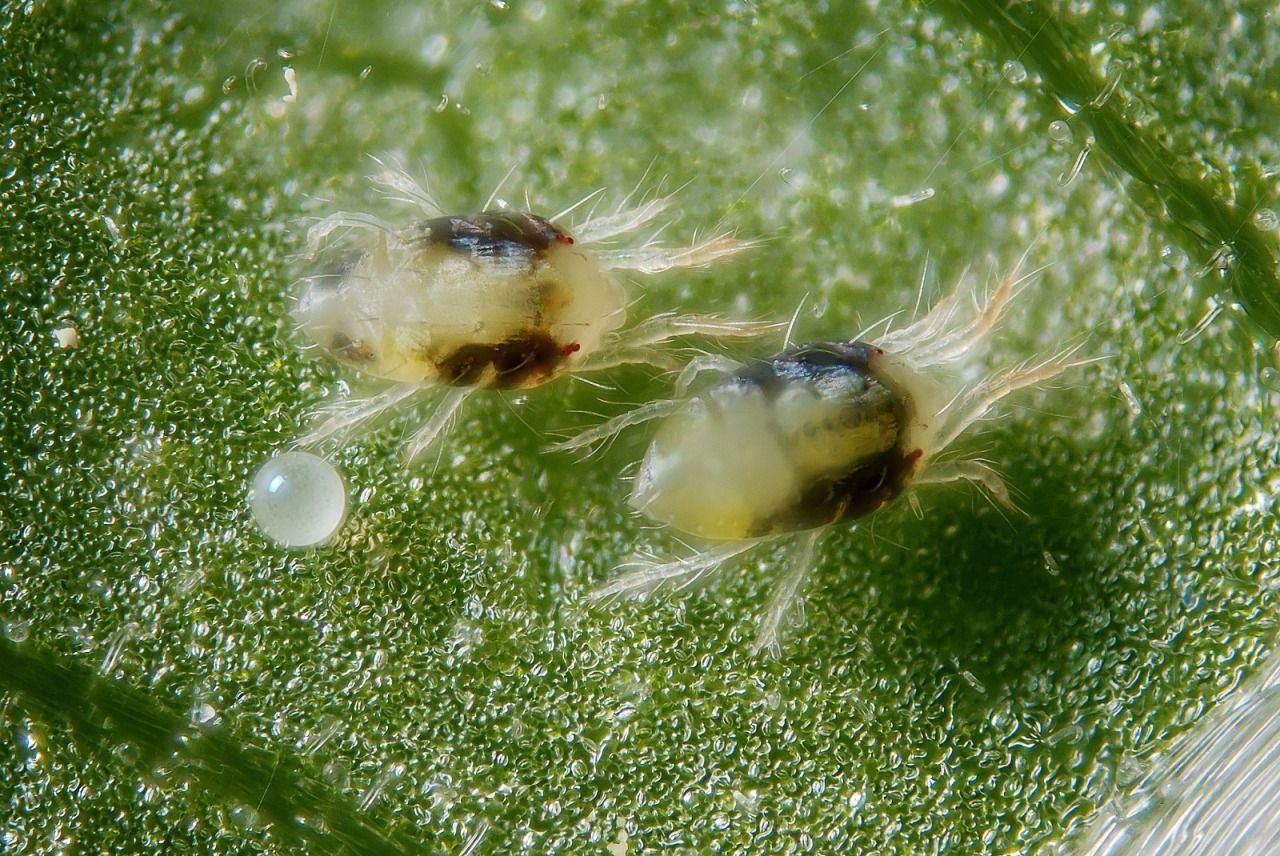
Spider mites are a type of mite that live on plants and can be confused with spiders.
A comprehensive approach will help get rid of spider mites:
- Take some laundry soap, wet it and rub it over the leaves of the plants.
- Wipe off any soap stains with a slightly damp cloth.
- If soap doesn't work, wipe the leaves with a cotton swab soaked in rubbing alcohol. This method is not recommended for plants with thin leaves.
If the above remedies don't produce results, you'll need to resort to specialized treatments. The most popular are:
- Actellic;
- Fitoverm;
- Neoron.
Prevention on the site and in the apartment
As practice shows, the best folk remedies are preventative measures. To protect your property from pests, you must:
- mow or trim the grass regularly, as this is where ticks most easily hide;
- create barriers in the form of crushed stone or sawdust to make it difficult for ticks to migrate;
- remove dry leaves, mown grass, branches, firewood and old things from the area;
- Pay attention to the problem of rodents, as they can be the cause of the appearance of a large number of ticks on the site.
In an apartment, preventative measures are the same as physical methods of tick control. It's also worth mentioning the need to regularly check pets for parasites in their ears and on their bodies.
Ticks are parasites, and one variety of them can be found almost anywhere: on animals, humans, in dust, in apartments, and in the forest. Unfortunately, it's impossible to give universal recommendations for dealing with them; it's much easier to follow basic safety rules.