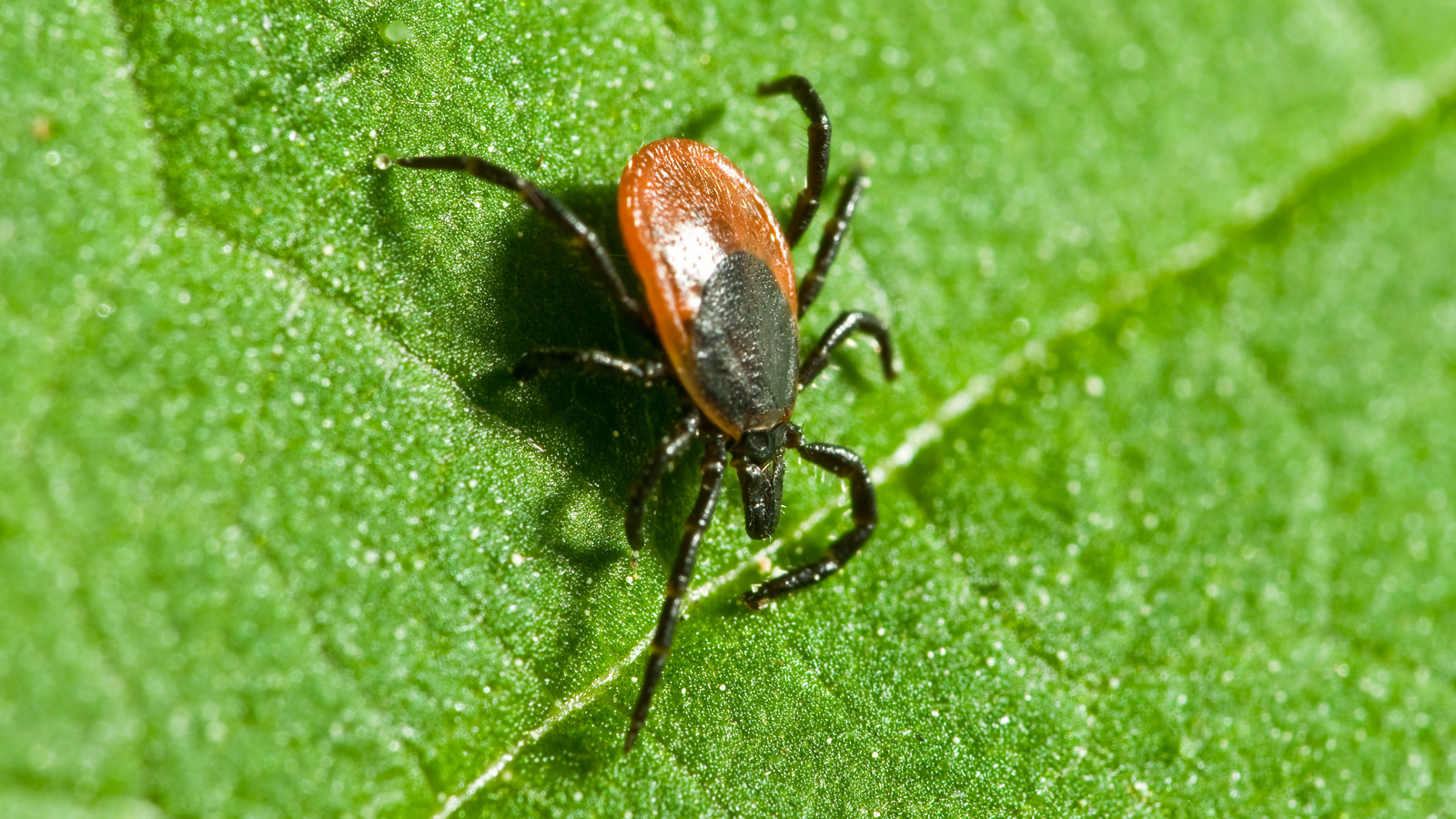
The period from early spring until the onset of autumn cold weather is considered dangerous due to the activity of encephalitis-carrying ticks, which pose a threat to cats and dogs. After a walk in the park or forest, pets can pick up parasites on their fur. Even a pet that stays indoors risks becoming a victim of a disease carrier brought into the house on their owner's clothing. A thorough examination of cats and dogs returning from a walk will help identify an attached tick and administer first aid promptly.
Content
Signs of a tick bite in pets
Ticks are small arachnids that parasitize humans and animals, feeding on the blood of their host. Contrary to popular belief, they can neither fly nor jump, and they reach cats and dogs from grass and trees, clinging to their fur with their legs. The tick then begins searching for a suitable site with thin skin and closely spaced capillaries, making it easier to pierce. This process takes approximately 1.5–2 hours. The most vulnerable areas are the neck, abdomen, armpits, groin, and scalp behind the ears. These areas should be examined first after a dog or cat returns from a walk.
Having chosen a place and having eaten its fill, the tick injects the remains of undigested food into the animal’s blood along with microorganisms that cause the disease. Encephalitis affects the brain of pets, causing death in almost 100% of cases. Cats are considered less susceptible to encephalitis than dogs. This misconception stems from the fact that the disease's course in cats is less well-studied, they spend less time outdoors than dogs, and therefore have a lower risk of contracting an infected tick.
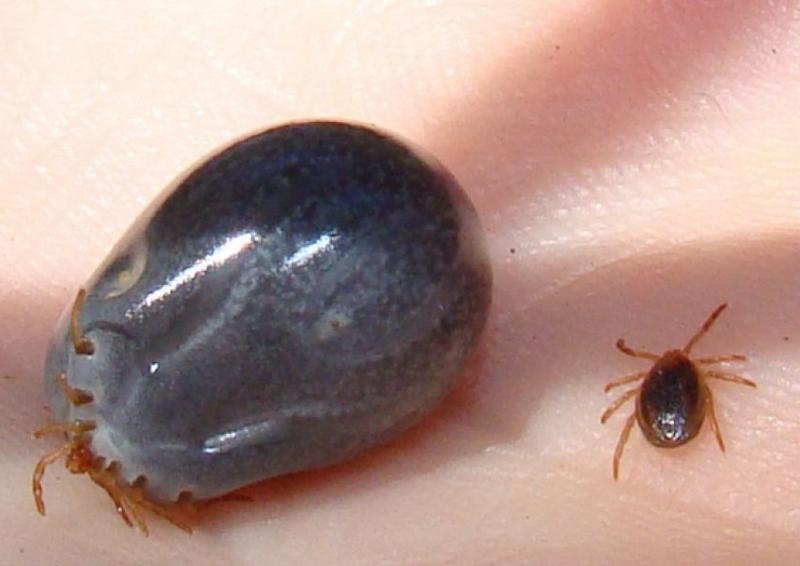
After satiating themselves with blood, the males detach from the skin to digest food, while the females are capable of drinking blood for up to a week, greatly increasing in size.
Not all ticks carry encephalitis. The danger in warmer months comes from members of the Ixodid family, which are found almost everywhere (except Antarctica). Even if a tick is infected, a dog or cat that picks it up while out walking has a chance of avoiding the disease, as the transmission of infectious agents is not instantaneous.
Members of the Ixodid tick family are small (adult males are 2.5–3.5 mm, females reach 4.5 mm), brown or almost black in color, and have four pairs of legs. Their bodies are covered with a chitinous shell, and their mouthparts are designed to cut into the skin and reach blood vessels. When engorged, the ticks become lighter in color; males detach from the animal's skin to digest their food, while females can feed on blood for up to a week, greatly increasing in size. It is impossible to distinguish a parasite that carries encephalitis from a harmless one based on external signs. The analysis for the presence of encephalitis pathogens is carried out in a laboratory, where the tick is submitted for examination.
The bite goes unnoticed by the animal, as the parasite injects an anesthetic through its saliva. Detecting the arachnid's mark in the thick fur of cats and dogs is quite difficult. The wound is a round spot approximately 2–3 mm in diameter, ranging in color from pink to dark brown. The area of the bite is typically swollen and edematous. Due to the tick's prolonged blood engorgement, regular examinations of pets may reveal the parasite attached to the wound, facilitating subsequent diagnosis of encephalitis.
Preventive measures before symptoms of the disease appear
If you find a tick on your pet, don't panic. Wear gloves to protect your hands from possible infections and use fine tweezers to carefully remove the tick.
It is not recommended to apply alcohol or oil to the tick, as it will begin to choke and, along with saliva, may release pathogens into the pet's bloodstream.
Ticks should be removed using twisting motions. If you're unsure whether you can remove the arachnid yourself, it's best to consult a veterinarian. The vet has specialized equipment that allows for quick and painless surgery. Afterward, the wound on the animal's body is treated with a 5% iodine solution or brilliant green.
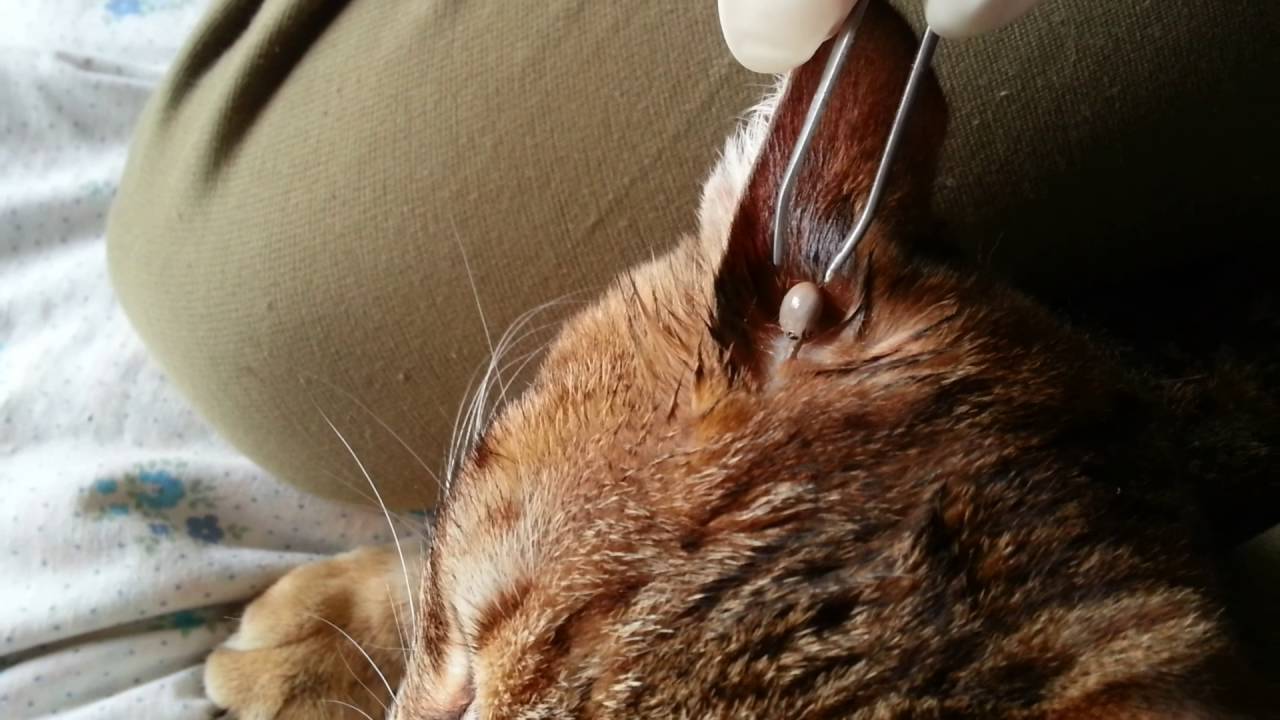
The tick should be removed using twisting movements.
It's not recommended to administer any medications or vaccinations to an affected animal on your own. Treatment is prescribed by a specialist based on the symptoms and the overall health of the cat or dog. The owner should simply closely monitor the pet, noting any changes in health or behavior.
Video: How to remove a tick
Symptoms and diagnosis of encephalitis in cats and dogs
Encephalitis usually affects pets that are at risk:
- animals under two years of age, whose body's defense mechanisms have not yet fully developed;
- pets over 8 years old with reduced activity of the immune system;
- individuals with other infectious diseases or who have suffered a head injury.
Typically, 1-2 days pass from the moment the encephalitis pathogen enters the animal's bloodstream to the onset of the acute stage of the disease, but in robust animals with strong immunity, the developmental phase of the disease can last a week or more. The length of the incubation period depends on several factors:
- previous vaccinations that help develop immunity to the virus;
- the age of the pet (in dogs and cats over 4 years old, the body's protective functions are most active);
- total number of parasite bites;
- overall health status;
- the appearance of the tick on the animal's body.
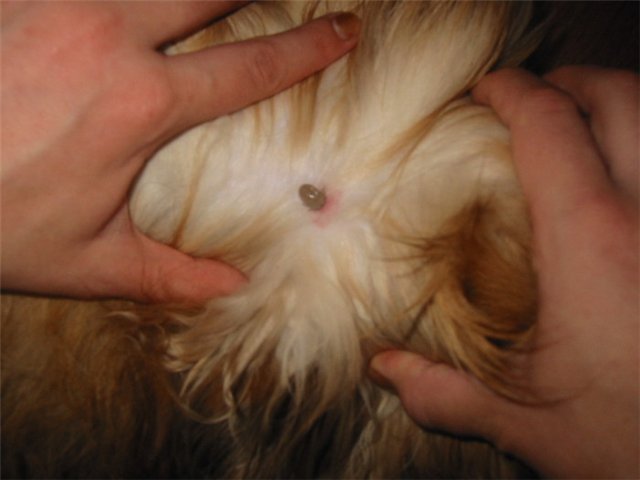
A tick's bloated body indicates that it has been on the animal's body for a long time.
If the parasite's body is swollen, its presence on the skin of a cat or dog can last anywhere from 2 to 10 hours, meaning it can take 20 or more hours before symptoms become apparent. The appearance of external signs of encephalitis depends on the animal's individual characteristics, but the general pattern of viral infection is as follows:
- increased body temperature, lethargy, drowsiness, refusal to eat;
- impaired coordination of movements, convulsions, even paralysis of the limbs;
- vomiting, bloody diarrhea, noticeable darkening of urine;
- hearing and vision impairment.
Typically, the first symptom to appear is lethargy, which owners may mistake for fatigue or temporary illness. If a cat or dog has been outdoors beforehand and there is a risk of parasite bite, it's important to monitor their pet's well-being and not miss the opportunity to recover from encephalitis.
The most accurate diagnosis of the presence of viral cells in an animal's body can be obtained in a specialized medical institution. In addition to a visual examination, the veterinarian performs a CT scan of the head to detect cerebral edema, takes blood and urine samples, and, if necessary, performs an ultrasound, electroencephalogram, and cerebrospinal fluid analysis. Comprehensive laboratory diagnostics allow for an accurate assessment of the animal's risk of infection and prescribe treatment based on the severity of the disease.
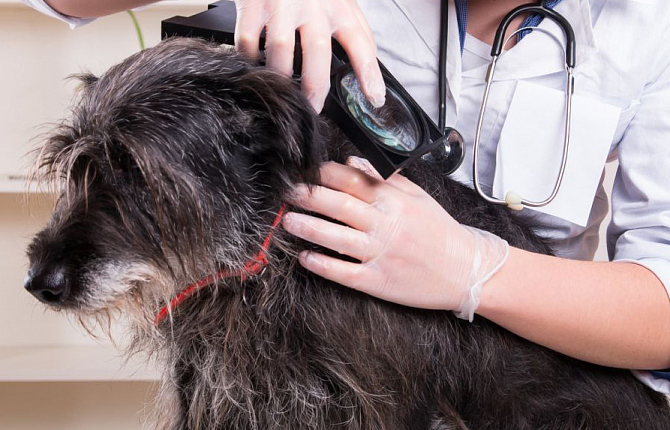
Laboratory diagnostics allow us to accurately determine the probability of an animal being infected.
Treatment
A pet infected with tick-borne encephalitis is hospitalized, where comprehensive supportive therapy is administered:
- with the help of diuretic drugs (Furosemide, Veroshpiron) the swelling is relieved;
- use intravenous infusions of saline, glucose solution or Ringer's solution to detoxify the body;
- Diazepam and Phenobarbital are prescribed to relieve seizures;
- Antibiotics and glucocorticosteroids are mandatory, as well as drugs to improve brain function (Cerebrolysin, Phenibut).
The treatment regimen in each specific case is determined by the doctor based on the causes and conditions of the disease.
Possible consequences
Viral infections attack red blood cells, destroying them from the inside. This is associated with complications that develop in dogs after treatment begins. The strain the body experiences while fighting the virus negatively impacts all systems:
- renal, hepatic and cardiac failure occurs;
- as a result of deterioration of metabolic processes, chronic anemia appears;
- Brain damage leads to swelling, accompanied by seizures, and death.
Since there is no exact treatment for cats, there are three possible courses of the disease:
- incubation period, acute form and spontaneous healing;
- long incubation period, developing into chronic meningitis;
- an acute course of a disease, the outcome of which is death or irreversible changes in the body despite the treatment measures taken.
Methods of encephalitis prevention
The various medications designed to protect pets from encephalitis do not guarantee 100% effectiveness. Effectiveness largely depends on the animal's immunity, as well as the correct application and timing of the medication. The range of topical products available in pet stores includes:
- Insecticide-impregnated collars. These products come in the form of a strip packaged in a bag, which is selected based on the circumference of the pet's neck. They target the ears, neck, and withers of pets with anti-tick protection, leaving the groin, armpits, and abdomen unprotected. An additional benefit of these collars is their ability to repel fleas and lice. However, the presence of several pets in the house, who may groom each other, and small children, makes this method of protection dangerous.
- Tick drops. For convenience, purchase the product in a pipette and apply small amounts evenly to the animal's skin, parting the fur. Apply at least 2-3 days before the planned outdoor trip. The effect of the product begins after 24 hours and lasts for up to 1 month. To enhance the effect, it is recommended not to bathe the pet for 1-2 days after application.
- Shampoos. These are used as a supplemental treatment, with effects lasting up to one week. This treatment is most often used by owners of small breed dogs that don't require long walks outdoors. Do not shampoo a pet that has recently been treated with drops.
- Anti-tick spray. The ease of application to the animal's fur, which protects vulnerable areas, attracts owners to this method of tick prevention. The product is applied outdoors, observing safety precautions. The disadvantages of this product include toxicity if inhaled, and its high cost.
Among the manufacturers producing drugs and products for the prevention of encephalitis, the following have earned the trust of cat and dog owners:
- Dana,
- Leopard,
- Celandine,
- Stronghold,
- Frontline.

Encephalitis prevention medications will provide your pet with additional protection.

Veterinary clinics offer dog owners a preventative vaccination against tick-borne encephalitis. Vaccination is permitted for puppies from the age of five months, and the effectiveness of this method of combating the pathogen is 75–85%. There's no definitive answer to how your pet will respond to the vaccine and whether they will develop immunity to the virus. Each dog's reaction to the vaccine is unpredictable. Therefore, you should carefully weigh the risks and potential consequences before agreeing to vaccinate your animal.
Owner reviews of preventative measures
Pet owners give positive feedback on tick-borne encephalitis prevention products intended for external use.
This year, tick season started back in February. We decided to get some extra protection in the form of a Bolfix collar. For a month, running through the grass and everywhere else I could, as usual, I didn't find any ticks (attached) on my dog. I can definitely conclude that the collar works, and quite well.
I think Frontline is one of the most popular tick repellents among dog owners. If you use the original product, tick protection is guaranteed for the entire season! Furthermore, Frontline spray is very convenient for treating fleas on dogs kept in kennels, as well as on other dogs that are difficult to wash for whatever reason. It's also very convenient for treating bedding for these same insects. Another plus is its non-toxicity—I've tried it on my dog, and I haven't heard any complaints from friends.
A careful approach by owners plays a significant role in the diagnosis and treatment of encephalitis in cats and dogs. Examining pets after every walk, using available preventative measures, properly removing any parasites found, and treating the bite site will, in most cases, help preserve the pet's health and, in some cases, even save its life.