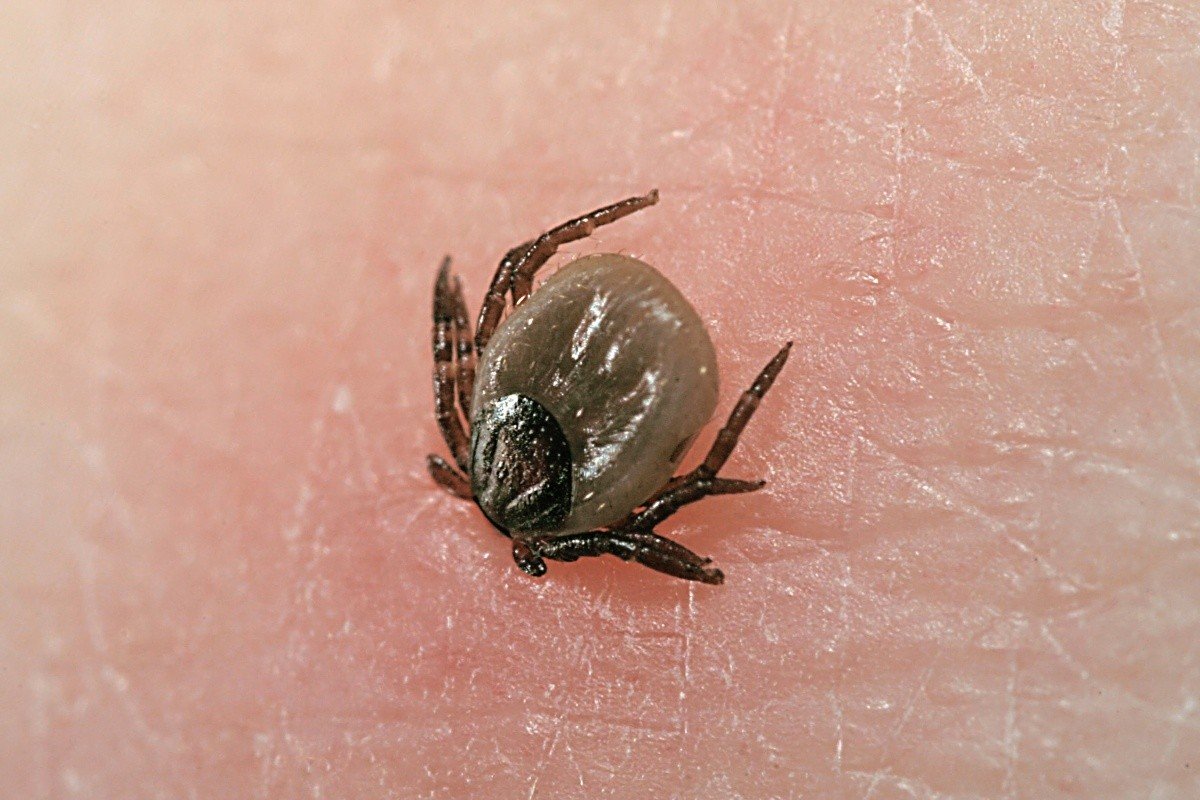
If you've been bitten by a tick, don't panic. Not all ticks carry infections. To determine whether the insect is infected and, if so, to prevent the disease in time, get it tested.
How to store a removed tick
The longer a tick feeds on blood after biting into the skin, the more infection it introduces into the body. Therefore, if you notice a bite, you should seek medical attention immediately to have it removed or, if that's not possible, remove the tick yourself. However, even if it's removed quickly, the risk of infection remains. In any case, the tick must be submitted for analysis.
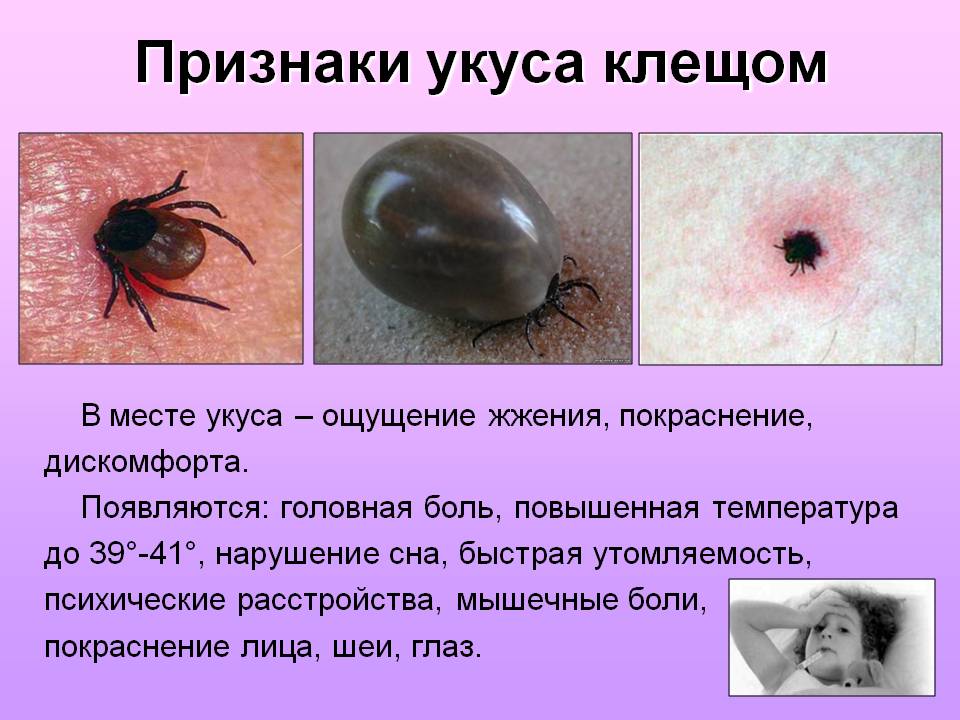
Sometimes the tick detaches from the bite site, in which case you should focus on the bite mark and your well-being
Ticks are removed at emergency rooms in your area 24 hours a day.
Ticks are usually accepted for testing alive. Some laboratories perform diagnostics using PCR, a very in-depth test based on the search for fragments of genetic information, making it possible to detect the infectious agent even in individual particles of a dead tick. However, this diagnostic method is not widely available, even in large cities. To make the doctors' job easier, you should try to remove the tick alive.

To keep the tick alive until analysis, it must be stored in a cool place, in a tightly closed jar with wet cotton wool or gauze.
A tick removed from the skin should be submitted for examination as soon as possible, within a maximum of three days. Until then, store it in the refrigerator in a clean glass container (jar or bottle) with a tightly sealed lid. Add a piece of cotton wool, slightly moistened with water, along with the tick.
Where to take a tick for testing
- If you discover a tick attached or a bite, you should contact an ambulance for advice. They will advise you on how to properly remove the insect and direct you to the address where you should take it.
- You can go to the clinic; the reception desk should provide the necessary information;
- If the tick was removed independently and you have internet access, you can search for the address there. Ticks are typically tested at infectious disease hospitals.
If you have compulsory medical insurance, state institutions provide testing free of charge. It's important to remember that they are only open on weekdays. On weekends or if you don't have insurance, you can submit your tick for testing at a private lab. The cost will depend on the specific organization and the infections being tested; the average price for a comprehensive test is approximately 1,500–2,000 rubles. If you're short on money and need to decide, testing for tick-borne encephalitis is your first priority.
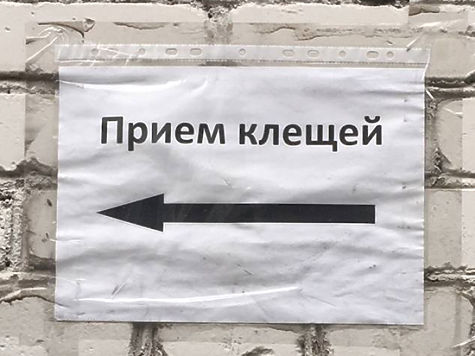
Before the onset of warm weather, it is better to find out in advance the addresses and phone numbers of places where ticks are accepted and examined.
Results are usually ready the next day, maximum within one or two business days.
Even if no infectious agents are found in the tick, you should monitor your health for a month or two, and if you experience fever, malaise, persistent headache, or other symptoms, consult a doctor immediately.
What additional tests are needed?
There may be situations where it's impossible to determine the presence of infection by testing the tick. For example, if only the bite site is found or the tick cannot be removed alive. In this case, or if the tick is infected, a blood test is necessary. However, there's no need to rush to the clinic for a blood test—determining the presence of infection this way is only possible some time after the bite. This depends on the disease the tick is infected with and the blood test method used:
- It is better to perform a PCR test for the presence of tick-borne encephalitis and borreliosis pathogens 10 days after the bite;
- Blood tests for antibodies (IgM) to tick-borne encephalitis should be performed after 14 days;
- Blood tests for antibodies (IgM) to tick-borne borreliosis should be performed after 21 days.
If only the bite site is found without a tick, it is worth testing the blood for both infections.
Public hospitals don't perform such tests, as they're rarely needed and aren't covered by state health insurance. The cost at private clinics varies depending on the specific organization, region, and diagnostic method. On average, it ranges from 500 to 2,000 rubles.

If you feel unwell after giving blood for analysis, you should consult a doctor without waiting for the results.
If your test results are positive, you should see an infectious disease specialist within 3-4 days of receiving them. You should also see a doctor if:
- the bite site turned red;
- the temperature rose;
- headache or pain in other parts of the body;
- there is vomiting, dizziness.
Reviews
I was also bitten by a tick once. I noticed it late, it was a weekend, and on Friday I suddenly felt something soft in my belly button. I looked, and there was a tick. I went to the emergency room, the doctor removed the tick, and complained that it was too late to give an injection. I sent the tick to the lab, and I was so worried, but fortunately, my tick turned out not to be contagious.
I had a tick tested for Lyme disease at the Mokva Center for Hygiene and Epidemiology, as recommended at Filatov Hospital, and the tests showed it was clear. Because I had to run around to various doctors, I missed the deadline. I also had to take antibiotics for 21 days instead of a week. So, I'm going to have it tested.
You go online. Everything's written down. 1) Take the tick in a jar on a damp cotton ball (or even just parts of the tick) to INVITRO. It's best to deliver it within a couple of days. You'll get a response within a day, for about 3,500 rubles. There are no lines, this chain has plenty of locations, and they do PCR diagnostics, which is reliable. The answer covers four infections. 2) Prevent Lyme disease (you don't have to wait for an answer from INVITRO and can play it safe) - take regular domestic doxycycline (200 mg daily) for three to five days after the bite. That's it. I hope this helps someone. And yes, buy a tick removal loop at a pet store.
Tick infestations are covered by insurance companies that provide mandatory health insurance and other services. This is called supplementary health insurance. This insurance even covers some services not covered by mandatory health insurance. Vaccinations and preventative measures are recommended. Wear protective clothing and use repellents. It is recommended not to remove ticks yourself. Contact an emergency room or a trauma center promptly. Get tested for ticks. If you haven't been vaccinated, you need an immunoglobulin injection. Your doctor may prescribe iodantipyrine for disease prevention. Under no circumstances should you leave things to chance.
If you discover a tick bite, you should go to an emergency room or clinic immediately. Doctors will professionally remove the tick and test it for dangerous viruses, as well as recommend additional tests and urgent disease prevention measures. After the bite, you should also monitor your health, and if you feel unwell, consult an infectious disease specialist immediately.