Other useful information
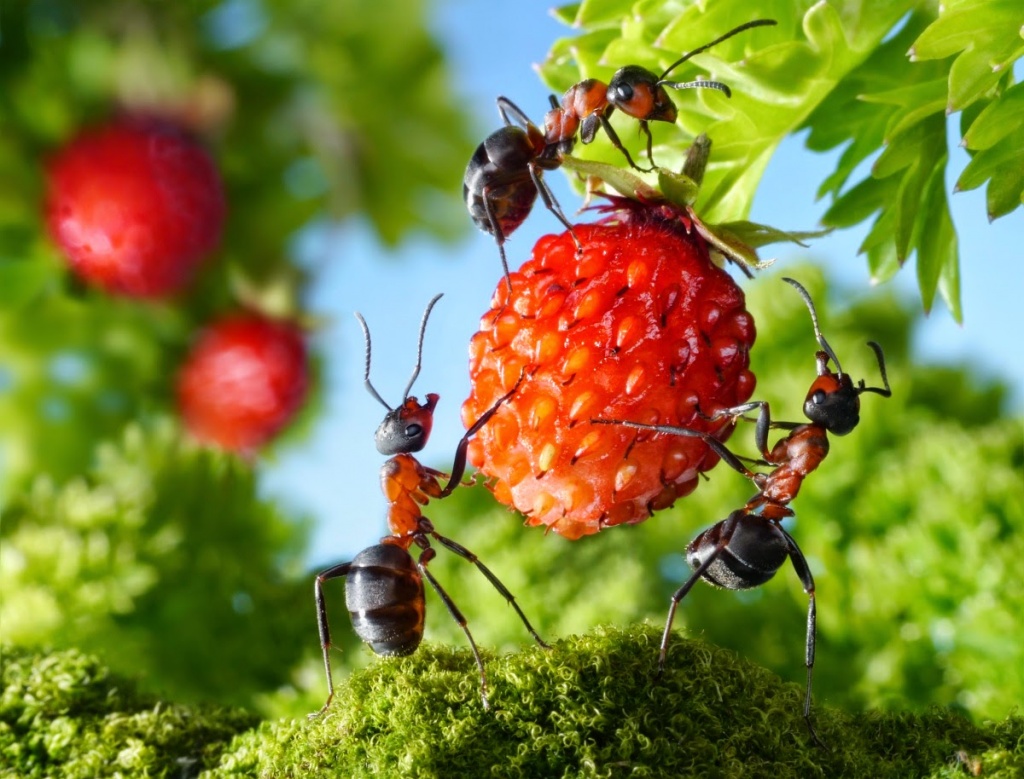
Since childhood, we've known that ants are useful workers, helping humans fight pests. Entomologists consider ants to be one of the most evolutionarily advanced insect species. However, sometimes these helpers become pests themselves. Having bred in a garden or infiltrated a home, ants begin to spoil food and gnaw on plants. That's when it's time to consider pest control methods.
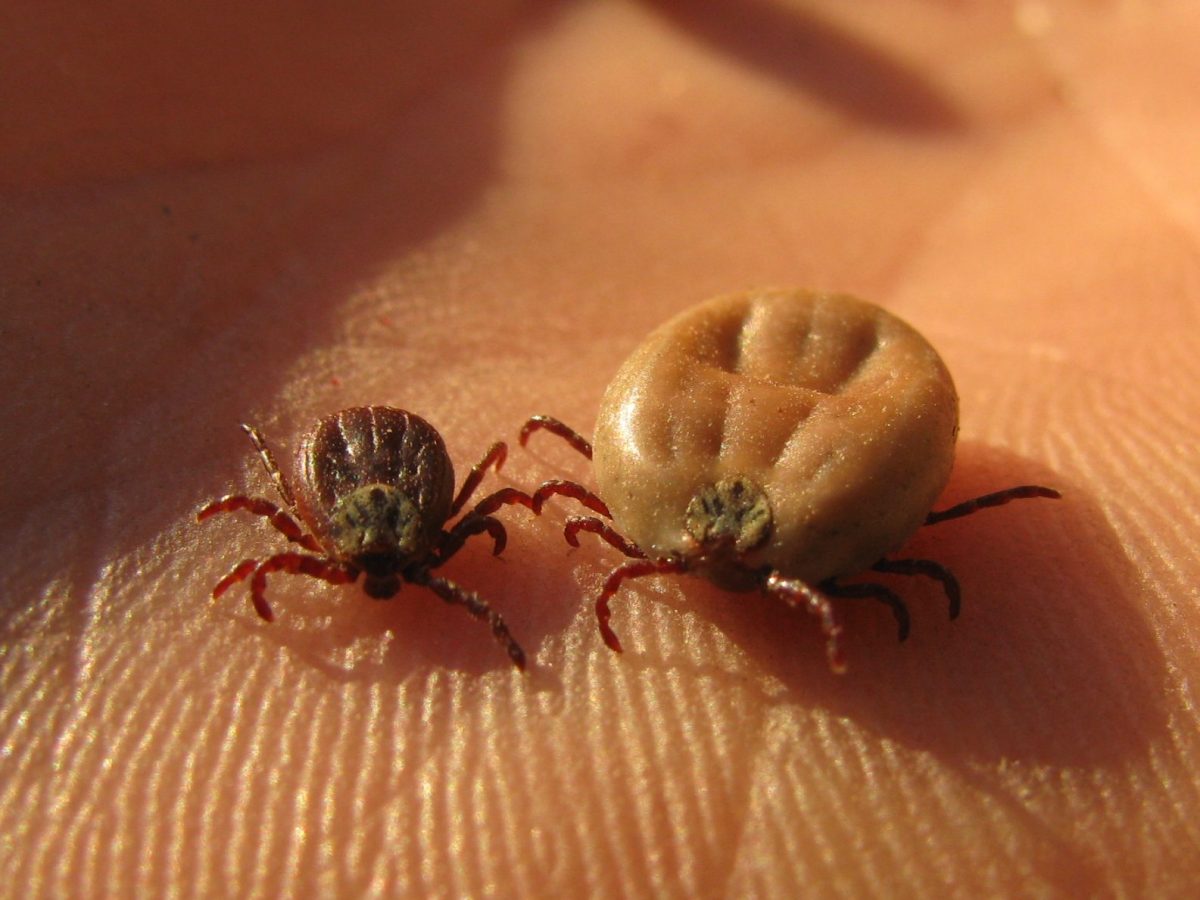
Tick-borne infections are known to be spontaneous. It's no longer necessary to venture into the forest to be at risk. Ticks are migrating en masse to urban forest parks, settling near residential areas, and invading pastures and farmland. The Ixodid family of arthropods is extremely dangerous, and, no less important, it's also the most studied. These ticks are the guardians and, more importantly, the carriers of dangerous pathogens that cause infectious and parasitic diseases in humans and animals. Ixodid ticks have been known to harbor over 300 species of harmful microorganisms, including viruses, bacteria, trypanosomes, rickettsia, and piroplasms.
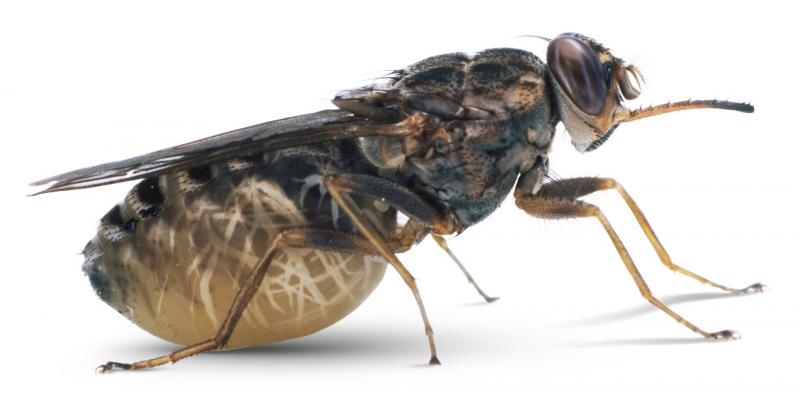
We're used to thinking of flies as harmless insects that cause virtually no inconvenience. Moreover, they're the first harbinger of summer and a source of entertainment for pets. However, there are varieties of these insects that can become a real problem and even life-threatening. One such example is the tsetse fly.