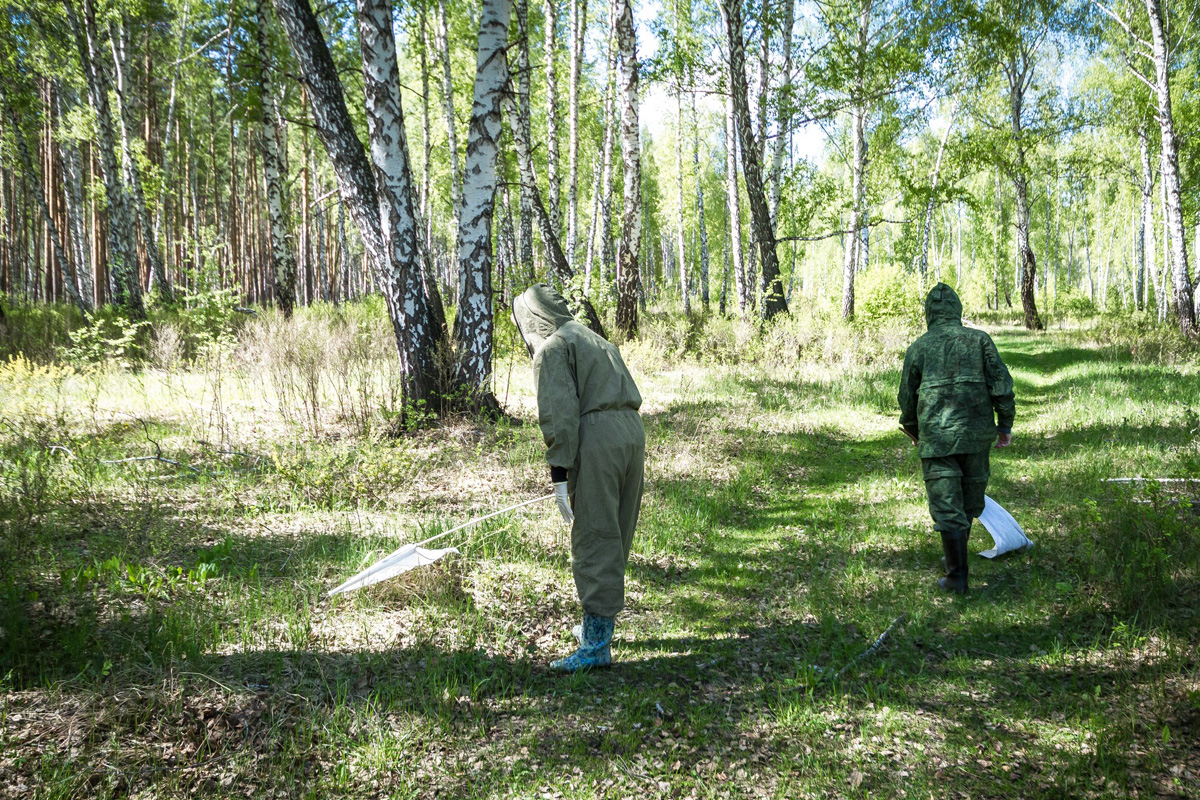
The word "tick" is usually associated with danger. After all, these parasites carry encephalitis and other diseases. However, ticks are active during specific months. Knowing where and when you might encounter a tick will make it easier to protect yourself.
Content
Ticks: General Information
It's a mistake to consider ticks insects. Biologically, they are more closely related to spiders. This is noticeable under high magnification: they have eight legs and a characteristic rounded body shape. Their size ranges from 0.1 to 5 mm.
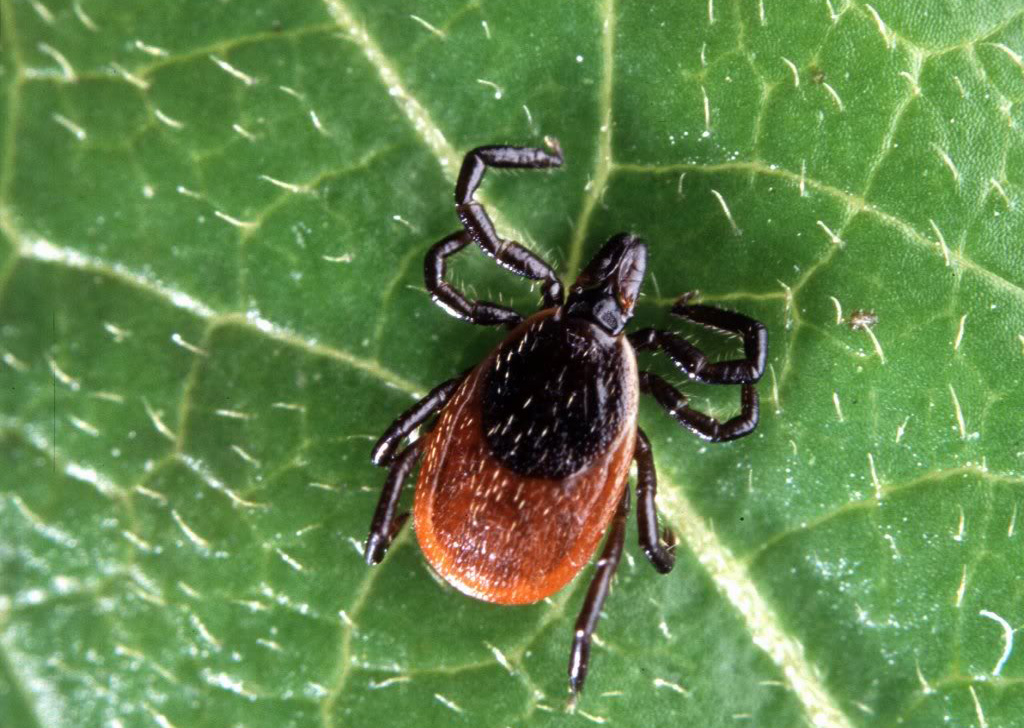
Ticks usually attack during the warm season.
Granary mites destroy flour and grain, spider mites are plant pests, subcutaneous mites cause acne in humans, and ear mites cause itching in the ears of humans and pets.
According to the method of nutrition they are divided into two types:
- Saprophagous organisms feed on organic matter. Among them, some are beneficial, helping to form fertile soil—humus. However, most are harmful to agriculture and human health.
- Predators feed on the blood of animals and humans, as well as plant juices. This group, and more specifically the blood-sucking ticks, includes the European forest tick and the taiga tick, which carry encephalitis, Lyme disease, and other dangerous diseases. These ticks are also called encephalitis ticks, although they are actually already infected.
Life cycle
Let's take a closer look at the mentioned parasites.
Taiga tick
A representative of the Ixodid group, the largest and most developed of the order. It feeds exclusively on blood.
The life cycle consists of four stages:
- Egg. Microscopic in size—0.0005 mm. They develop in groups, as the female lays an average of 2,000–3,000 eggs at a time. This is the only non-parasitic and immobile form of the tick. The female usually lays her eggs "before winter," meaning the larvae hatch with the arrival of spring and warmer weather.
Larva. After hatching, the light-brown larvae spread out several dozen centimeters from their point of emergence. They are 0.8–0.9 mm long. The larvae emerge when the average daily temperature rises above freezing. They dislike the cold and hide at night. However, with the onset of warmer weather, they become more active in search of prey. They parasitize all animals, even birds. They feed for 2–5 days, after which they leave the host and hide to await molting.
Nymph. At this stage, the tick resembles an adult in appearance and behavior, only smaller in size—1.3–1.7 mm. Taiga tick nymphs are most active in May and early July. This stage ends after the next feeding.
- Mature tick. Females are larger than males, reaching 3–4 mm; males, 2–3 mm. From the molting site, they disperse in search of food. Males do not feed, but may attach themselves to an animal or person for a short time. Females, once attached, remain on the host's body for 6 to 10 days. After engorgement, their size increases up to 8 times. After feeding on blood, the ticks return to their usual habitat. They are effectively parasites for only 2–7% of their lifespan. After feeding on blood, the female lays eggs in a secluded location and then dies. Adult ticks are active throughout the warm season, from when the average daily temperature rises above freezing until the onset of cold weather.
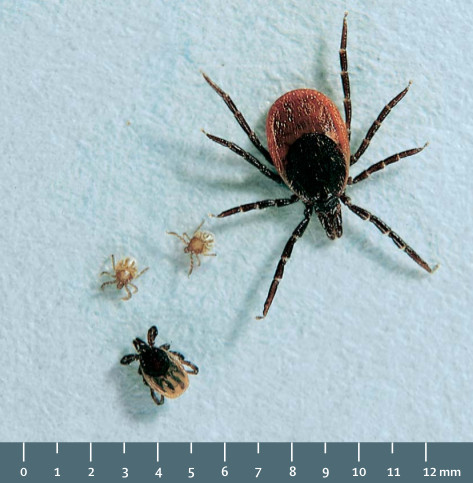
Ticks at the larval and nymph stages are similar to adults, but smaller.
The life cycle of taiga ticks typically lasts from 2 to 7 years, depending on their habitat. In regions with noticeable seasonal changes, they may overwinter. This applies to all developmental stages except eggs.
Well-fed females, unlike hungry ones, do not survive the winter.
European forest tick
The life cycle of the European forest tick is generally the same as that of the taiga tick. The differences are minor, relating only to the duration of the stages and the size of the individuals. The size of this species of tick ranges from 1.5 to 6 mm.
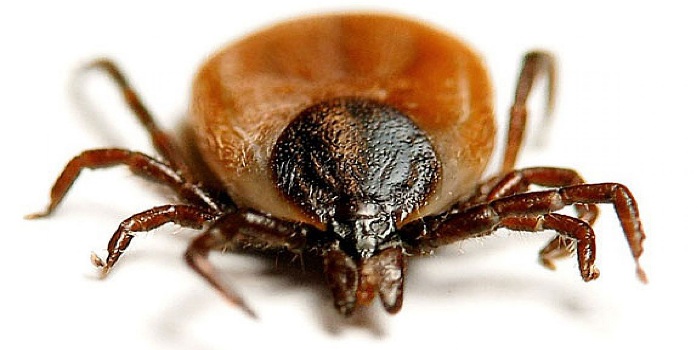
A peculiarity of the European forest tick is that its nymphs are active in autumn, as adults have time to lay eggs in summer.
Nymphs that manage to molt before the onset of cold weather become adults.
Both young adults that have not yet laid eggs and nymphs can hibernate.
Area of distribution of ticks
Ticks aren't found everywhere. For example, there's no need to worry about an attack in the Far North.
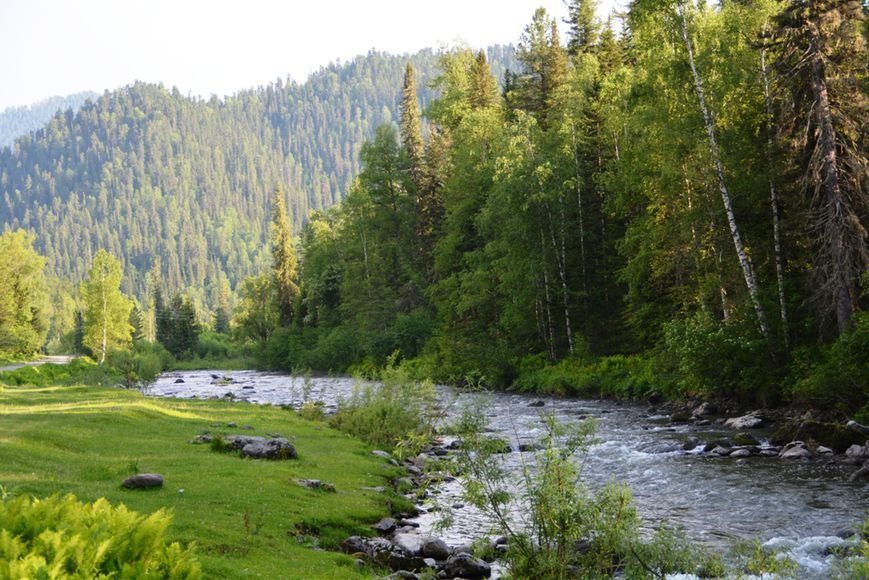
The risk of tick attacks is especially high where there are trees.
As for the taiga tick, this species lives primarily in the taiga, preferring coniferous and mixed forests. Consequently, it is common in the Urals, Siberia, and the Far East. There is also a risk of encounters in mountain taiga forests at elevations up to 3,000 meters. In the European zone, the tick's range is limited to the Baltic states, Belarus, and central Russia. In these areas, it is rarely encountered and is usually found at higher elevations.
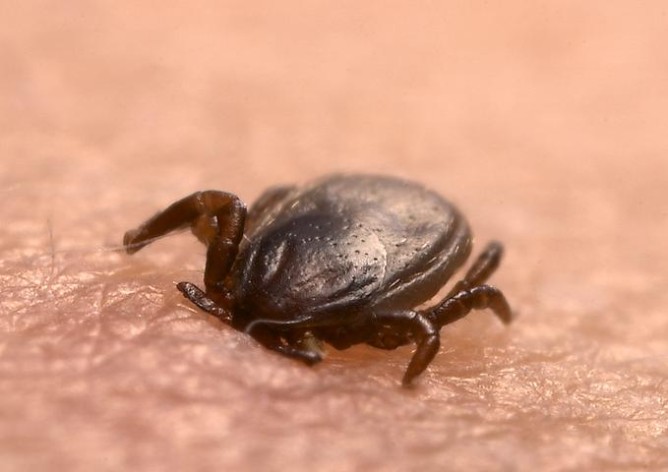
Parasites detect their potential prey from a distance of several tens of meters, thanks to a special organ that detects radiated heat, breath and, perhaps, even some odors.
The European wood tick is native to Europe, including the European part of Russia. It can also be found in Crimea, the Caucasus, Western Asia, and northwest Africa.
Tick activity by region
As a result of observations by Rospotrebnadzor, areas with the highest tick activity were identified.
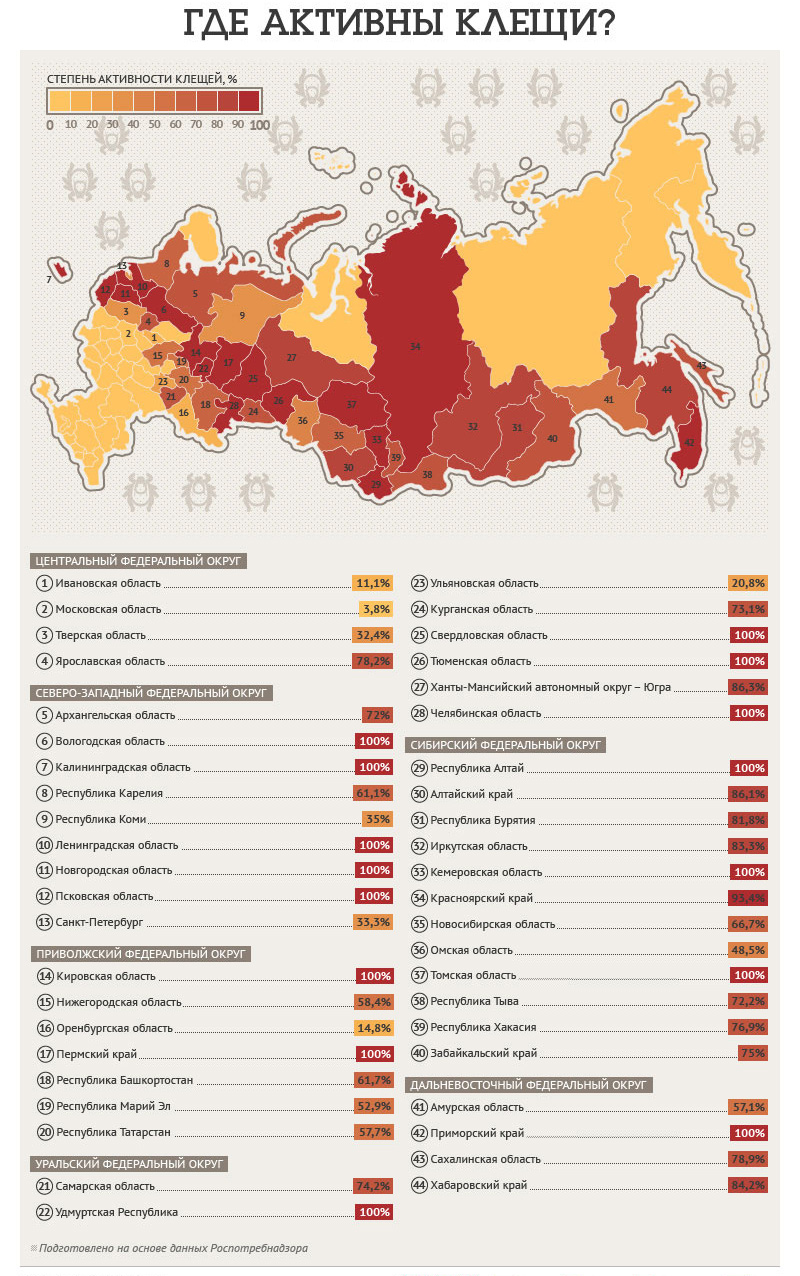
The map will help you understand which regions you need to be on guard in.
The most widespread attacks by ixodid rodents typically occur in the northwest of the Russian Federation—in the Novgorod, Pskov, Leningrad, Vologda, and Kaliningrad regions. Siberia, particularly the Tomsk and Kemerovo regions, as well as the Altai Republic, are also particularly active. Other regions of note include the Urals, Kirov Oblast, Perm Krai, Udmurtia, and Primorsky Krai.
Daily and seasonal activity of ticks
Activity varies depending on the parasite species and the specific region. In the European part of Russia, activity is highest in the summer. Ticks prefer warm, but not too hot weather, with high humidity and a temperature range from +7 to +22°WITH.
The season begins when night frosts have passed and the snow has melted. If the spring is warm, ticks can awaken early and begin hunting as early as March or April. In 2017, for example, due to an early warm spell in March, more than 150 people were bitten by ticks.
During warmer months, the risk of attack is high, so it's important to dress carefully and regularly inspect yourself and your children for bites. Ticks easily penetrate thin skin, so bites are most often found in the folds of the knees and elbows, the groin and armpits, the chest, neck, or head.
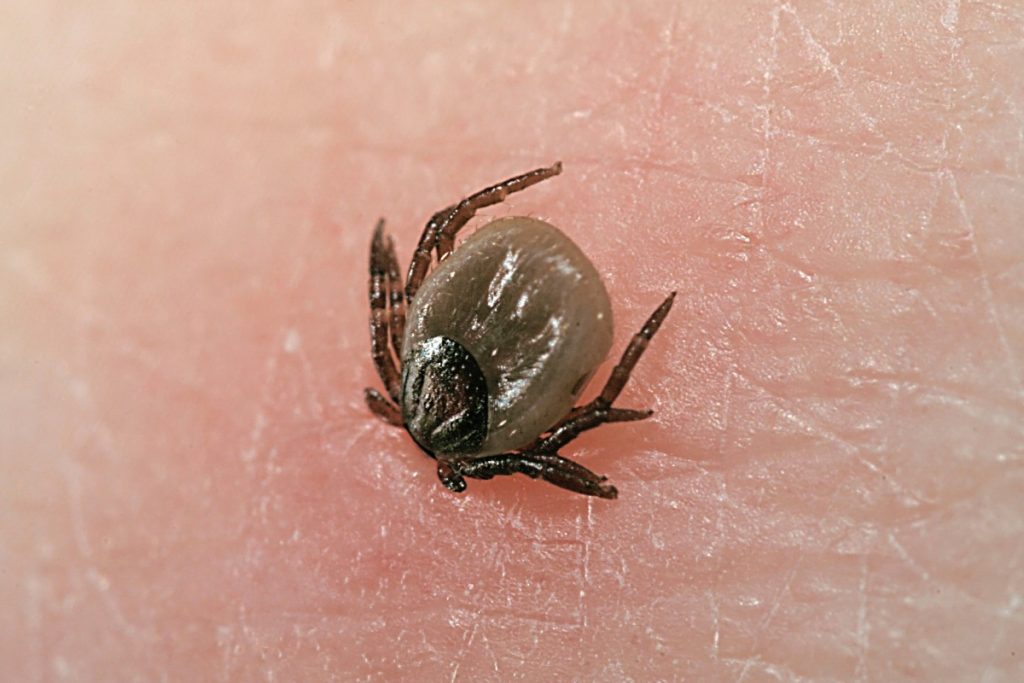
Ticks that have bitten into the skin and fed on blood increase in size several times
In the morning, from 8 to 11 o'clock, and in the evening, from 17 to 22 o'clock, you should be especially careful - ticks are active at this time. In hot weather, above 22°In dry weather, their activity decreases. This does not apply to cloudy, humid, or rainy days, because they do not distinguish between day and night.
The vital activity of parasites is mainly influenced by temperature and humidity.
Table: Tick activity in the European part of Russia
| Tick type/season | Spring | Summer | Autumn | Winter |
| European forest | High (May) | High (June, August) | High (September) | Low |
| Taiga | High (April - May) | High (June - August) | Low | Low |
Taiga tick activity
Activity begins with the snowmelt. Peak activity occurs in late May and ends in July and August. In the Far East, these ticks are active into September.
Since the new generation of adult taiga ticks does not feed and goes into hibernation hungry, there is no second wave of activity.
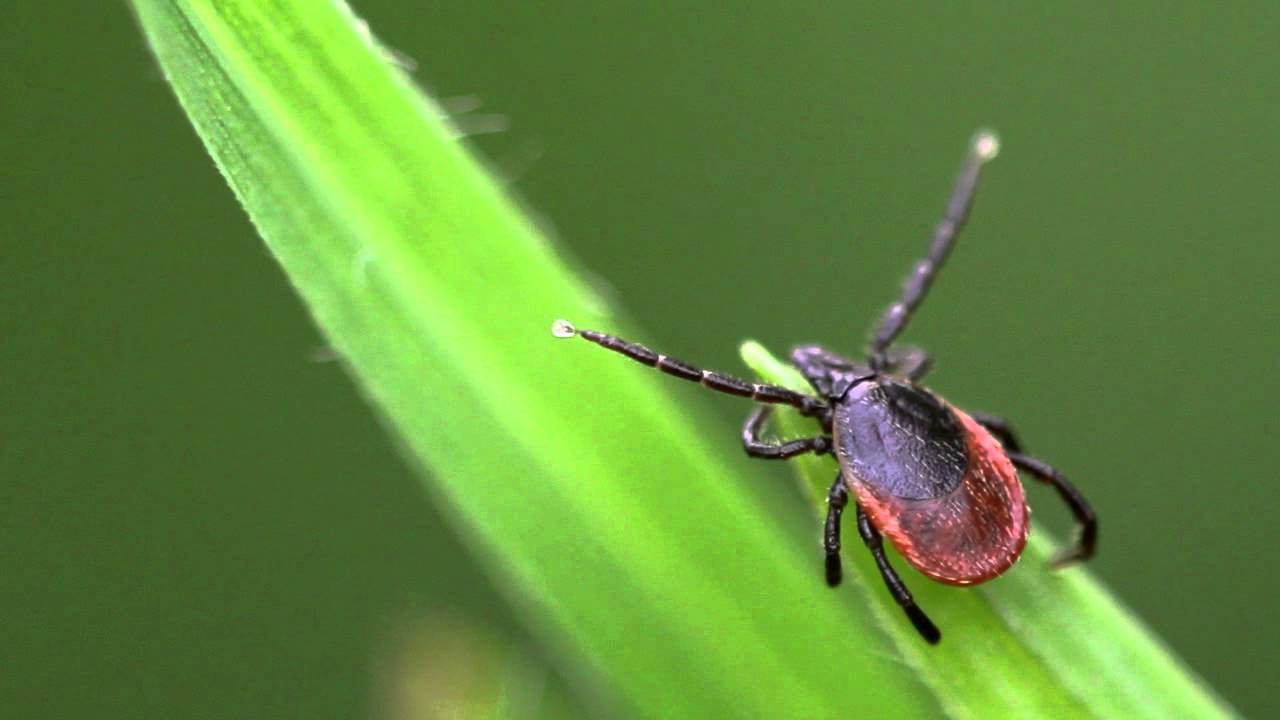
Male ticks very rarely bite people and animals.
European forest tick activity
In the southern part of their range, for example in Azerbaijan, tick activity peaks in December, during the winter. In European Russia, tick activity occurs throughout the warm season, with two peaks: in late May to early June and in August to September. In northern regions, ticks are most active in July.
The second wave in European regions is due to the emergence and activation of a new generation of parasites during the summer. In the north, due to the early onset of cold weather, young ticks overwinter before beginning to feed.
Video: Taiga tick
Those who do not live in the Far North should be aware of the danger of tick bites during the warm season and take precautions.