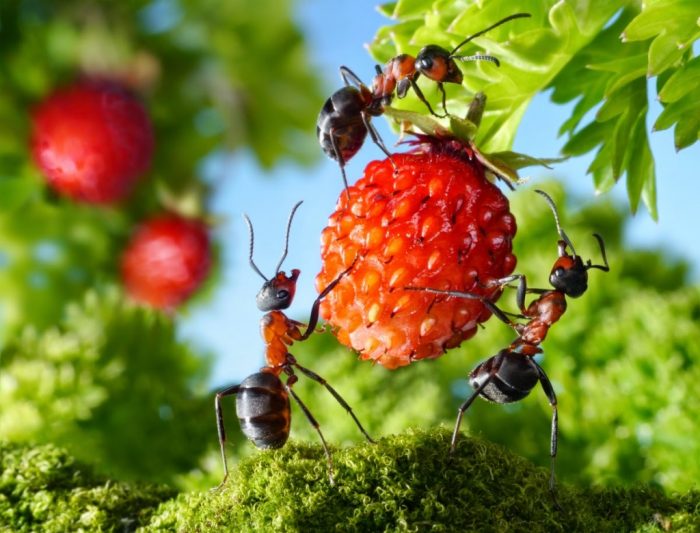
Ants sometimes evoke unpleasant feelings in people, most often a fear of being bitten. Garden and house ants are especially considered dangerous pests. However, most of them are beneficial to some extent.
The benefits of ants
Ants are amazing creatures with a complex social structure. Scientists believe these insects possess intelligence. In nature, they occupy their ecological niche, performing important functions.
In the forest
Many have heard that forest anthills should not be destroyed. This is true, and it's not for nothing that ants are called the forest's orderlies—they provide invaluable assistance.
Wood ants are protected by the state due to their usefulness. They are even artificially reintroduced to new locations.
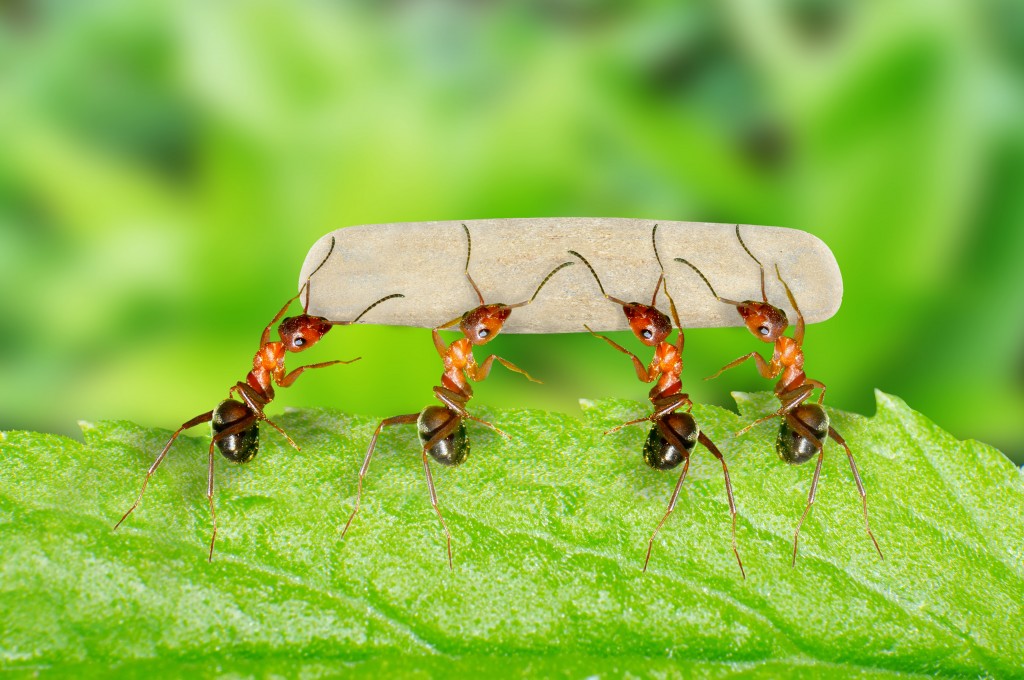
Red ants are the most common ants found in Russian forests.
- They eat harmful insects just like birds, but they do so 20 times faster than birds. In a single summer, the inhabitants of a single anthill can destroy several million pests.
- They promote the spread of plants: when ants carry the seeds they find back to their nests as food, some of them are lost, and thus the plants colonize new territories.
- These little workers not only spread seeds, but also pollinate plants, feeding on flower nectar.
- Ants are an important link in the food chain of forest inhabitants, as they provide food for many birds.
- Sometimes ants settle in dead trees, helping them decompose, thereby clearing the forest of rotten, decaying, and diseased specimens.
- Ants improve the soil. By making paths and constructing the lower levels of their nests, they can loosen the soil to a depth of up to half a meter, fertilizing and aerating it. This is why plants thrive near ant nests—they benefit from the fertilized soil.
Birds use ants not only as food, but also as medicine—to destroy body parasites, they “bathe” in anthills.
In the garden and vegetable garden
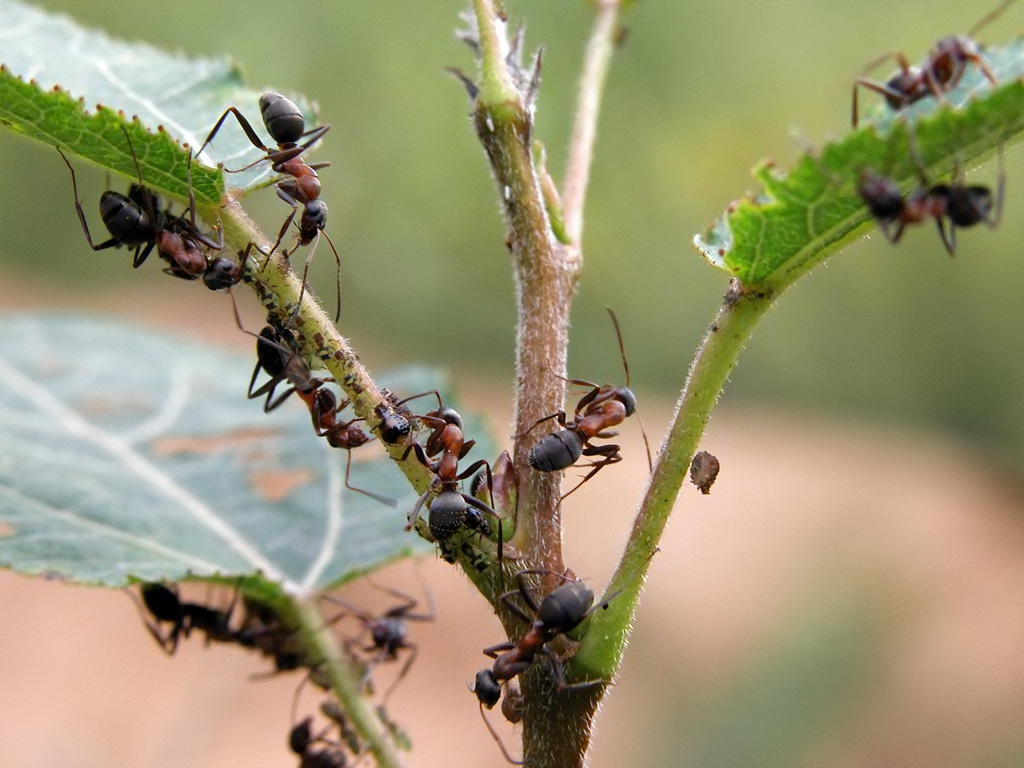
Gardeners dislike ants, considering them pests. This is partly true, as they protect and breed aphids and can also damage plant roots. But these little workers also have benefits:
- Black garden ants, like wood ants, are excellent soil looseners. In the process, the insects mix the soil with grass, humus, and animal remains. As a result, the soil becomes enriched with oxygen, nitrogen, minerals, and organic matter.
- Ants are enemies of insect pests (except aphids). They especially love to hunt the caterpillars of the ringed silkworm and the apple moth.

When the prey is too large, the ants attack together: some may hold the caterpillar, while others inject it with poison.
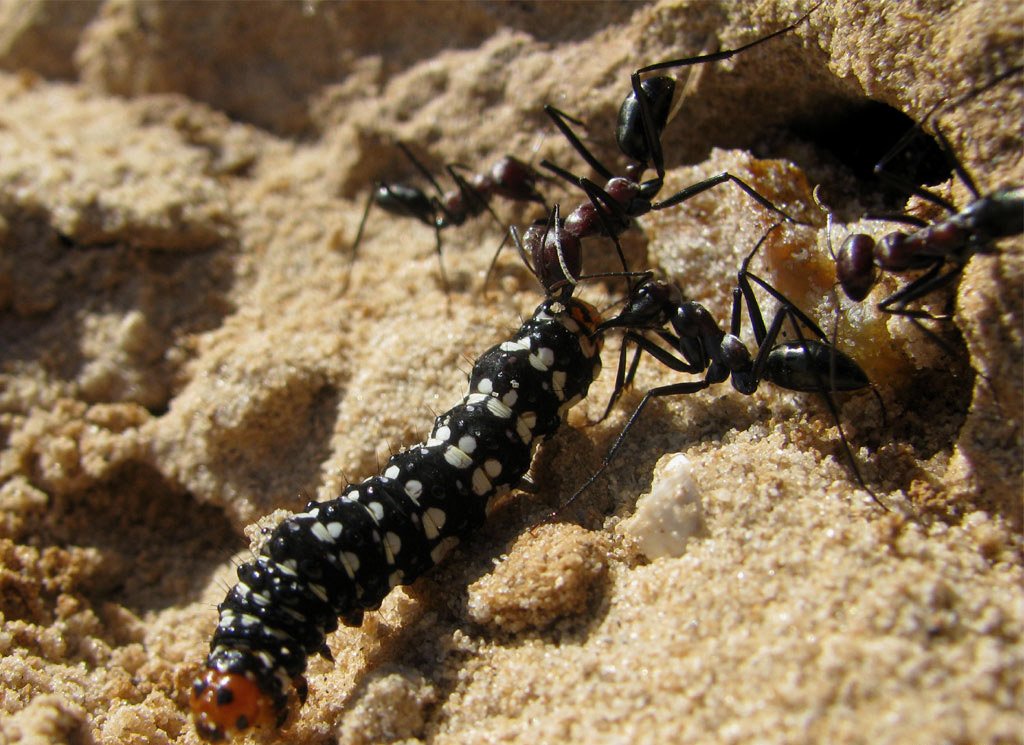
In fact, ants only cause direct harm to plants when they settle in garden beds, so unless their numbers have become excessive and the fruits are not damaged, there's no need to rush to destroy these natural pest control agents. To deal with aphids, you need to fight them first, not the ants.
If ants are overpopulating your garden, you can bring an anthill from the forest. Red forest ants will destroy the garden ants.
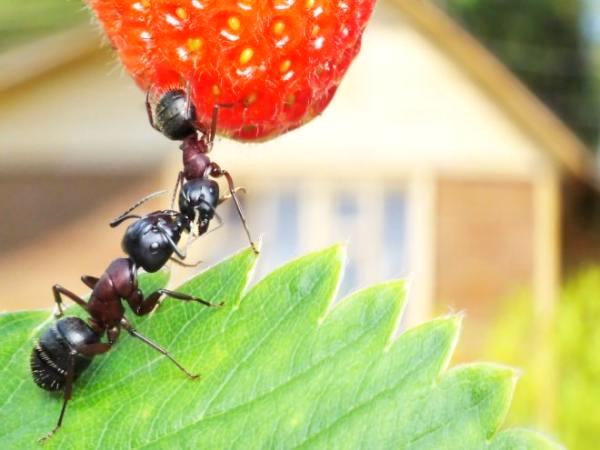
Garden ants are mainly dangerous for berries.
For people
Besides their benefits to forests and gardens, ants also provide benefits to humans. They are used to produce formic alcohol and other formic acid-based products.
Those who have eaten ants know their distinctive sour taste—it's caused by formic acid, a substance with antibacterial and antifungal properties.
Preparations based on formic acid are used in the treatment of:
- arthritis;
- neuroses;
- senile dizziness;
- hepatitis;
- purulent skin lesions;
- Ants are also used to make medicines with hemostatic properties.
Sometimes live ants are used for treatment, allowing them to bite the diseased parts of the body. However, this folk method requires great caution, as some people experience severe allergic reactions to ant venom.
Formic acid also has other applications:
- in surgery and pharmaceuticals it is used for disinfection as part of “pervomur” (a mixture of formic alcohol and hydrogen peroxide);
- when preparing agricultural feed (hay and silage) it is used as a preservative and antibacterial additive;
- used in beekeeping to control parasites;
- sometimes used in wool dyeing.
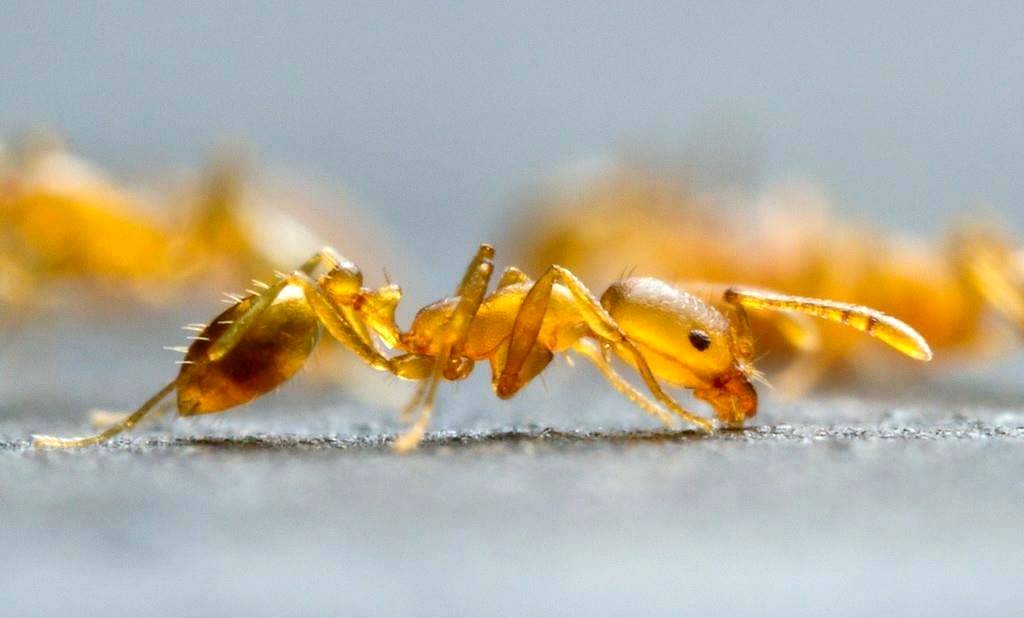
House pharaoh ants secrete substances that are harmful to bed bugs.
Some people find a use for ants in their homes, using them to rid houseplants of pests. It's worth noting that forest ants are better for this purpose. House ants, which spoil food and chew furniture, are of little use.
Reviews
I have ants living in many of my large tubs. I haven't noticed any negative effects. They don't eat anything. We probably have other things for them to eat besides citrus. I'm actually happy—the ants have made tunnels and loosened the soil. This creates good aeration and drainage. The soil dries out quickly. Then I'll move the tubs into the greenhouse, and the ants will flee with the cold weather.
There was a recent program about how to deal with garden ants. They recommended bringing a stump of wood ants from the forest. They don't breed aphids, they eat all the insects, and at the same time, they get rid of all the garden ants…
Ants—the forest's orderlies—are the ants that live in the forest! Forest ants, red, big ones! My plot was empty for years, pine trees grew there. There was an anthill, and the ants helped well for two seasons, killing caterpillars and other things. But in the third year, they left. And I've already gotten used to their help.
Most ants are beneficial. Even garden species, considered pests, provide some benefit. Therefore, before killing a hardy little ant, think carefully, because in nature, every living creature has its place.