Dogs
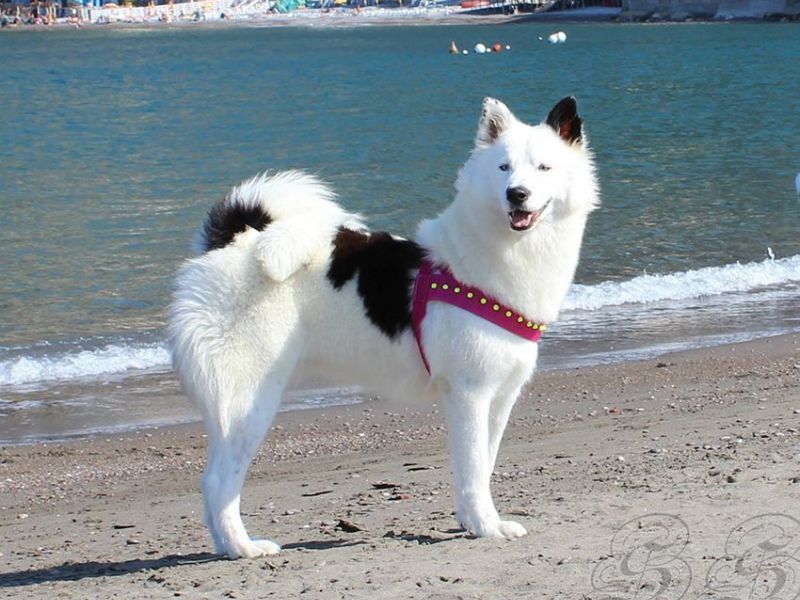
Many new dog breeders wonder how long their pets grow. At some point, inexperienced owners may feel as if their pet's rapid growth has suddenly stopped, and their beloved dog will forever remain a dwarf. Owners are also concerned about their pet's overly large ears, which appear disproportionate to the skull. In fact, these concerns are unfounded. In the first months of life, a puppy grows rapidly, then skeletal development slows, but continues. The ears of some breeds grow faster than the rest of the body, which is why pets appear protruding until a certain age.
In general, representatives of different breeds develop differently. Differences in development are especially noticeable between small and large dogs.
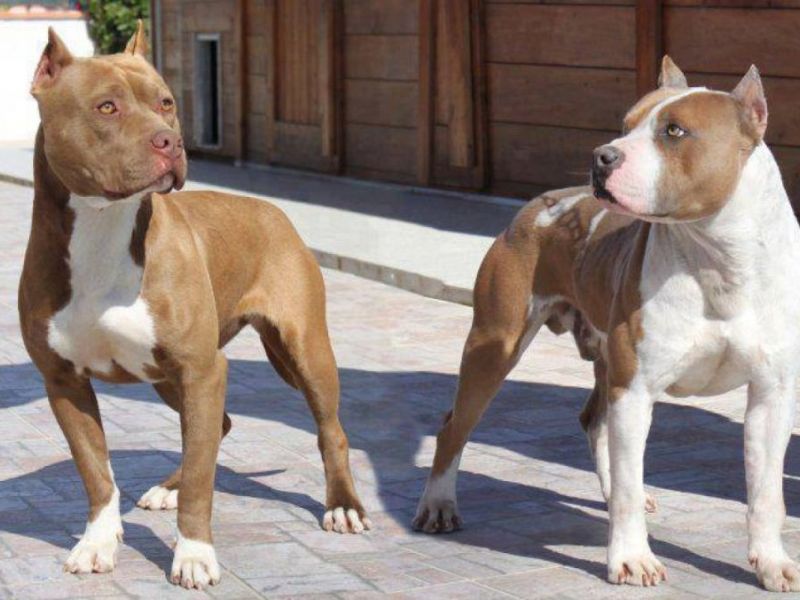
Some dogs are very similar to each other. For example, pit bulls and Staffordshire terriers have virtually identical appearances. These breeds are incredibly strong and powerful, guard dogs, and are bred for fighting. Despite their strength, quick reflexes, and aggression, there are also a number of differences, which is why many people often wonder which is better: a pit bull or a Staffordshire terrier?

Like people, dogs sometimes get sick and experience various ailments. Sometimes an owner notices their dog is constipated but doesn't know what to do. After all, it's clear the animal is suffering, and this condition is often painful. In such cases, it's important to know what to do, otherwise the consequences can be very serious.
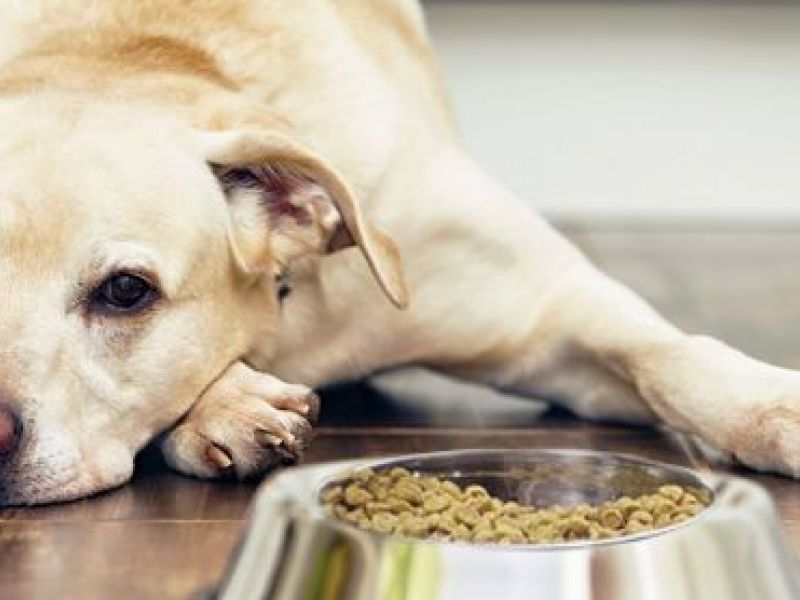

Pets depend heavily on their owners' care and are often very vulnerable. This is especially true during illnesses or poisonings. Therefore, a good owner will always be attentive to their pet and will not ignore any negative changes in its behavior. Signs of intoxication in dogs, for example, are easy to spot. Treating the poisoning itself is much more difficult.