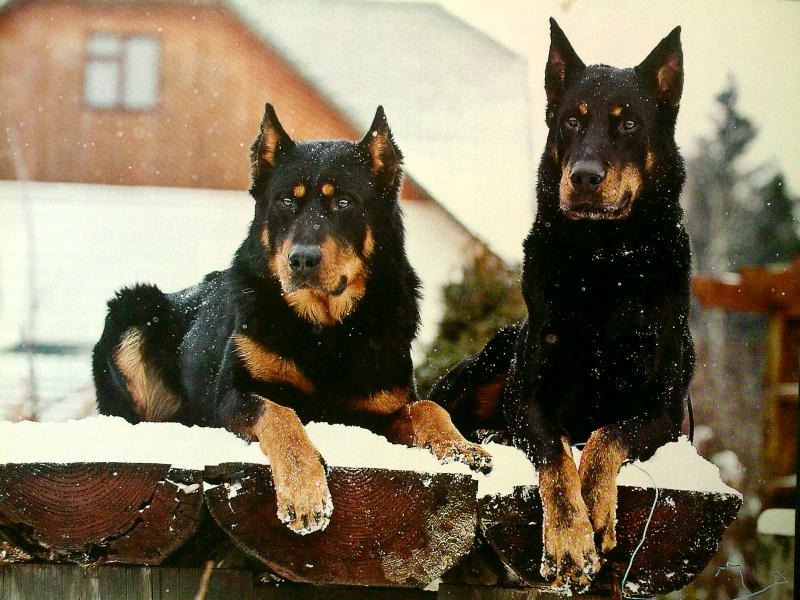
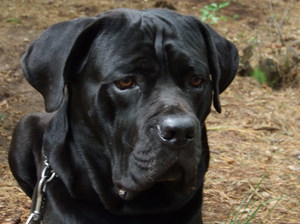
Many new dog breeders wonder how long their pets grow. At some point, inexperienced owners may feel as if their pet's rapid growth has suddenly stopped, and their beloved dog will forever remain a dwarf. Owners are also concerned about their pet's overly large ears, which appear disproportionate to the skull. In fact, these concerns are unfounded. In the first months of life, a puppy grows rapidly, then skeletal development slows, but continues. The ears of some breeds grow faster than the rest of the body, which is why pets appear protruding until a certain age.
In general, representatives of different breeds develop differently. Differences in development are especially noticeable between small and large dogs.
Small breeds
Small dogs develop quickly and are fully grown by the age of six months.
Nature has determined that these tetrapods are formed earlier than their larger counterparts:
- Toy Terriers grow the fastest of all breeds—some reach their full height as early as four months. Their standard height is 20–28 cm. Interestingly, individuals shorter than 18 cm generally do not produce offspring.
- Yorkshire Terriers reach their full height by 6 months, after which they spend another 1–2 months developing their body mass. They typically grow to a height of 22 cm.
- Chihuahuas grow rapidly until they are 7 months old. Their height typically ranges from 18 to 25 cm.
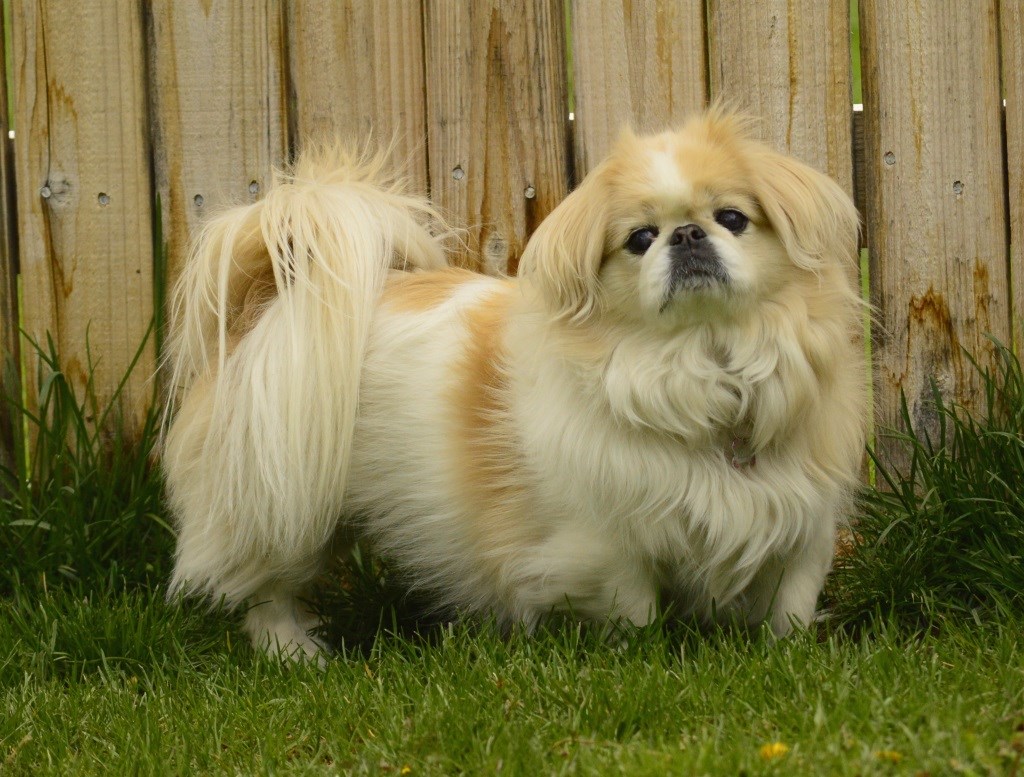
- The Pekingese develops within 9–12 months. The height of this breed ranges from 15–25 cm.
- The dachshund develops until it's 8 months old, only then does it begin to gain weight. Height standards: 14–28 cm.
Medium breeds
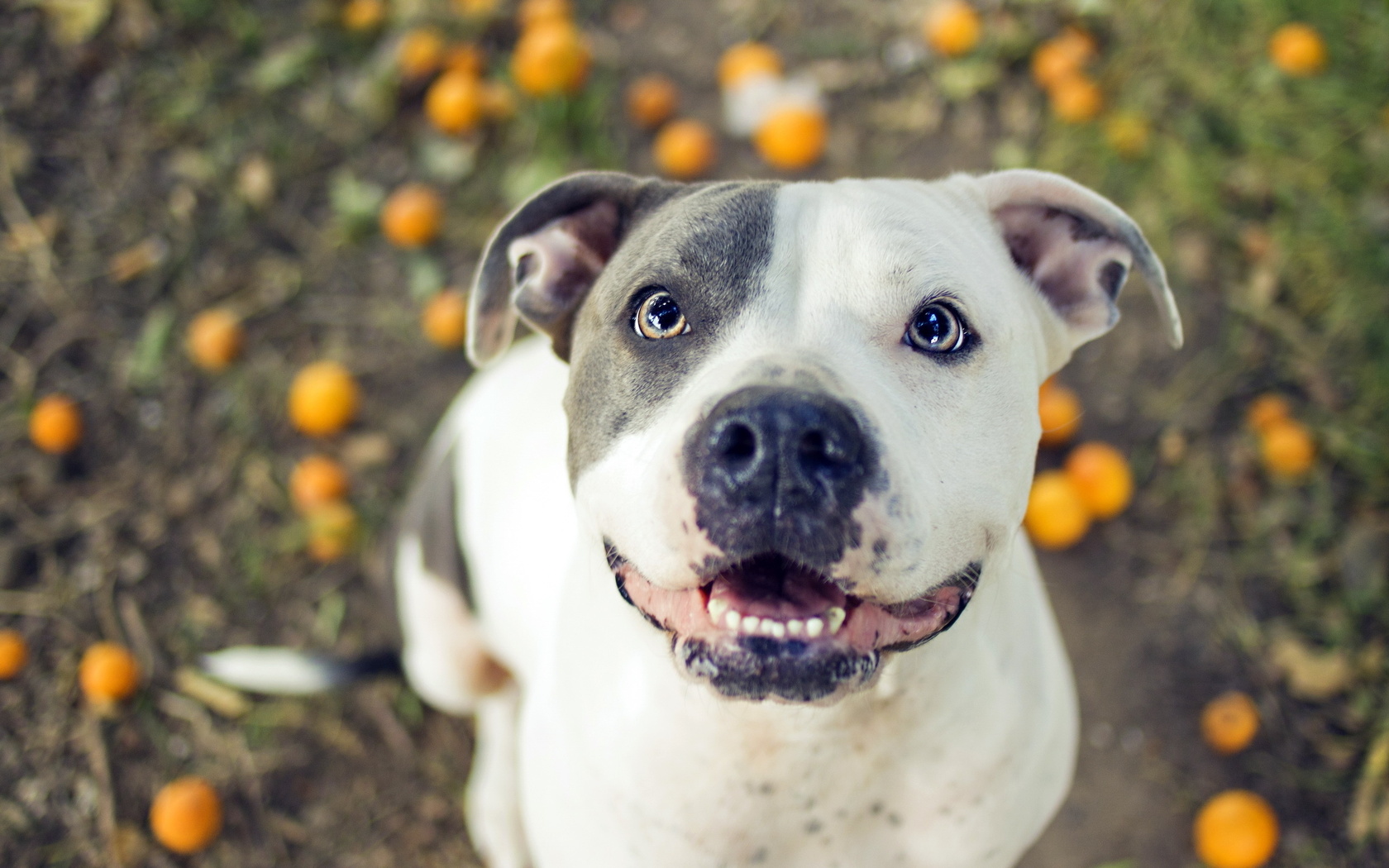
Representatives of medium breeds take longer to develop than small dogs.
In medium-sized dog puppies, skeletal development takes longer.
- The husky grows up to a year and reaches 60 cm.
- By 9 months, a pit bull reaches 35–60 cm in height. This breed places great emphasis on the proportionality of the pet's weight and height: a tall pit bull should be heavier.
- Chow Chows develop up to 11 months. Their height can range from 46 to 56 cm, depending on the animal's gender: females are shorter than males.
- French Bulldogs and Basset Hounds reach adulthood at 8–10 months. Their shoulder height should reach 35–40 cm.
- The retriever grows up to one year and can reach a height of 61 cm.
Large breeds
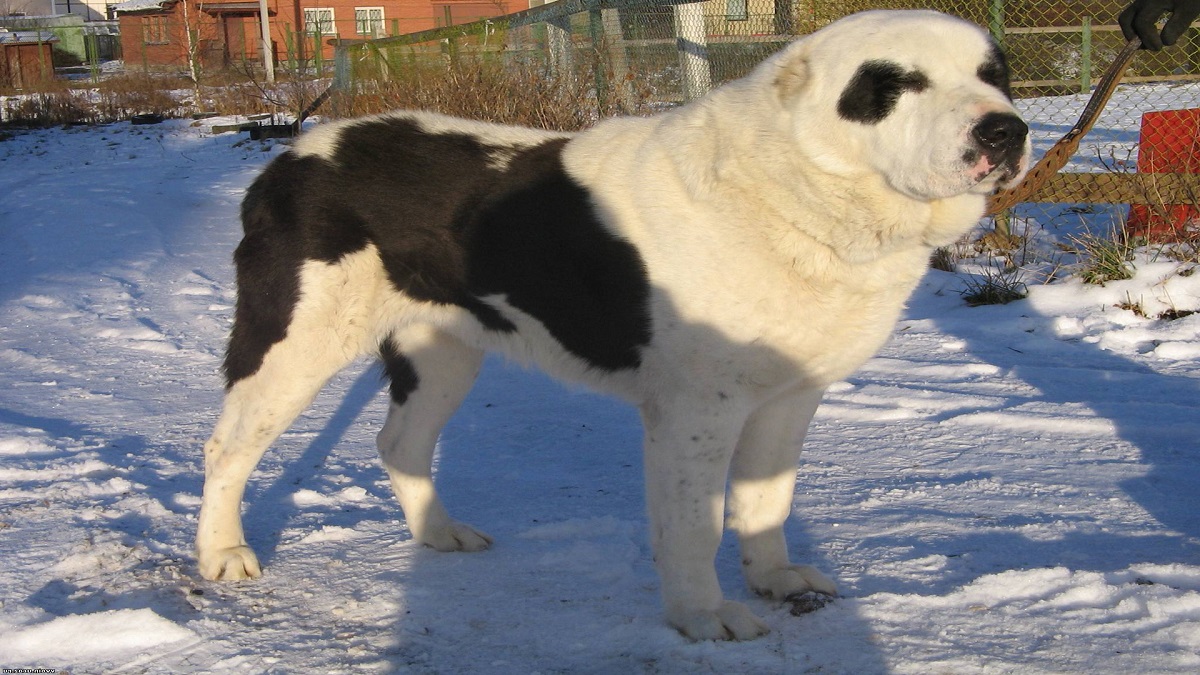
Large breed puppies continue to develop even after six months of age.
Large breeds take the longest to grow. A German Shepherd puppy, for example, grows for up to a year and then gains weight over the following year. For other large breeds, growth rates vary.
- The Labrador Retriever develops up to 1.5 years, reaching 62 cm.
- Irish Wolfhound - 2 years old, height 71-90 cm.
- The Great Dane grows for 1.5 years, the minimum height for males of this breed is 80 cm, for females - 72 cm, there is no upper limit.
- The Alabai develops within a year. Their average height at the withers is 70 cm, but some can reach up to 90 cm.
It's worth noting that a dog's growth often depends on nutrition and physical activity. Any childhood illnesses also play a significant role. There's no need to worry too much about your dog's growth, especially if you don't plan to show it. Far more valuable are its other qualities: love and devotion to its owner, trainability, and ability to protect its owner and family members.