An exotic pet isn't a typical cat or dog, or even a hamster or parrot. Many pets brought from other countries are no longer considered exotic, having become so commonplace. However, over time, people have begun to keep venomous snakes, tarantulas, and even lions and tigers in city apartments. Tragic incidents occasionally occur as a result, leading to an extensive list of exotic animals that are strictly prohibited for keeping as pets. However, there are many peaceful, small animals that are not often found in city apartments and are relatively easy to care for. Experimentalists keep them for their own pleasure, or even specifically for their children and grandchildren.
Content
Small, odorless, and easy-to-care-for exotic pets for your apartment
Scent-free pets for apartments are rare; many animals add other unpleasant aspects to their owners' lives. However, some people even enjoy keeping skunks in their apartments—animals whose name has become a byword for their ability to saturate the surrounding air with unpleasant odors. Skunks are calm, curious animals native to North America, affectionate with their owners, weighing no more than 3 kg (6.6 lbs), and live in captivity for about five years. They use a litter box, are trained to use it just as easily as cats, and cause no particular inconvenience. However, to avoid turning life into hell, it's best to buy an animal with its scent gland removed. However, whether to keep a skunk, whose personality is essentially little different from that of a common cat, is a personal decision for owners.
If we're comparing a skunk to a cat, what's the difference between animals commonly referred to as exotic? These animals are typically considered to be either non-domesticated or extremely rare in apartments, with geographic factors also factoring in. At the same time, ferrets and chinchillas are often considered exotic, even though the former are widespread in our country, and the latter are sometimes considered game animals. Thus, the term "exotic" is quite vague.
By “light” content animal lovers mean:
- no need to constantly monitor the safety of household items;
- relatively low financial costs;
- a small living space for the animal (cage, terrarium);
- availability of food;
- small dimensions and weight.
In any case, one should balance the desire to own an exotic animal with one's capabilities: an unusual pet places increased responsibility on the owner.
Before getting one, it is essential to carefully study the literature: it is necessary to know everything about the peculiarities of keeping the animal, its character, possible risks, including predisposition to certain diseases.
Small exotic animals that do not require enormous financial and emotional costs for their maintenance include the following:
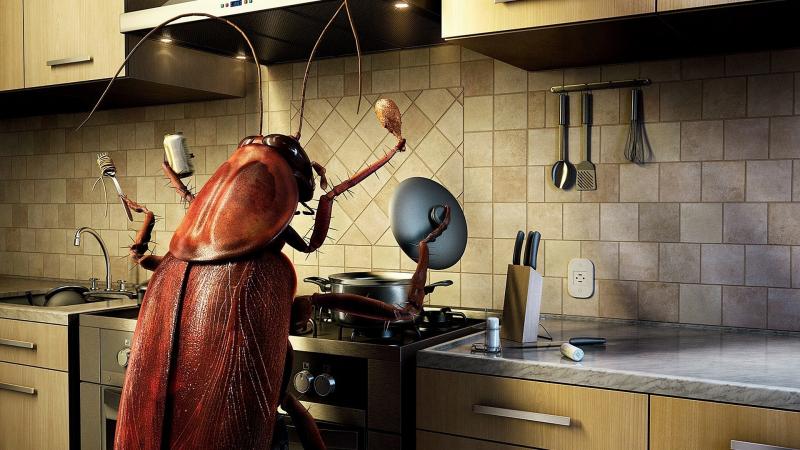
- Madagascar cockroachThis is perhaps the smallest pet (no more than 6-7 cm in size). Don't think it's as nasty as those pesky German cockroaches. These cockroaches are active but harmless. They are kept in aquariums with a small amount of water and fed with scraps of any fruits and vegetables. This pet is inexpensive, but of course, it's an acquired taste: most owners prefer to have, if not aquarium fish, then a warm-blooded animal in their apartment.
- Bengal catHere, you need to be more careful, although this beauty's care requirements are not much different from those of its domesticated relatives. It can grow up to 9 kg, requires a lot of meat in its diet, and loves to ruin furniture (a good scratching post often solves this problem). It's not cheap, but with proper care, it can become a true friend to both humans and neighboring cats and dogs.
- RaccoonThis is an intelligent animal weighing up to 10 kg, and you'll need to find a way to approach it. If treated kindly, it responds in kind, but if treated harshly, it can become an enemy to its owner. In addition to their exceptional intelligence, raccoons are known for their courage and curiosity, which can lead to a long search for a lost animal and its eventual discovery in the most unexpected place. The raccoon's nickname, "spotty," is not without reason: it loves cleanliness and is capable of washing anything it deems dirty, including any of its owner's items. Keeping such a pet is only advisable if you can devote the lion's share of your free time (and not only free time) to it. Otherwise, you could be left without power or end up in a flooded apartment. Therefore, a number of Russian experts believe it's best to remove raccoons from the list of pets allowed to be kept as pets.
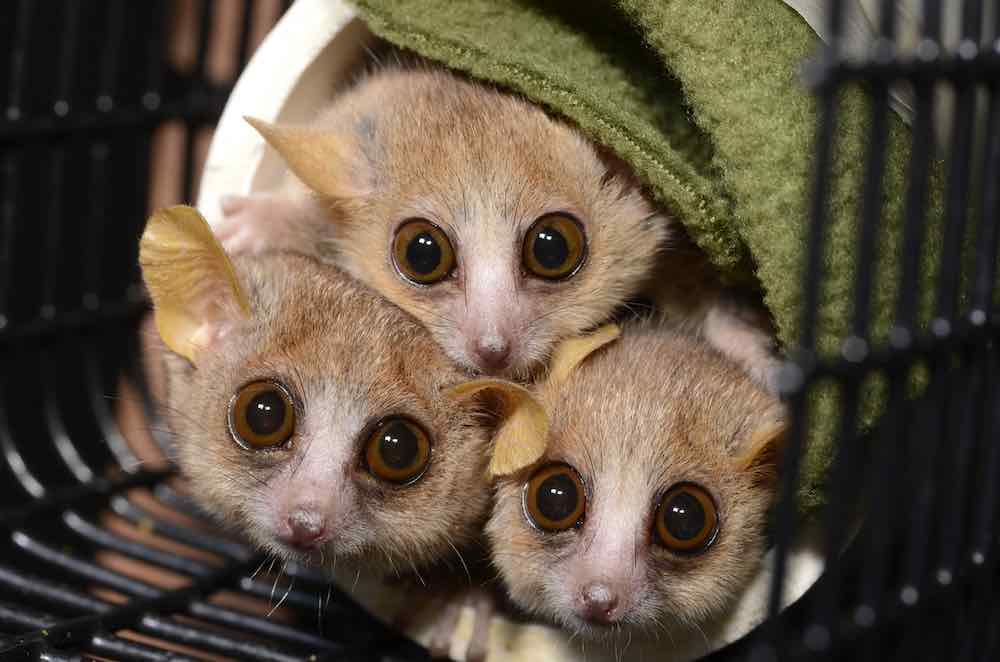
- Ring-tailed lemurA small African animal that can live for almost thirty years in captivity. It's calm and doesn't require constant attention. Unfortunately, lemurs are quite active at night and also like to mark their territory. Keeping them in a cage all the time isn't possible: they need to climb vertical surfaces. If you don't provide a special tree with branches, they'll act as curtains. Lemurs quickly become accustomed not only to their owners and their children, but also to other pets.
- Flying squirrel. The squirrel got its name from its ability to "fly" through the air for about 40 meters. Therefore, it requires a spacious cage with tree branches. Although squirrels are relatively easy to care for, they are not recommended for everyone. They prefer to be nocturnal, disturbing their owners' sleep. This problem can be partially solved by keeping squirrels in pairs: in this case, they entertain each other.
- Hedgehog. Although hedgehogs are traditional pets in our country, they are considered exotic as pets. You can get one for 5-6 years, but it's best to keep it in a terrarium cage: excessive activity can lead to trouble, as the hedgehog will find ways to injure itself and could end up underfoot. Despite the common image of a "hedgehog with an apple," it's important to remember that this is a carnivore and cannot survive without meat. Putting the cage in the bedroom is not recommended, as hedgehogs make noise at night.
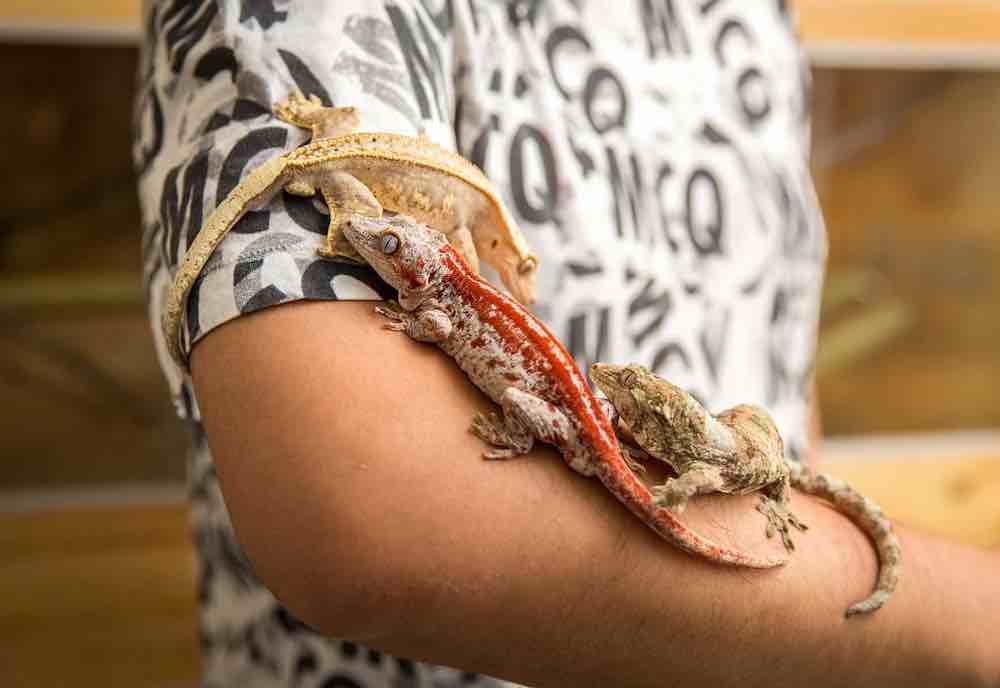
- IguanaA cute lizard that prefers a leisurely lifestyle. Perhaps the only difficulty in caring for it is that it often gets too cold in an apartment, requiring heating in the winter. One of its unpleasant quirks is its habit of biting unexpectedly and painfully.
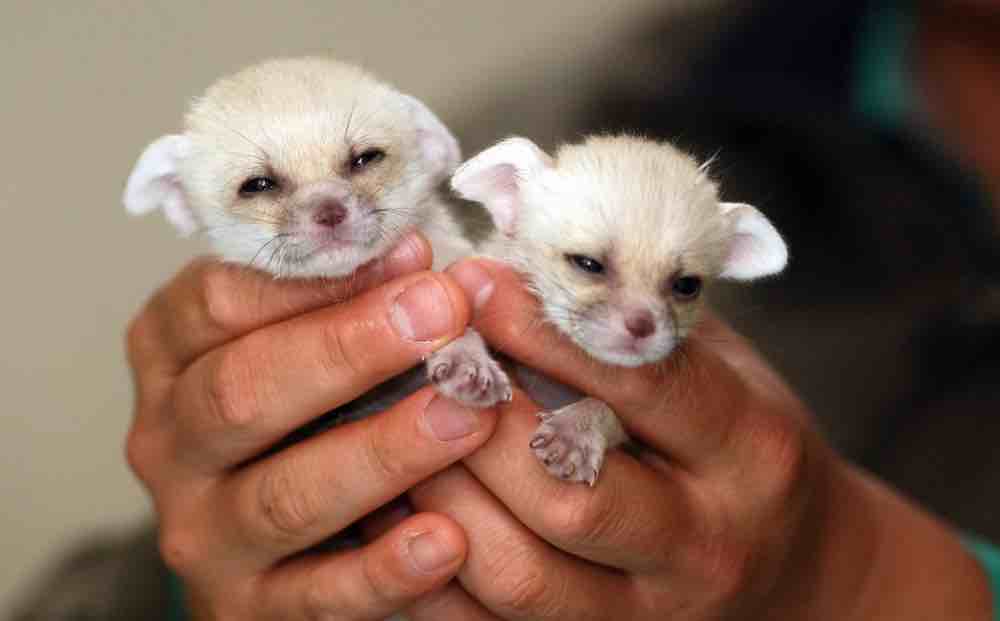
- Domestic fennec foxAnother example of an animal that requires higher indoor temperatures: after all, its homeland is North Africa. Weighing no more than 1.5 kg, the fennec fox is no more difficult to care for than a cat or dog, but litter training isn't always easy. This active animal requires walks and playtime: walks also partially solve the toileting problem.
As you can see from this far-from-exhaustive list, it's hard to find an exotic pet that won't cause any problems in an apartment. And yet, people keep snakes, ferrets, and spiders... Of course, they try to choose non-venomous species, but anything can happen. Therefore, before deciding to get an exotic pet, you should think twice. However, there are some lesser-known animals that should never be kept in an apartment.
What exotic animals are best avoided for children in an apartment?
It's best to choose a pet for a child from a traditional list: if a kitten or dog isn't suitable, perhaps consider a hamster, guinea pig, or even a rabbit. Older people well remember the tragedy of the Berberov family, who lived with King the Lion: children played with him, but ultimately, his wild animal instincts awakened, and the boy died.
Since exotic pets have recently begun to re-emerge, the Russian Government has been forced to adopt a special Resolution "On Responsible Handling...," which provides an extensive list of animals whose keeping as pets is strictly prohibited as of January 2020. There are a wide variety of such animals: among them are familiar representatives of Russian fauna, as well as truly exotic reptiles, fish, animals, birds, and others.
For example, these include:
- poisonous snakes and lizards;
- crocodiles and some turtles;
- ostriches, penguins, cranes;
- most monkeys;
- hippos, giraffes, porcupines.
Keeping predators weighing over 20 kg is prohibited, including various bears, panthers, lynxes, and pumas. Somewhat surprisingly, the law even lists animals that are generally unacceptable in a city apartment: whales, seals, walruses, and the like. Owners found with prohibited animals in their homes face a hefty fine and, naturally, confiscation of the pet.
In addition to clearly prohibited animals, zoologists categorically do not recommend keeping some formally permitted animals in an apartment.
These include, for example:
- raccoon dog;
- Pallas's cat;
- serval;
- owl;
- common fox;
- any monkeys.
There are also recommendations for replacements. For example, instead of the suddenly popular jerboa, experts recommend getting a pygmy African hedgehog, replacing a koala with a sugar glider, and replacing a red panda with a ferret. Such recommendations are aimed both at preserving the health and well-being of the potential owner and at preventing the pet's death.
Read also about keeping a meerkat at home.
Tips and nuances
When planning to purchase an exotic animal, you must:
- Be extremely careful: they can carry diseases, even those unknown in our country. A vaccination certificate and detailed advice from the seller are essential.
- Forget about unjustified savings. Buy pets only from authorized sellers and breeders.
Remember the maxim: "We are responsible for those we tame." Most exotic animals require a significant investment of time and attention from their owners.
Carefully study all available information about the prospective pet.
When it comes to purchasing an exotic animal, there shouldn't be the slightest doubt. If you have any doubts, it's better to go to a zoo rather than a pet store or a bird market.
Read also about all types of lizards.