Keeping a newt in a home aquarium isn't particularly difficult, but fans of these exotic animals aren't numerous. Newts, being amphibians, alternate between being in and out of water, so their care at home presents some unique challenges compared to fish. Most species can live permanently in water and even cohabit with fish and snails, though they don't always share the same food. Watching a group of newts is quite fascinating, although those with an aversion to frogs and other amphibians should avoid keeping them.
Content
Peculiarities of keeping a newt at home
The aquarium newt is a member of the salamander family. Although it spends most of its time in water, it breathes through its lungs, so it periodically rises to the surface to take in air. A newt cannot survive in a tightly sealed aquarium. Each newt requires a considerable amount of water: an adult requires at least one and a half buckets. Furthermore, it's highly desirable for it to be able to occasionally get out of the water and sit on a small island. The most challenging aspect is that newts can become uncomfortable in an apartment during hot weather, requiring the aquarium water to be cooled. Unless you purchase a special device, you'll need to add bottles of ice to the tank periodically.
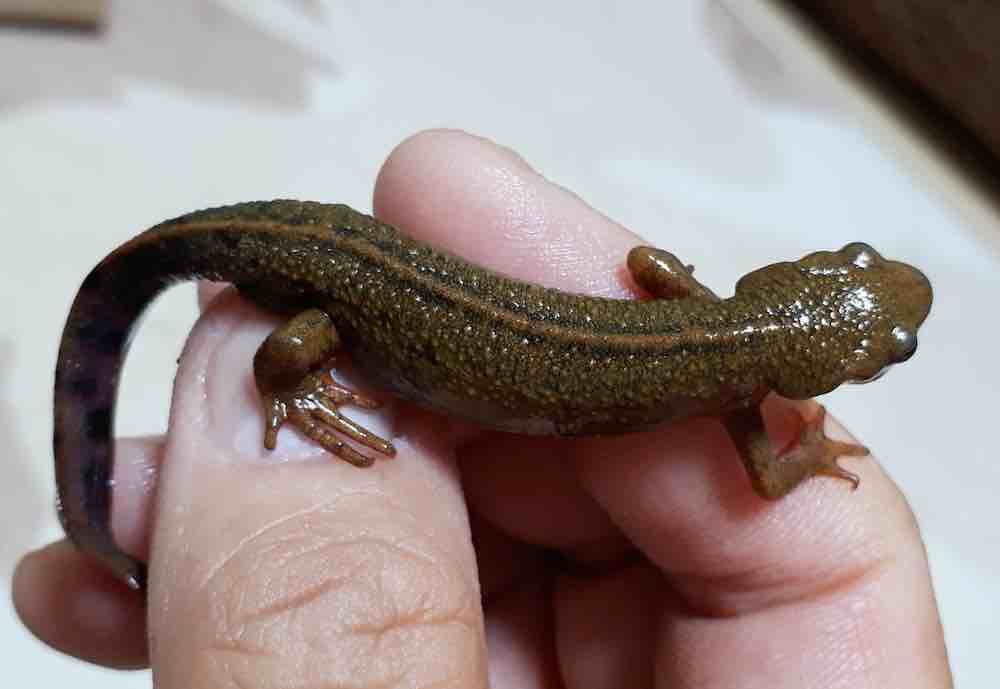
However, it is important not to make a mistake in choosing an animal: not all newts are suitable for keeping as pets.
They do not create problems for the aquarist:
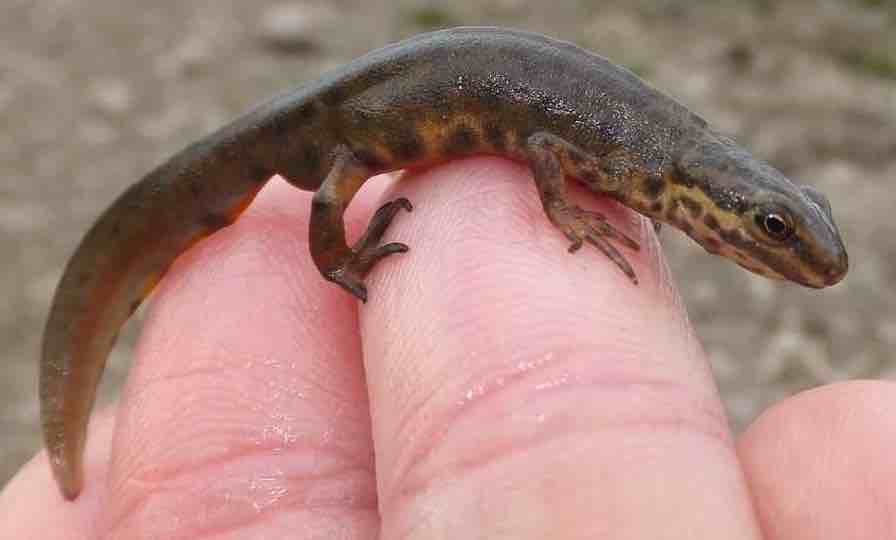
- OrdinaryIt can be caught even in stagnant waters in central Russia. The animal's length, including tail, is no more than 10 cm, its back is brown, and its belly is orange-yellow.
- SiltyAn amphibian native to the Mediterranean coast. It grows up to 30 cm in length, is brown with dark spots, and has a lighter abdomen.
- Fire-belliedA representative of Japanese fauna, the most beautiful and active. Length up to 15 cm, back almost black, abdomen red-orange.
It's best not to keep great crested newts, Spanish newts, or Chinese newts in a home aquarium. However, if you're really determined to keep them, you'll need to purchase an aquaterrarium and always exercise caution.
What do aquarium newts eat at home?
Feeding an aquarium newt is even easier than feeding aquarium fish: it has a very varied diet.
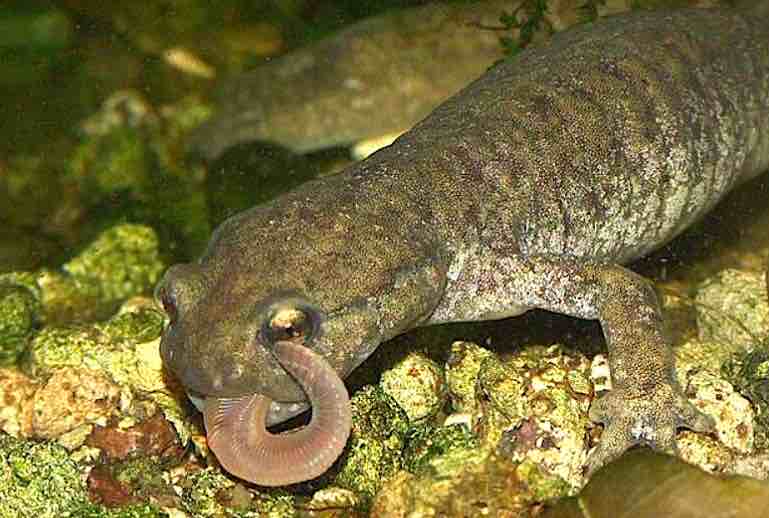
It cannot be said that the animal is omnivorous, but in the wild it finds food both in water and on land, eating with pleasure:
- small crustaceans (daphnia, cyclops);
- insect larvae (in water these are corethra, bloodworms);
- caterpillars;
- all kinds of spiders;
- worms, mainly earthworms.
While juvenile newts should be fed live daphnia and other aquatic plankton, adults can be fed the same food as their owner for a while. Feeding them red meat is strictly discouraged, but lean fish, and especially shrimp, will be a staple for at least a few days. Additionally, you'll need to purchase insects, bloodworms, and tubifex worms, dig up and chop up earthworms and enchytraeus, and even feed them minced fish. Since amphibians also require a range of micronutrients to maintain their health, it's worth occasionally feeding them special food purchased at a pet store.
For example, these are Tetra ReptoFrog Granules and other formulations made specifically for amphibians and containing a set of essential proteins and vitamins.
Young animals require daily feeding, while adults are fed 3-4 times a week. Children enjoy feeding, as newts readily take food from tweezers. Furthermore, they don't always respond to stationary food dropped into the aquarium, and the food must be consumed quickly to prevent rotting in the water. The animals are fed until they refuse further feeding. They are not interested in plant foods: unlike some snails and even fish, they don't nibble on aquatic plants.
Keeping conditions for a pet newt
A pet newt requires a fair amount of space: they are active animals that love to swim and frolic. Ideally, 20 liters per tank is sufficient; a school of 4-5 animals will require an 8-bucket tank. Newts thrive in company; keeping a single animal is not recommended. Creating islands for the newt to escape to is desirable, but not essential. A simple piece of foam floating on the surface can solve the problem. Cover the aquarium with glass, but leave some cracks for air to enter. Forgetting the glass can result in losing your pets: they love to escape from the aquarium and are not always able to return to the water, eventually drying out under a sofa.
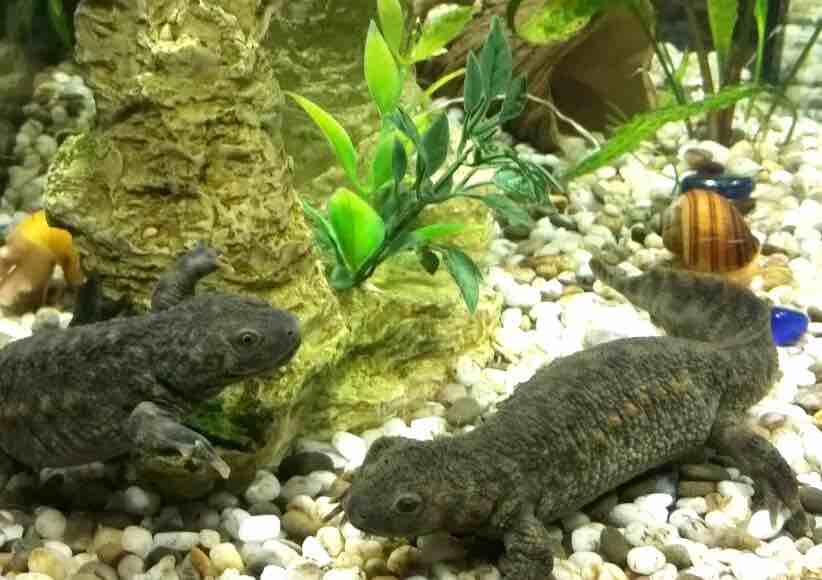
The substrate needs to be coarse, without sharp edges: small stones are not suitable, as the newt can swallow them and die from intestinal obstruction. shelters made of driftwoodNewts need shelter, large stones, and even artificial objects more than fish: they love to hide from prying eyes for a while, enjoying some privacy. Large plants also provide reliable cover, and females lay their eggs in them.
The requirements for aquarium water are not very strict:
- temperature 18-22 °C;
- pH 5.5-7.8;
- hardness GH=5-15.
To avoid excessive heating of the water, do not use incandescent lamps for illumination. To prevent the accumulation of pathogens in the water, weekly water changes are required (as with aquarium fish, approximately 20% of the water is changed weekly with fresh, well-settled water). Aeration is not necessary; newts breathe atmospheric air, but a filter is advisable. Don't be alarmed by the occasional "shedding" of newts' skin: amphibians do shed, their skin is periodically renewed, and the old skin is completely consumed by their owner.
It is not recommended to handle newts, at least not for long periods of time: this can lead to overheating and even local burns.
While the water sometimes needs to be forcibly cooled in the summer (fortunately, special aquarium coolers are now available), another problem arises around November: the newts need to hibernate. Until spring, the temperature should remain below 15°C, and preferably around 8°C, meaning the aquarium is moved to a cooler room.
In cold weather, newts enter a state of suspended animation, emerging in March or April, after which they reproduce. Breeding is easy to do at home. The male and female are placed together in an aquarium with cool, fresh water. After fertilization, the female is moved to a separate tank planted with small-leaved plants. A month after the eggs are laid, the young hatch, which at two months of age acquire the appearance of adult newts.
Pros and cons, breeder reviews
Experienced aquarists advise against newts for beginners: they should practice on fish first. Even after that, it's worth carefully considering whether amphibians are a good idea for an apartment. Keeping them has both pros and cons.
Breeders note the following as advantages:
- The newt is quiet and suitable for those who prefer a quiet holiday;
- It is interesting to watch him: after all, he is a rare example of an animal capable of regenerating body parts lost for some reason;
- The newt is a peaceful animal that coexists normally with fish and snails of similar size;
- Since the animal has no fur, allergy sufferers need not worry.
Flaws:
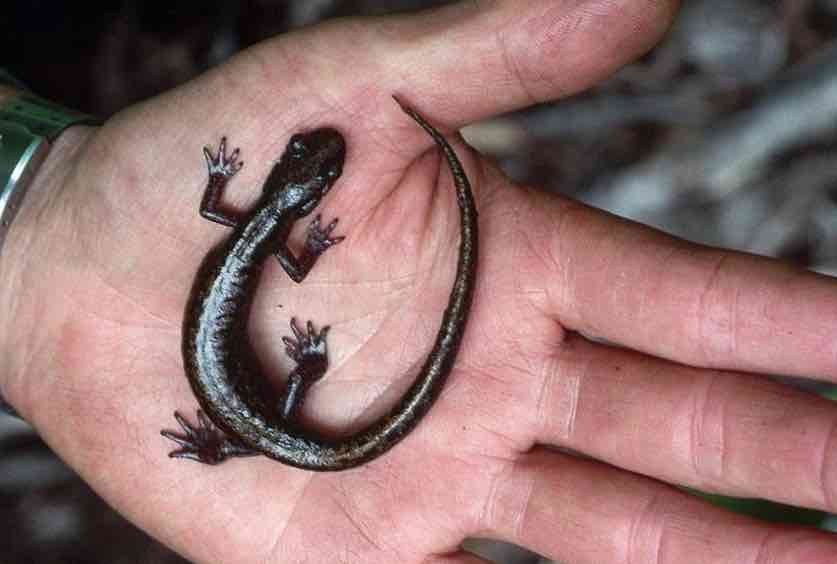
- This is not a cat, you shouldn't hold it in your hands;
- If you do pick up a hungry animal, you should be wary of being bitten;
- Keeping newt requires cooling the water, which is not always easy to do.
It's easy to find numerous reviews from newt owners online, including on specialized forums. Some are enthusiastic, some less so.
For example, the following phrases are interesting:
- "became the happy owner of a newt";
- "It was a surprise to find the pet on the floor";
- "The child said it was a real sea dragon";
- "Tailed amphibians are not particularly intelligent."
In any case, before acquiring an amphibian, you should thoroughly study the literature and decide whether it makes sense to get such an unusual pet.
How long does a newt live at home?
Surprisingly, with proper care, newts live longer in captivity than in the wild. This may be because they have no predators in an aquarium: in the wild, it's rare for a newt to live more than 10 years. Experienced breeders report that the average lifespan of a newt in an aquarium is two decades, with pets sometimes reaching 30 years.
Read also: crayfish content.
Tips and nuances
Newts love secluded spots, so it's worth not only placing driftwood in the aquarium, but also building a proper house for them.
If the owner doesn't want to deal with aquarium plants, artificial ones can be placed in the newt tank: they don't require any maintenance and serve well as a shelter and substrate for eggs.
To purify the water, a filter is installed in the aquarium, but in the case of newts, it should be small and not create strong water movement: these animals prefer stagnant water.
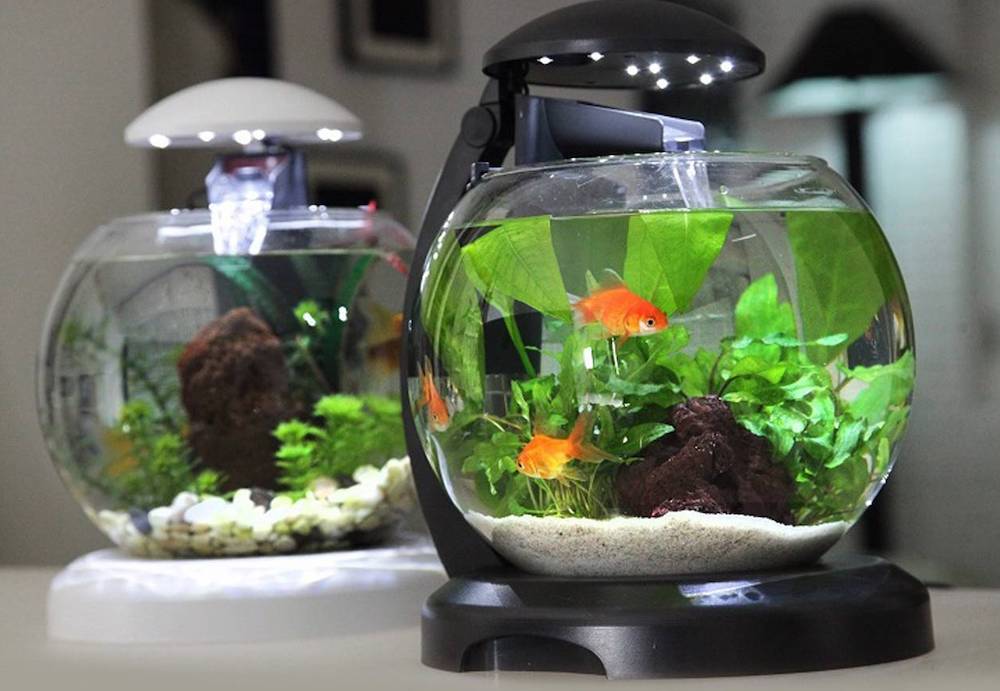
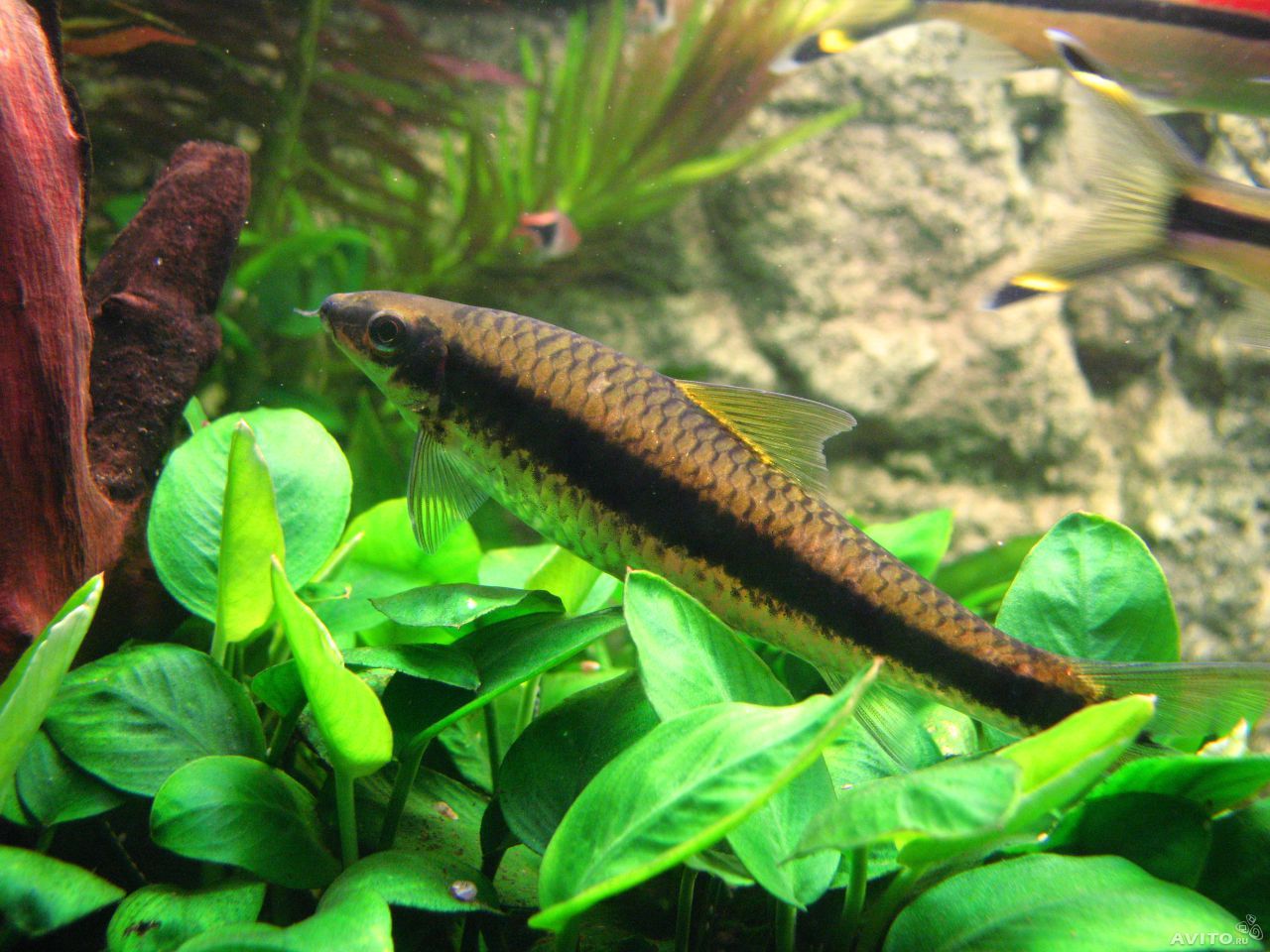
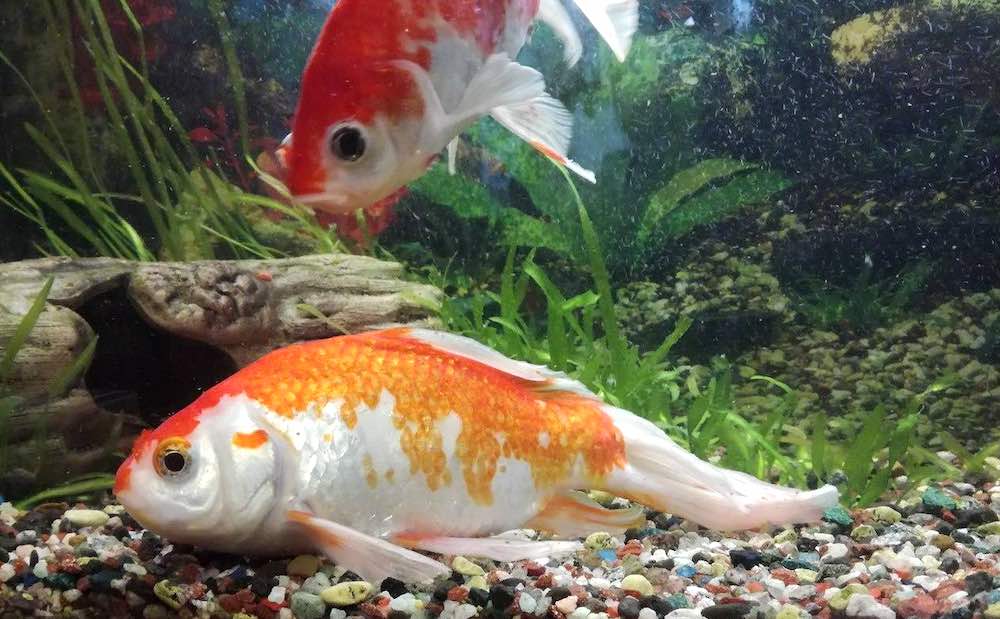
You can add fish to a newt aquarium, but not just any fish: many require higher temperatures. Of the cold-water fish, goldfish would be recommended, but they would require a much larger tank. Shrimp and all kinds of snails, however, are perfectly acceptable.
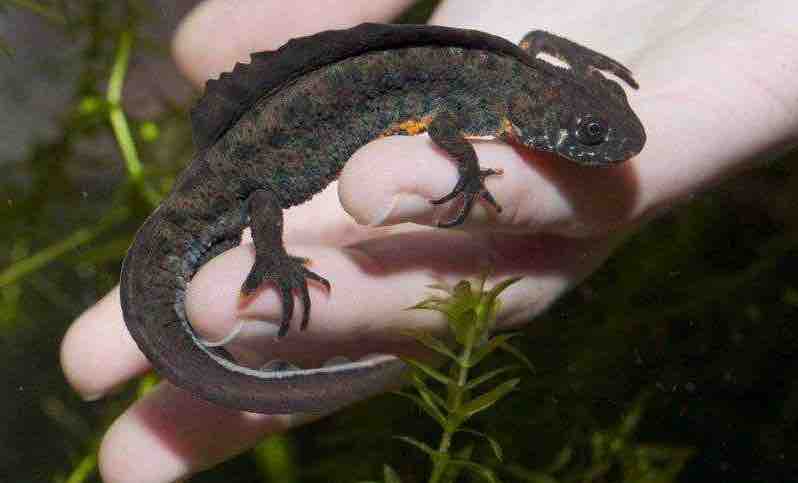
Newts feel most comfortable in small groups, where there are 2-3 females for every male.
Newts are fascinating animals that can live for a long time in a home aquarium. However, their care has its own specific requirements, different from those of fish. To avoid releasing their pet into the wild after a week or two, an aquarist should be aware of this in advance.