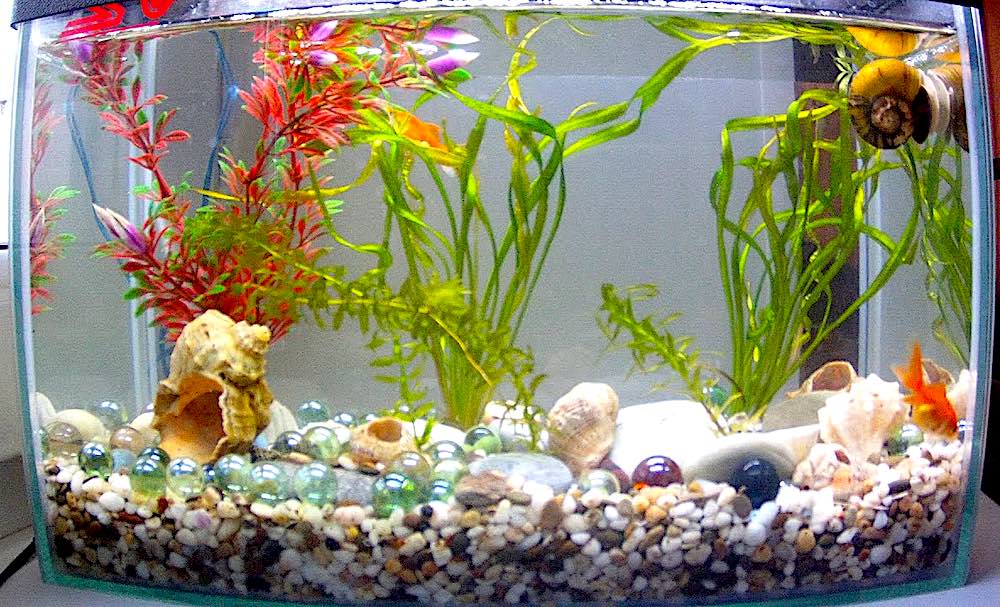
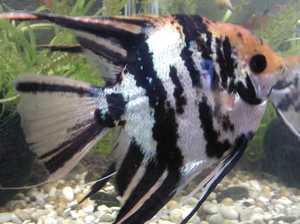
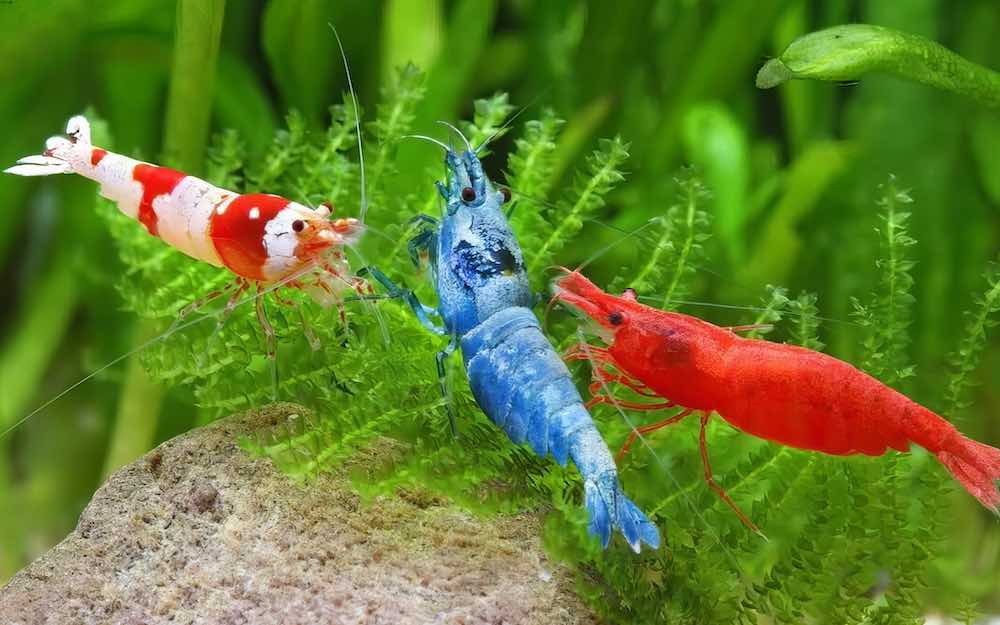
Almost everyone has thought about having an aquarium in their home at least once. Even a child can master aquaristics; caring for the underwater world can become a favorite hobby that doesn't complicate life and easily fits into other daily activities. An aquarium helps organize space according to feng shui and create a new atmospheric space in your home. Becoming an aquarist is very simple: minimal responsibility, maximum aesthetic pleasure. If you've decided to keep aquarium fish, let's take a look at choosing the aquarium, equipment, and inhabitants of your home pond.
Content
What parts does a fish aquarium consist of?
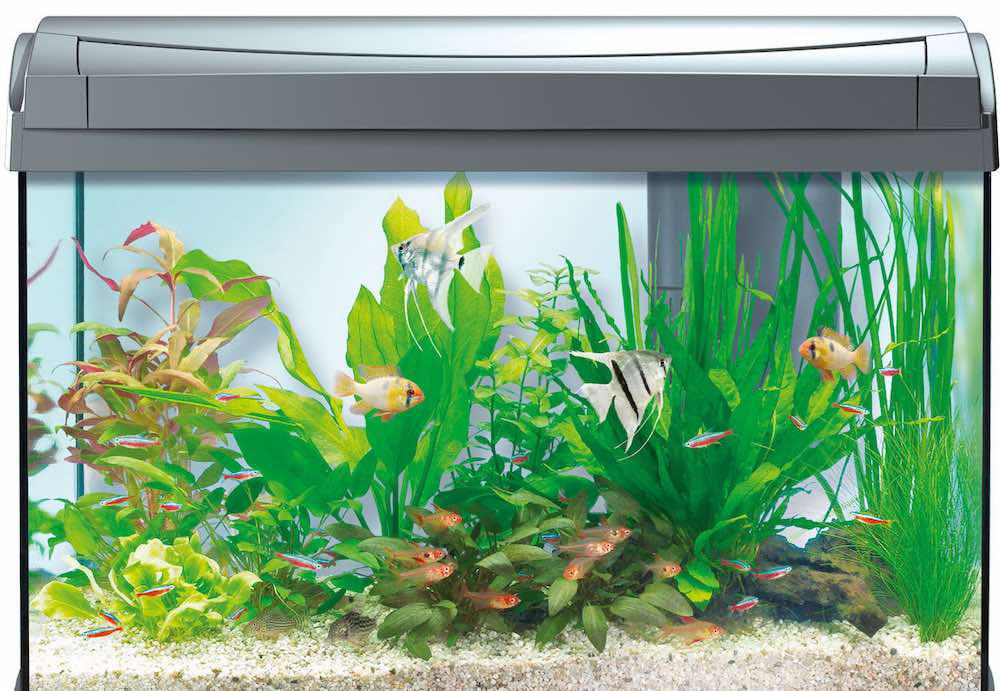
A tank that can safely and comfortably house fish consists of many auxiliary components. Without them, it's impossible to create a complete biotope for the inhabitants of the underwater kingdom. A favorable environment for fish in an aquarium is created by the aquarium's content (substrate, vegetation, and rocks). This creates a unique "underwater life" effect, which is a pleasure not only to observe but also to maintain.
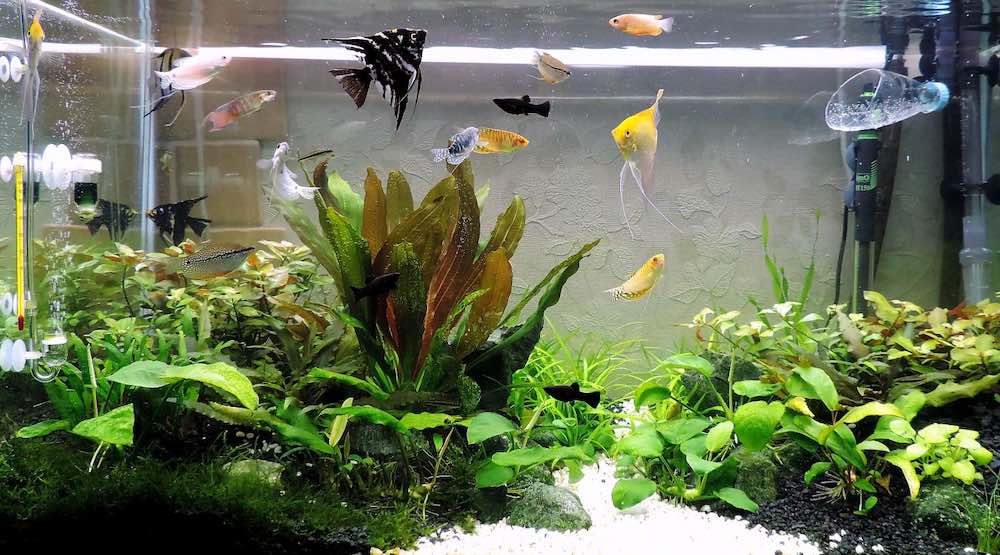
Here are the basic elements of aquarium equipment:
- An aquarium filter is a device for purifying water.
- A compressor is a special device for supplying air to an aquarium.
- Lamp – lighting for a harmonious effect of “underwater” life.
Also, it is impossible to imagine an aquarium without a stand (support).
We decide who will live in the aquarium
Depending on our choice, the volume, shape, quality of lighting, background, and even the location of the aquarium in the room will change.
Who should we put in the aquarium?
These are primarily freshwater fish. However, keep in mind that no species are completely compatible. You can't group peaceful and aggressive fish, or predators and small fish.
Crabs, crayfish, shrimp, frogs, snails, axolotls and newts can live comfortably in the aquarium.
Plants are also essential—they create the microclimate of the underwater world. They also provide shelter and resting places for small fish, as well as a spawning site. The substrate around the rhizomes is essential for creating a microenvironment.
Regardless of the content of our aquarium, good lighting and filtration will be required.
Read also about popular types of schooling aquarium fish.
Criteria for choosing a home aquarium and its components
Freshwater aquariums are the most common type of home aquarium: they're easy for beginners to manage. They require a small budget and moderate maintenance.
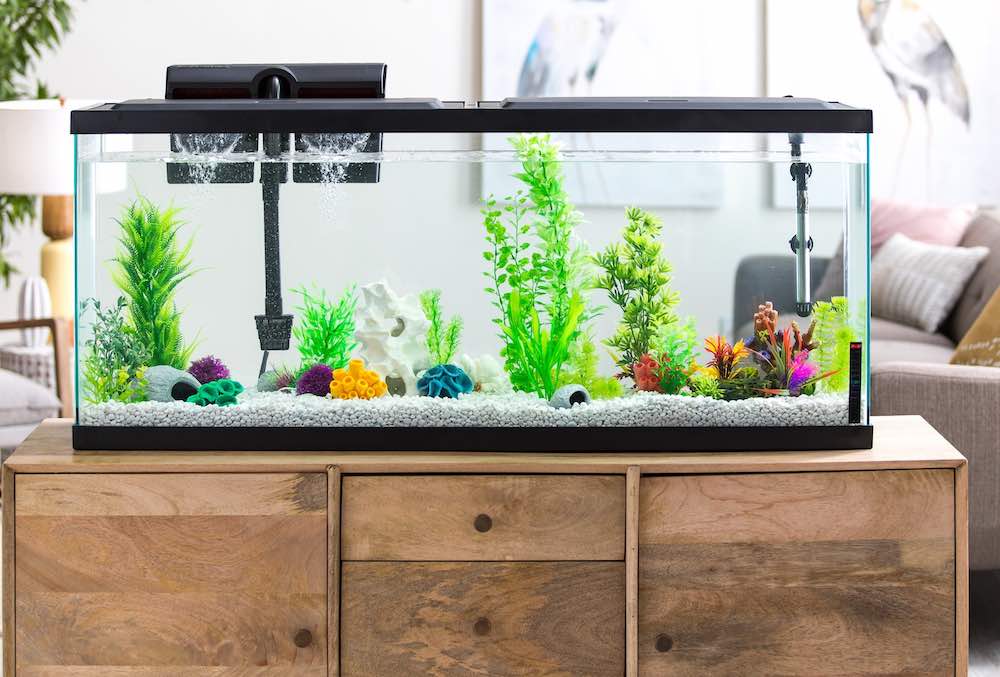
Here are some options that freshwater aquarium specialists can offer:
- A regular aquarium with fish.
- A biotope aquarium is designed to resemble a natural body of water in some ecosystem (stream, river, lake, pond, swamp). This is a hobbyist option. The main thing is to remember the need for high-quality water filtration.
- An aquascape is a biotope-like natural aquarium with decorative trim. It features a variety of aesthetically pleasing driftwood, rocks, moss, and algae, imaginative plant life, and a vibrant palette of fish and shellfish.
- Dutch aquarium: only plants. It looks unusual and beautiful, but there are no animals.
- The pseudo-sea features a marine landscape—corals, rocks, sandstone, and freshwater fish with intriguingly colorful colors. Plants are few and far between (or artificial). Subtle lighting is also used to realistically simulate a marine biotope.
In addition to the functional characteristics of aquarium life, choose the aquarium shape, additional accessories and equipment to support the normal life of the fish, the background of the back wall, and the substrate.
Jar
Experts have nicknamed the aquarium familiar to the average person "a jar." They are differentiated by size, volume, and glass quality.
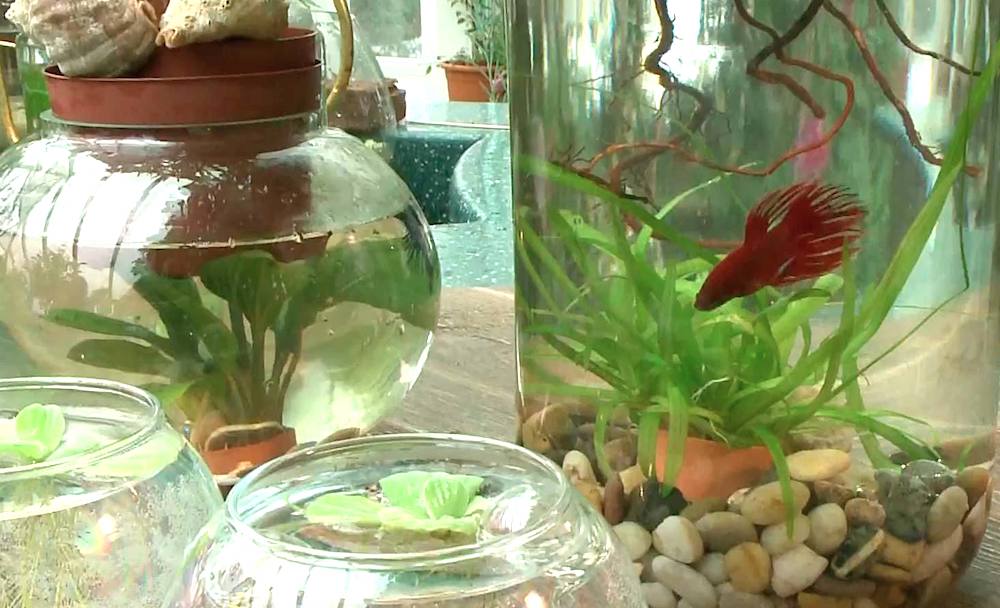
Aquariums of 15-20 liters are often used for breeding fry, separating spawning individuals, or keeping small fish.
A volume of 30-50 liters is ideal for a beginner amateur aquarist.
80 liters and above – for true aquarium fish enthusiasts. These volumes require a serious approach to aquarium keeping, more effort in maintenance and upkeep, and more advanced equipment (lighting, filter, heater).
The volume is calculated based on the size of the fish: 1 cm of the fish requires 1.5-2 liters of water and an area of at least 25 square cm of water surface.
The shape of the "jar" also has a meaning:
- Round – a mini format, ideal for first steps in aquaristics. However, this shape is considered inconvenient, impractical, and only suitable for a small number of fish. It distorts the shape and prevents the creation of a background or clear lighting due to distortion.
- Rectangular and square are the standard, most popular among hobby aquarists. These classic, easy-to-use shapes come in a variety of widths and heights.
- Trapezoidal – with a 3D effect, also practical and no less popular among specialists.
- Corner and flat rectangular paintings (usually hanging) are a specific format that is chosen to suit the design. They fit perfectly into the interior and look quite realistic. However, maintenance is a bit difficult.
- Panoramic – no background, it divides the space, and displays only fish and vegetation. It provides aesthetic appeal and helps create a chic design thanks to perfect lighting.
As for materials, home aquariums are most often made of glass and acrylic. Silicate forms are also occasionally found.
Glass is a traditional material that is scratch-free and has a clear profile, but it is heavy and fragile.
Acrylic is a modern, practical material that is lightweight and less fragile, but over time it develops yellow spots and scratches.
Every aquarium is equipped with a lid—a lightweight, removable lid made of high-quality materials with a moisture-resistant coating. It's often made in two parts to make feeding the aquarium's inhabitants and maintaining the home aquarium easy.
Read also, How to clean an aquarium.
Nightstand
The base for the water tank is the most important thing to consider when setting up an aquarium. The table, cabinet, and stand must be sturdy, with a cast base and no legs—especially for larger aquariums.
Additionally, the stand should be selected to match the size of the vessel. It should have a moisture-resistant coating. It's convenient to have additional shelves and compartments for aquarium equipment, as well as openings for electrical wiring.
Most often, pet stores offer a complete tandem: an aquarium and a stand for it, where the size and volume of the jar are precisely matched to the stand.
Lamp
Illumination of underwater life provides a decorative element and positive emotions, helping to appreciate the richness of the pond's interior. Without lighting, an aquarium is useless. In fact, properly selected lighting does not affect the quality of life of fish and is only required for aquatic vegetation.
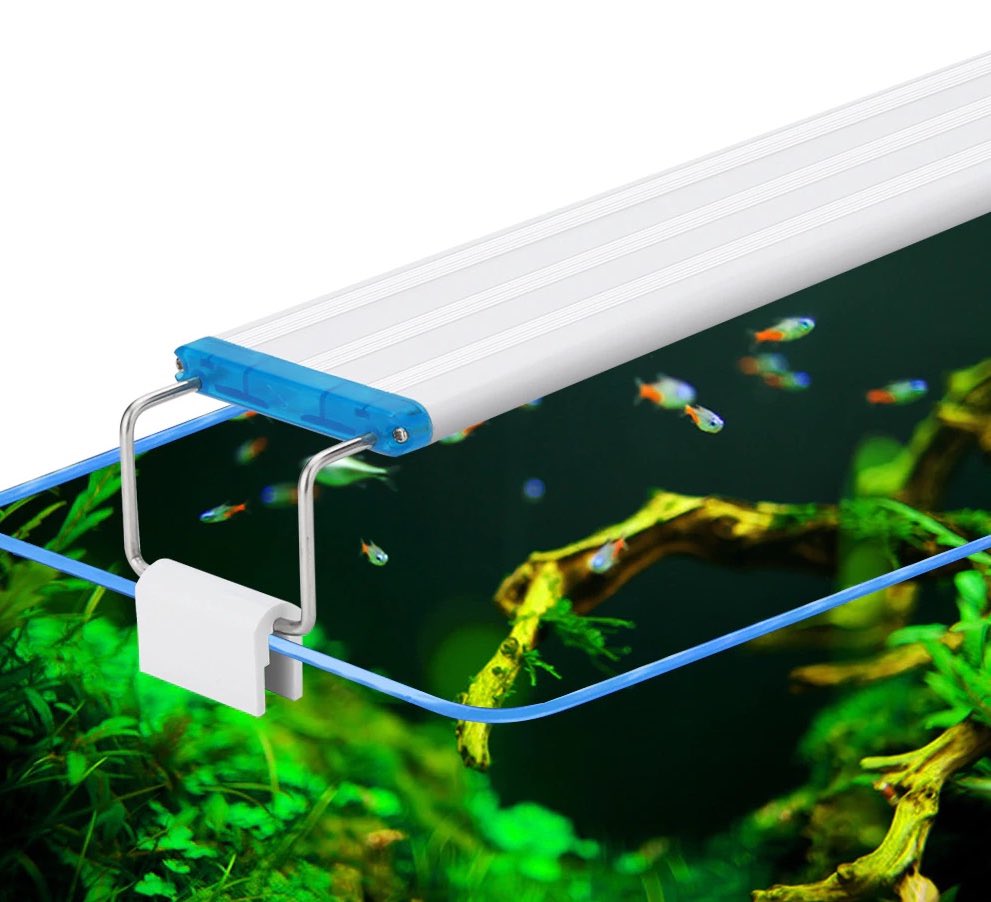
When choosing a lamp, certain nuances are taken into account:
- Depending on the volume of the tank: 2.5 W per 10 l, the lighting power is selected based on this calculation.
- Mounting type: on brackets or directly on the aquarium cover.
- The effectiveness of lighting in a fish aquarium depends largely on the type of lamp. LED lamps are flicker-free, bright, and energy-efficient. Fluorescent lamps provide an even light output and are often used with reflectors.
Professionals most often use a mixed type of lighting.
Compressor
Experts avoid using air pumps for small tanks, especially if the home aquarium's inhabitants include crustaceans, snails, and frogs. However, in aquariums larger than 20 liters, filtration and air pumping are vital.
The pump saturates the water with oxygen. For a heavily loaded aquarium with a capacity of up to 200 liters, a dual-channel membrane compressor is required. The equipment should be appropriate for the tank's capacity. Experts note the convenience of using low-noise mechanisms with an operation indicator, a check valve, and an air diffuser.
For large volumes, piston pumps are most often the choice—they are more efficient and powerful.
Filter
Water filtration is another distinctive feature of a home aquarium. In a natural environment, such a function would hardly be necessary. Aquarium fish, in turn, require not only oxygenation but also drainage.
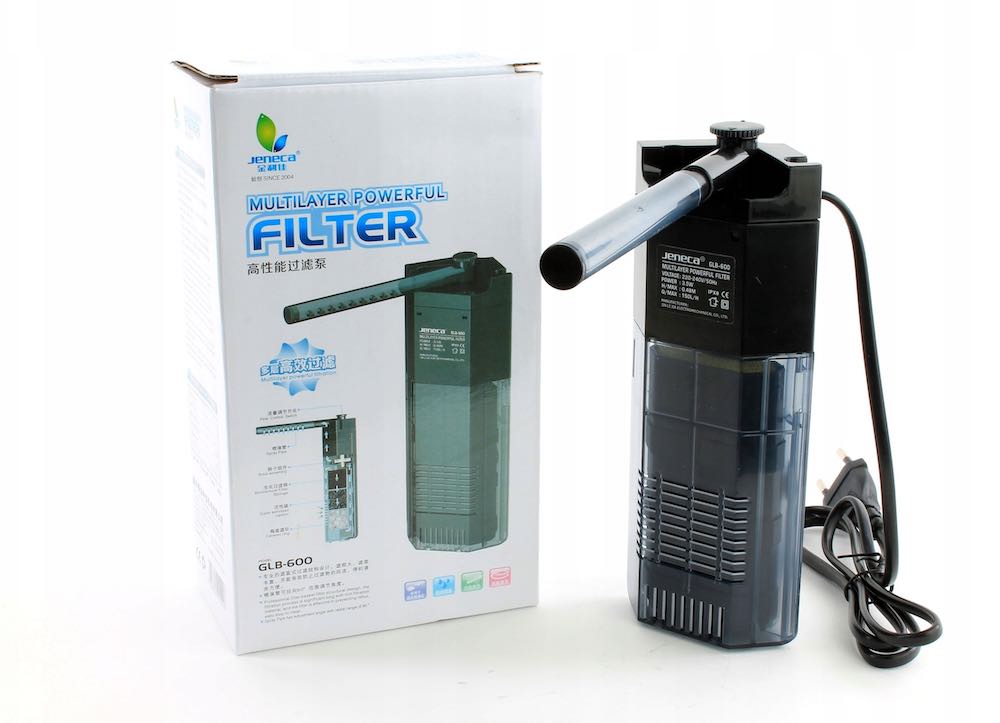
Foam rubber, sand, and other suitable materials are used as filters in the device. Mechanical filtration is the most convenient and common option.
An equally effective method of pond purification is biological filters and chemical treatments. In the former, nitrifying bacteria live on the ceramic inside the filter and form a biofilm, which maintains the water's natural balance.
Chemicals are used less frequently, but most often in cases of serious contamination of the aquarium (for therapeutic and preventive purposes).
The type of filter depends on the type of body of water—there are devices for freshwater and saltwater. The mechanisms can also combine filtration methods (there are devices capable of simultaneously performing mechanical, biological, and chemical water purification in a "can").
Filtration is essential when setting up an aquarium. To create a favorable ecosystem, the vessel is first filled with substrate, water, and vegetation—then the biological filter takes over. To speed up the process, a small amount of food is added to the water. Only after 24 hours are the fish introduced.
Read also, Why does the water in the aquarium become cloudy?
Modern aquarists also often use thermostats to effectively maintain the water temperature in their home ponds. This is especially important during the colder months.
When setting up your pond, you'll need a backdrop, decorations, a net, a variety of food, and a feeder. But the first step is choosing the right home for your pond's inhabitants.
Tips and nuances
Here are the main nuances:
- Before buying an aquarium for your home, you need to make a choice: a simpler freshwater one or a marine one – which is expensive and troublesome.
- Guppies, mollies, and swordtails are the most peaceful and undemanding fish. They thrive in small aquariums. They're worth trying out as an aquarist.
- Most often, aquarium experts help select a "vessel" based on shape and size, depending on what kind of fish will be placed in it.
- Predators are always kept separately.
- An original way to use a fish tank is as a partition between adjacent rooms or as a “wall” within one room.
- The larger the aquarium, the more difficult regular maintenance and bottom cleaning become. A large "jar" takes up a significant amount of space and requires a specific design concept.
- Small, brightly colored fish look great in round and wall-mounted aquariums. Larger specimens are striking and thrive in large cubic and rectangular tanks.
- The aquarium cover can be equipped with a mirror – the effect is visible with the right lighting.
Choosing the right tank, practical and popular accessories, and high-quality, durable equipment for underwater life is no longer difficult – pet stores offer a wide selection of aquariums, accessories, and fish.
But before buying an aquarium, ask yourself an important question: are you prepared to regularly feed the fish, clean them, change the water, and clean the filter? Fish are easier to care for than dogs or cats. But to maintain their aesthetic appeal, create the illusion of a "perpetually new aquarium," and ensure a healthy underwater life, fish will still require attention and care.
Life underwater, so easy to observe in the comfort of your own home, will seem like a miracle and provide unforgettable aesthetic pleasure – your efforts will certainly be appreciated by your family and guests.