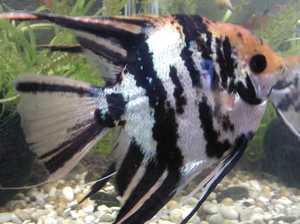
 Fish, like any living creature, are susceptible to disease. Early diagnosis of aquarium fish diseases significantly simplifies their treatment, as most illnesses can be treated at an early stage.
In aquarium fish, diseases are divided into:
- infectious, which are caused by microorganisms and can be transmitted between individuals;
- invasive – caused by unicellular and multicellular parasites;
- non-infectious – appear as a result of improper maintenance conditions or exposure to large parasites.
Treatment:
- Infectious diseases are treated with medications that act on the causative agent of the disease.
- Provide satisfactory conditions for keeping, destroy parasites and take measures to promote the health of aquarium fish.
Content
Non-infectious diseases of aquarium fish
Chlorine poisoning
Chemical factors (such as chlorine) can cause the disease. The main symptoms include difficulty breathing, mucus-covered gills, and a lighter color. The fish become restless, thrashing about and attempting to jump out of the pool. Over time, they become lethargic, unresponsive, and quickly die.
To prevent this disease, it's important to regularly check the chlorine levels in the water. If your fish show signs of illness, they should be moved to clean water immediately.
Lack of oxygen
Fish become restless, swimming near the surface and scavenging for oxygen. One sign of oxygen deprivation is snails, which also rise to the surface. A lack of oxygen in aquarium fish can lead to weakened immune systems, infertility, suffocation, loss of appetite, and ultimately death.
Aeration equipment must be installed in the aquarium. The filter, aerator, and oxygen circulation must be checked periodically.
Failure to comply with temperature regulations
This occurs when the aquarium temperature is too high or too low. If the temperature is higher than necessary, the fish become overly active. They congregate at the surface due to a lack of oxygen. As a result, they become oxygen-starved and exhausted.
Too low a temperature causes fish to slow down and remain motionless near the bottom. Prolonged exposure to cold water can lead to colds and possible death. Therefore, it's essential to constantly monitor the temperature regulator and thermometer when changing the water.
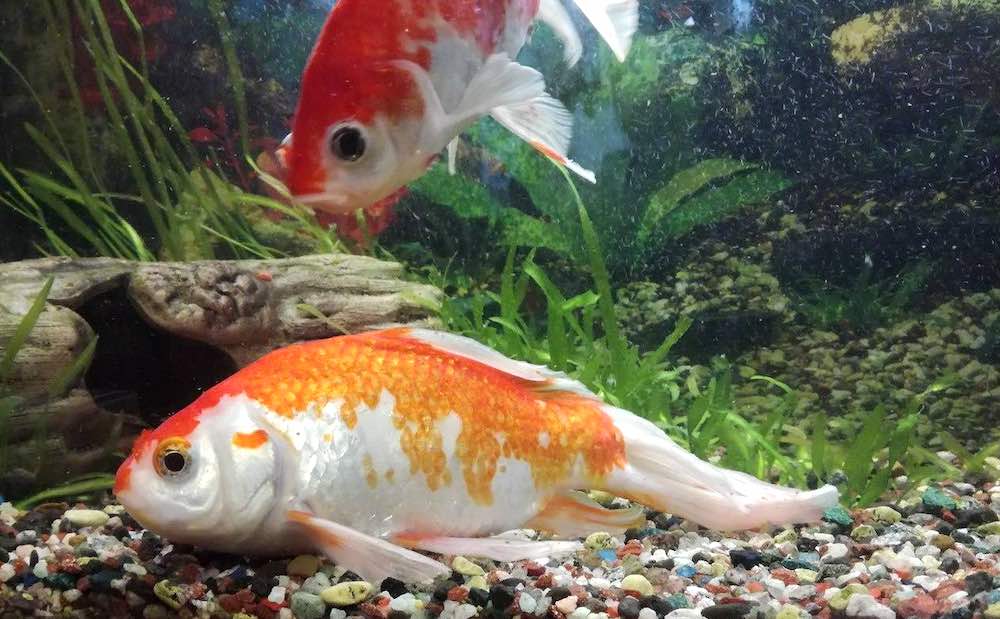
Some species tolerate a wide range of temperatures well: neon, goldfish, guppies and others.
Alkaline disease (acidosis, alkalosis)
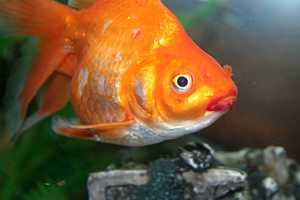 The disease is promoted by elevated (alkalosis) or decreased (acidosis) alkalinity in the water. With alkalosis, aquarium fish become active, their gills and fins flare out, and their coloring becomes lighter. Mucus appears on the gills.
Signs of acidosis: fish become skittish, less active, and less mobile. They may swim upside down or sideways. Alkaline disease primarily affects fish species that are sensitive to changes in the acid-base balance (guppies, goldfish, neons, swordtails). It can cause split fins and lead to death.
Treatment involves gradually adjusting the alkalinity level in the aquarium until it reaches a neutral level. If the balance changes abruptly, the fish should be transferred to clean water and the alkalinity level should be balanced.
Fish obesity
The disease occurs when the fat content of food exceeds 3 percent in herbivorous fish and 5 percent in carnivorous fish. Symptoms of obesity may also occur with overfeeding, a monotonous diet, or improper nutrition.
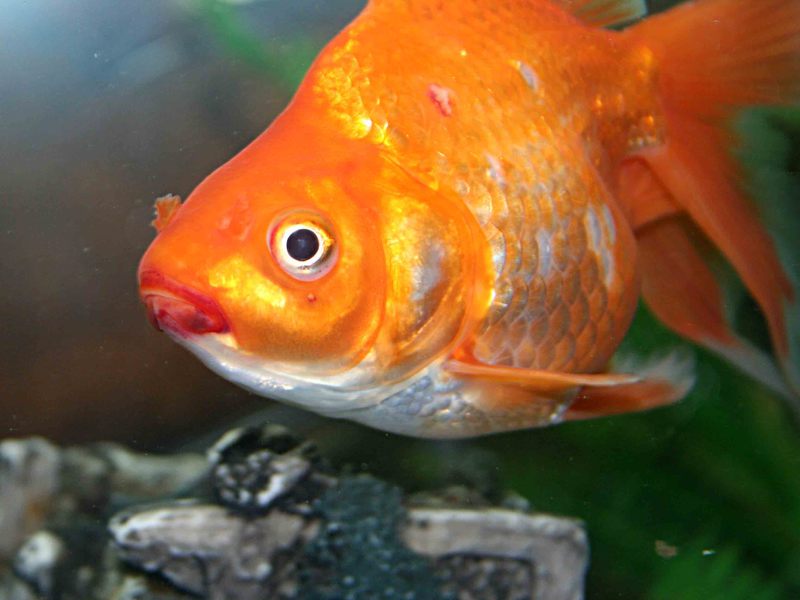
As a result of the disease, internal organs (liver, mesentery, kidneys) are affected. The fish becomes lethargic, its sides become rounded, and infertility sets in, leading to death.
To prevent obesity, it's important to feed a variety of foods, including high-fat, high-protein foods and fiber. As a preventative measure, stop feeding for a couple of days. The aquarium should be large enough to allow the fish to swim actively.
Gas embolism
This occurs when oxygen levels are excessive, causing blockage of the fish's blood vessels and disruption of blood circulation. Therefore, it is necessary to monitor the fish and the aquarium. The fish become restless, begin to swim on their sides, and their gill covers become motionless.
The appearance of small air bubbles on the walls, plants, and substrate indicates disease. These bubbles can also appear on the fish itself and affect internal organs. If they accumulate in blood vessels, an embolism occurs, and the fish dies.
In this case, they check how the air circulates and the presence of excess plants, which contribute to the release of excessive amounts of oxygen and soil pollution.
Infectious diseases of aquarium fish
White-skinned
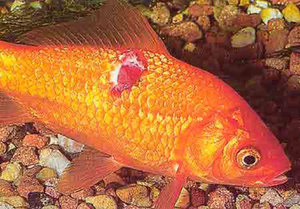 This disease causes aquarium fish to change appearance—their skin color becomes lighter or whiter. The fish begin to float at the surface. The causative agent is the bacterium Pseudomonas dermoalba, which can enter the aquarium through plants or infected fish.
To treat the disease, the fish is placed in a container containing a solution of chloramphenicol. The substrate and water in the aquarium are disinfected.
Fin rot
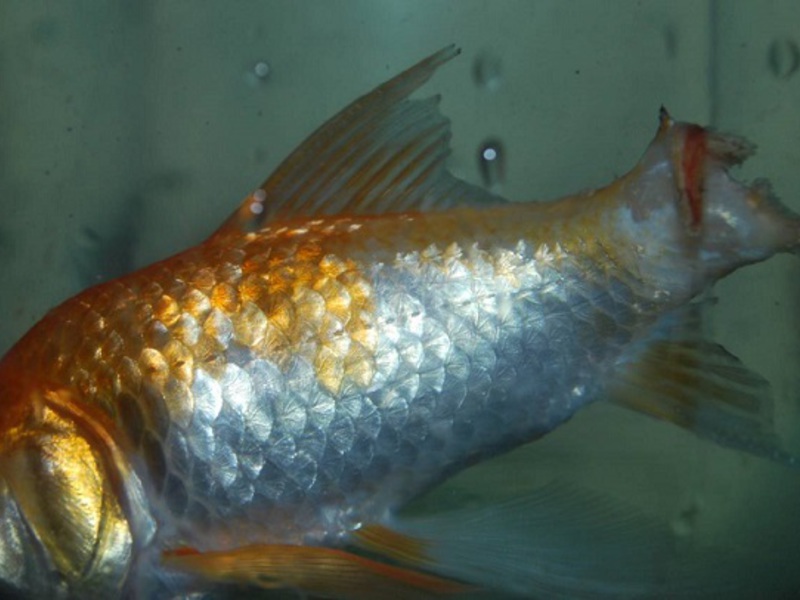
The most common disease of aquarium fish. It occurs as a result of fin damage due to poor water quality or bites from other fish. The fins become deformed, shrink in size, and become lighter in color. It can also be accompanied by a bacterial infection, causing ulcers on the body and a swollen abdomen. The disease is caused by bacteria of the Pseudomonas group.
Treatment: Change poor-quality water, disinfect the aquarium and plants. Place sick fish in a container with a chloramphenicol solution. Avoid keeping fish with behaviorally incompatible behavior. For example, swordtails are incompatible with aggressive large fish.
Mycobacteriosis
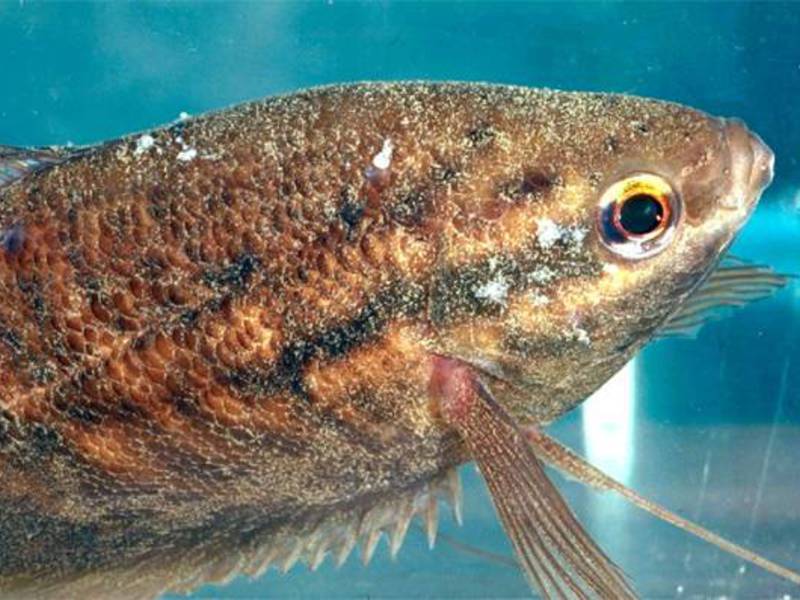
The disease primarily affects live-bearing aquarium fish species: swordtails, labyrinth fish, and gourami. Their behavior changes, including disorientation, loss of appetite, and lethargy and apathy. Some species develop abscesses and ulcers on their bodies, and develop bulging eyes; others go blind, their skin becomes covered in black spots, and bones may protrude.
Cure is possible at an early stage of the disease, for which copper sulfate, trypoflavin, and monocycline are used.
Neon disease (Plystiphorosis)
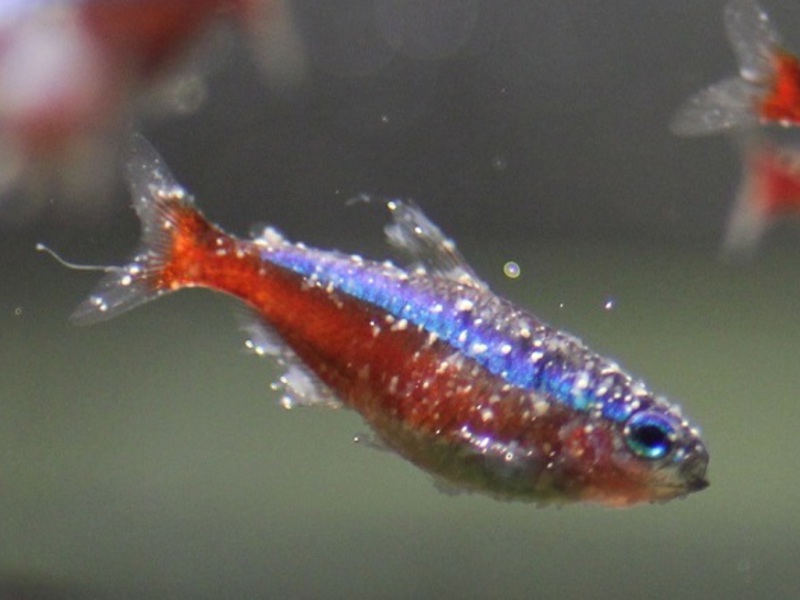
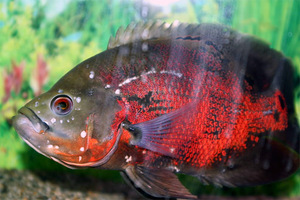 The disease is caused by an amoeboid spore-like fungus. Symptoms include jerky movements, fish rising to the surface of the aquarium, and a head-down position. Coordination is impaired, loss of appetite is observed, and skin color fades. The fish remain solitary and avoid schooling. Cyprinid species (barbs, neons, goldfish, etc.) are susceptible to the disease.
Neon disease is almost untreatable, so it is necessary to destroy the affected fish and thoroughly clean the aquarium.
There is also pseudoneon disease, which is treated with a solution of bactopur (1 tablet per 50 liters of water).
Hexamitosis (hole disease)
The intestinal flagellate parasite, which causes the disease, attacks the intestines and gallbladder. It is transmitted by sick fish, and sometimes by poor water quality. Symptoms include loss of appetite, color changes, solitary behavior, and the appearance of mucous discharge.
The disease can be treated in its early stages. To treat aquarium fish, slowly raise the water temperature to 33-35 degrees Celsius or dilute metronidazole in a container (250 mg per 10 liters of water).
Peptic ulcer disease
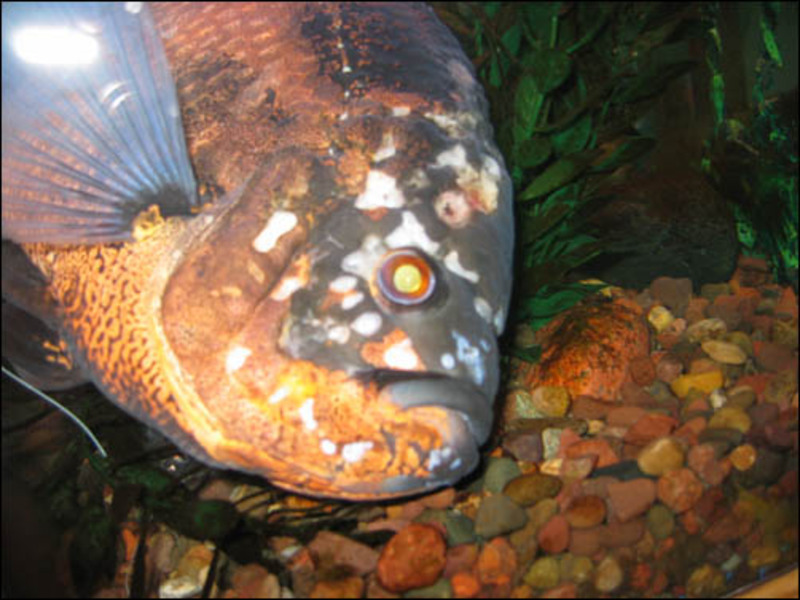
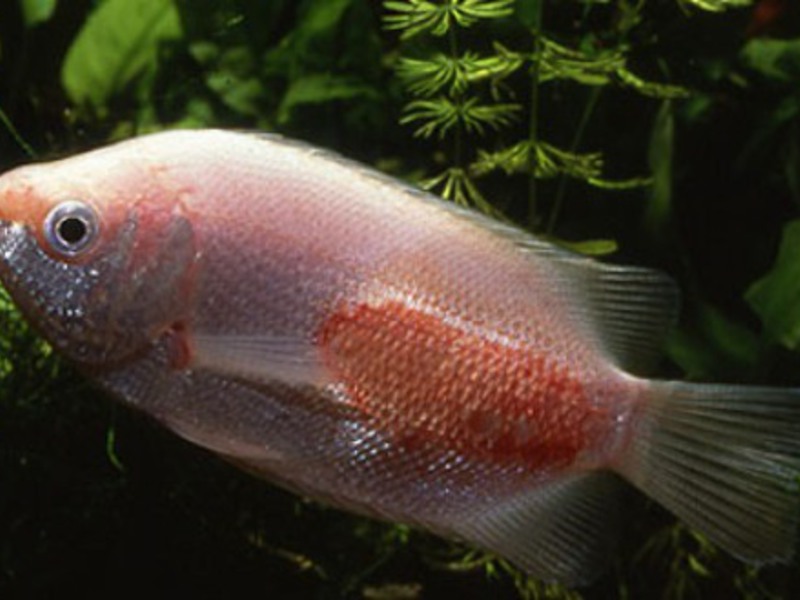
The disease is caused by bacteria (Pseudomonas fluorescens), which enter the aquarium through food or from sick fish. Symptoms include dark spots on the fish's skin, which gradually develop into ulcers. The fish also develop bulging eyes, an enlarged abdomen, scale lesions, loss of appetite, and the infection spreads throughout the body.
Timely treatment is necessary, for which streptocide (1 tablet per 10 liters of water) or potassium permanganate is used.
Invasive diseases of aquarium fish
Glugeosis
One of the most dangerous and serious diseases of aquarium fish, it affects their entire body and is untreatable. Symptoms include fish floating on their sides, and bloody and whitish bumps appearing on their bodies. This disease primarily affects cyprinid fish species (neons, goldfish, and others).
Trichodinosis
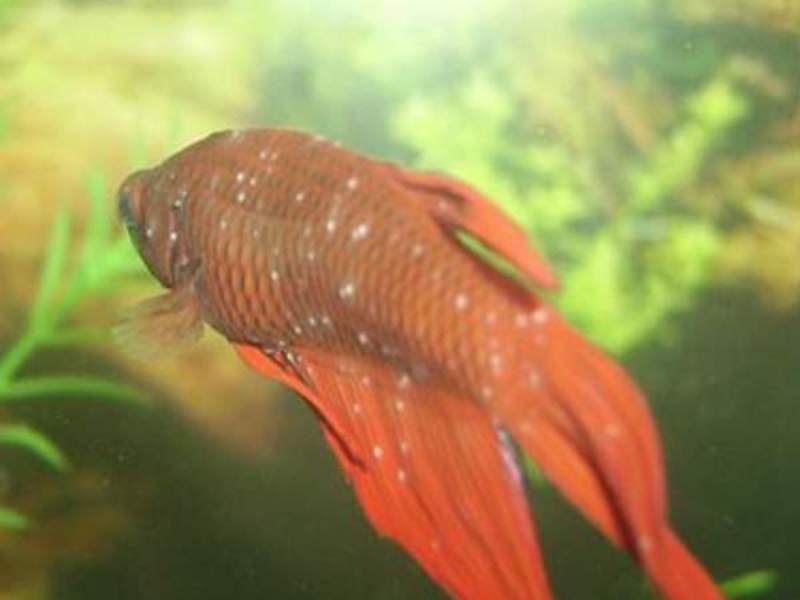
It is transmitted through contaminated food, plants, or soil. Symptoms include: fish rubbing against the soil or rocks, and a light-colored coating appears on their skin. Their gills become lighter in color and coated with mucus, they lose their appetite, and their breathing becomes more rapid.
Treating aquarium fish is best done in the early stages. Sick fish are placed in a container with warm water (31 degrees Celsius) and methylene or table salt (20 g per 10 liters) is added.
Ichthyobodosis
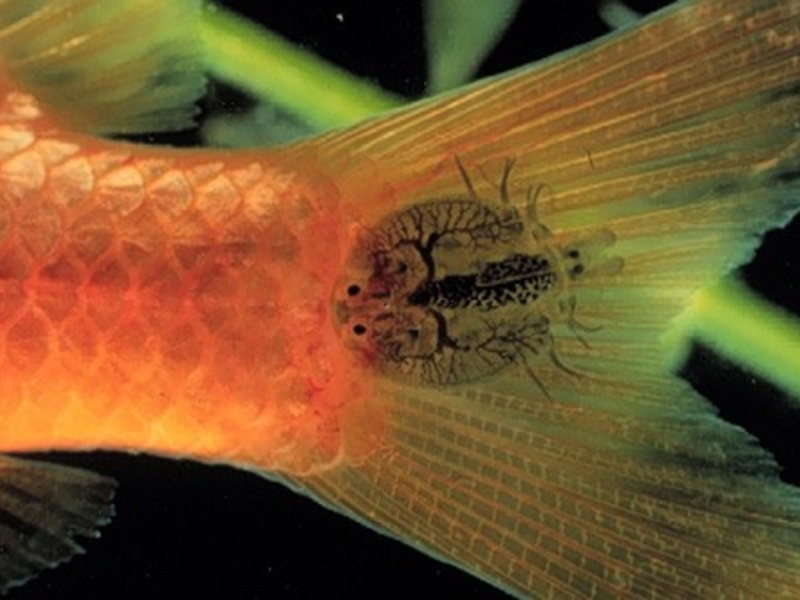
The disease is caused by the flagellate Costia necatris, which enters the aquarium through plants, food, and gravel. The skin of the affected fish becomes covered in mucus, and the affected areas gradually decompose. The gills change color, and the fins stick together. The fish periodically rises to the surface and gulps air.
To treat the disease, the water in the aquarium is heated to 32-34 degrees or the fish are moved to a container with a methylene salt solution.
Disease prevention
 disinfection of items placed in the aquarium;
- You should not buy fish with damage, growths on the skin, etc.; be sure to quarantine any fish you buy;
- new plants must be treated with a weak solution of potassium permanganate;
- snails can be carriers of diseases;
- the availability of fresh and varied food, which must be given on a certain schedule;
- It is necessary to control the temperature and purity of the water in your home pond using special devices.
 disinfection of items placed in the aquarium;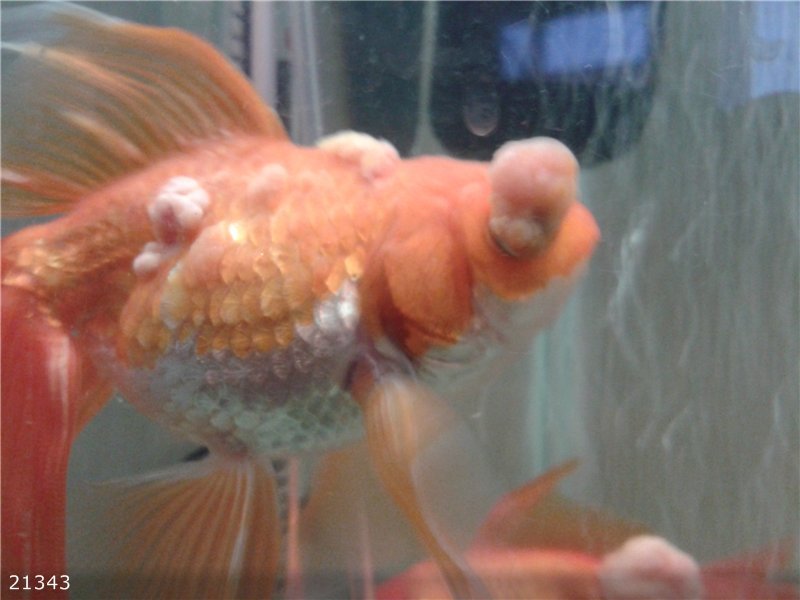
 Sergey
  Zibrova Ira
2 comments