The death of aquarium pets is a common problem faced by fish keepers. Even if the aquarium meets all requirements and the water is well-settled, filters and an aeration pump are installed, and the fish are fed high-quality, balanced food, they can still die periodically.
Typically, this situation is encountered by aquarists who have recently started breeding pet fish, but even experienced specialists are not immune to it.
To eliminate the underlying causes, it's necessary to create conditions similar to those found in the wild. This will significantly reduce the chances of fish getting sick and dying. However, to do this, you need to know the causes of death in your pets and be more attentive to your pets. We've discussed the most obvious and common causes of fish death in aquariums below.
Content
The main causes of death of aquarium fish
Experience in raising aquarium fish shows that they die less often from disease than from improper handling:
- Fish deaths are often caused by hasty transfers to a new aquarium. The water in which the pet was previously kept (pH, hardness, water temperature) may differ. Any fluctuations in any of these parameters are detrimental to the fish. Therefore, transferring a newly purchased aquatic animal should be done gradually.
- Oxygen deficiency. This level is especially low at night, when aquarium plants consume rather than produce oxygen. To avoid problems when the tank is heavily loaded, the compressor should be running at all times.
- Nitrogen compounds – as a result of the excess breakdown of waste products from the inhabitants of a home pond, nitrogen compounds supersaturate the entire volume of the water. Lethal levels of ammonia are not always detectable by water clarity.
- Temperature fluctuations under various circumstances, an excess of food, or an incorrectly selected diet - all this causes the water to "stagnate".
- Predators are a headache for beginners, so you need to choose your neighbors wisely.
Read also, How to clean an aquarium properly.
Lack of oxygen
A lack of oxygen negatively impacts the vital functions of any organism. Aquarium fish are no exception. They use oxygen dissolved in water to breathe, and sometimes they don't have enough. This occurs due to overcrowding, both with fish and certain plant species. According to regulations, each individual inhabitant of a home aquarium is allocated a certain amount of water. The larger the pet, the more water it requires for normal functioning.
To avoid this problem, additional air aeration should be installed in the aquarium. Various types of air compressors with sprayers are used for this purpose. Some aquarists use internal filters to enrich the water with oxygen, but this doesn't always produce the desired effect. Experience shows that a properly adjusted air compressor sprayer produces a higher-quality, more easily absorbed oxygen bubble.
As is well known, water in an aquarium, just like in the wild, is enriched with oxygen through contact with atmospheric air. Given this fact, the surface of the water in the aquarium should be free of a greasy organic film that would impede the exchange of oxygen from the atmosphere.
This film can form due to the decomposition of excess dry food and other waste products from aquarium fish and ornamental plants.
The problem is solved by regularly and partially replacing the water with fresh water, as well as by purifying the water with all kinds of filtering devices.
Water temperature
When the water temperature in an aquarium is properly adjusted, fish feel alert and happy. Ornamental plants also respond to the temperature: they look healthy and vibrant, sprout new shoots, and thrive. This whole picture is pleasing to the eye. Otherwise, fish become sick and die.
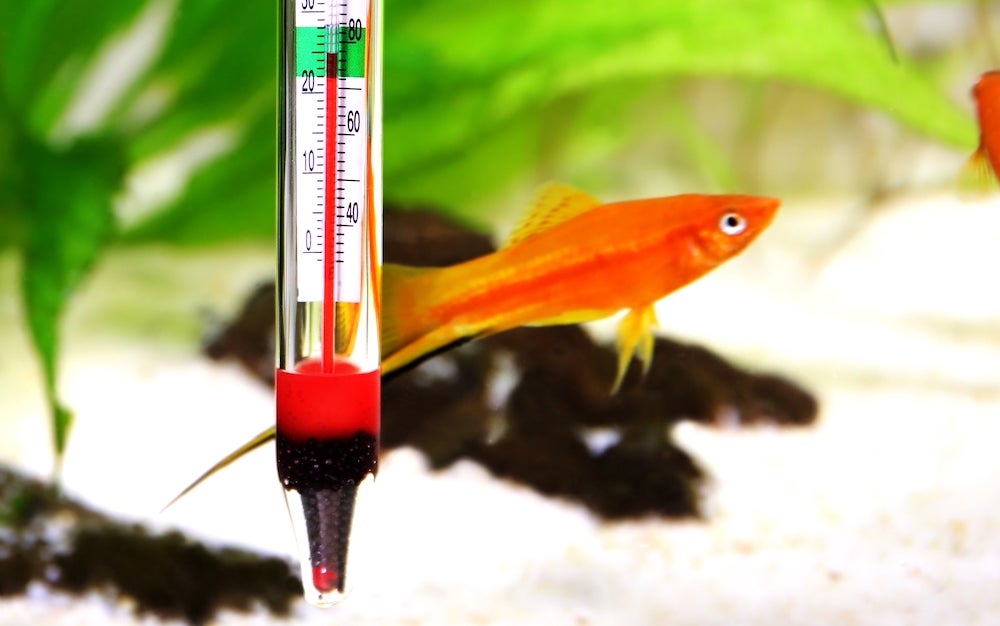
How to determine the temperature regime of a home pond?
Each species of fish and plants has an optimal water temperature. This is determined by their natural habitat.
For this reason, it is necessary to populate the aquarium with fish that have the same temperature environment:
- High and low water temperatures have a negative impact on fish.
- To control the temperature, each aquarium should have a water thermometer, which can be purchased at any pet store or pharmacy.
- If the temperature in a jar containing residents drops sharply, the cause must be identified and eliminated.
- A drop in temperature can also be detected by external factors. Fish become lethargic and inactive. Their coloring becomes dull. They sink to the bottom and appear to fall asleep. All their vital processes slow down. This is most often caused by an open window or a heating outage.
- To solve these problems, install a special immersion heater or its variant. If such a heater is not available, you can use improvised means such as table lamps or light fixtures. There's just one requirement: the lamps shouldn't be modern ones that don't emit heat, but older models, preferably with blue or red glass.
- When a sudden increase in temperature is needed, water heated to 45 degrees Celsius can be added to the aquarium. However, aeration does not need to be turned off.
- When the water temperature needs to be lowered, compressors and filters are turned up to maximum power. Cool water can be added, and in some cases, ice is added to the home pond.
Please note that aquarium pets react very seriously to sudden changes in the water thermometer, so the decrease or increase in temperature should occur without sudden changes.
Incorrect or poor quality food
Incorrect diet is also a cause of death in aquarium fish. Both dry and live food can poison pets. If improperly stored, dry food can be damaged by mold. If contaminated food is ingested, aflatoxin poisoning occurs. Feeding can become contaminated if you buy a large batch and store it improperly.
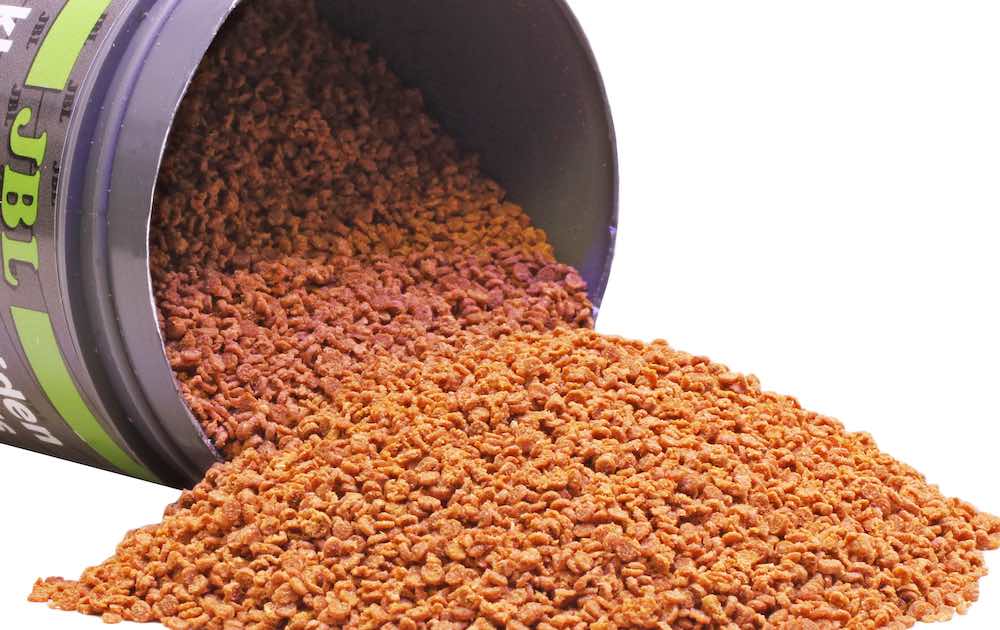
Low-quality live food (bloodworms, tubifex, daphnia, etc.) can also pose a danger to aquarium fish. When present in water bodies, this type of food can enter contaminated environments and become a source of danger due to the accumulation of harmful substances in the body.
Live and dry food should be purchased from reputable sellers, preferably pet stores. Proper storage of food is another factor that influences the safety and quality of nutrition.
Why fish die: nitrogen poisoning
During their life cycle, fish release nitrogen-containing substances – ammonia, nitrites and nitrates, which can cause illness.
Sometimes this is the reason why fish die:
- Nitrite poisoning is characterized by rapid breathing, fish standing at the surface and breathing with great difficulty.
- Small fish may experience seizures.
- Most often, the gills change color—they darken. Within a few hours (sometimes the process can take up to several days), the fish die.
- To disinfect water, use table salt at a rate of 1 gram per 10 liters of water.
Nitrates are less dangerous to fish than other nitrogen compounds. At low levels in water, they are even harmless. However, their concentration increases when ornamental plants are fed and the aquarium is poorly maintained. Overcrowding and uneaten food also significantly impact water quality, contributing to an increase in nitrate compounds. Elevated nitrate levels negatively impact the overall health and development of fish—they become lethargic and breathe rapidly.
To prevent nitrogen poisoning, it is necessary:
- monitor the chemical composition of water,
- change it regularly,
- use feed rationally,
- use special water purifying and balancing agents.
Wrong neighborhood
As is known, aquarium fish, like those living in the wild, differ in a number of criteria.
When placing pets in an aquarium, it is worth following certain rules:
- It is necessary to populate the jar with fish of approximately the same group, with similar characters;
- You cannot keep large fish together with small ones;
- predators cannot be combined with other fish;
- The temperature and chemical composition of the water must be optimal for all aquarium inhabitants
If an aquarist violates these requirements, he risks losing all his pets, or, at best, the number of fish will decrease.
Incorrect adaptation after purchase
To save newly acquired fish, you'll need to create conditions for their adaptation. It's not recommended to immediately introduce a new pet into the aquarium. The chemical composition and temperature of the water, as well as transport conditions, can often cause stress for the fish, which can lead to its death.
How to transfer a new resident to your aquarium?
- When transporting fish in a container protected from light, it must be gradually accustomed to light.
- Then you need to mix water from your aquarium into the container in which the new fish is located.
- If no changes have occurred, you still need to wait a certain amount of time, monitor the newcomer's behavior, and check their general well-being.
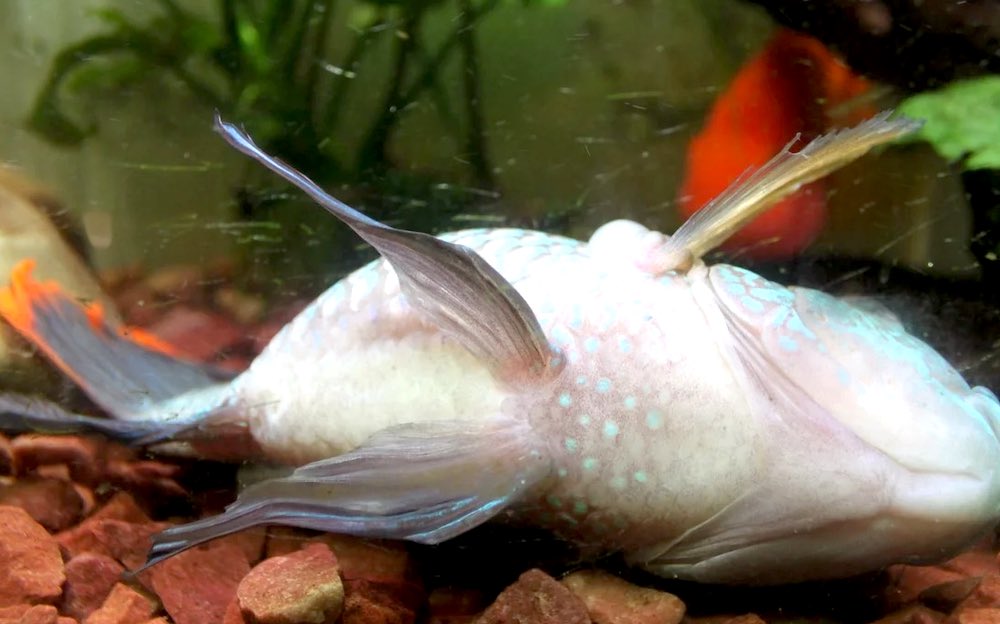
After introducing your new pet into the main aquarium, observe its reaction and the attitude of the native fish. In any case, an introduction will take place. The larger the tank and the fewer the inhabitants, the smoother the process—especially if all the fish are non-aggressive. It's not uncommon for aquarium pets to attack new fish and eventually kill them. Some aquarists recommend separating the "aggressor" from the new fish. Over time, its ardor will subside, and its behavior will become relatively calm.
Read also, How to get rid of a black beard.
Keeping aquarium fish: tips and tricks
Here are some basic tips for keeping aquarium fish for beginner aquarists:
- If you're unsure of the seller's expertise, or the waterfowl were kept in uncertain conditions, quarantine them for two weeks in a separate container and monitor their condition.
- Be sure to combine your fish based on their diet. This will prevent smaller fish from being eaten. This will also prevent excess food from becoming swampy.
- Never use kettles or their derivatives to heat water. This is dangerous not only to aquarium fish and plants, but also to the aquarist!
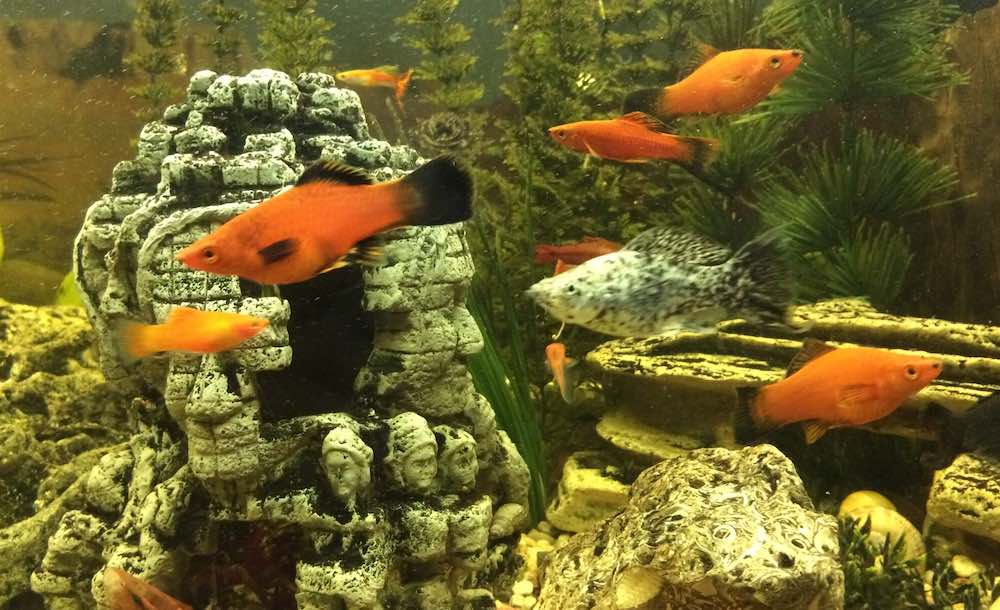
The illness or death of any pet, including fish, is always a minor tragedy. Hobbyist aquarists know that proper maintenance of a home aquarium, high-quality food, and timely water changes influence the longevity of their aquatic inhabitants. For fish to feel at home in an aquarium, they don't need much more than attention and proper living conditions. Then, keeping fish will be a joy, and the risk of their death will be reduced to zero.
Read also about the right choice of aquarium.