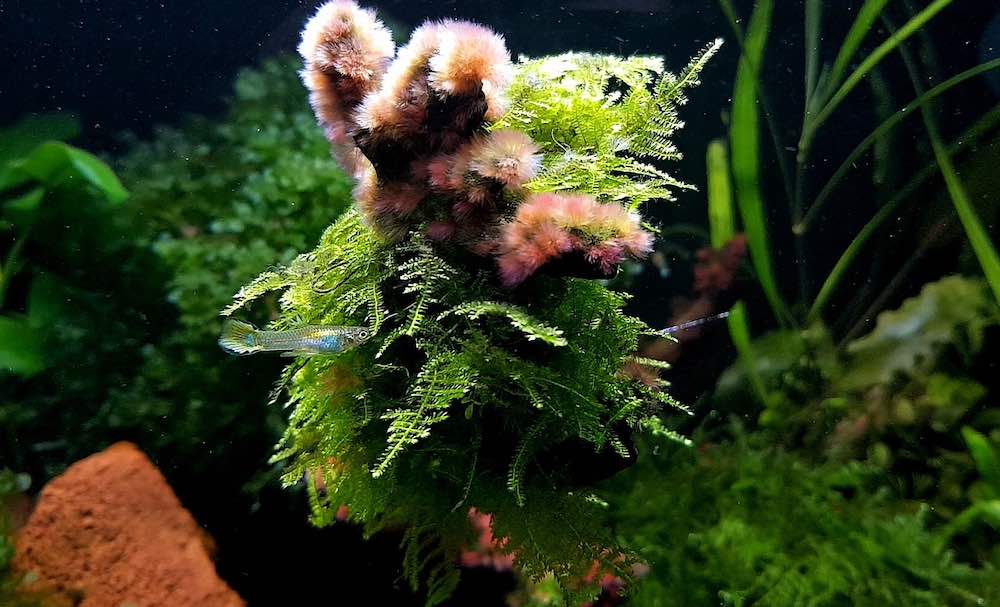
A clean, well-maintained aquarium, a vibrant and vibrant biotope, and crystal-clear water—all of these are incompatible with black beard algae. This is the name of a common weedy aquatic plant. In artificial ponds, it causes a lot of trouble for aquarists. Black beard algae often appears in home aquariums. Once in a favorable environment, the algae begins to grow, coating the walls of the tank, plants, and objects within.
This moss-like plant arrived with pond plants imported from Southeast Asia. Experts don't consider this algae a pest, but it harms not only living plants but also plastic. While the "beard" doesn't have a direct negative impact on the habitat's inhabitants, it can alter the microbial composition of a pond so much that it becomes simply uninhabitable.
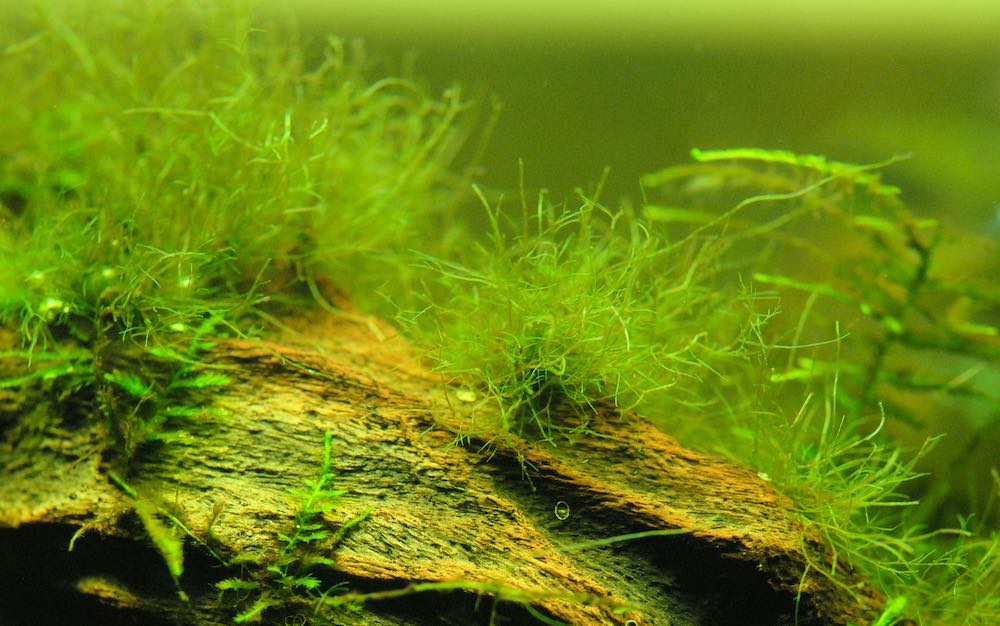
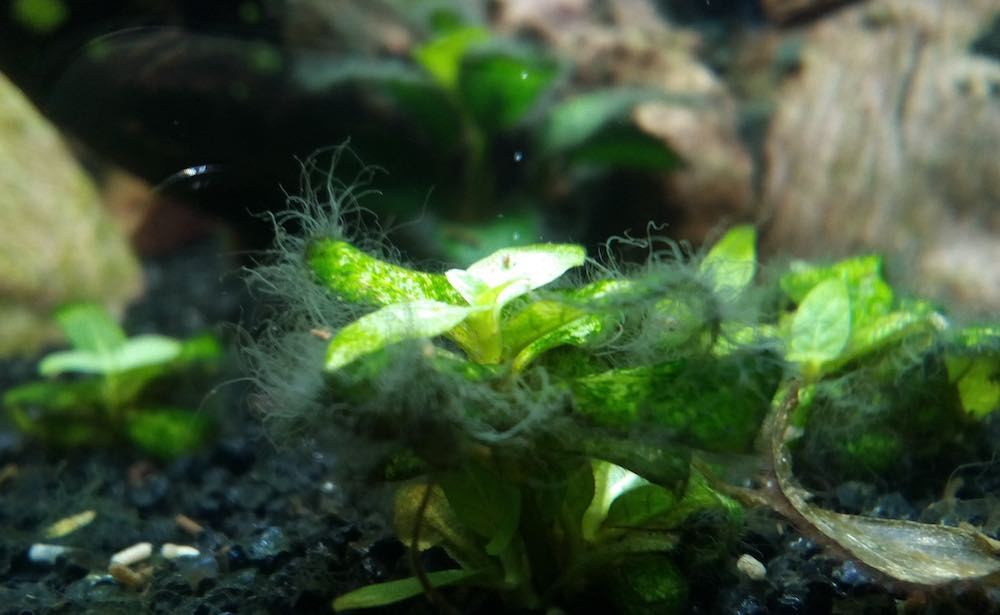
Black beard algae consists of thin, dark-colored hairs intertwined with each other. They can be seen on inanimate objects and plants in an aquarium. This weed not only detracts from the aesthetic appearance but also negatively impacts the water balance of the underwater biotope. The growth of black beard algae negatively impacts slow-growing ornamental plants; when clearing them of algae, the underwater vegetation is often damaged and must be discarded. Black beard algae poses no threat to the development of aquarium fish and other inhabitants.
Content
Black beard algae in an aquarium: reasons for its appearance
The appearance of black beard is almost inevitable for any aquarium, regardless of size and shape.
But at the same time, experts have identified favorable conditions for the contamination of a reservoir by this harmful organism:
- Black beard weed most often affects aquariums where the small volume is insufficient to accommodate the large number of fish. It is caused by substances secreted by the aquarium fish, which act as a breeding ground for the weed.
- In addition, food that is not eaten on time acts as an additional factor in creating favorable conditions for the development of black beard.
- The presence of bottom-dwelling fish and carp in the aquarium has a positive effect on the growth of harmful algae. This is because these inhabitants, in their search for food, stir up food scraps and other organic matter from the bottom of the tank, which serves as a breeding ground for harmful algae.
- The chemical composition of the water is highly acidic and hard, it is rarely changed, there is poor lighting and poor filtration and aeration of the aquarium.
- Another reason for the development of parasitic algae is the acquisition of already infected plants, which contributes to the rapid development of black beard algae.
How to get rid of a black beard: basic methods
Let's look at the main ways to combat black beard.
Cleaner fish and snails
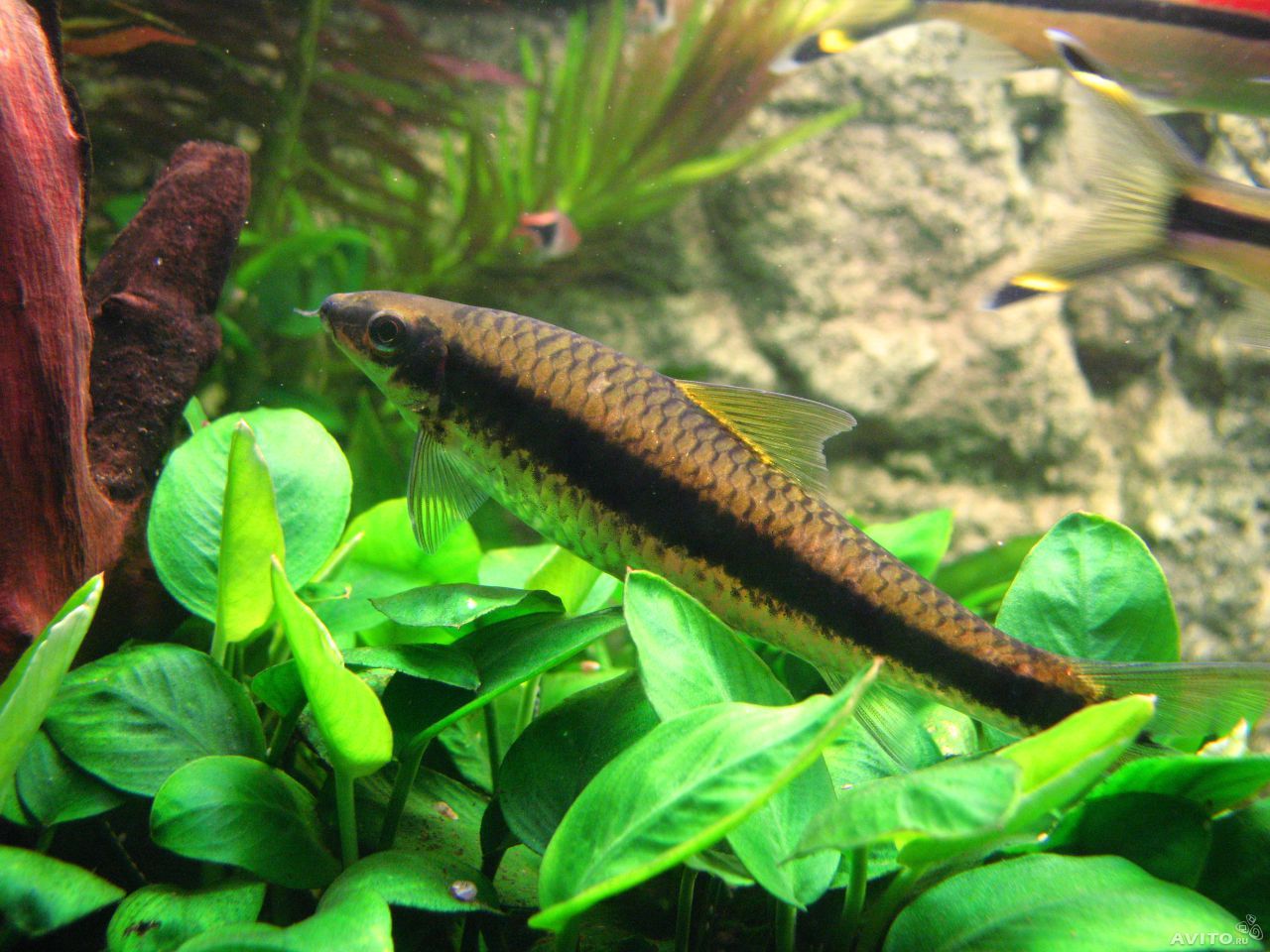
Certain fish and snail species can be used. For example, Siamese algae eaters and ancistrus can feed on this plant. Under certain conditions, the fish will clear the aquarium of weeds in 2-3 weeks. A necessary requirement for the fish to work is that they should not be fed.
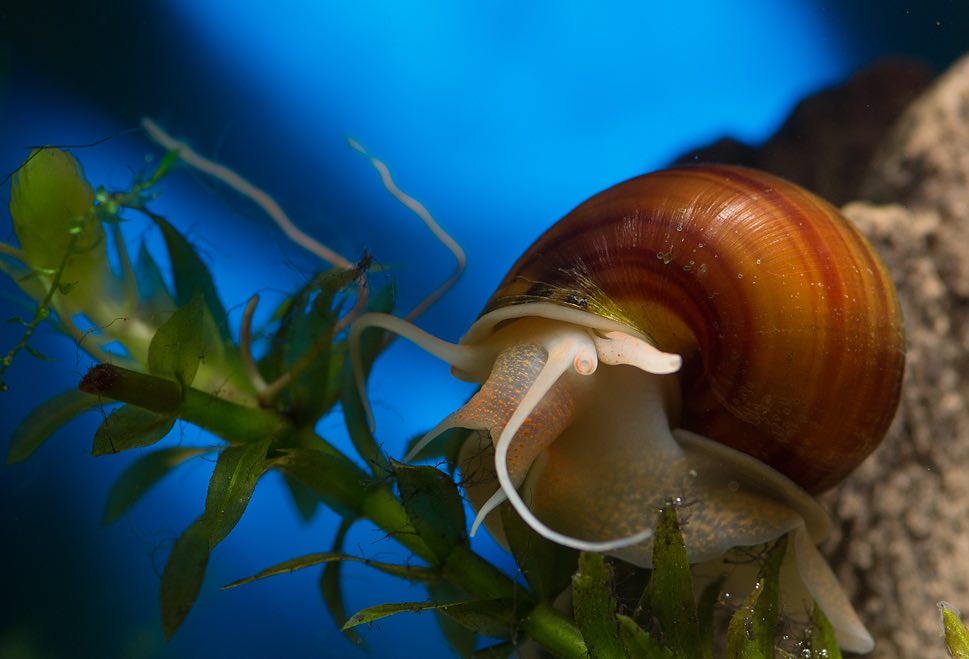
Ampullaria snails are also used to combat black beard beetles. For effective control, a large number of them are required. One more requirement: they must be no larger than three millimeters. Once cleaning is complete, all the snails must be removed, otherwise they will eat all the aquarium plants.
Antiseptics
Furacilin and furazolidone are considered the most inexpensive and readily available antiseptics for combating black beard algae. With the right dose, these medications suppress the activity of black beard algae in an aquarium. The optimal dosage is one 50 mg tablet per 20 liters of water, with a treatment period of 5-7 days. However, there is no 100% guarantee of eradicating the harmful algae. Ornamental plants may also die during treatment. This should be anticipated.
Currently, a number of special preparations have been developed that can effectively combat black beard:
- In pet stores you can buy Saidex, which is harmless to aquarium inhabitants.
- Some aquarists consider AlgaeFix to be more effective, but it has one drawback: crustaceans cannot tolerate it.
- An expensive and fast-acting drug is Aldehyde+CO2.
When using the above mentioned products, please remember to follow the instructions for their use.
Higher plants
Some experts use the method of introducing higher plants, such as Hygrophila, Schisandra, and Elodea, to combat black beard weed. Hornwort, Rotala indica, Naias, and Vallisneria also work well. Experience shows that black beard weed thrives on simple algae, as higher plants consume a lot of oxygen and nutrients during their life cycle. Consequently, the weed, exposed to unfavorable conditions, dies.
Creating unfavorable conditions for algae
Fighting black beard algae is possible and necessary. The sooner a pond owner begins protecting their aquarium from algae, the easier it will be to get rid of this "parasite."
One of the effective methods of combating black beard is considered to be restarting the aquarium:
- For this, the fish are placed in a separate container.
- The water is poured out of the aquarium.
- Plants are discarded or infected leaves are removed. Remaining plants are quarantined and treated with available pest control products.
- Aquarium soil is boiled or calcined.
- Any decorative items (snags, stones) are cleaned and disinfected with boiling water or any other disinfectants.
- Then the aquarium is prepared and populated with pets.
Another method for controlling the weed is to use a battery with copper wires. Two copper wires are connected to the battery contacts and the battery is placed in the aquarium for 2-3 days. The microcurrents kill the black beard weed, but this does not affect the aquarium inhabitants or ornamental plants.
Read also, How to clean an aquarium properly.
Tips and nuances
To prevent black beard moths, keeping the aquarium clean is crucial. This parasitic plant uses organic particles that fall on its hairs. To avoid this, it's important to prevent excess nutrient buildup.
When feeding fish, do not add any extra food. They should eat everything within 5-7 minutes.
To reduce the organic content in an aquarium, activated carbon is used in external filter elements, which produces remarkable results in a short period of time.
The water must be changed at least once a week.
Yellowed plant leaves, as well as dead algae, must be removed immediately, as they are a breeding ground for black beard.
Experts also claim that the most effective measure for combating "beard" is a properly selected water composition. It's important to consider the content of certain chemical compounds. For example, aquarium water shouldn't be rich in nitrates and phosphates. Ion filters can help control these impurities. It's essential to monitor the lighting level in the pond: at least 1 watt per liter of water, with the lighting on for 10-14 hours daily.
Experienced aquarists also strongly advise against keeping copper coins in your home aquarium as a way to get rid of algae. Copper does have a detrimental effect on parasitic algae, but it also affects the aquarium's inhabitants—keep this in mind.
There are other ways to combat black beard:
- Treating infested plants with table vinegar is acceptable. Dip the leaves and stems in a diluted 3% vinegar solution, which kills the weed. Then replant the plant. The vinegar solution is safe for fish and ornamental algae.
- Aquarists also increase water hardness by adding 10% potassium chloride, which is diluted in a ratio of 2 ml per 1 liter of water, or 7% magnesium sulfate in the same ratio.
No single product can completely eliminate this harmful plant. Only an exceptionally balanced water purity and a properly selected water composition guarantee the absence of parasitic algae.
Cleanliness and balance in all aspects are the key to a healthy underwater world. The absence of flora conducive to algae growth precludes the Black Beard from colonizing your biotope. Keep your fish population under control, monitor lighting, perform regular water changes, and clean your filters—then Black Beard will have no place in your aquarium.
Read also, How to choose an aquarium for your home.