 Cloudy water in an aquarium is a problem every pet fish lover faces. This can even lead to the death of your fish. To prevent such a tragic outcome, it's worth considering what determines the color and density of aquarium water and how to combat cloudy and polluted water in your pet fish's home.
The main causes of cloudy water
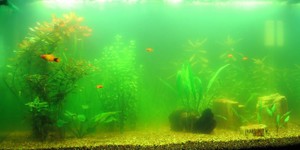 An aquarium is a closed ecosystem containing various organisms and objects that recreate a biological balance that is as natural and favorable as possible for the existence and successful functioning of fish.
If something in this ecosystem is disrupted, the fish's lives are at risk. Cloudy water is a clear and obvious sign. imbalances in the home For fish. The main causes of cloudy water in an aquarium:
- Overfeeding fish.
- Presence of algae.
- Overcrowding of the aquarium.
- Careless or improper cleaning of the container.
- Poor filtration.
- Errors when starting or filling the aquarium.
- Using the wrong decorations in the container.
If algae and other plants are present in your fish tank, they may also be the cause of cloudy water. This is because algae and other plants are very sensitive to light.
In case of its deficiency or excess, algae can emit an unpleasant odor and cause pollution environment. So if you still haven't found the answer to the question "why is the water in my aquarium starting to get cloudy?", it's worth paying attention to this factor.
After setting up a new home for fish in a tank, they multiply at a high rate a huge number of bacteria, which cause the liquid to become cloudy. This is unavoidable, even with a filter, so don't rush to fill an empty container with water and add your pet fish after purchasing it.
How to properly set up an aquarium
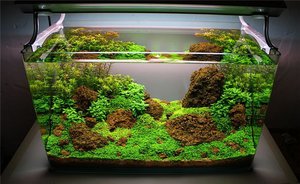 It's important to wait a few days before introducing the fish into their new habitat. This will allow most of the bacteria to simply die out due to lack of food. After that, strictly It is prohibited to change the fluid, otherwise, if you don’t want to wait a few more days, you won’t be able to avoid clouding.
Before introducing fish into a new house, it would also be a good idea to add a little bit of water from an old container, where the biological balance is favorable for their life. Particular attention should be paid to the soil placement after purchasing a new container.
Before laying it, it is necessary rinse thoroughly, or better yet, several times, and only then place it on the bottom of the container. Otherwise, its particles will break into smaller pieces and slowly begin to dissolve in the water.
How to deal with cloudy water in an aquarium
 So, even after meeting these conditions, the water in the aquarium still becomes cloudy. What should you do in this case? You need to pay attention to your fish's feeding. This may be another reason why the water is cloudy.
If the fish don't have time to consume all the food offered to them, the remains of it sink to the bottom and over time dissolve in the water, causing it to quickly become cloudy. Therefore, it is important do not overdo it when feedingIt is important to remember that when it comes to fish, it is better to underfeed than overfeed.
Overcrowding of the aquarium This is also an important factor in identifying the cause. If too many aquatic friends are trying to fit in one tank, it's worth moving at least some of them to another aquarium. It's also important to remember that larger numbers of fish naturally require more food.
This means that food particles will pollute the fish's tank to a much greater extent. Furthermore, with a large number of fish, and therefore an excessively high concentration of them, the number of harmful bacteria in a single tank increases, which will undoubtedly cause the liquid to become dirty and cloudy quickly.
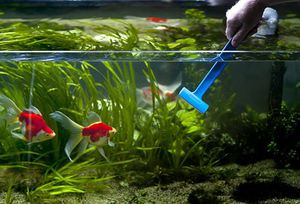
It's important to pay close attention to proper cleaning of your fish tank. If you don't promptly remove rotting plants and excess food, bacteria growth is unavoidable. Therefore, if you value the lives of your fish, you need to clean your aquarium. at least twice a week.
Poor filtration — is another cause of water pollution and cloudiness. In this case, too many unnecessary organisms and waste products accumulate in the aquarium, which will undoubtedly adversely affect the fish's life. A good aquarist will always ensure proper water filtration for their pets; otherwise, their life in the aquarium is jeopardized.
Incorrect decorations are another step toward unraveling the cause of cloudy and polluted water. When using them, it is necessary to pay attention to their absence. water-soluble dyes and loose elements. Sooner or later, they will begin to have more of a negative impact on the fish than they will be beneficial to the aquarium.
Water turbidity control products
 So, how can you combat this unpleasant problem? First, you need to identify and then eliminate the causes of the constant cloudiness of your fish's primary water.
If overfeeding is the cause, reduce the amount of food. If poor water filtration is the cause, buy a better filter or update the old one.
It's important to consider all aspects when filling a new fish tank with water, stocking the aquarium, and choosing decorations. Don't forget to clean the aquarium regularly and properly, pay due attention to the light falling on the "fish house," and the presence and necessity of algae in the aquarium.
To quickly clean your aquarium you can use:
- Aquarium carbon.
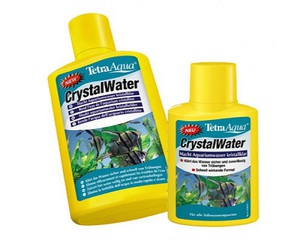
- Tetra Aqua Crystal Water.
- Sera Aquaria Clear.
Aquarium carbon is added to the aquarium filter after cleaning and lasts for two weeks. It is an absorbent—a substance that absorbs other substancesYou need to clean the aquarium every 14 days, after which you need to replace the carbon in the filter.
Two other means collect small particles in the water (food remains, soil particles) into larger ones, which then settle to the bottom and are removed after cleaning the aquarium or absorbed through the filter.