Many aquarists add them to their fish other animals that live in water — for example, shrimp. These unusual creatures can enhance any aquarium, but it's important to understand what fish they can live with and how to properly care for them. This article will cover the basics of keeping shrimp in an aquarium.
Content
Features of keeping shrimp in an aquarium
Shrimp are amazing creatures that can make a great addition to your aquarium.
But before deciding to keep shrimp, there are several things to consider:
- Shrimp need clean, well-filtered water. Water temperature should be between 22-26 degrees Celsius, pH between 6.5 and 7.5, and hardness between 5 and 15 dGH.
- The bedding in the aquarium with shrimps should be soft and not sharp.To avoid damaging their delicate bodies, suitable materials include sand, gravel, or a special substrate mix for shrimp.
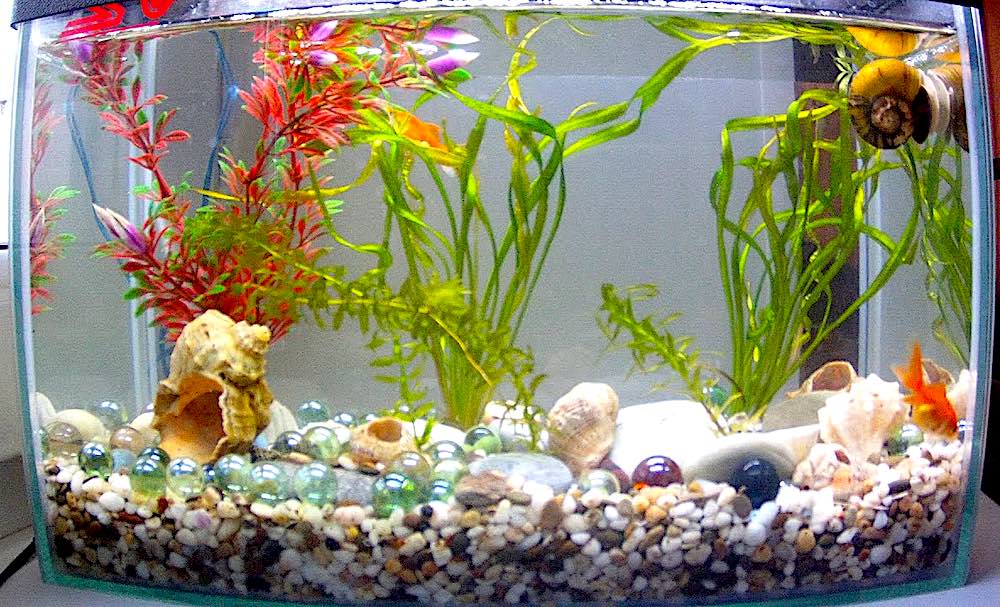
- Shrimp love to live among plants, which serve as a source of food for them., shelter, and a place to lay eggs. Suitable plants include Vallisneria, moss, Cabomba, and Anubias.
- Shrimp can feed on both plant and animal food. They can be given special shrimp food, pieces of vegetables (such as cabbage or carrots) or small live food (cyclops, brine shrimp).
- Regularly check the water parameters in your shrimp tank using test kits. and maintain them at optimal levels. Perform partial water changes if necessary.
- Choose shrimp tankmates based on their characteristics and sizes.Some species of fish or crayfish may prey on shrimp, so it's best to choose peaceful aquarium inhabitants.
- Shrimp will molt - it is important to be prepared and have the right place and conditions.
By following these recommendations, you can create comfortable conditions for keeping shrimp in your aquarium and enjoy watching their amazing life.
What types of shrimp are suitable for an aquarium?
There are several species of shrimp suitable for aquarium keeping. Some are popular among aquarists due to their attractive appearance and relative ease of maintenance.
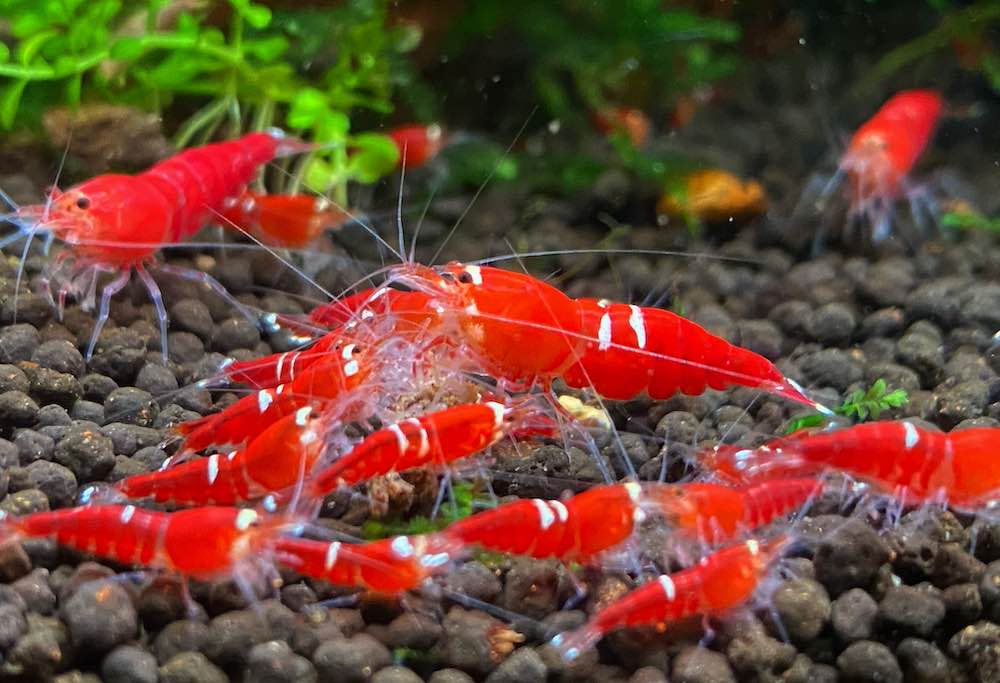
Here are some common types of aquarium shrimp:
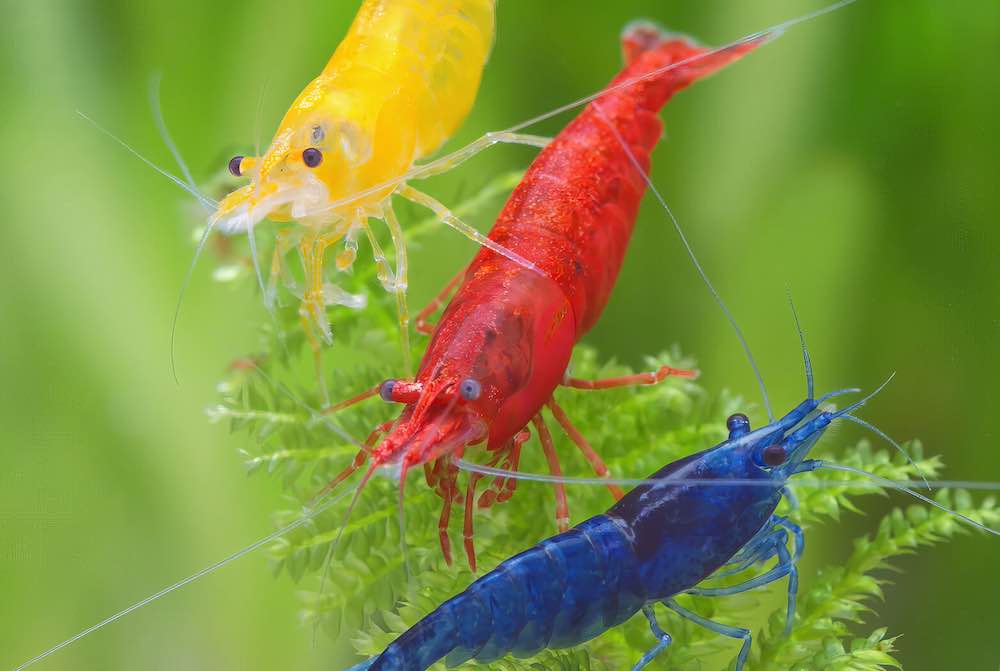
- Red cherry (Neocaridina davidi) — brightly colored and peaceful shrimp that don't require special care. Neocaridina is a group of shrimp that includes red, blue, green, orange, and other color varieties. They are peaceful, relatively easy to care for, and breed easily.
- Cardinal (Caridina logemanni) - beautifully colored shrimp that love the abundance of vegetation in the aquarium.
- Tiger prawn (Caridina cantonensis) — unique and interesting-looking shrimp that can also make a stunning addition to an aquarium. These shrimp have a black and orange striped pattern. They are calm and tolerant of changes in water parameters.
- Amano (Caridina multidentata) - large, peaceful and active shrimps that clean the aquarium well from food debris and algae, moderately peaceful.
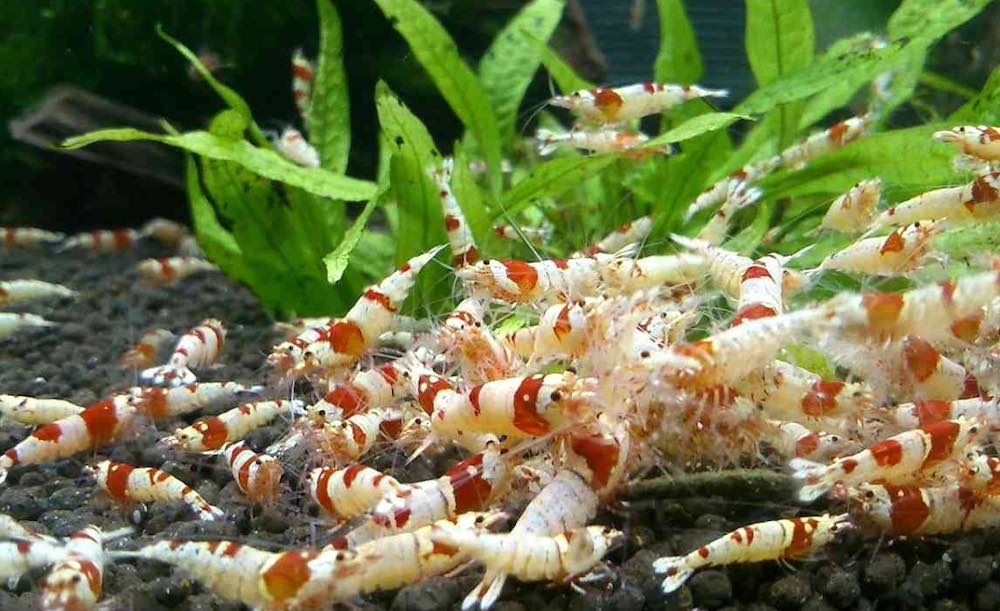
- Crystal Red Shrimp: Beautifully colored shrimp with a translucent body and white or red stripes. They require clean water and ammonia levels close to zero.
These are just a few examples of shrimp species for aquariums. When choosing, it's important to consider their water parameters, temperature, feeding requirements, and compatibility with other aquarium inhabitants.
Before adding shrimp to your aquarium, it's important to ensure that the conditions, such as water temperature, pH, and water quality, are appropriate for the specific shrimp species. Also, keep in mind that some fish can be aggressive toward shrimp, so choose your aquarium inhabitants wisely.
What fish can they get along with?
Shrimp can coexist with a variety of fish species in an aquarium, but it's important to consider several factors, such as tank size, water characteristics and temperature, fish size, and behavior. Some fish can be aggressive and attack shrimp, so it's best to choose peaceful species.
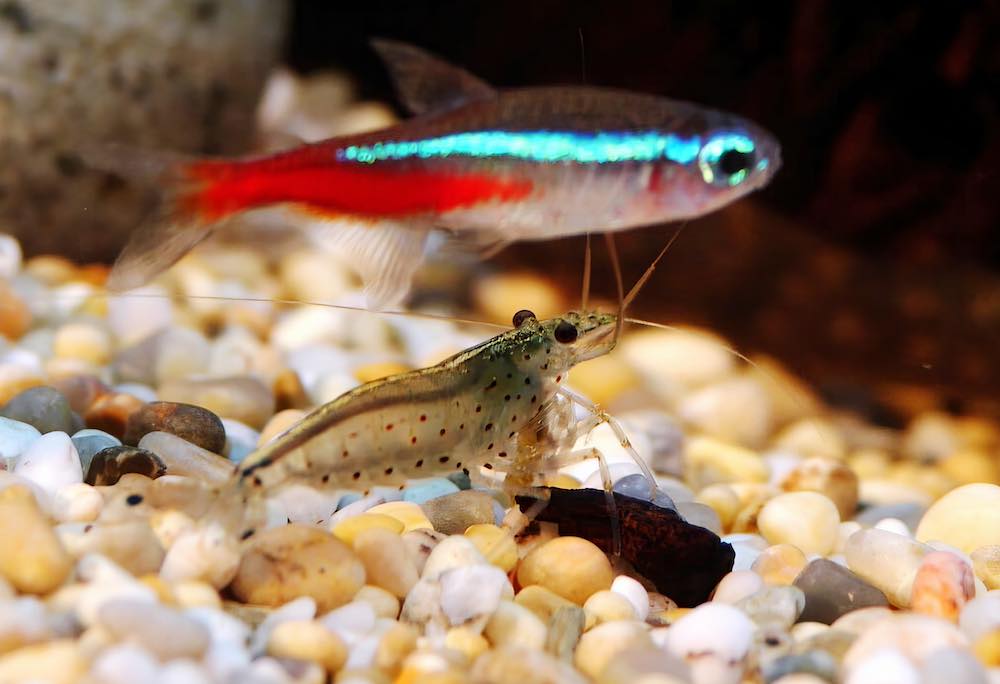
Here are some suitable fish species to keep with shrimp:
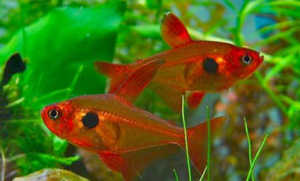
- Some species of different types of tetras (eg neon tetras, sickle tetras, Romanian tetras).
- Danio fish (Danio rerio, Zebrafish).
- Dwarf cichlids (e.g. Kirrigia fish).
- Guppies.
- Platies
Shrimp can become prey for some fish species, so observe the behavior of fish and shrimp in the aquarium and provide them with all the necessary conditions for comfortable coexistence.
Nutrition
Feeding shrimp in an aquarium involves providing a variety of foods that will provide them with the necessary nutrients and keep them healthy.
Here are some types of food that can be offered to shrimp in an aquarium:
- Special shrimp feeds: There are many types of prepared shrimp food, including sticks, granules, tablets, and powders. Make sure the food contains the necessary vitamins and minerals.
- Vegetables and fruits: Shrimp can eat a variety of vegetables and fruits, such as cabbage, spinach, carrots, cucumbers, and apples. Offer them finely chopped pieces.
- Organic matter: Shrimp can feed on microorganisms. Keep the water clean to ensure access to natural food sources.
- Frozen or live foods: Shrimp can feed on tiny worms, brine shrimp, cyclops and other small animals.
A varied diet will help provide your shrimp with all the nutrients they need to thrive and maintain an active lifestyle. Monitor your shrimp's growth, activity, and overall health to adjust their diet as needed.
Read also, How to clean aquarium gravel
Diseases
Shrimp, like other aquarium inhabitants, can become ill with various infectious and non-inflammatory diseases.
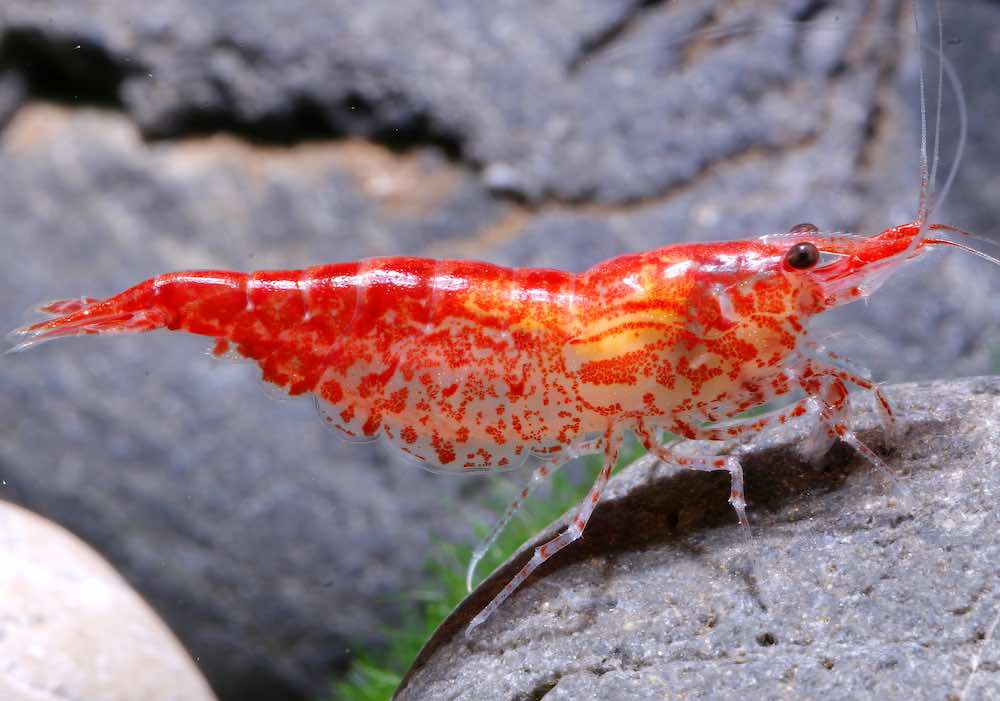
Some of the most common shrimp diseases in the aquarium include:
- Vibriosis: This is one of the most common shrimp diseases, caused by the bacterium Vibrio parahaemolyticus. Symptoms include loss of appetite, paleness, spotting, and even death of the shrimp.
- Tadpole virus: This virus can infect tadpoles, causing spongiform disease. Symptoms include body deformities, loss of appetite, and decreased activity.
- Fungal infections: Fungal infections can occur due to unfavorable conditions, such as contaminated water or wounds on the shrimp's body. Symptoms include spotting, discoloration, and behavioral changes.
- A parasitic disease caused by a flatworm of the genus MicrosporidiumSymptoms include deterioration of the shrimp's condition, vomiting, and even death.
- The filamentous bacterium Leucothrix spThin threads appear on the shrimp's body, and over time, their number increases. This impedes breathing, making the shrimp less active and stopping molting.
- Luminous disease. It often affects young insects and larvae. It is caused by the bacteria Vibrio harveyi and Splendidus, and occurs in areas with high sodium and ammonia-type nitrogen compounds. Symptoms include decreased activity and food intake. Brown spots, which turn black, appear on the body. Affected animals begin to glow with a faint greenish light in the dark.
To prevent shrimp diseases in an aquarium, it's necessary to maintain clean water, provide proper nutrition, perform regular water changes, and monitor the aquarium's environmental parameters. If shrimp show signs of illness, it's important to immediately isolate and treat the affected individuals to prevent the spread of infection to other aquarium inhabitants. It's best to consult a veterinarian or aquarium consultant for an accurate diagnosis and appropriate treatment.
Tips and tricks for keeping shrimp in an aquarium
When keeping shrimp in an aquarium, there are several important aspects to consider to ensure they are provided with optimal conditions and maintain their health and well-being.
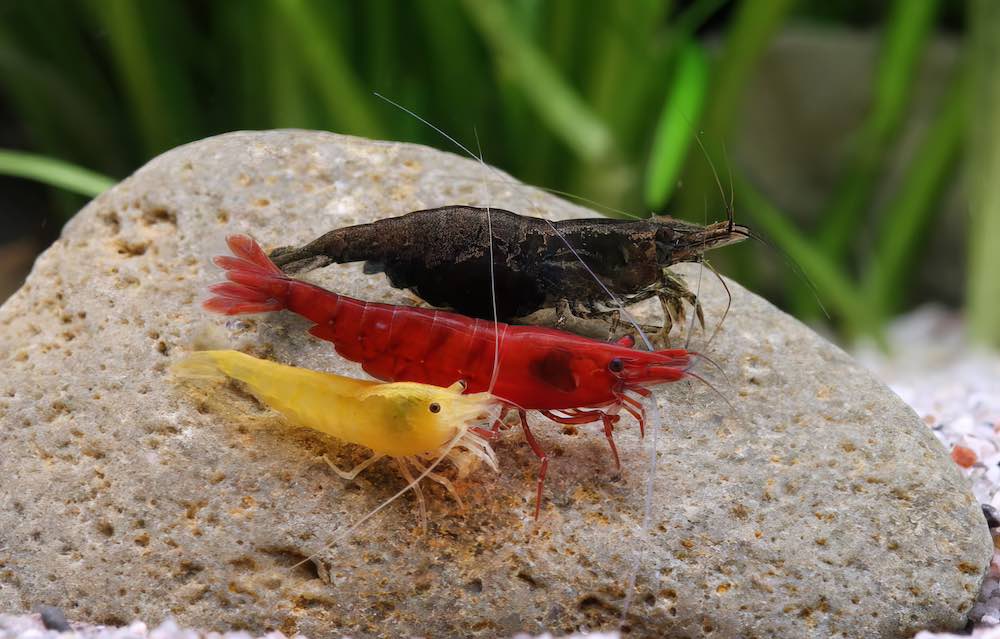
Here are some tips and nuances to consider:
- Water quality. Shrimp are very sensitive to changes in water quality. It's important to regularly check water parameters such as pH, water hardness, ammonia, nitrites, and nitrates. Ensure these parameters are within the acceptable range for your specific shrimp species.
- FiltrationGood aquarium filtration is essential for maintaining clean water and maintaining its quality. Avoid strong currents, which can disturb the inhabitants.
- Water temperature. Find out the optimal temperature range for your shrimp species and keep it stable.
- Vegetation. Shrimp love an abundance of plant life in their aquarium. Plants provide them with shelter, food, and a natural habitat.
- FeedingChoose shrimp food that meets their nutritional needs. Provide variety in the diet, including both staple food and additional treats.
- Avoid predatorsKeep in mind that some fish may prey on shrimp. It's best to keep them with peaceful inhabitants or provide the shrimp with hiding places.
Prepare a molting area. Shrimp molt periodically, so the aquarium should have enough hiding places and vegetation where they can molt safely and peacefully.
Following these recommendations will help create optimal conditions for keeping shrimp in an aquarium and ensure their well-being.
Read also: What can and cannot be put in an aquarium