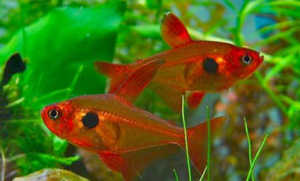
 Tetras is the general name for a group of fish belonging to the characin family. Their closest relatives include piranhas, swordtails, and wedge-bellied fish. These fish are native to slow-moving, heavily weeded rivers and streams flowing through the Amazon rainforest. The water in these bodies of water is soft, and the bottom is covered with leaf litter. This family includes species well known in the aquarium hobby, such as the blue neon tetra, black tetra, phantom tetra, and minor tetra.
Tetras: Tetra Maintenance
General characteristics and appearance
Despite the fact that There are many varieties of tetrasAll these species are similar in both appearance and maintenance requirements. These fish rarely exceed five centimeters in length, but more often they grow to just four centimeters. All fish have an elongated and relatively tall body.
Also for all types of tetras characterized by the presence of an adipose fin — a small fin without bony rays, located behind the dorsal fin. All tetras have small teeth, which they use to capture their prey—worms, larvae, and insects that have fallen into the water. All fish in this family are brightly colored and have a pronounced schooling lifestyle.
Choosing an aquarium
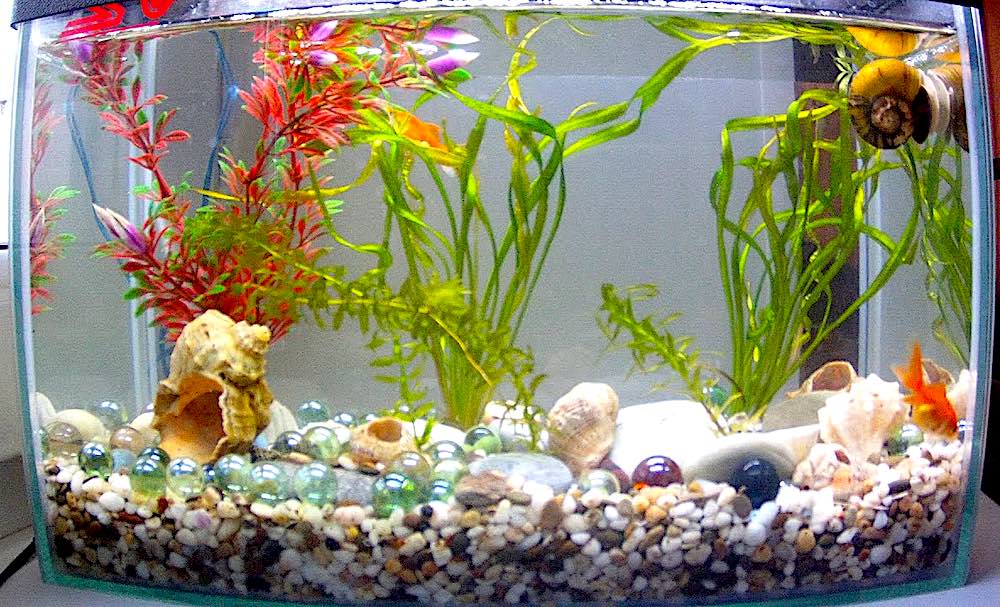
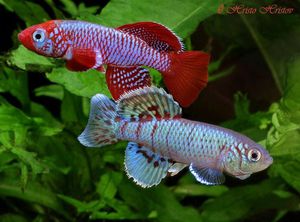 Since tetras are small fish, You don't need giant containers to keep them, but you shouldn't keep them in a three-liter jar either. A 60-100 liter aquarium is ideal, which can accommodate a school of 15-20 fish. A rectangular aquarium is best. Rounded glass tanks are attractive, but sound waves reflecting off curved glass will negatively affect the fish's lateral line, causing stress.
How to set up an aquarium
As already mentioned, tetras live in slow-moving bodies of water, but the water in them is very clean and rich in tannins, so to recreate a piece of their homeland for the fish in the aquarium, you will need:
- Substrate. It's best to keep it dark; light-colored substrate makes the fish look less vibrant. Furthermore, light-colored substrate reflects light, which can make tetras nervous.
- Filter and aerator. You'll need a water filter. They come in both internal and external types. An external filter, despite its bulk, purifies water much more effectively, while an internal filter also functions as an aerator, oxygenating the water. If you have an external filter, you'll need to purchase an aerator separately.
- Thermostat and thermometer. Tetras are native to the equatorial climate zone, so the aquarium temperature should be between 24 and 27 degrees Celsius. A thermostat is used to maintain this temperature. To adjust the thermostat, you'll need an alcohol thermometer, which attaches to the aquarium wall with a suction cup.
- Driftwood and plants. Large driftwood should be placed on the bottom of the aquarium to enrich the water with tannins. Additionally, the home pond should be densely planted with plants that provide shelter for the fish.
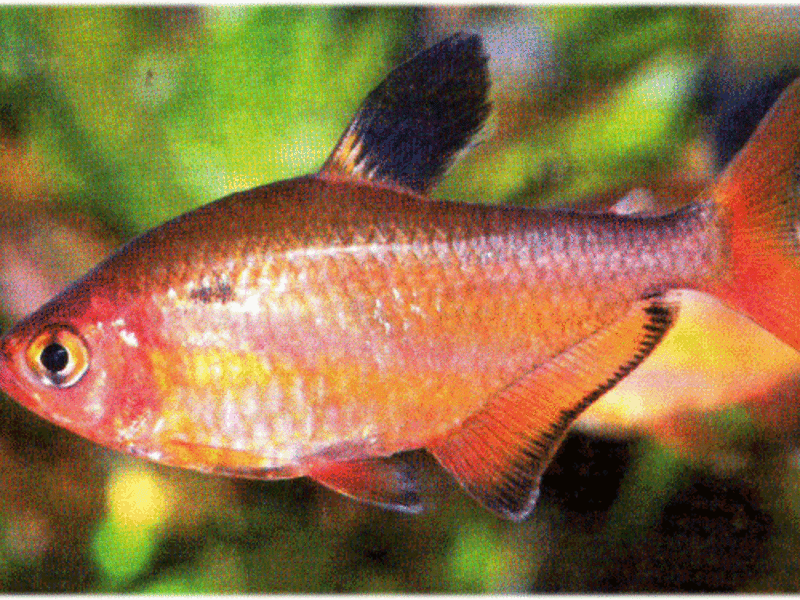
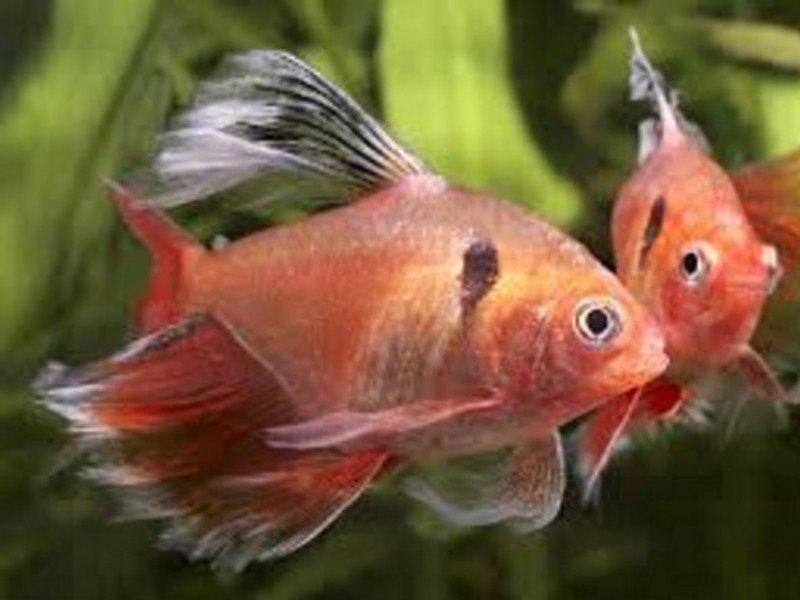
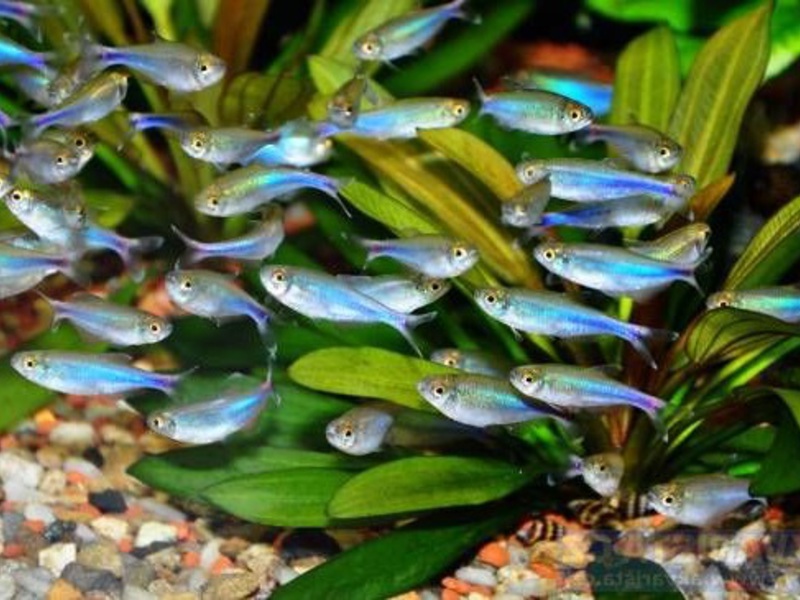
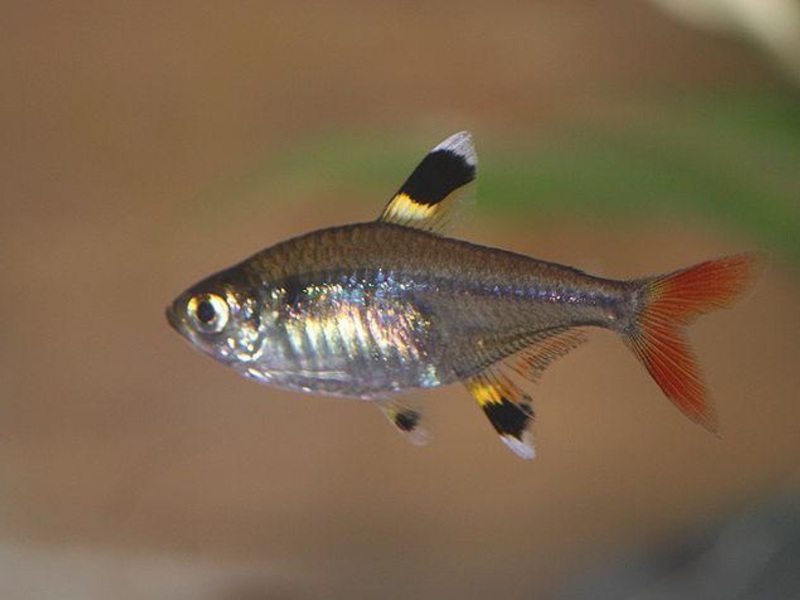
You shouldn't put shells and stones in the aquarium.Tetras prefer soft, acidified water, and these items make it hard and alkaline, which will negatively impact the fish's health.
The water in the aquarium should be changed once a week, changing 20% of the volume at a time.
Selecting fish and compatibility
When choosing fish When shopping, you should pay attention to the following points:
- Eyes. They should be clear, without spots or whitish coating.
- Fins. The fins of the tetras you purchase should be smooth, without visible damage or white fringes.
- Scales. They should also be smooth, never ruffled. Fish that are missing scales should be discarded. Tetras should also be free of white bumps or sores.
- Schooling. Tetras are schooling fish, so don't buy just one or two. If you're going to buy one, buy a dozen.
All tetras are completely peaceful These fish are completely compatible with each other. Avoid keeping tetras with barbs, swordtails, and labyrinth fish. Characins are timid, and swordtails will constantly steal their food, while barbs and labyrinth fish are too aggressive and can easily tear the tetras' fins.
Feeding tetras
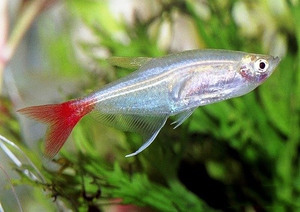 Tetras are absolutely omnivorous fish. In the wild, they feed on small creatures found in the water. In an aquarium, these fish can be fed bloodworms, corydoras, cyclops, and brine shrimp. Feeding them tubifex is not recommended: firstly, tubifex is very fatty, which can cause fatty deposits on the fish's internal organs; secondly, as filter feeders, tubifex contains a host of pathogenic bacteria and hazardous substances.
Besides this, tetram You can give scalded rolled oats from time to time and white bread crumbs. Tetras also happily eat flake or small pelleted food, which can be purchased at any pet store. Feed tetras small portions twice a day. It's important that they consume all the food within three to four minutes.
Breeding
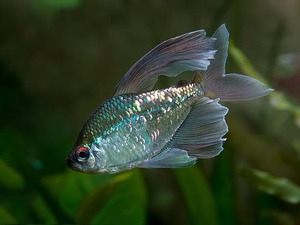 All tetras are egg-laying fishThe fish reach sexual maturity between 6 and 11 months of age. At this age, individuals ready to breed will find a mate. Before spawning, the breeding tetras are transferred to another aquarium for 5 to 7 days, separating the males from the females. During this time, the tetras are fed generously with bloodworms and brine shrimp, and then the fish are placed together.
The impetus for spawning is Lowering the water hardness to four degrees. The fish spawn in thickets of small-leaved floating vegetation. After spawning, the parents are immediately returned to the main aquarium, otherwise they may eat their own eggs. Unfertilized eggs turn white and should be removed from the aquarium.
After 3-5 days, the fry hatch from the eggs., which can immediately swim and feed. They need to be fed every three hours, using "live dust"—infusoria and crustacean nauplii—as food.
That's all an aquarist needs to know if he or she decides to keep tetras.