Cleaning the substrate in an aquarium isn't necessary very often. The frequency of this procedure depends on how well the daily maintenance of your home aquarium is performed. Beginner aquarists believe that the most important part of aquarium maintenance is "changing the water." This is a common mistake: completely draining the water and replacing it with fresh water is only necessary in emergency situations. With proper aquarium management, this is never done, but over time, the bottom and walls of the aquarium become coated with a natural film due to the activity of fish, plants, and snails.
Therefore, periodic cleaning of the aquarium is necessary, but, fortunately, it is very rare that you have to remove all the contents from it - no more than once every two or three years, and in the case of competent owners, aquariums last for decades.
Content
Causes of aquarium bottom contamination
Cleaning the substrate in a planted aquarium requires much less frequent cleaning than in a tank filled with fish. Therefore, don't let your child get a pet without first purchasing a proper aquarium and planting it with plants: plants help establish and maintain a biological balance more quickly. Just like in a vegetable garden, plants partially utilize the fish's waste products. However, they are not capable of keeping the aquarium completely clean.
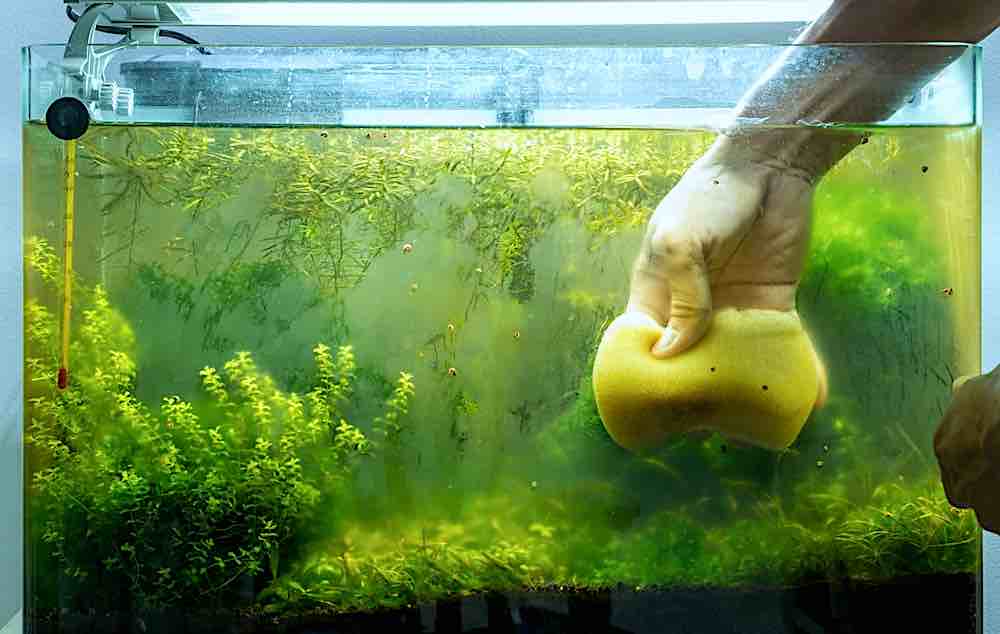
To ensure the fish's comfort, impurities must be periodically removed mechanically, accompanied by cleaning the aquarium and changing a small amount of water (up to 20%).
Aquarium inhabitants excrete nitrogen-containing substances (particularly ammonia), which gradually oxidize to nitrites and nitrates, which are toxic to living creatures. Therefore, timely water changes are essential.
As for mechanical removal of solid waste, filters can partially remove it, but they cannot completely remove dirt from the bottom. Snails eat the tiny algae deposits on the glass, but over time, this buildup becomes excessive, causing the glass to become cloudy and requiring cleaning.
All this is natural, but if the aquarium becomes polluted at an unreasonably fast rate, the owner should look for errors.
These could be:
- excess food (ideally it should be eaten within 10-15 minutes);
- use of untreated water or water with unsuitable hardness and acidity;
- incorrect operation of filters;
- too rapid development of algae due to incorrectly selected lighting;
- overcrowding of the aquarium (this is the most common reason for rapid pollution, encountered by every second novice aquarist).
Once the cause is identified, you should try to eliminate it. However, periodic cleaning of the aquarium is still necessary. Removing fish, plants, and soil from it is extremely rare.
This is done by:
- in the event of a real disaster leading to a widespread death of the reservoir's inhabitants;
- if regular cleaning no longer produces the desired result.
In case of scheduled cleaning, dirt from the bottom is removed with a siphon, but first the glass is cleaned.
Glass cleaning
Pre-cleaning the glass is convenient because the removed deposits will fall into the water and eventually sink to the bottom, where they can be removed along with the rest of the debris. To ensure proper cleaning, clean the glass 1-2 hours before cleaning the bottom. However, even relatively clear glass should be periodically wiped with a soft sponge, regardless of subsequent cleaning. This should be done every 3-4 days. It's dangerous to clean aquariums made of plexiglass even with a stiff brush, much less with metal objects. If the walls of the tank are made of ordinary silicate glass, a razor blade scraper is the traditional tool for removing deposits.
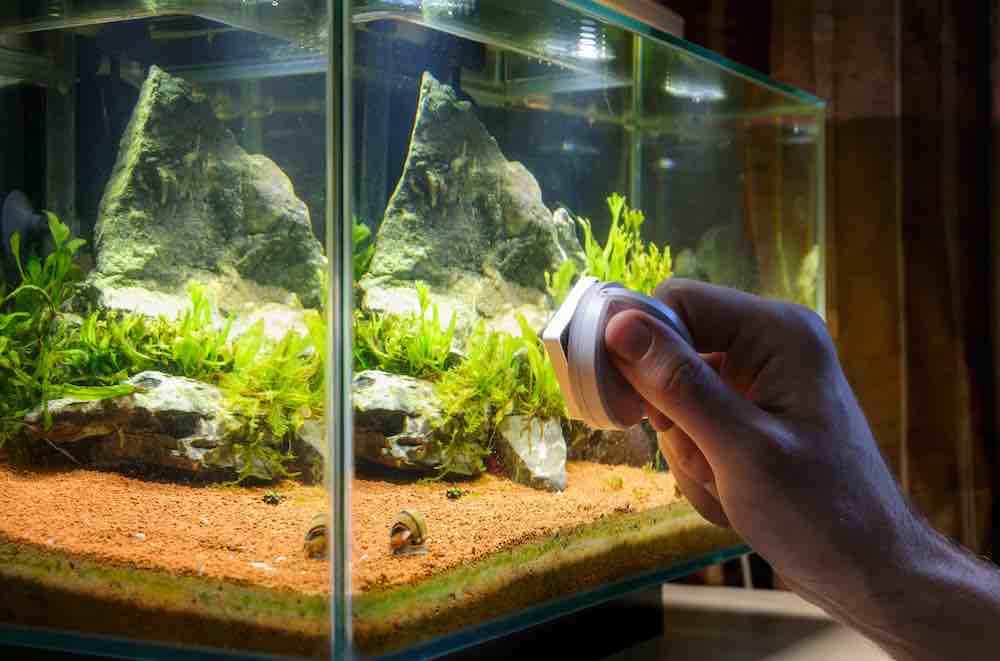
Use a sponge to scrub the walls horizontally, and a scraper to scrub from top to bottom: first the front glass, then the side glass. Not all aquarists remove residue from the back glass: it often creates an optimal background and doesn't require an additional screen behind the aquarium. Most aquariums aren't deep enough that a scraper and arm's reach aren't enough to clean the entire glass surface. If the pond is very large, use extendable or magnetic scrapers (the latter are also suitable for plexiglass).
Read also, Why do fish die in an aquarium?
How to clean aquarium gravel – the best methods
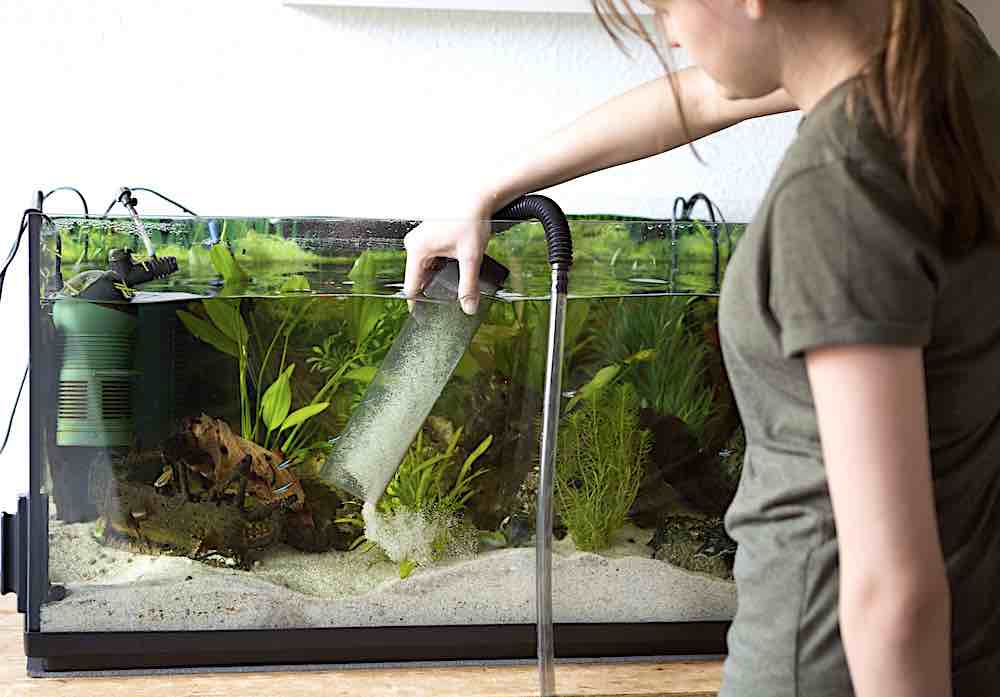
It's impossible to completely wash the aquarium's substrate without removing it, but that's not necessary. Any impurities trapped deep within the sand will be removed by the plants. Those in the upper layers, and especially those at the bottom, are easily removed with a siphon. The process of periodically cleaning the substrate is even called siphoning among aquarists.
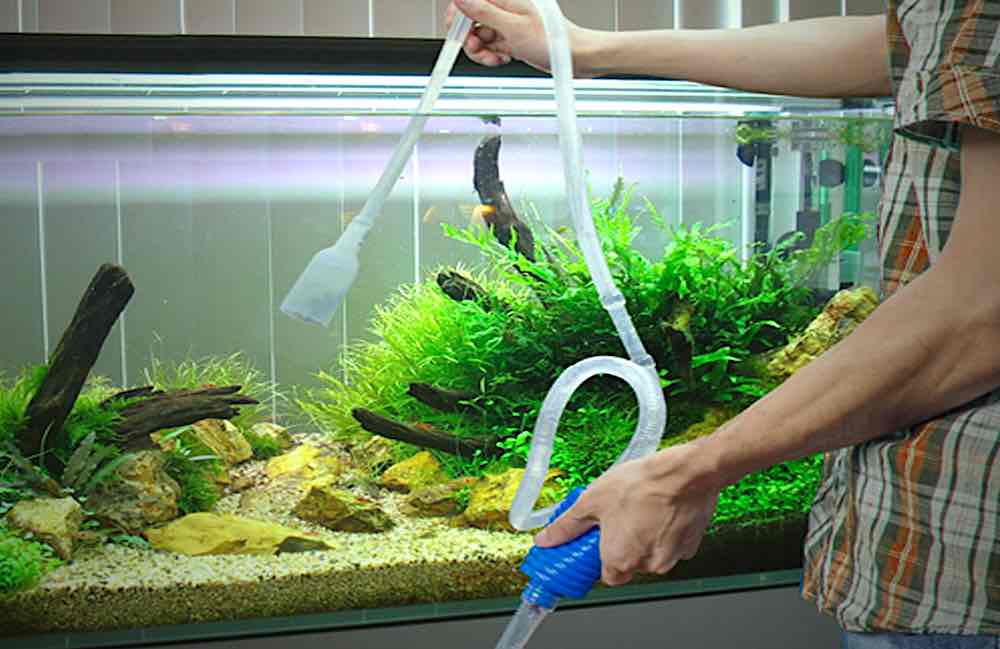
Of course, the dirt is removed along with the water, so the process is carried out vigorously: the goal is to siphon the entire bottom, removing no more than 20% of the water (this amount of fresh water added to the aquarium barely disturbs the biological balance). When siphoning, care is taken to ensure that no fish are sucked in along with the dirt. However, fry easily pass through the pipe and are then easily fished out of the bucket and returned to the aquarium.
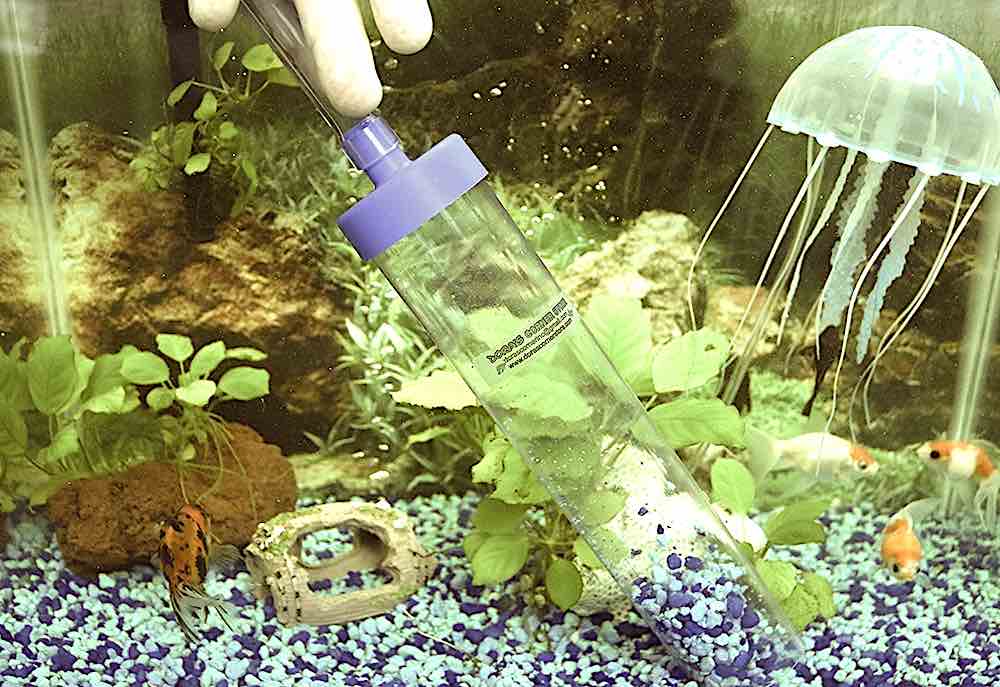
A siphon is essentially a simple pump. Its main part is a tube, which is effectively a rubber or silicone hose with a diameter of about 1 cm. It's advisable to attach a small funnel (4-5 cm in diameter) to the end of the hose. This facilitates the suction of dirt and prevents sand and small stones from being carried away. The other end, located outside, is lowered below ground level, and water is sucked into the hose by any means necessary. Afterward, the water, along with the dirt, flows by gravity into a bucket or large jar placed underneath. Essentially, all siphons differ only in the method of initially filling the siphon with aquarium water.
This can be done:
- with your mouth;
- pear;
- using an electrical device.
Just a couple of decades ago, this was a no-brainer: an aquarist would work like a car driver, creating a vacuum in a hose by sucking water in with his mouth. Now, you can buy specialized mechanical or electric siphons at pet stores.
A mechanical siphon is simpler (essentially, it's the same tube with a funnel and a bulb), while an electric one is a bit more complex. Since it runs on batteries or mains power, it was easy to incorporate a control function into its design: depending on the aquarium size, the suction power can be adjusted. However, electric siphons can't work in the largest tanks due to the dimensions.
Many electric siphon models are officially called aquarium vacuums. They are equipped with filters, through which the pumped water doesn't necessarily end up in a bucket; it can be returned to the aquarium.
Read also, How to transport aquarium fish.
How often should you clean the gravel in a planted aquarium?
There are recommendations online about when to clean the substrate in a planted aquarium to ensure complete cleanliness. However, if everything is set up correctly and maintenance is carried out regularly, removing the substrate is not necessary even when moving: drain most of the water, remove the fish, and leave the substrate with 1-2 buckets of water to maintain the biological balance. Only scheduled cleaning of the substrate surface, followed by cleaning the glass beforehand, is necessary.
In a medium-sized, optimally stocked aquarium, these procedures are performed weekly. This timeframe may vary. For example, an overcrowded aquarium becomes dirty more quickly, while a large aquarium (150-200 liters or more) equipped with a reliable filtration system, planted, and moderately stocked with fish and snails requires cleaning the substrate once every 2-3 weeks.
It is not advisable to leave it for months without changing the water and removing the bottom sediments: the concentration of nitrogen-containing compounds may exceed critical values.
Tips and nuances
There are some peculiarities in cleaning certain aquariums.
For example:
- for volumes above 500 liters, they try to use special aquarium manipulators;
- Aquariums with a capacity of less than 20 liters also require special equipment: a regular hose quickly sucks out almost all the water;
- in aquariums for fry, cleaning is carried out at least every other day, changing up to a third of the water;
- In neglected aquariums, large stones, plants, and decorative objects also require cleaning.
Among the tips from experienced aquarists, it makes sense to consider the following:
- It is convenient to use a toothbrush to clean glass in the corners;
- You should wash it more often and periodically change the filter material and air diffuser;
- The heater must also be washed of algae, after turning it off;
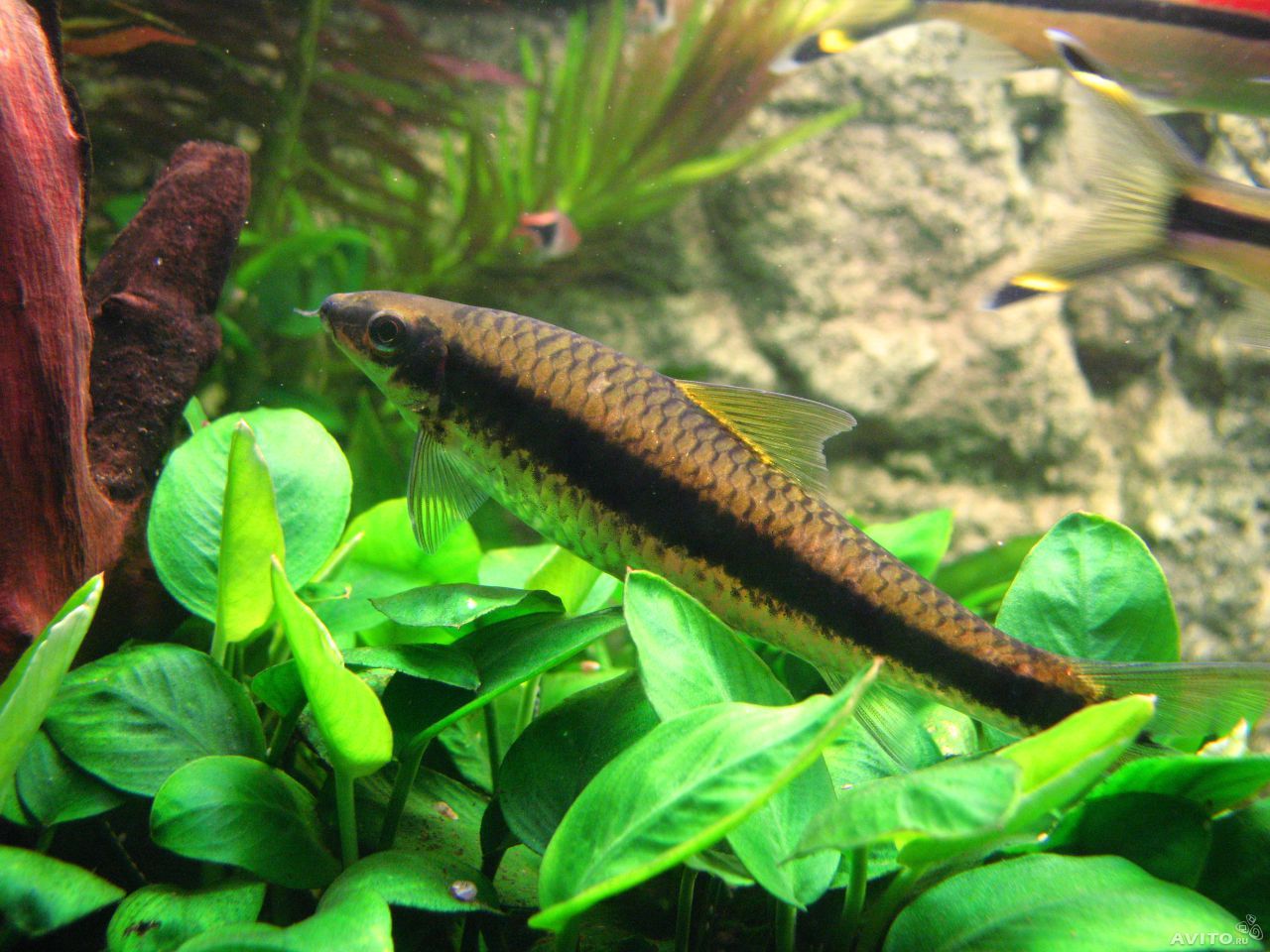
- Aquariums with goldfish and large catfish have to be cleaned a little more often, although if they are underfed, they, on the contrary, clean the bottom and walls quite well;
- the film that often appears on the surface of the water can be easily removed with a net;
- The more plants you have, the cleaner the aquarium, but don't forget that at night, in the dark, they release carbon dioxide.
To keep your home pond clean, it's important to remember the aquarist's golden rule: it's better to underfeed your fish than to overfeed them.
Read also, How to make driftwood for an aquarium.