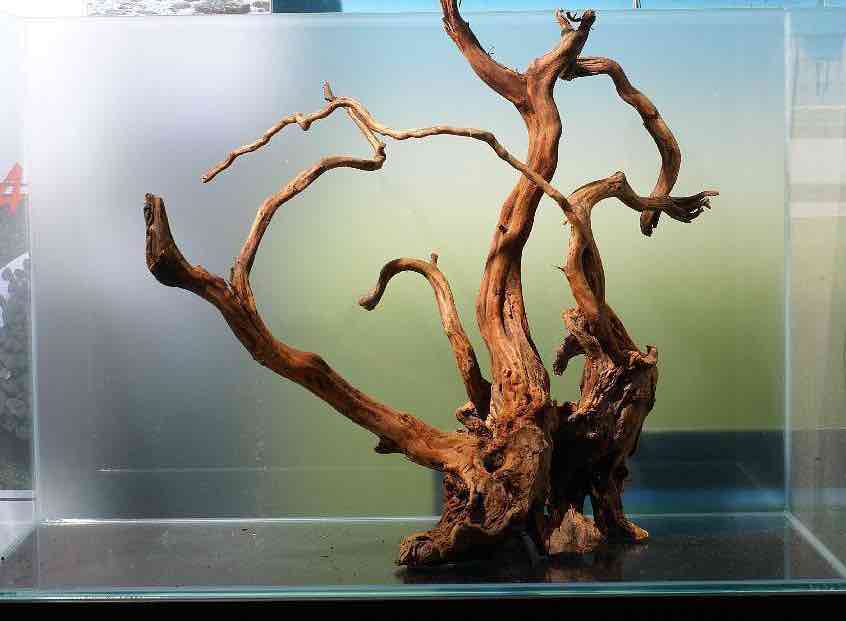
Driftwood for an aquarium is an accessory for an amateur. Such decoration is only valuable if it is made of natural wood, proportionate to the aquarium's volume, and blends seamlessly with the underwater world of exotic fish and plants.
It's good that plastic boats, divers, or incomprehensible artificial structures, which are out of place in a home aquarium, are becoming a thing of the past. They're being replaced by natural roots, pieces of carefully crafted wood, and reasonably sized natural driftwood. A sense of proportion is crucial when decorating an aquarium, and in this regard, submerged driftwood rarely detracts from the impression of a well-maintained underwater world.
You can buy them in pet stores, but it’s not at all difficult to make them yourself from wooden fragments found in nature.
Content
What kind of tree can be placed in an aquarium?
Many questions arise regarding aquarium driftwood: what kind of wood is it made from? Will any type look impressive? Are there any trees that could harm aquatic life? This is not an idle question: wood, like any natural material, affects water, altering its chemical composition. It can slightly reduce acidity and hardness, and, moreover, alter the biochemistry of aquarium water.
Inadequately treated wood can introduce not only beneficial but also harmful microorganisms. However, if the wood is chosen correctly and treated according to all the rules, it will become a substrate for the development of bacteria beneficial to aquarium fauna.
A properly treated piece of driftwood, placed in the aquarium's water, gradually releases tannins, which inhibit the growth of harmful bacteria and viruses. This process also slightly acidifies the water. However, too much wood in the aquarium is dangerous: the pH can drop excessively. Besides its aesthetic value and pH regulation, driftwood also plays an important role as a hiding place for young fish. Some fish require such a hiding place to stimulate spawning, while others scrape off micron-sized layers from the wood's surface, consuming them as a food supplement.
What kind of driftwood can be placed in an aquarium? Most wood species are suitable, except those with excessively high concentrations of resins and essential oils. Juniper is absolutely unsuitable, as are other conifers (spruce, pine, and larch). In addition to their high resin content, pine and spruce are quite soft, which means the surface layers are quickly worn down by fish, leading to rot.
Comparatively hard deciduous trees are optimal:
- beech;
- oak;
- maple;
- pear;
- alder;
- rowan.
Grapevine is also interesting in this regard. Willow is perhaps the most popular of the domestic trees, followed by walnut and alder. Oak driftwood is often used, but it strongly discolors the water. Specialty stores offer ready-made products made from "foreign" woods, such as mopani.
Do not place live or freshly cut branches or roots in the aquarium: they must first be completely dried in a ventilated area.
Preparation and processing of driftwood
What kind of driftwood in an aquarium won't cause harm? Only carefully prepared and dried fresh material—this is the easiest step, requiring no intervention from the aquarist. Chances are, a piece brought from a forest, park, or pond won't be the right size and will have clearly unnecessary, unsightly fragments. Therefore, the initial preparation step is trimming away all unnecessary parts. Using an axe and hacksaw, and testing it for the specific aquarium, chop and saw off any obviously unnecessary pieces. Keep in mind that the wood will expand slightly in water.
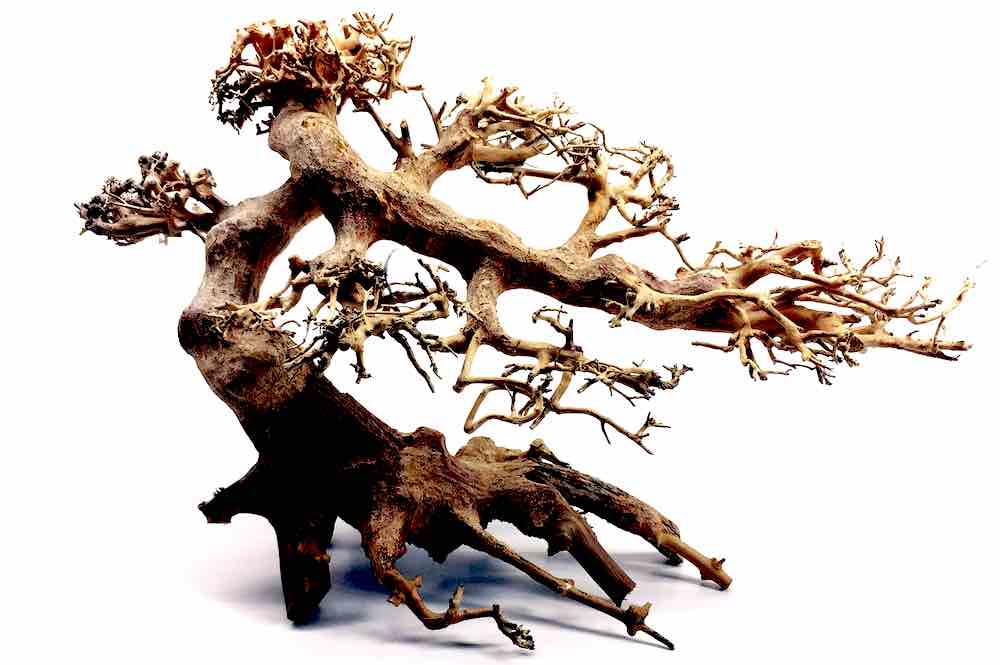
Particularly large driftwood may need to be pre-cut into pieces, otherwise they simply won't fit into the container used for further preparation. In this case, at the final stage of construction, the pieces are reassembled into a single structure using wooden dowels, and the joints are decorated if possible.
After sawing, the following operations are performed:
- CleaningAll kinds of brushes, rags, and basic carpentry tools (sharp knives, chisels) are used. The goal is to remove dirt, residual silt, and scrape out all rotten or decaying fragments. Bark must be removed; if this is not possible, the piece is first soaked in water. All sharp edges are rounded with a knife or file, or coarse sandpaper. Simple mechanization, such as car washes, is also used to clean large snags. For coniferous wood, baking in an oven at 200°C for 6-8 hours is beneficial, effectively driving esters and resins to the surface.
- SoakingThe driftwood is soaked in clean water for 3-4 days, changing the water periodically, then thoroughly rinsed under running water. Again, take a stiff brush and remove the softened top layer.
- DisinfectionAny chlorine-containing disinfectants, such as "Belizna" or chloramine, are suitable. After preparing the solution according to the instructions, completely immerse the snag in it and leave it for 4-5 days. For small branches removed from fresh water, a week-long soak in a saturated solution of table salt is sufficient. After disinfection, boil the snag for 20-30 minutes to completely remove the used disinfectant.
- Boiling. Regardless of the chemical used for disinfection, the driftwood is boiled in a strong salt solution for 6-8 hours. Then, after thoroughly rinsing, it is simmered in clean water for another 2-3 hours.
Depending on the nature of the wood and the degree of its processing, the lifespan of natural driftwood in a home aquarium ranges from 2 to 5-6 years, after which even the hardest specimens gradually begin to deteriorate.
How to secure driftwood in an aquarium
Homemade driftwood for an aquarium can be relatively lightweight: not every piece will stay in place when placed on the bottom. However, after prolonged boiling, the wood's density is usually slightly higher than that of water, but not by much. Often, the wood floats, requiring support.
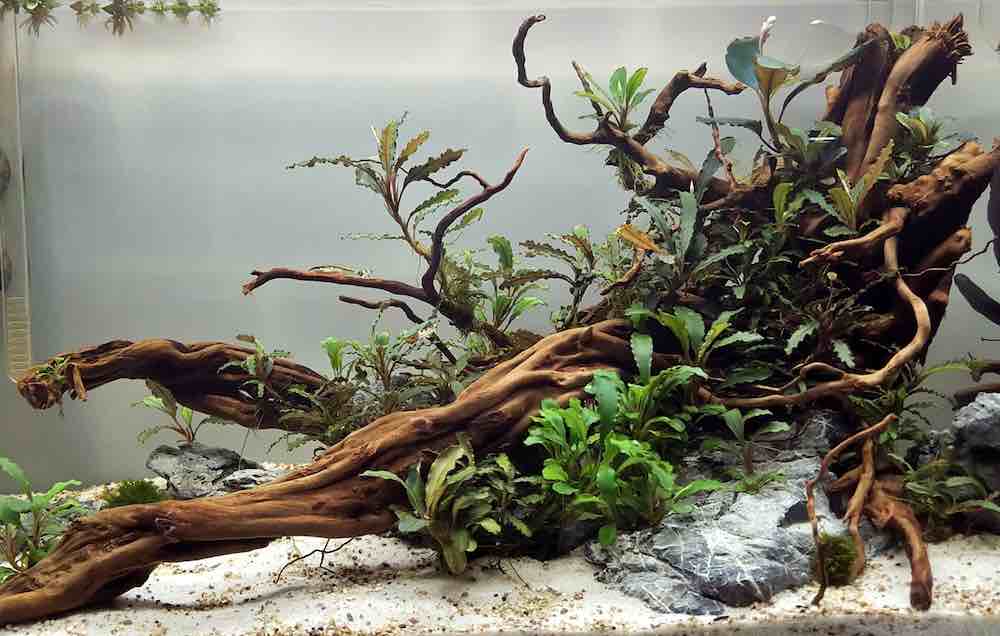
There are many ways to do this:
- Small specimens are simply buried in soil and weighted down with large rocks on two to four sides. This method is not suitable for large driftwood or for aquariums containing fish that prefer to dig in the substrate (including goldfish, catfish, and many other species rarer to aquarists). Such fish will sooner or later remove the item from the substrate.
- Heavy additional decorative items are used to weigh down the driftwood. Although these days, using unnecessary decorations in an aquarium is considered bad taste, transparent glass items, including organic glass, are quite suitable for this purpose.
- If there are large stones in the aquarium, you can not only press down the snag with them, but also tie it with synthetic thread, or better yet, fishing line.
- Drill holes in any inconspicuous spot on the driftwood and screw metal weights to it. It's important to use a water-resistant metal, preferably stainless steel. Lead, copper, and other metals are unsuitable due to their toxicity.
- A modification of the previous method involves filling the snag with tin. This requires only a couple of inconspicuous holes, which, however, are best plugged with wooden or plastic plugs after inserting the molten metal. For larger snags, you can fill the snag with pebbles instead of tin.
A not very reliable method is to use suction cups: they can stop working at any moment.
Under no circumstances should you attach driftwood by using its expanding force on the walls of the aquarium: when saturated with water, it will expand and push out the glass.
Read also, How to properly clean an aquarium.
Tips and nuances
Whatever the wood, over time it begins to rot in water.
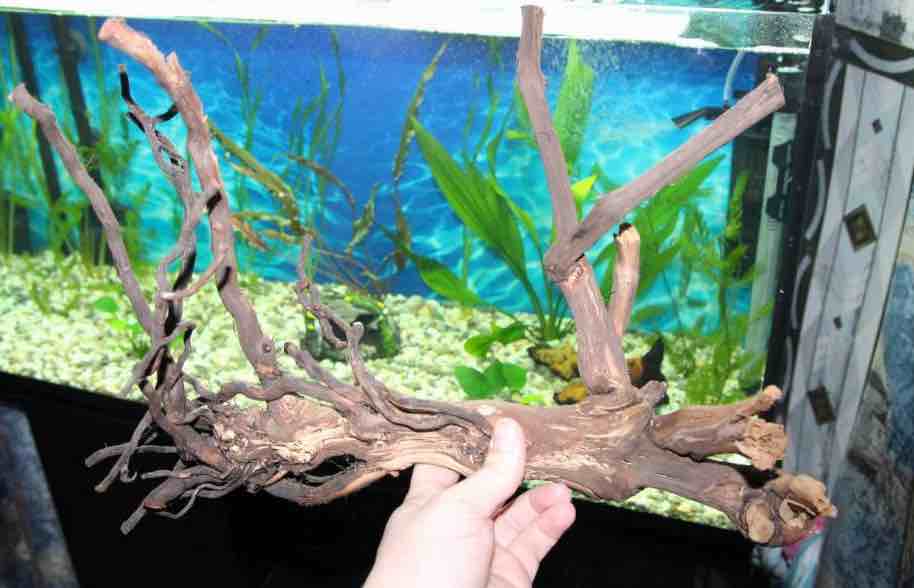
To slow down this process, in addition to those mentioned above, experienced aquarists also use other techniques, for example:
- the thoroughly dried workpiece is covered with a thin layer of paraffin, immersing it in the melt;
- cover the snag with wood varnish (not the best method, as you may come across varnish containing components that are toxic to fish);
- Lightly burn the driftwood over a fire using a blowtorch or a home gas stove (after this, it is important to soak the product and remove any remaining soot from it).
Over time, various problems may arise with driftwood placed in an aquarium, for example:
- The appearance of plaqueIf the driftwood is old, the deposit is most likely a sign of rot. The driftwood is removed, cleaned, and reprocessed. The deposit that appears on new driftwood, especially the greenish one, is usually harmless: it's microscopic algae that will be eaten by fish or snails.
- Darkening of the waterThis happens especially often with oak driftwood, and there's nothing you can do about it. Darkening of "ordinary" wood indicates that the piece hasn't dried sufficiently and will need to be re-treated. Therefore, before placing the driftwood in a "working" aquarium, keep it in a clear container of water for several days, observing its color. It's especially important to re-treat the driftwood if the water begins to emit an unpleasant hydrogen sulfide odor: this is a sign of wood rot.
Darkening of driftwood over time should not be a cause for concern: this is a natural process, and if this situation is unacceptable, you will have to purchase a piece of jewelry made from a different type of wood.
Many exotic fish lovers add natural wood driftwood to their aquariums. The retail industry has responded, offering a wide selection of decorations in pet stores. However, there's little point in spending money: finding a piece of wood you like in a nearby park and carefully treating it isn't difficult.
Read also: How to get rid of black beard in an aquarium.