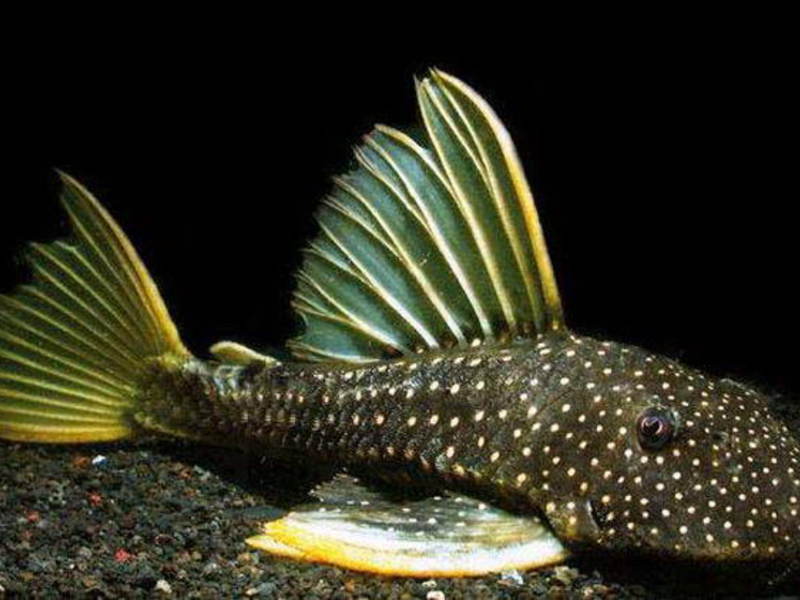
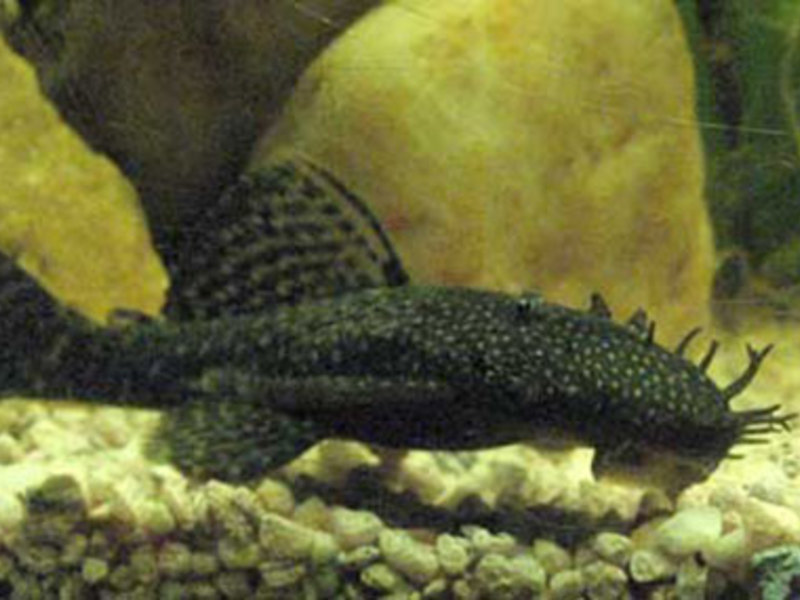
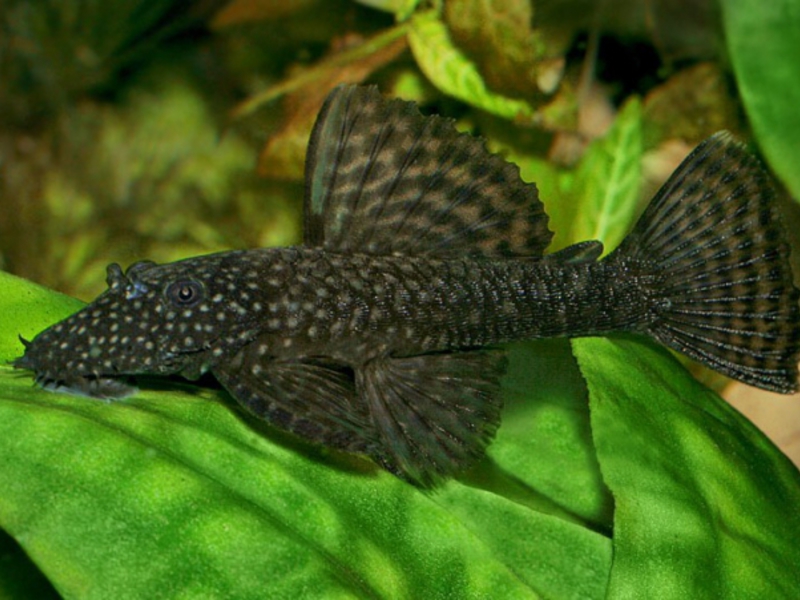
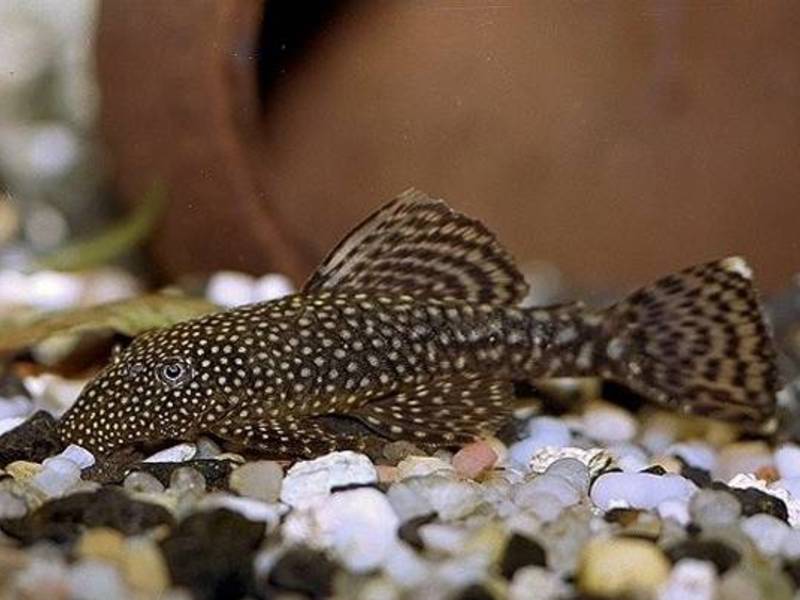
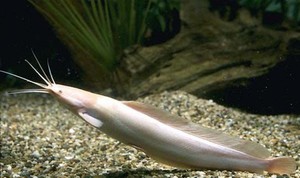
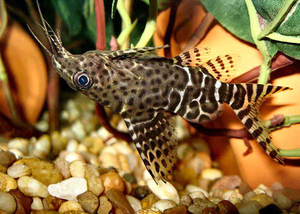
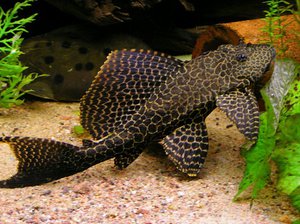
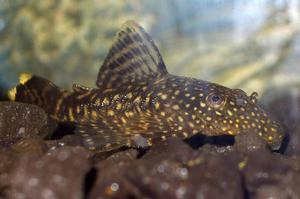
 The aquarium world is vast and diverse, containing a multitude of amazing animals. One of the most remarkable inhabitants is the Ancistrus catfish, familiar to both professionals and beginners. This fish species has become popular for good reason: they are aquarium cleaners and easy to care for. Their most distinctive feature, however, is the structure of their sucker-like mouth, which sets them apart from the variety of other catfish-like fish.
Content
Ancistrus: photos and descriptions
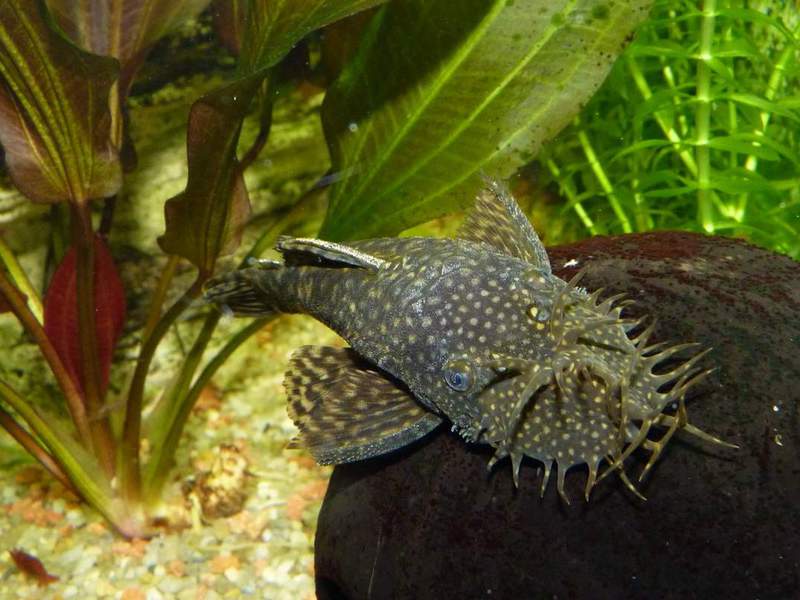
If you look closely, you will see you can't call them beautifulTheir mouths are oddly shaped, their muzzles are covered in warty growths, and their coloring is dark. To top it all off, these fish are accustomed to living in snags and caves, and are most active at dusk.
This species of catfish typically inhabits the mountain rivers of South America, primarily the tributaries of the Amazon and Andes in Peru, as well as the upper reaches of the Orinoco in Venezuela. The first specimens of this species appeared in our country only in the late 1970s.
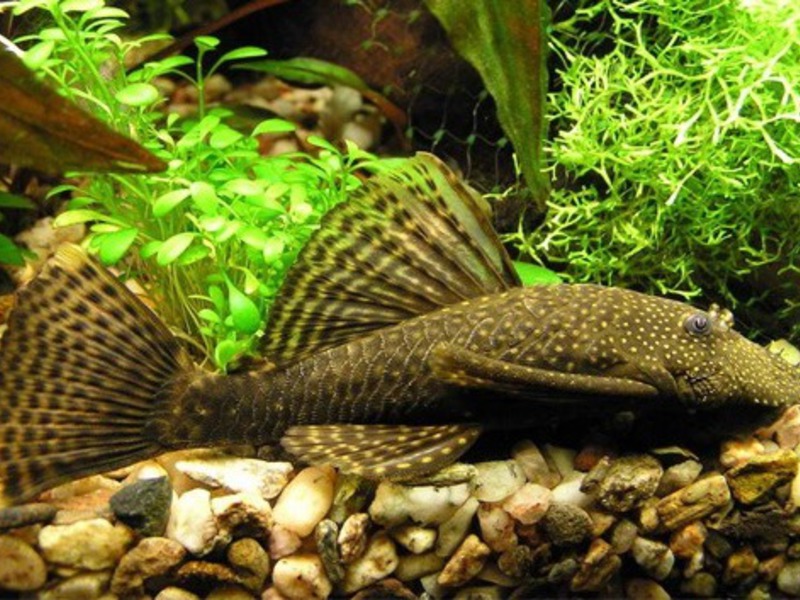
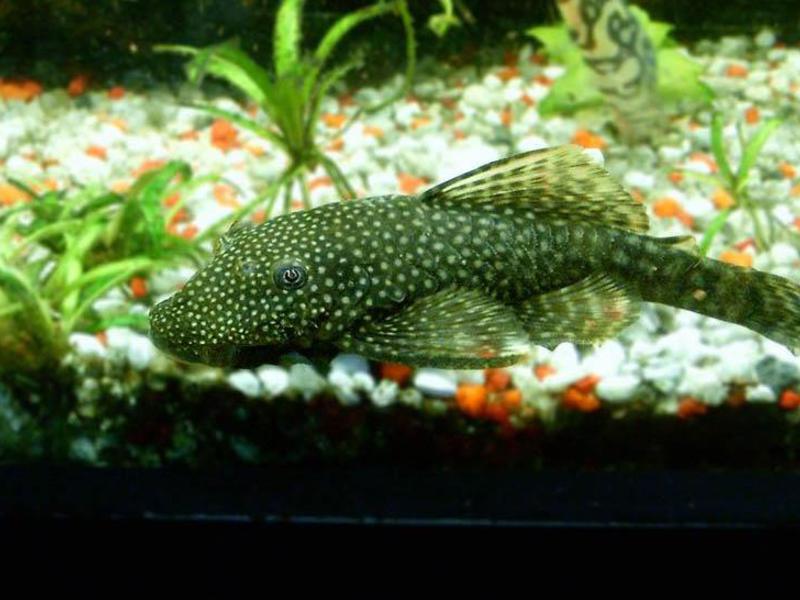
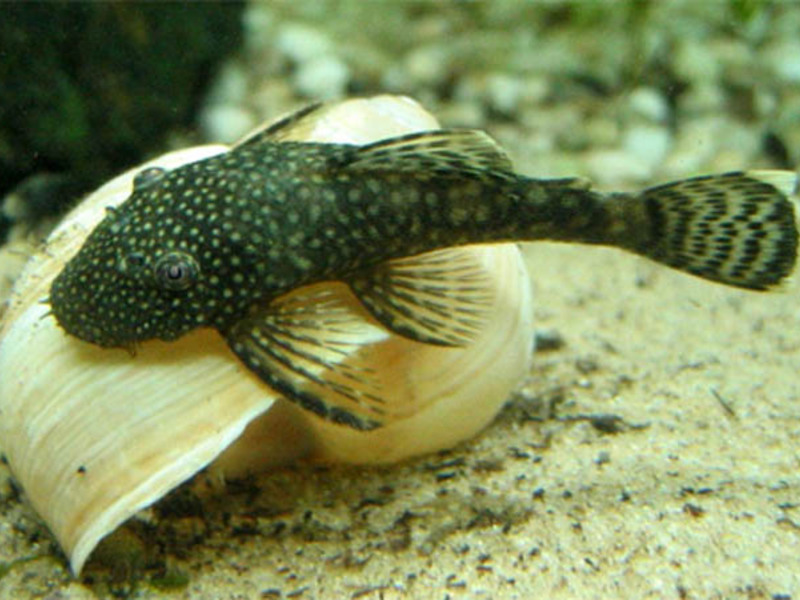
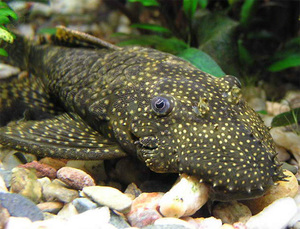
- Ancistrus traditionally have a teardrop-shaped, flattened body and a broad head. Several rows of wide bony plates can be seen on the body.
- Coloration can also vary, ranging from light gray with a yellowish tint to dark gray and black with light speckles. These catfish have the ability to change color, so in certain cases their body may become paler.
- The average length of adult males does not exceed 10 cm.
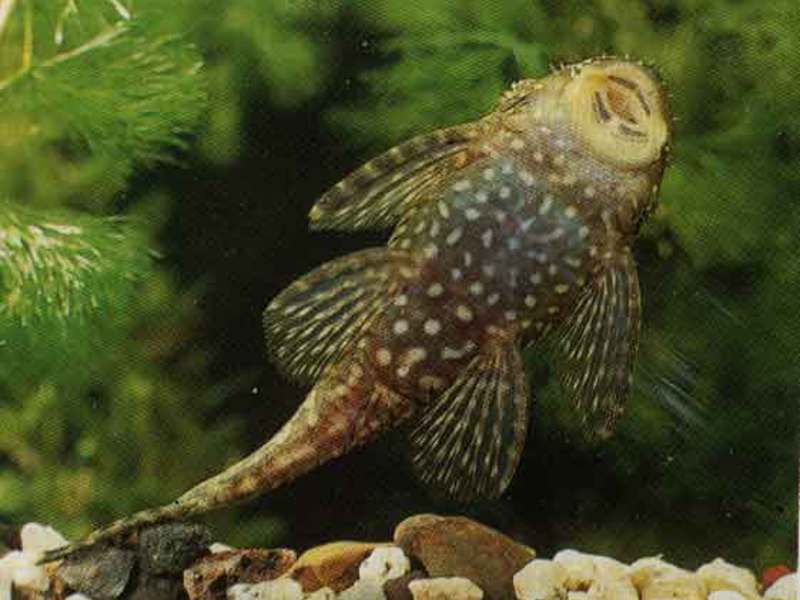
- The mouths of these catfish resemble suction cups with elongated lips tipped with horn-like scrapers. These scrapers allow them to collect debris from aquarium walls, driftwood, and plant leaves.
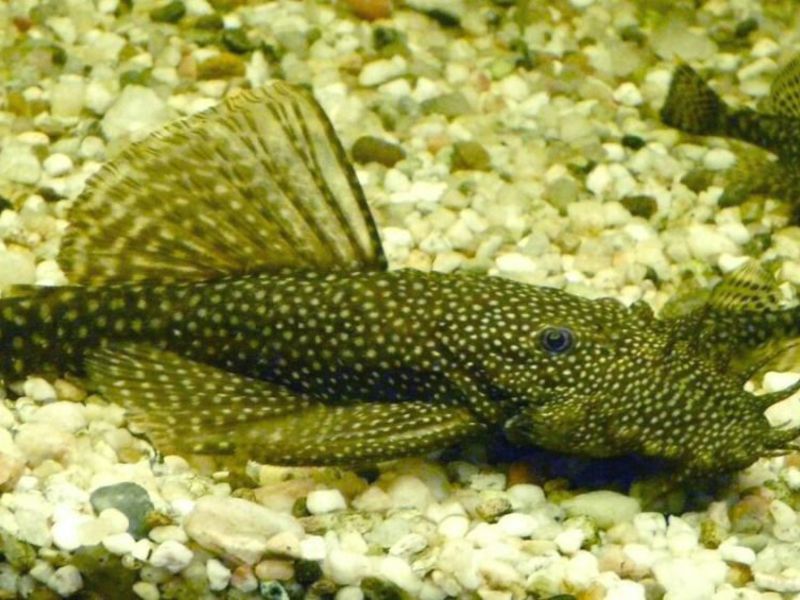
- Males can be identified by the presence of bushy, leathery appendages on their heads. Females also have these appendages, but they are located along the edges of their heads and are either weakly defined or absent altogether. Males also differ from females in their more slender build.
Care and maintenance
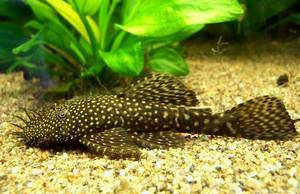 For breeding blue catfish ancistra at home use freshwater aquariumsA 50-cm-long aquarium is ideal, with ample plants, driftwood, rocks, and other objects for these nimble fish to hide under. Aquarium ancistrus catfish have gained popularity due to their ease of care—they thrive in an aquarium with soft, slightly acidic water, although many representatives of this species also thrive in harsh environments.
It is recommended to use an aquarium with an aeration system for keeping aquarium catfish. This is necessary when the water temperature in the aquarium is above 23 degrees Celsius. The most favorable conditions for catfish are considered temperature 22-24 degrees.
Lighting should also be considered, and it shouldn't be too bright. Ancistrus prefer alternating light and dark periods. These fish can eat both dry and live food. Their favorite treat is delicate, soft algae, which they gather from rocks, driftwood, and plant leaves. Ancistrus are excellent parents—once the female has hatched and the eggs have hatched, the male takes over, incubating the eggs, fanning them with his fins, and protecting them from other aquarium inhabitants.
Ancistrus are one of the brightest representatives of phytophages, and therefore they recognize only plant foodsThey are thus of great assistance to aquarium owners, as they prevent algae from growing on the walls. An advantage of aquarium ancistrus catfish is their unique mouth, which helps them effectively scrape off any small plant matter. Therefore, golden ancistrus don't require special food for keeping at home; they can easily obtain their own.
But don't think that the owner can simply ignore them and not feed them at all. For ancistrus to thrive, their diet should consist of 70-80% plant food and 20-30% protein. These cleaner fish can also be fed special branded foods for loricariid catfish. These come in the form of green tablets that simply need to be dropped on the bottom.
It's also helpful to feed aquarium catfish blanched pieces of fresh cucumber, lettuce, spinach, green peas, pumpkin, and cabbage leaves weekly. Knowing the ancistrus' food preferences, some owners specifically they put driftwood and stumps in the aquarium, which immediately pique the interest of these suckers, where they can subsequently feast for hours. These can become not only a food source for them, but also an excellent place for them to reproduce.
Breeding and propagation
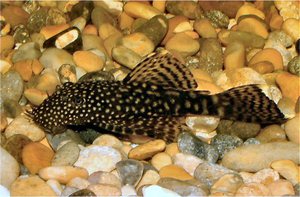 Ancistrus are typically bred in a community aquarium. However, if you intend to breed them at home, you'll need a special tank containing individuals of the same species. You'll definitely need at least one male and one female, as well as knowledge of sexing.
Catfish reach sexual maturity within a year, and from that point on, they begin producing offspring. They can spawn not only in a community tank, but also in a separate one. But first, you'll need to create favorable conditions for this:
- add fresh water to a third of the aquarium's volume;
- increase aeration;
- lower the water temperature by 3-4 degrees.
Spawning is best achieved if a ceramic or plastic tube with a cross-section of about 3-5 cm and a length of 15-20 cm is used as a substrate.
Ancistrus are excellent caregivers. Once the eggs hatch, they keep other inhabitants away from their clutch and regularly fan the eggs with their fins, providing additional oxygen. Spawning usually begins in the evening. The female can lay up to a hundred yellow-orange eggs. diameter up to 3 mm.
If the owner initially placed the female in a special container for spawning, then after the spawning process is complete, she is returned to the main aquarium. From this point on, all care falls to the male, who takes charge of her. The female can only cause harm, as she may attempt to lay eggs herself. And then, it's unknown how the male will react. It's possible that he will become so loyal that he might even kill the female. If the eggs were laid in the main aquarium, the tube containing the eggs should be placed in a separate container with similar water conditions. The male is then placed there as well.
The first larvae emerge from the eggs in about 7 daysFor two to three days, they feed on the reserves contained in the yolk sac. But after 12 days, the fry leave their nests and begin to explore the vastness of the aquarium. At this point, the male can also be transferred to the community tank.
At this stage, the aquarist must be very attentive to the babies and ensure they have enough food. This food should consist primarily of animal origin:
- Artemia eggs;
- seafood;
- fish;
- liver.
Also fry they won't refuse dry food either, which must first be ground into dust. Powdered plant supplements are essential in the diet of young catfish.
While the fry are growing, the aquarium must be well-aerated and well-filtered. 10% of the water volume should be changed daily. When the fry reach 1.5 months of age, they can be fed adult fish food. At this stage, they can be transferred to the adult aquarium.
Types
Common Ancistrus
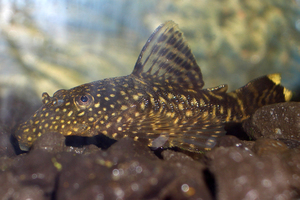 These are the catfish most often found in aquariums. They don't have a flashy appearance, but despite this, they are still popular due to their ease of care and the benefits they offer, which include being able to regulate the amount of algae in the aquarium.
In the wild, the common ancistrus is found on the South American continent, in the Amazon and Orinoco basins. Their natural habitat is the mountain rivers of the Peruvian Andes and Venezuela.
Stellar ancistrus
This species is native to South America. They are most commonly found in Brazilian rivers, particularly the Rio Topajos basin. This fish is accustomed to living in fast-moving, clear, warm water.
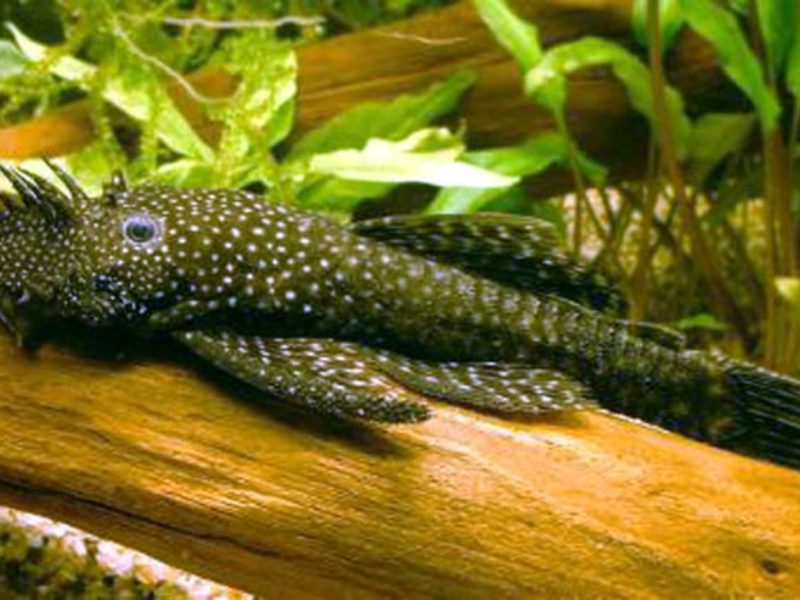
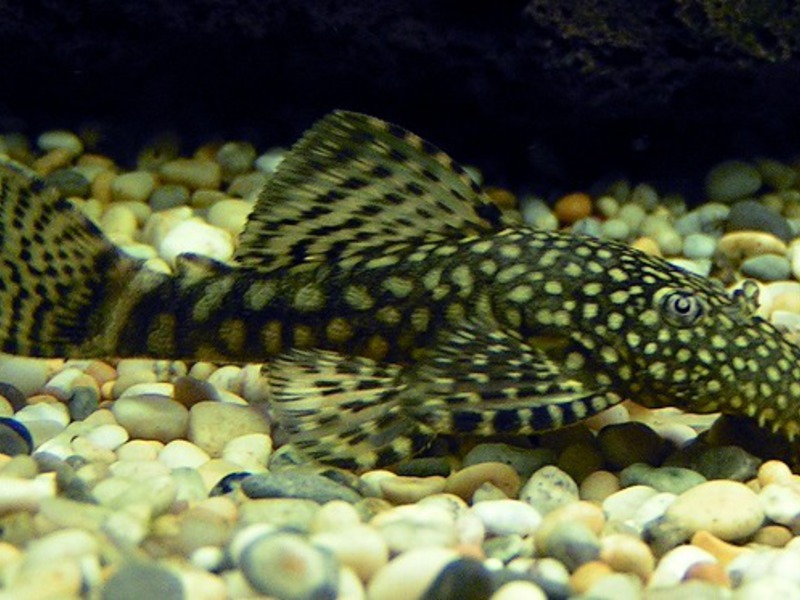
The term "starry ancistrus" encompasses several species. This refers to the chainmail catfish, a characteristic feature of which is its unusual coloration, which includes numerous light spots on dark scales.
Other features of this species include: elongated body, wide fins and a large head. The mouth is structured like a suction cup, allowing the fish to stay afloat in fast-moving currents. The jaws have powerful projections that allow the fish to easily scrape food from rocks and snags.
You don't need to be an expert to determine the sex of a starry ancistrus. This can be determined by the presence of numerous leathery growths on the head of males, which resemble antennae. Females lack these features, or they are present in small numbers on the sides of the head. On average, individuals of this species reach no more than 9 cm in length, and their lifespan does not exceed 10 years.
Ancistrus veilata
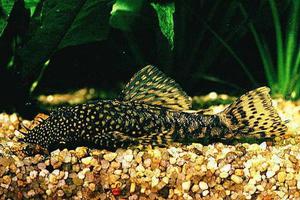 The Ancistrus family is highly diverse and includes species that are not found in the wild. These include Ancistrus draconianus or veiltail ancistrusIt was developed through the efforts of breeders and stands out from its relatives, including the common ancistrus, with its unusual shape and vibrant coloring.
This species of catfish has elongated veil-like fins, which is its distinctive feature. In other characteristics, the dragonfly ancistrus is no different from its relatives. In this species the body is flattened and teardrop-shapedIt is covered with bony plates, forming rows along the back and sides. Individuals have a broad head, and the mouth resembles a suction cup.
Conclusion
 Today, a wide variety of marine life can be found in Russian hobbyist aquariums. Each one has distinct characteristics. The most common among them are the Ancistrus catfish. They are chosen for home breeding not only by professionals, but also by hobbyists. novice aquaristsThis is explained by the ease of caring for them.
After all, they're not only undemanding about water acidity, but also about food. Even if the owner, for whatever reason, can't feed the golden ancistrus on time, it won't go hungry and will definitely find something to eat.