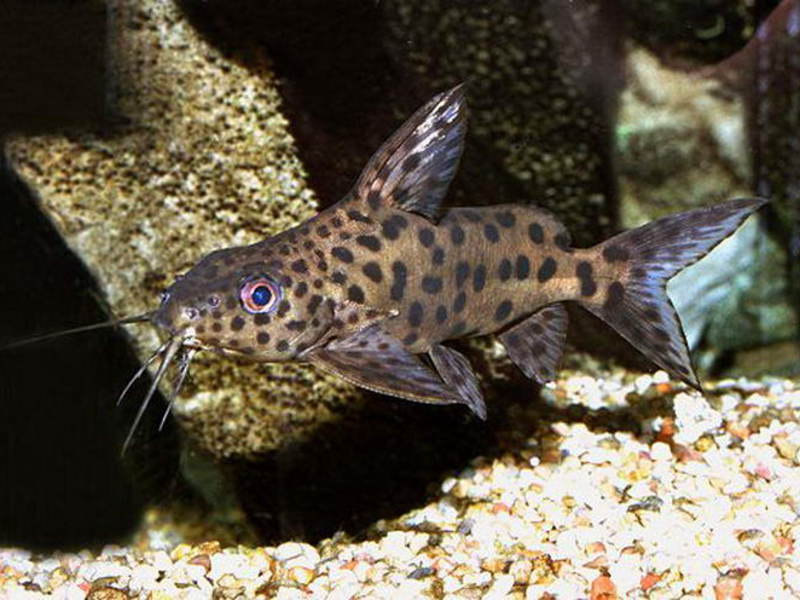
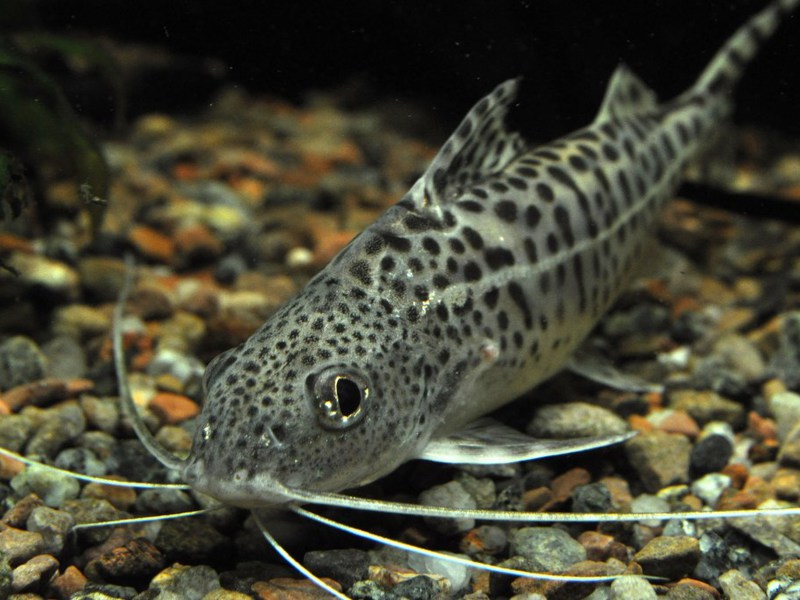
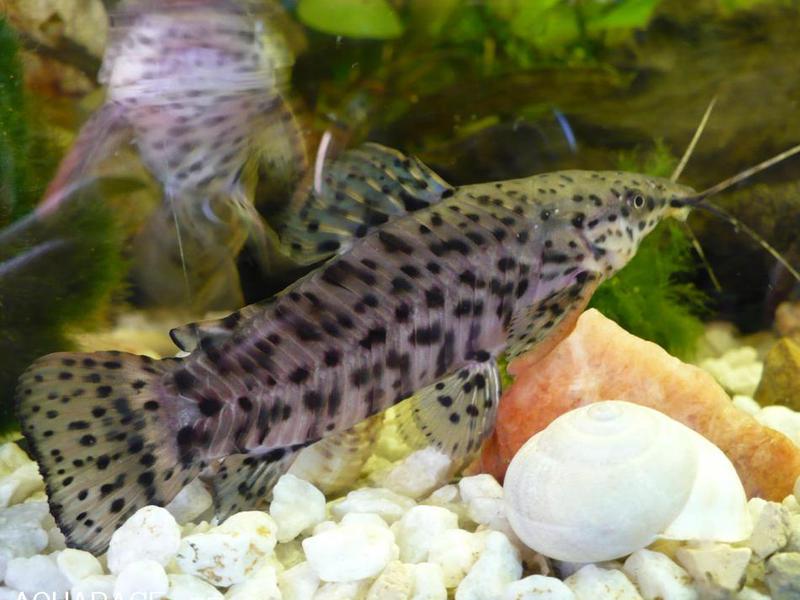
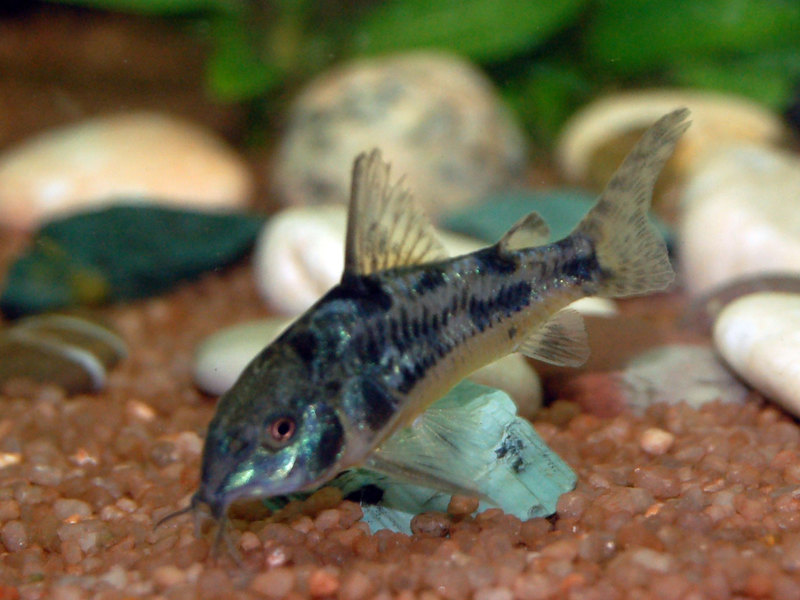
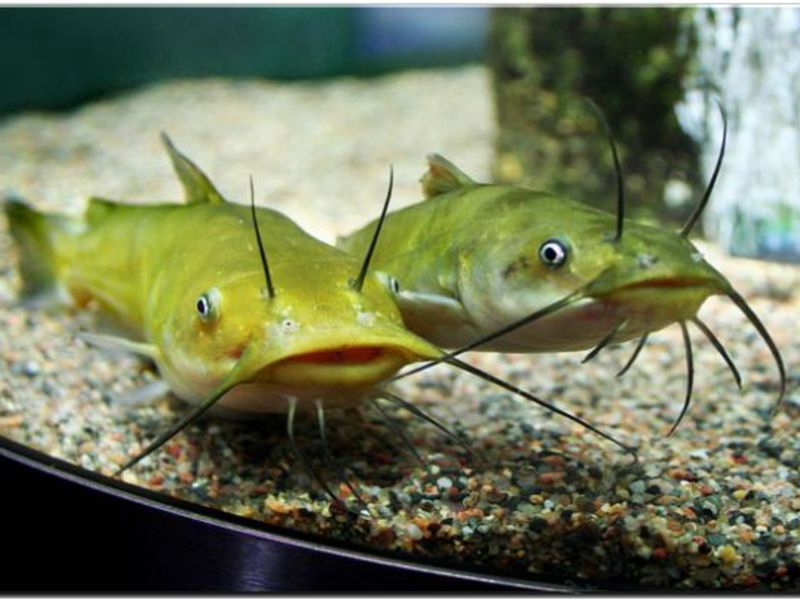
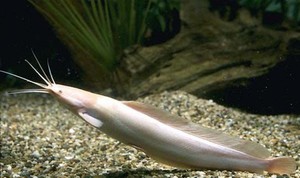
 Catfish are a common sight in almost every aquarium. This is hardly surprising, as they are not only beautiful but also play an important role in aquatic life. These fish act as natural filters, removing mucus from the bottom of the aquarium. Catfish come in a wide variety of sizes, from a few centimeters to giant specimens that can reach 5 meters in length.
Most of these fish are prefer to live at the bottom of the aquarium, so it's important to clearly understand the conditions suitable for each species, how to properly set up an aquarium, and which fish make the best tankmates. Let's look at descriptions of the most popular species, complete with photos.
Content
Ancistrus catfish (family Ancistrus)
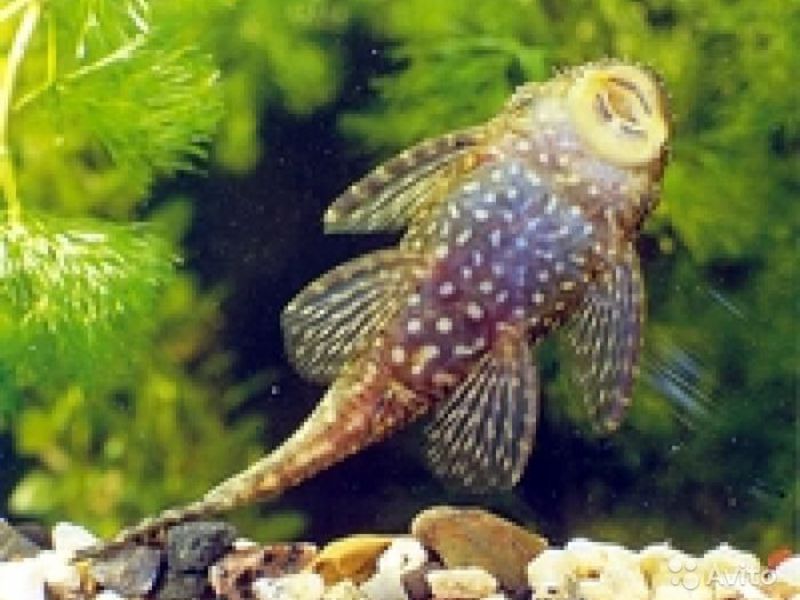
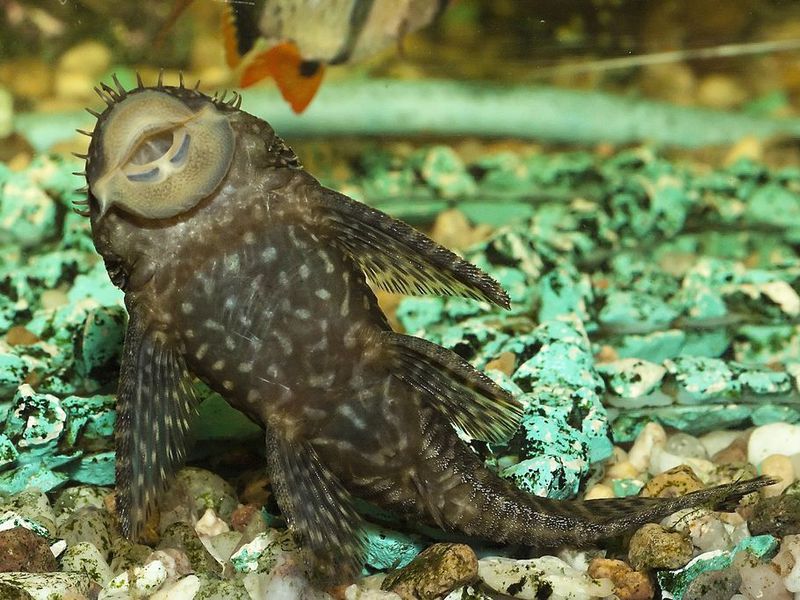
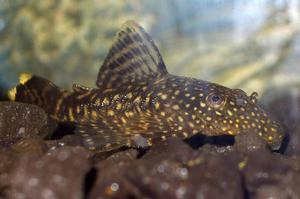
Ancistrus catfish, also known as suckers, remoras, or cleaners, are very popular among aquarists due to their unusual mouth structure. This catfish species has many advantages. Most importantly, they are completely unpretentious, making them suitable for even inexperienced keepers. Like all catfish, they love to clean the aquarium. They also have a unique behavior, making them very interesting to watch.
For aquarium ancistrus it is necessary to maintain temperature from 20 to 28 degrees, pH from 6 to 7.3, and dH up to 10.
The average lifespan of a remora is seven years, during which time they can grow up to 10 centimeters in length, depending on the size of the aquarium they inhabit. This fish naturally lives peacefully with all other fish, with the exception of aggressive cichlids, which will rip out their fins, which can lead to the death of the fish.
Tarakatum catfish (armored family)
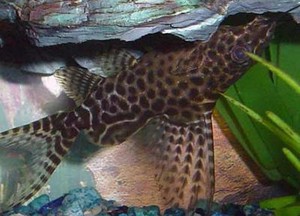 Equally rare in aquariums are catfish of the armored family, the most striking representative of which is the tarakatum. This species is quite peaceful, and thanks to its strong shell, it can even be kept with predatory fish.
The temperature range for tarakatums ranges from 22 to 28 degrees, pH from 5.8 to 7.5, dH up to 25.
Their lifespan is quite long, about 10 years, which is why they are considered long-lived fish. They thrive best in a habitat populated with various vegetation and driftwood. With proper care, this catfish can grow up to 20 cm in length.
They are not picky about food and can eat any food, but prefer live food.
Corydoras catfish (armored family)
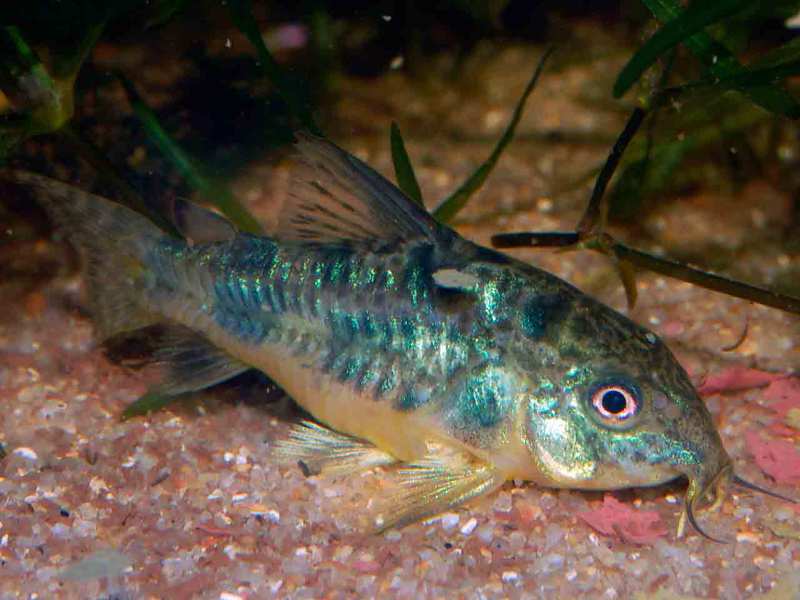
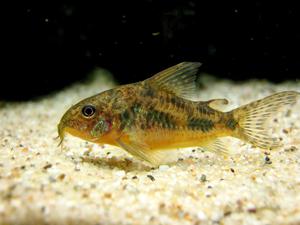
Another member of the armored catfish family is the corydoras. This peaceful catfish is distinguished by its beautiful coloring, which is why it is often found in captivity.
The optimal water temperature for the Corydoras catfish is about 25 degrees, pH approximately 6.5, dH up to 4.
Unlike its relatives, this species is small in size, growing to only 7 centimeters. However, its lifespan can reach 10 years, and there have been cases of it living up to 15. These catfish prefer to live in a packThey are naturally peaceful and get along with almost all other fish (exceptions include ancistrus, labeo, and botia modesta). They will eat any food, as long as it sinks to the bottom, as corydoras do not rise to the surface to feed.
Synodontis catfish (family Fringed catfish)
 The most astonishing of the fringed catfish family is the upside-down catfish. This fish is distinguished by its preference for swimming belly-up, which is where it got its nickname. It only assumes its normal position when foraging for food along the bottom.
The normal temperature for synodontis is 25 degrees, pH from 6.5 to 7.5, dH up to 15.
This catfish is not distinguished by its large size and grows up to 10 centimeters, live for about 10 years. They feel best in a pack, preferring a nocturnal lifestyle.
They can live with any fish similar in size and personality. They can be fed any type of food, but be careful not to overfeed or overcrowd them. If you decide to buy a Synodontis catfish, expect to need at least 50 liters of water per fish.
Brocade catfish (family Coccidae)
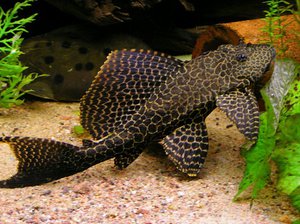
The brocade catfish can rightfully be called a good aquarium cleaner. Its suction-like mouth scrapes and polishes the aquarium walls, keeping it clean and tidy. This aquarium catfish is undemanding in its habitat. Temperatures range from 22 to 30 degrees Celsius, pH from 6.5 to 8.2, and dH up to 20.
The brocade catfish has truly heroic dimensions, it can grow up to 60 cm in length, so a single specimen requires a pond of at least 200 liters. It requires constant aeration and filtration, as well as half the water changes. With regular and proper care, they can live up to 10 years.
It is peaceful with other inhabitants, does not bother anyone, and is most active at night. It can feed on both plant and animal matter.
Flathead catfish (family Pimelodidae)
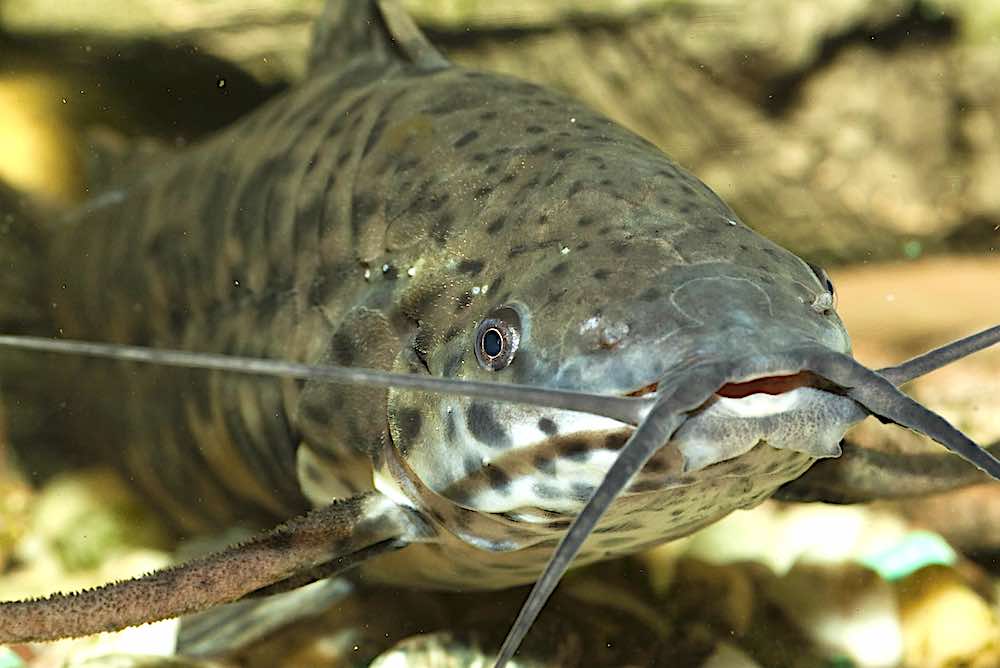
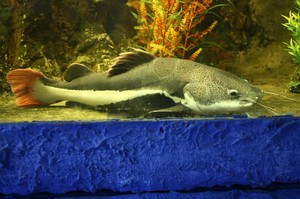 There are aquarium catfish that are extremely rare in captivity. The flathead catfish, or fractocephalus, from the Pimelodidae family, is one such species. In the wild, individuals of this species can reach 1.2 meters in length, but in aquariums they grow up to one meter. Due to such gigantic sizes, this catfish requires a large volume, at least 300 liters.
Fractocephalus have a very interesting coloring: their back and belly are dark, while their sides are light (as seen in the photo). They can be housed with any large ornamental fish. They are absolutely omnivorous and very voracious. They prefer to live on the bottom of the aquarium, hiding in shelters. They are most active at night. You can see this beauty in person at the Alushta Aquarium.
Glass catfish (family Catfish)
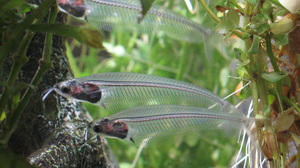
The glass catfish is one of those fish species that leaves no one indifferent. This is all thanks to its unusual appearance. The photo shows that its entire body is completely transparent, and the entire skeleton is visible, hence the name "glass catfish."
Aquarium glass catfish live in a school, therefore It's better to buy 6-8 pieces at onceA school of this size requires an aquarium of at least 100 liters, and the habitat should be as close to natural as possible. Vegetation, shaded areas, and flowing water are essential. Glass catfish are very sensitive to water quality, so good filtration, aeration, and regular water changes are essential.
These catfish are suitable tankmates for calm fish of similar size. They prefer live food. They are inactive during the day, except for feeding time. They breed only in their natural habitat.
Clarias catfish (Clariidae family)
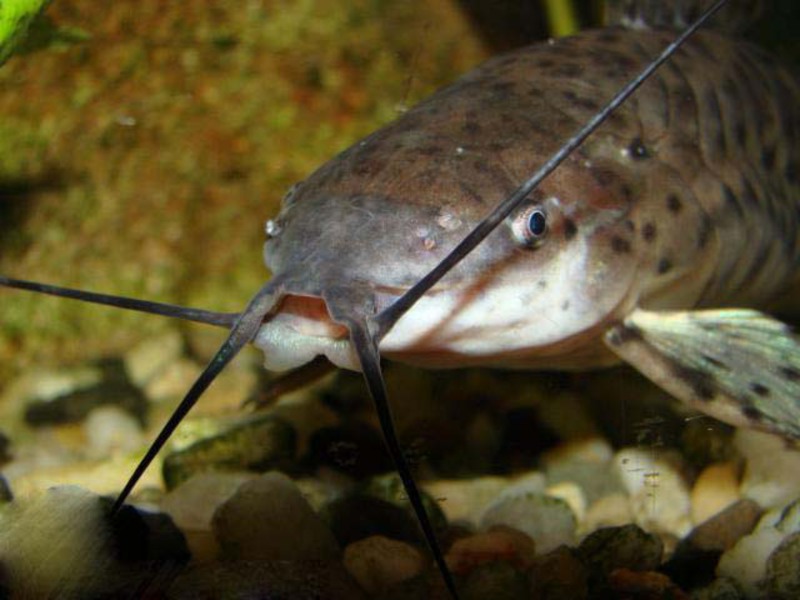
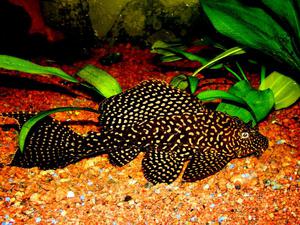 Clarias catfish are aquarium catfish that prefer a predatory lifestyle. Therefore, they can only be kept with larger fish or can live alone. This species can reach a length of 35 centimeters and requires a reservoir with a volume of at least 150 liters.
The water temperature for Clarias should be approximately 23 to 2 degrees, pH from 7 to 9, dH up to 40.
As already mentioned, this catfish is a predator, so it will eat smaller fish, and also, having a bad character, it can chase other aquarium inhabitants.
You can feed them any food, but a combination diet is best. The photo shows an Angolan Clarias.
Rules for keeping aquarium catfish
In order for your catfish to live and reproduce in an artificial environment, it is necessary follow a few simple rules:
- There must be a flow of water in the aquarium, which can be created with a powerful filter.
- Every week you need to change half the volume of water with fresh water
- the bottom needs to be decorated, driftwood, grottoes, castles are suitable for this
- The best food for all types of catfish is in the form of tablets, since most of them feed on the bottom
- If you have fry, you should not transfer them to the main aquarium until they grow up.
- catfish need vegetation, including floating vegetation
Rules for choosing an aquarium catfish
To choose and buy catfish correctly, you need to take into account several factors:
 If you are adding a catfish to an aquarium where there are already other fish, choose the most peaceful species; this will save you from trouble later.
- predatory catfish should not be placed in areas where smaller fish already live, as they will eat them
- Don't forget about the size of an adult catfish; be prepared in advance for your catfish to grow to 50 or even more centimeters in length.
- When buying a new fish, it is essential to keep it in quarantine to avoid infecting other fish.
 If you are adding a catfish to an aquarium where there are already other fish, choose the most peaceful species; this will save you from trouble later.
Aquarium catfish are very beautiful representatives of the underwater worldTheir diversity is vast, so everyone can find something to suit their taste. They are a joy to watch, especially during their peak activity hours. These beautiful fish will liven up your bottom area, leaving the water noticeably cleaner.