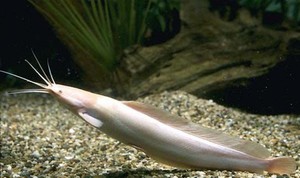
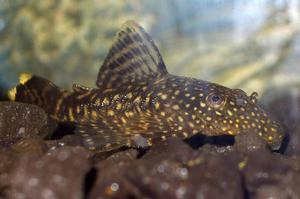
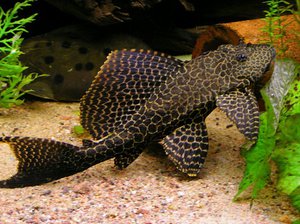
The thoracatum catfish, or Hoplosternum thoracatum, is a species of catfish native to the freshwaters of South America. It is also known as the "bronze catfish" due to its metallic coloration. Thoracatum catfish have long barbels that help them locate food on the bottom of water. They are active nocturnal fish, preferring to hide in cover during the day.
Tarakatum catfish are considered good aquarium cleaners, consuming food scraps and detritus on the bottom. They can grow quite large and require ample space to move freely. They should be fed a varied diet, including live food, seafood, herbivorous tablets, and vegetables.
Tarakatum catfish are popular among aquarists due to their interesting appearance and active behavior in the water. However, as with any fish, it's important to provide them with the right conditions and care for their health.
Content
Features of keeping the Tarakatum catfish
Catfish are very interesting and unique aquarium inhabitants.
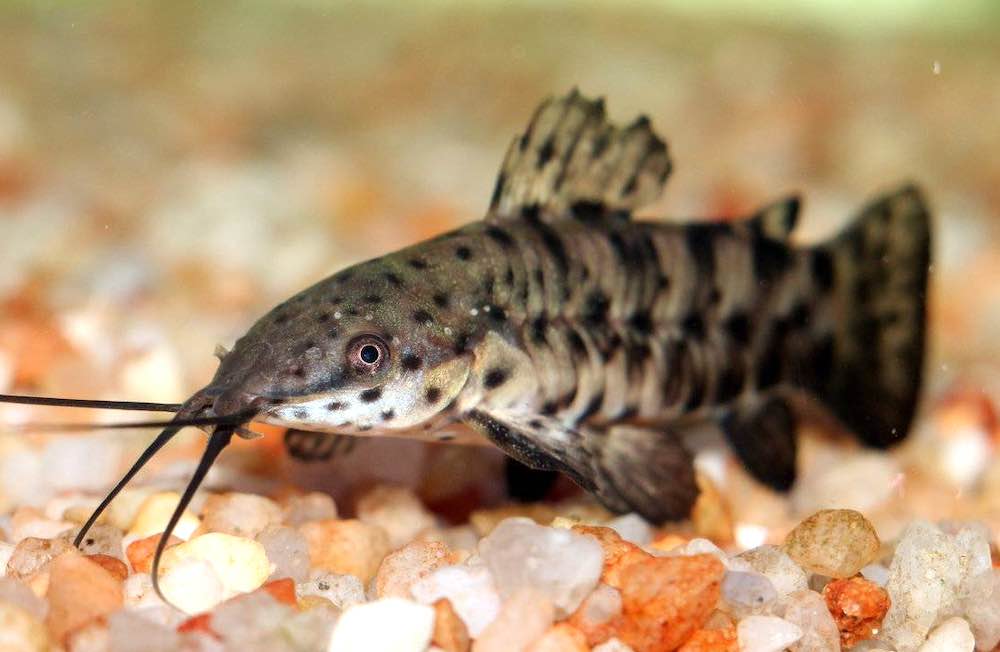
Here are some guidelines for their content:
- Aquarium size: Depending on the species, 100-150 liters or more is recommended. Catfish grow quickly and require a spacious home.
- The substrate should be fine gravel, coarse sand, or a special substrate for bottom-dwelling fish. Catfish need to burrow into the substrate.
- Equipment - powerful filtration and aeration, shelters in the form of snags and ceramic tubes.
- Water parameters: hard, pH 6.5-7.5, temperature 22-28°C depending on the species.
- Feeding: live or frozen food of animal origin - bloodworms, tubifex, pieces of fish, shrimp.
- Compatibility - many catfish cannot be kept with small or brightly colored tankmates.
Aquarium requirements
Here are the basic requirements for an aquarium for the Tarakatum catfish:
- The aquarium volume should be at least 100 liters for one tarakatum catfish, with an additional 50 liters for each additional catfish.
- There should be enough substrate, such as sand or gravel, at the bottom for the catfish to hide and rest.
- The aquarium should be equipped with hiding places such as driftwood, caves or plants so that the catfish can feel safe.
- Water should be well filtered and changed regularly to maintain water quality.
- The water temperature should be between 24 and 28 degrees Celsius.
- The Tarakatum catfish requires soft, slightly acidic water, so it is recommended to use special additives to maintain an optimal pH level.
- Tarakatum catfish can be quite active and aggressive, so you should avoid keeping them with peaceful fish.
Check water parameters regularly and clean your aquarium regularly to prevent diseases and water problems.
Light and water requirements
Most catfish prefer subdued, diffused light or even semi-darkness. Bright light disturbs them. It's best to use lamps with adjustable light intensity or cover part of the aquarium with a light-proof lid.
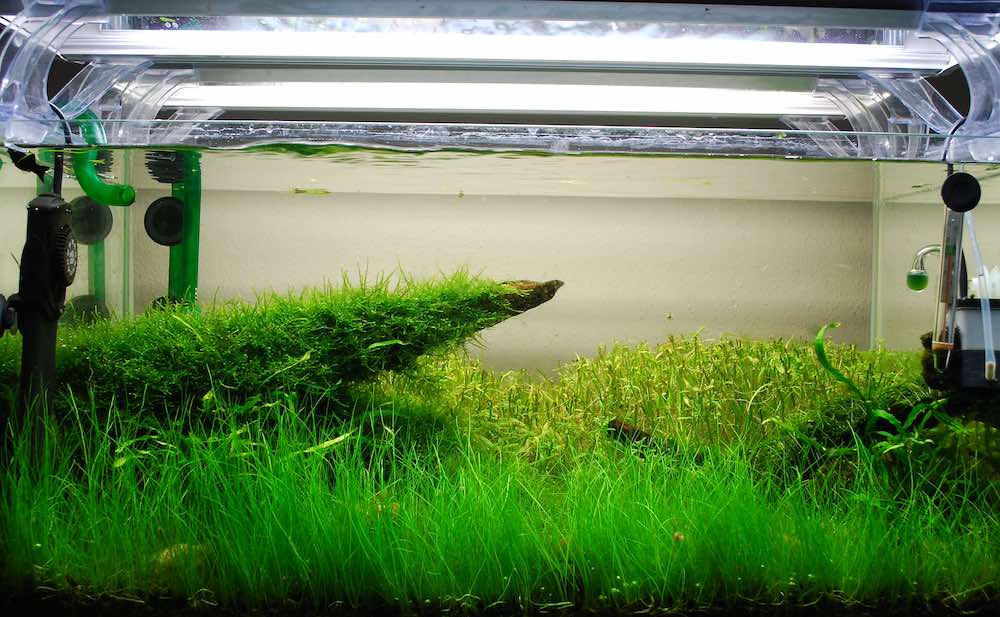
The Tarakatum catfish is a freshwater fish, so it requires clean, well-filtered water that is soft or medium hard.
Below are the basic water requirements for the Tarakatum catfish:
- Temperature: The optimal temperature for keeping the Tarakatum catfish is from 22 to 28 degrees Celsius.
- pH: The pH level of water should be between 6.5 and 7.5.
- Water hardness: The tarakatum catfish prefers moderately soft to medium water. Water hardness should be around 5-12 dH.
- Water Quality: It is important to test water quality regularly to avoid the build-up of ammonia, nitrites, and nitrates, which can lead to fish poisoning.
- Filtration: The Tarakatum catfish requires a good water filtration system to ensure optimal conditions.
- Oxygen: Fish require adequate oxygen levels in the water, so air pumps or other aeration methods are recommended.
- Regular water changes: Change some of the water in your aquarium regularly to keep the water clean and fresh.
Following these guidelines will help ensure the health and well-being of the Tarakatum catfish in your aquarium.
Catfish also require good aeration and water filtration. They love to burrow into the substrate, so a suitable substrate free of sharp stones is essential.
Read also about koi carp
Plants and decor
A tarakatum catfish's aquarium should be free of sharp or thin objects that could damage its sensitive antennae or body. At the same time, a well-designed aquarium can create a comfortable environment for your catfish.
Here are some tips for decorating and furnishing your Tarakatum catfish aquarium:
- Priming:
- Use fine substrate without sharp edges to avoid injury to fish and satisfy their need for digging. - Plants:
Plants help create hiding places and resting areas for the tarakatum catfish. Consider using live or artificial plants that won't damage its body. - Shelters:
- Add hiding places such as caves, cavities or hollows where the tarakatum catfish can hide and feel safe. - Tree roots:
— Adding natural tree roots can create interesting decor and provide additional hiding places. - Stones:
- Use smooth and non-sharp rocks to create interesting structures and areas for fish to explore. - Pots and sculptures:
— You can add clay pots or decorative sculptures that do not pose a danger to the tarakatum catfish.
Remember to keep your aquarium clean and perform regular maintenance to ensure the health and comfort of your Tarakatum catfish.
Remember that the safety and well-being of your fish should always be your top priority when decorating your aquarium.
What to feed the tarakatum catfish
Catfish should be fed 1-2 times a day in small portions. It's important not to overfeed and to keep the water clean, as catfish quickly pollute it with undigested food residue.
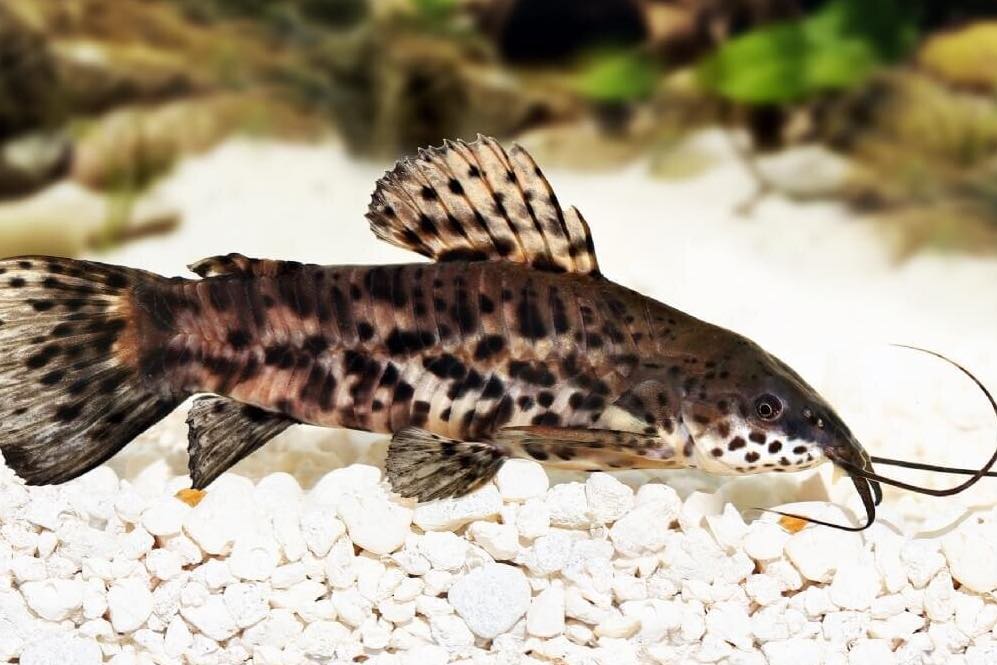
In general, a balanced diet of various animal foods with added plant ingredients is optimal for most aquarium catfish species. The tarakatum catfish is an omnivorous fish, so its diet should be varied and balanced.
Here are some recommendations on what to feed the tarakatum catfish:
- Food for bottom-dwelling fish.
The tarakatum catfish often feeds on bottom waste and small organisms, so it is a good idea to include special pellets or tablets for bottom-dwelling fish in its diet.
Make sure the food sinks to the bottom and stays there for the catfish to find and feed on. - Live and frozen food.
Tarakatum catfish love live food such as Artemia, Daphnia, and bloodsucker worms.
You can also feed them frozen food pre-mades such as shrimp, clams, or pieces of sea fish. - Vegetable feed.
To add variety to your tarakatum catfish's diet, include vegetable food such as slices of cucumber, zucchini, carrots, or green lettuce leaves.
You can also offer fish specialized vegetable food in the form of tablets or granules. - Dry food.
Supplement your tarakatum catfish's diet with dry food for variety and to provide essential nutrients.
Choose high-quality, balanced food for bottom-dwelling fish that contains all the necessary vitamins and minerals.
It's important to monitor the amount of food to avoid overfeeding the fish and to control the water conditions in the aquarium. It's recommended to feed the Tarakatum catfish 1-2 times a day in small portions. The variety and quality of the food play a crucial role in the health and well-being of your catfish.
What fish can you keep catfish with?
The Tarakatum catfish is considered a peaceful and non-conflict fish that usually gets along well with other peaceful fish species.
But each fish has its own individual characteristics and quirks, so consider the following guidelines when choosing companions for your tarakatum catfish:
- Peaceful fish:
It's best to choose peaceful fish that won't dominate the tarakatum catfish or be potentially aggressive. For example, you could consider options with carnivorous tetras, such as certain tetra species or rosebarbs.
- Variety of sizes:
Consider the size of the tarakatum catfish and choose fish that aren't noticeably smaller or larger. This will help avoid conflicts and territorial fights.
- Bottom-dwelling fish:
Other bottom-dwelling fish species can also be good companions for the Tarakatum catfish, as they will be housed at different levels of the aquarium.
- Fish with similar water parameters requirements:
When choosing tankmates, make sure that their water requirements (temperature, pH, water hardness) match those that are comfortable for the Tarakatum catfish.
Before adding any new fish to your aquarium, learn everything about the preferences and behavior of your chosen species to avoid conflicts and ensure harmony in your aquarium. It's also important to monitor your fish's behavior and, if excessive aggression or conflicts arise, take action to resolve them.
Tips and nuances
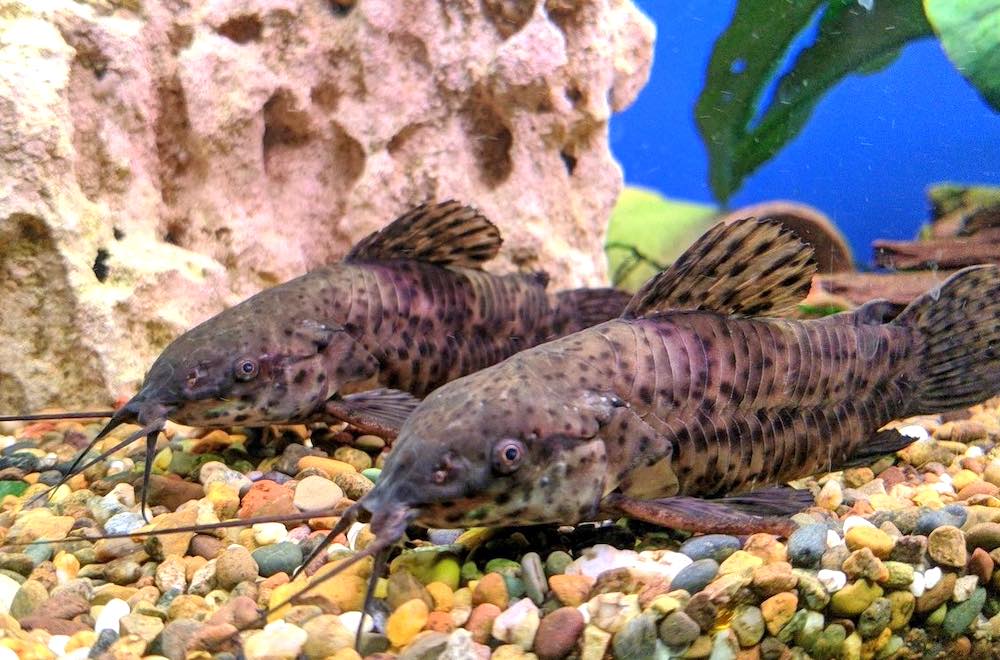
Here are some more tips and nuances for keeping the Tarakatum catfish:
- Tarakatum catfish are nocturnal fish, so make sure the aquarium has enough hiding places for them to hide during the day.
- Tarakatum catfish can be good eaters of scraps and detritus on the aquarium floor. Make sure they receive supplemental feeding to maintain their health.
- Tarakatum catfish require a diet that includes live food, seafood, herbivorous tablets, and vegetables to provide them with the necessary nutrients.
- When purchasing a tarakatum catfish, pay attention to its appearance – it should be active, with a slightly convex belly, clean gills, and bright colors.
- Remember that tarakatum catfish can reach sizes of up to 20 cm or more, so you need to provide them with enough space to move and grow.
- Pay attention to your catfish's behavior - if they become aggressive or passive, this could be a sign of illness or stress, so keep an eye on them and take action if necessary.
- Add fresh vegetation to the aquarium periodically to allow the catfish to play and add variety to the environment. Be sure to perform regular water tests and maintain your aquarium equipment to keep your catfish and other aquarium inhabitants healthy.
Read also about shrimp in an aquarium