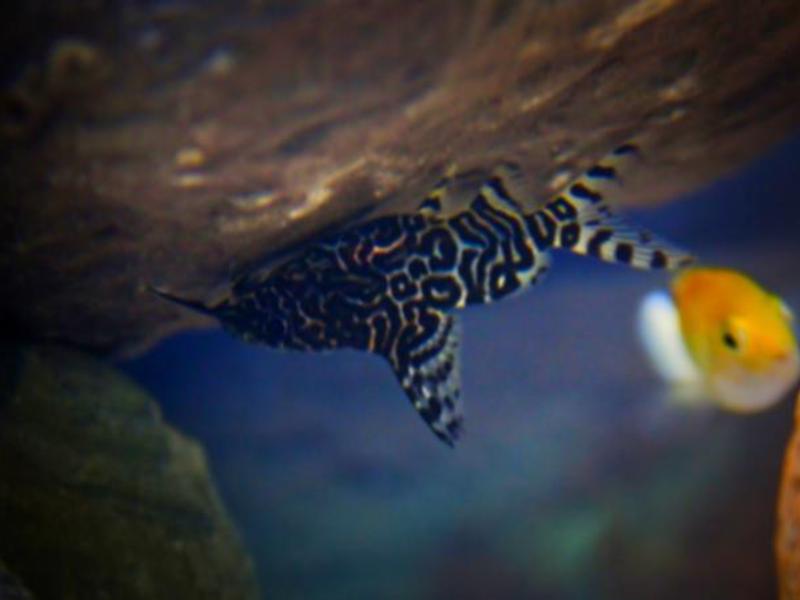
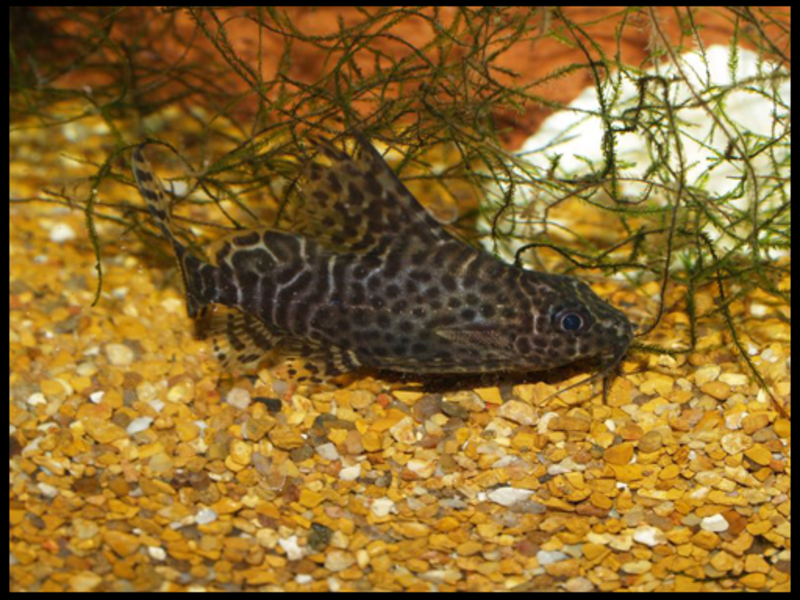
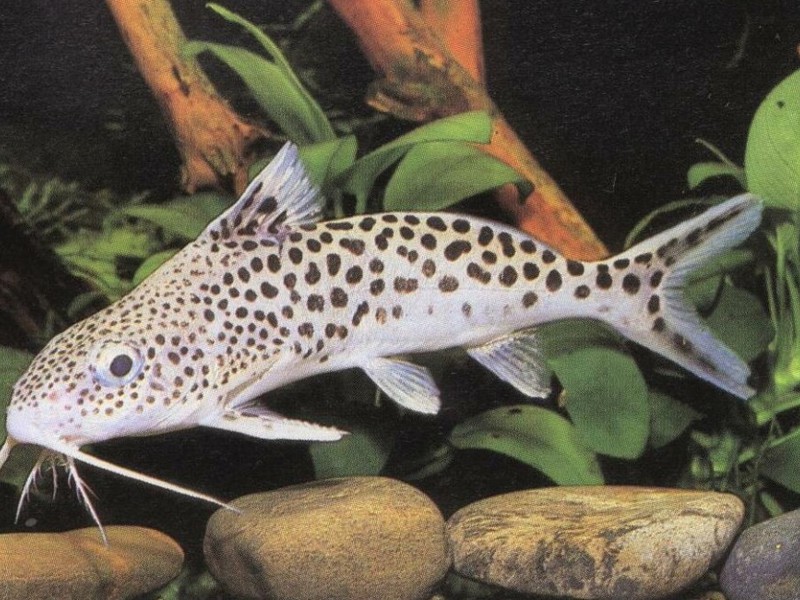
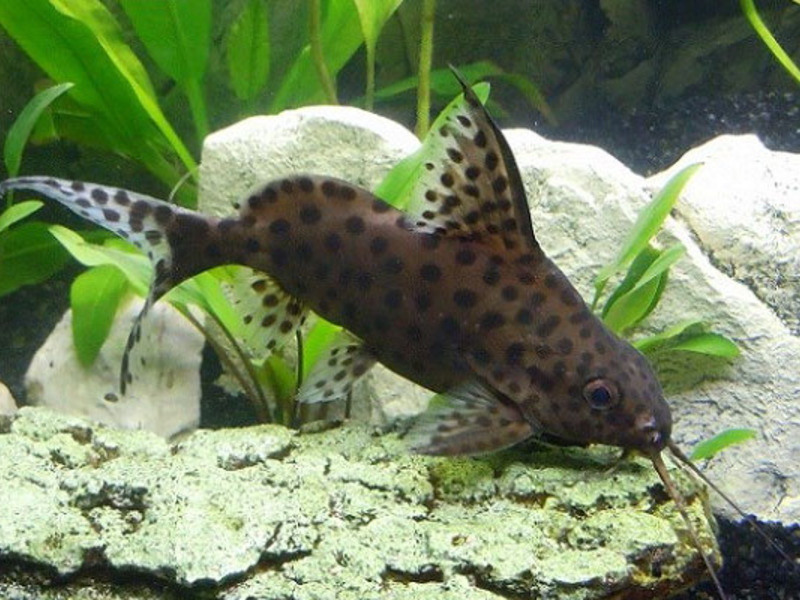
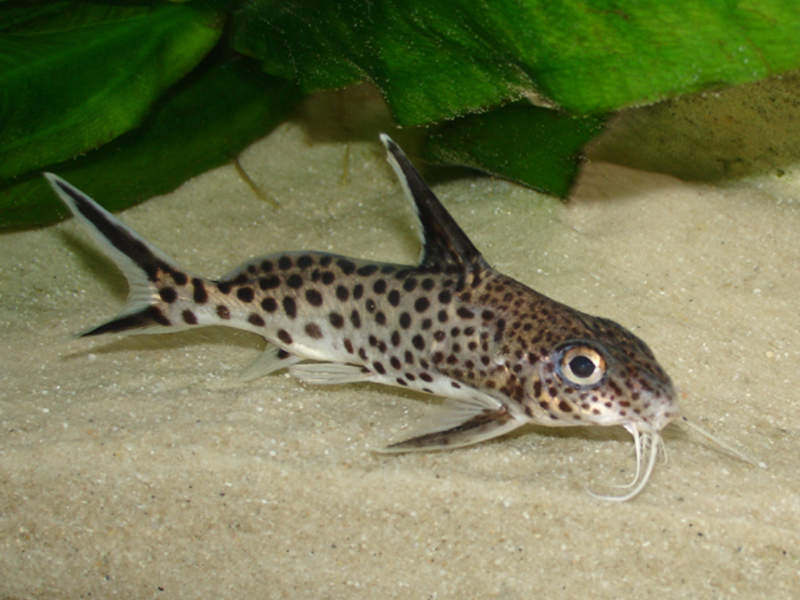
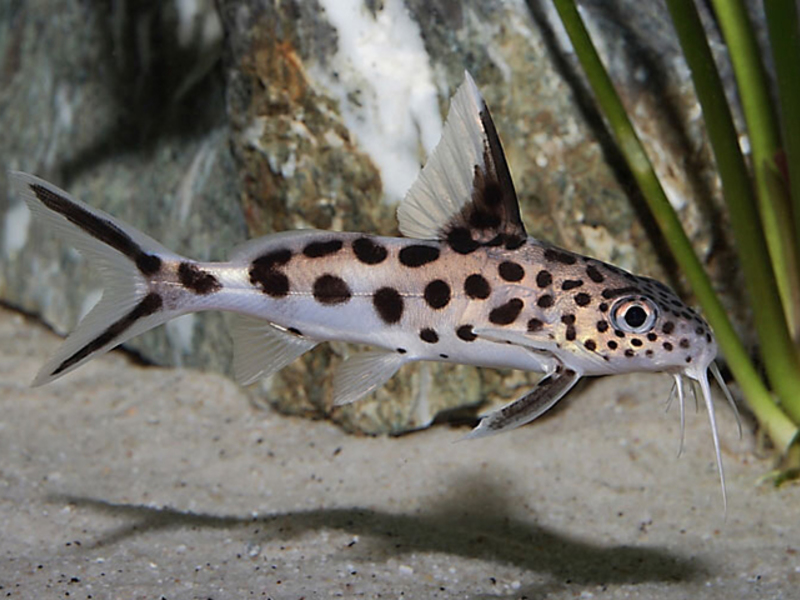
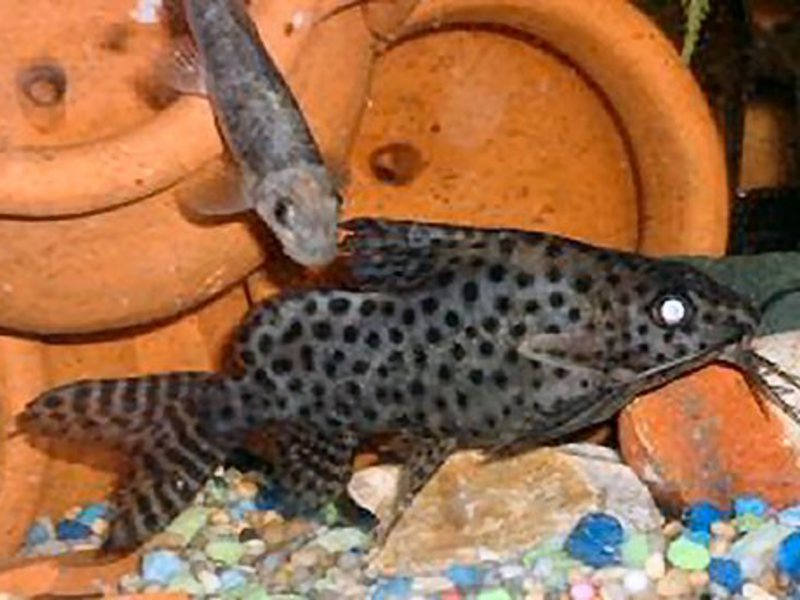
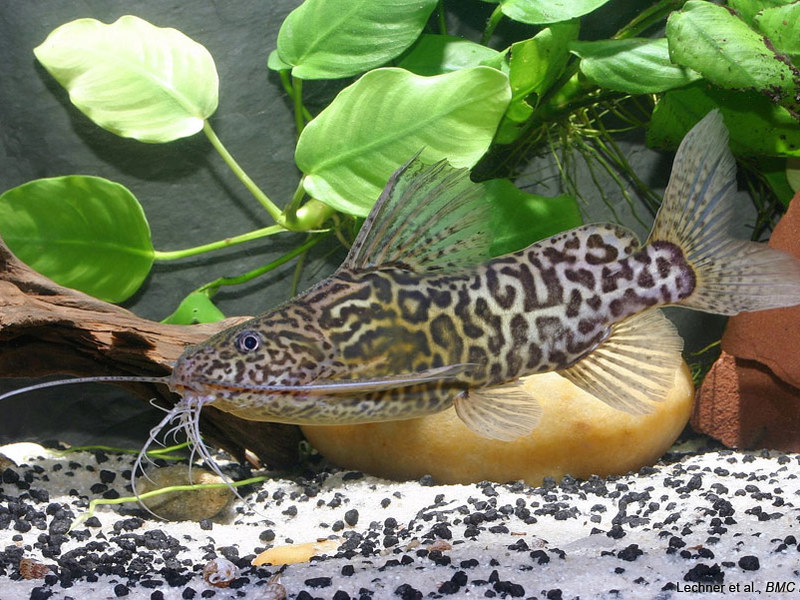
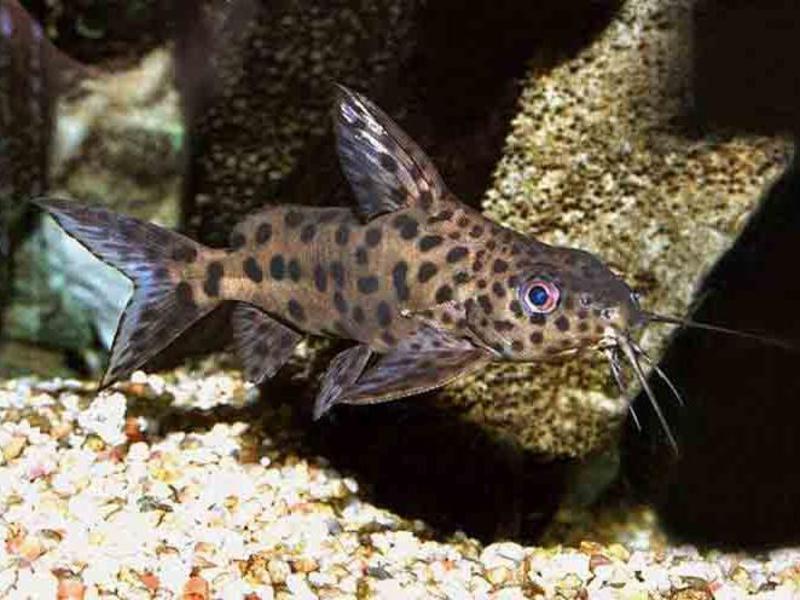
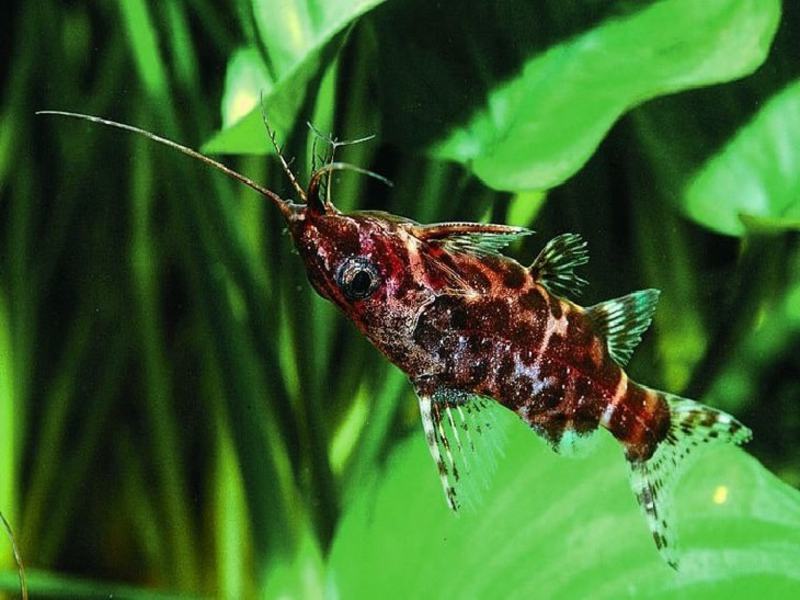
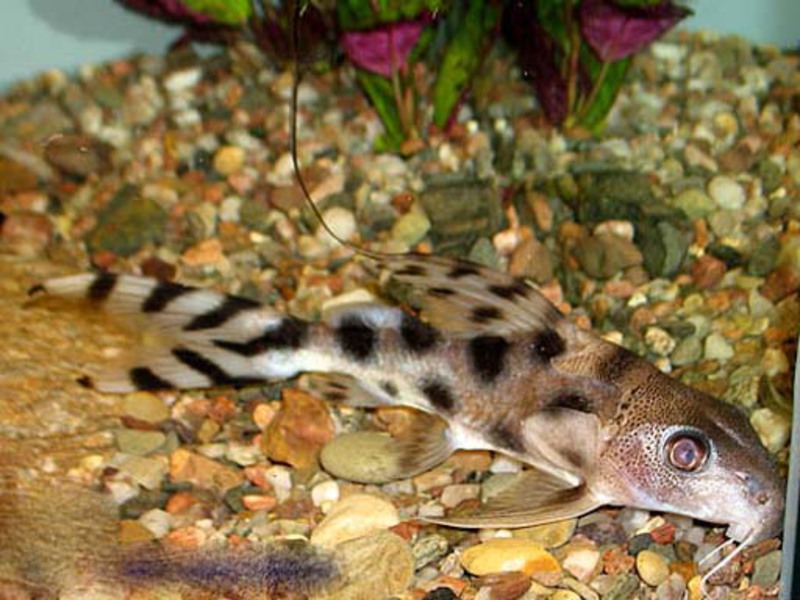
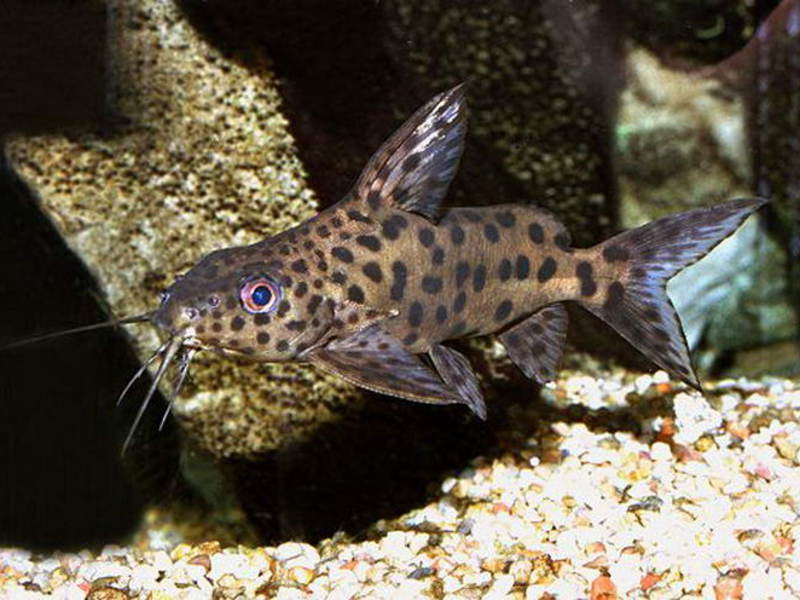
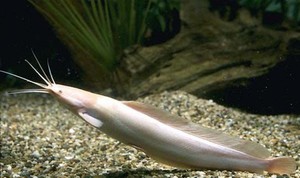
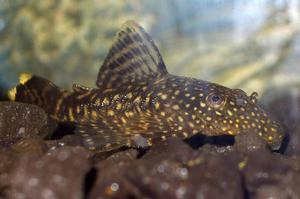
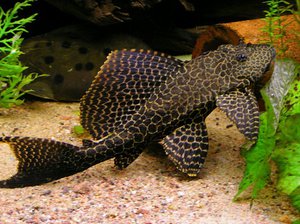
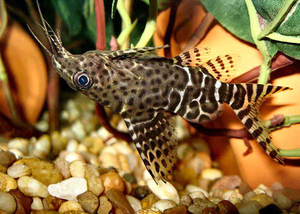
 The Synodontis catfish is an unusual representative of an African species, introduced to European aquariums from Central Africa around the middle of the last century. Synodontis catfish inhabit the Congo River, Zaire, Lake Tanganyika, and other regions, and can be found in marshy areas. It is distinguished by its peaceful behavior, ease of care and maintenance, and striking coloration.
Synodontis catfish are unusual - they prefer nocturnal activity and love to move quickly in search of food. These fish are distinguished by their bright, decorative coloration, typical of African fish; photos of them can be found online. Moreover, Synodontis catfish have proven to be conscientious cleaners, saving aquarium owners from the hassle of cleaning the walls and substrate.
Some species
Modern scientists There are 10 genera of catfish families and more than 150 species, including:
- Synodontis flagellum,
- synodontis angel,
- Synodontis perevostych
- Gambian Synodontis
- Synodontis veiloides and many others.
Some of them are very attractive, boasting bright, striking colors and memorable behavior. For example, the cuckoo catfish (Synodontis polypectina) is very popular among hobbyists who breed Tanganyika cichlids.
It turns out that this species of catfish, the "cuckoo catfish," which matures at two years of age, has a reproductive pattern reminiscent of the cuckoo in Russian forests. A female "cuckoo catfish" during spawning season runs around cichlids during spawning, and tries to "toss" eggs to them unnoticed. Cichlids, on the other hand, carry the offspring of spotted catfish in their mouths as if they were their own. However, most species are reluctant to breed in captivity, so they are artificially stimulated with hormones to activate the egg-laying process. The fry begin feeding on their own within a week, but grow very slowly—it takes two years for the little catfish to reach adulthood.
Maintenance and care
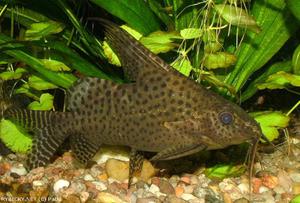 Keeping Synodontis catfish isn't very difficult. You'll need a large aquarium, 50-80 liters. The aquarium should be equipped with hiding places—grottoes, snags, hollow tubes, caves—where the fish can rest during daylight hours. Fish of this species you need a lot of aquarium plantsJava moss or naiad, plants that float in the deep water, are also recommended. The fish's antennae are particularly sensitive, so the aquarium substrate should consist of rounded gravel, river sand, or small pebbles.
Some catfish species—such as the Angel Catfish—like to burrow in the sand, so they require sandy substrate and plants with strong roots. The Upside-Down Catfish spends most of its time floating upside down, preferring to rest under large plant leaves. An inexperienced fishkeeper might even think the fish has died.
In the natural environment, catfish swim in large schools, up to a thousand fish in a school. Therefore you should buy several of them at once, at least three fish of the same species.
Catching Synodontis catfish with a net is not recommended, as they actively fluff up their fins, making it easy to injure them. It's best to add other species of similar size to the catfish in the aquarium: some Synodontis catfish species can reach 30–35 cm in size, while others are more modest, around 10 cm. They will begin to hunt smaller fish at night and may swallow any small fish added to the tank.
Aquarium water requires special care:
- It is important to monitor the neutral pH balance and increased hardness,
- The water temperature can fluctuate from +23 °C to +28 °C.
- Aeration and filtration are necessary and must be effective and stable.
- A quarter of the total water volume must be changed at least once a week.
The lighting in the aquarium should be moderate; if fry appear in it, the aquarium should be darkened.
Nutrition
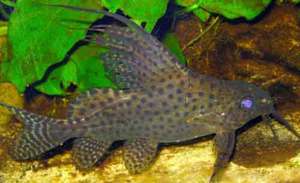 Most species of Synodontis catfish feed primarily on live food, but plant foods (such as finely chopped lettuce leaves, dandelion leaves, zucchini, cucumbers, and oatmeal soaked in boiling water) are also used. Special foods are also available. Synodontis "cuckoo" in nature it feeds only on snails, but in an aquarium it gets used to any food.
Avoid overfeeding the fish, as they need to remain active and dart around the aquarium in search of food. It's even recommended to occasionally give the fish a rest day to prevent them from becoming lazy and losing their energy and vitality. Only the female and male should be fed generously during spawning season.
Keeping most species of Synodontis catfish will not pose any problems even for a novice aquarist, and their colorful appearance and unusual behavior will attract the attention of many wildlife enthusiasts.