In nature, many fish live in schools for safety. By adding these schooling fish to your aquarium, you'll be amazed at how beautiful and harmonious they look, and how enjoyable it is to watch their harmonious movements. Today, we'll tell you about the most popular types of schooling aquarium fish.
Peculiarities of keeping schooling aquarium fish
You need to start with a few breeding rules:
- The school must consist of at least five fish.
- The aquarium capacity should be at least one liter per fish.
- Active and aggressive fish should not be kept with peaceful species.
- It is better to keep more individuals of one species than several individuals of different species.
- It is necessary to monitor the ratio of males to females: in some species, males should predominate, in others, females.
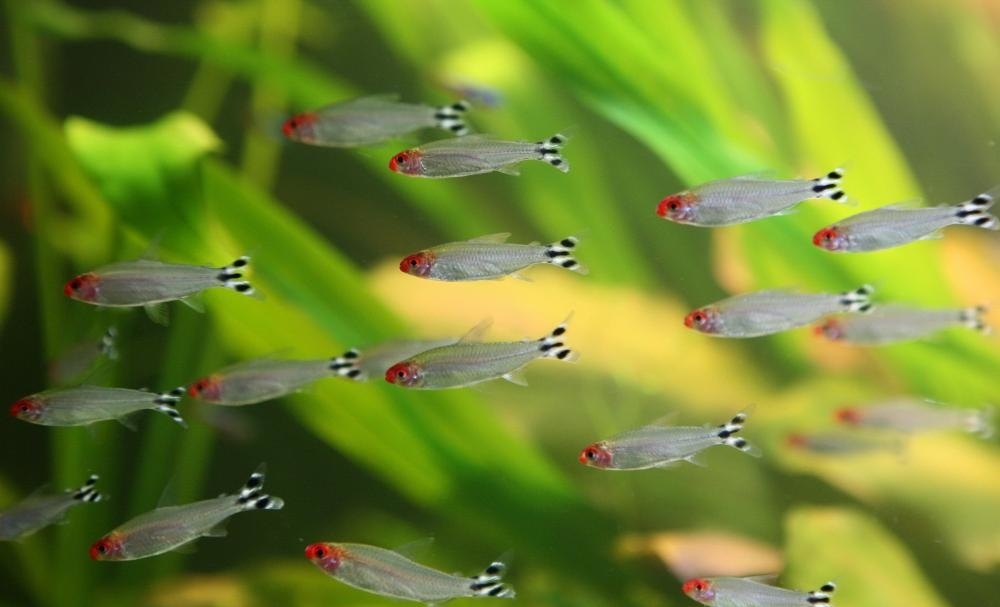
Most schooling fish are red or black, but unique-looking transparent fish are also found. Many fish species have a spot on their body or tail—this creates a ripple effect that distracts predators.
Types of schooling fish
The following types of schooling fish are popular among aquarists:
| View | Popular breeds |
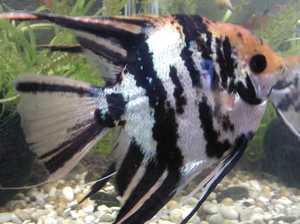
| Cichlidae or cichlids | Discus, angelfish, apistogramma
|
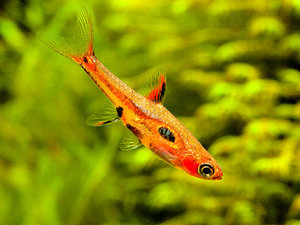
| Cyprinids | Barbs, cardinals, zebrafish, rasboras
|
| Characins | Neons, minors, tetras, tetras, pristellas
|
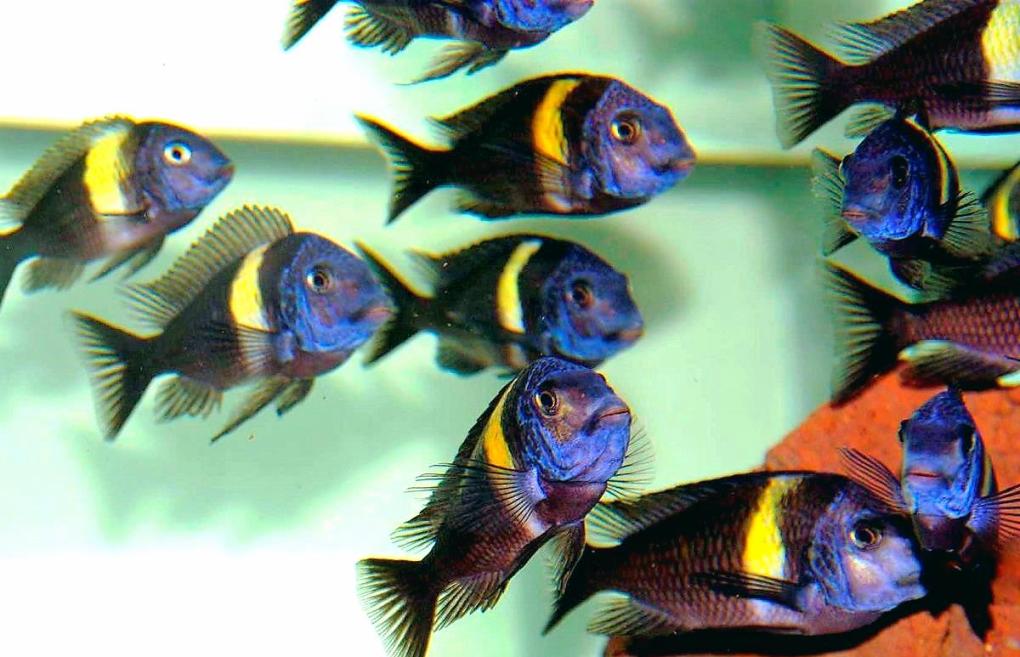
Keeping cichlids
Cichlids have a distinctive, flattened body shape. They are peaceful fish. They are fairly large, ranging from 7 to 20 cm. They require a large aquarium volume. Live plants are best avoided, as they will be eaten immediately. They have a pecking order within the school. They are prone to color changes, and when stressed, they lose their coloring. They have a fairly long lifespan and are highly intelligent. It is best to house cichlids in families with 3-4 females per male.
Cichlids can coexist comfortably with other cichlid species or with peaceful larger fish. However, it's important to remember that they are very territorial. Larger males will drive other fish away from the school's shelter, and during spawning season, they may even encroach on neighboring territories.
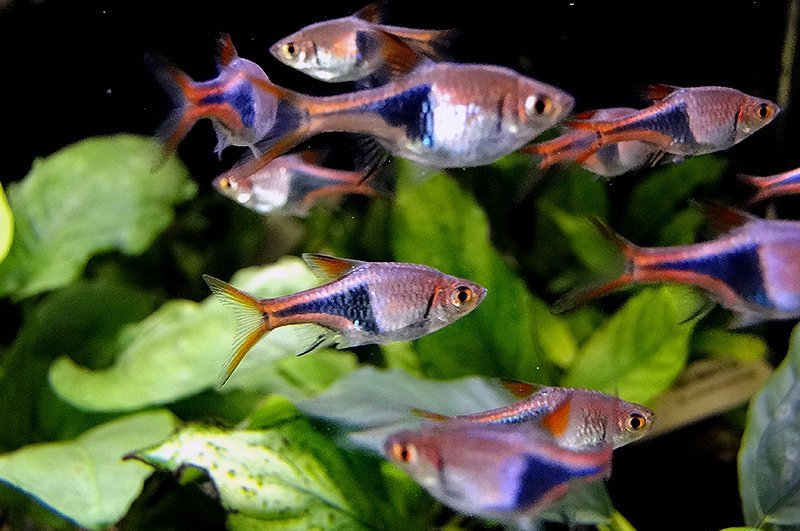
Aquarium with carp
Many carp fish are quite aggressive and can harm smaller or more sedate fish. Danios are an exception: they are small and peaceful enough to be kept with other fish.
A distinctive feature of carp fish is a distinctive coloration feature, such as a spot or stripes. Fish of this genus are medium in size, ranging from 5 to 15 cm.
The aquarium substrate should consist of fine or medium-grain sand. Plants are not recommended, as they will be quickly destroyed.
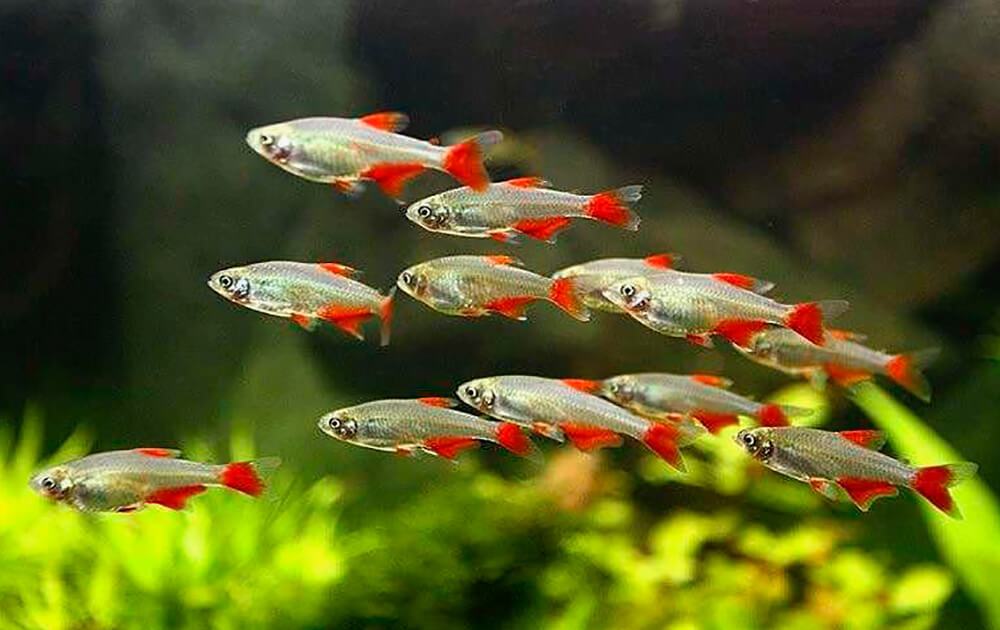
Characin aquarium fish
These fish are perhaps among the most peaceful in an aquarium. They are small in size, ranging from 4 to 7 cm, and are easily identified by a distinctive adipose fin located behind the dorsal fin, just before the tail. In an aquarium, they typically "hover," maintaining a constant position with gentle jerks. Characins are most comfortable in schools of 6 to 12 individuals.
Due to the small size of the fish, it is necessary to carefully select their tank mates and provide a sufficient number of hiding places where the school can feel safe.