Aquarium fish

How to transport aquarium fish – rules and tips
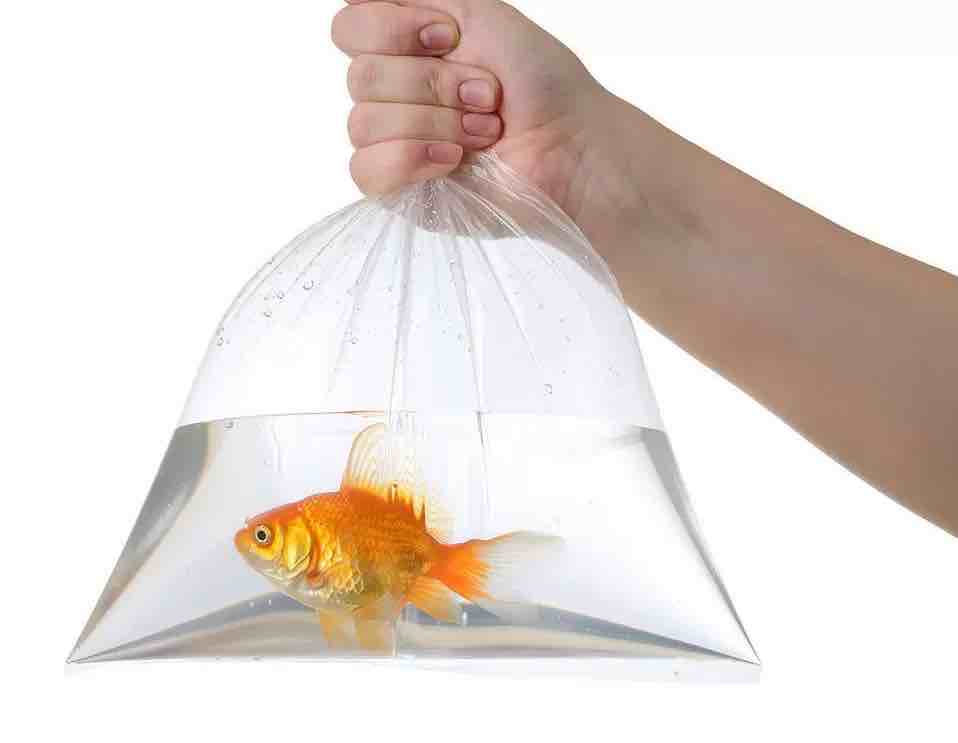
Transporting aquarium fish home from the store is easy: a few specimens placed in a small jar or plastic bag will easily survive a two-hour journey. However, there are some exotic species for which even placing them in a net for a few seconds is extremely stressful, sometimes resulting in death. Transporting a large aquarium with fish to a new apartment, let alone to a new city, is much more challenging. After all, the fish themselves will need more than just one jar, and transporting their home—a glass aquarium holding even 3-4 buckets—is no easy task. Serious aquarists often have several aquariums with a capacity of 200 liters or more… But there are no unsolvable problems; you just need to follow a few simple rules. How to transport an aquarium with fish: general rules. Transporting aquarium fish can be done by land, sea, or air. The same applies to an aquarium, but if its capacity exceeds 4-5 buckets, air transport is unlikely, and large aquariums with fish are rarely transported by rail. Therefore, the optimal vehicle for transporting a fish "house" is a suitable-sized car or truck. It's important not only to choose the shortest route but also to pay attention to the condition of the road surface: shaking creates the risk of both damaging the aquarium and causing significant stress to its inhabitants.Read more
Keeping cancer at home
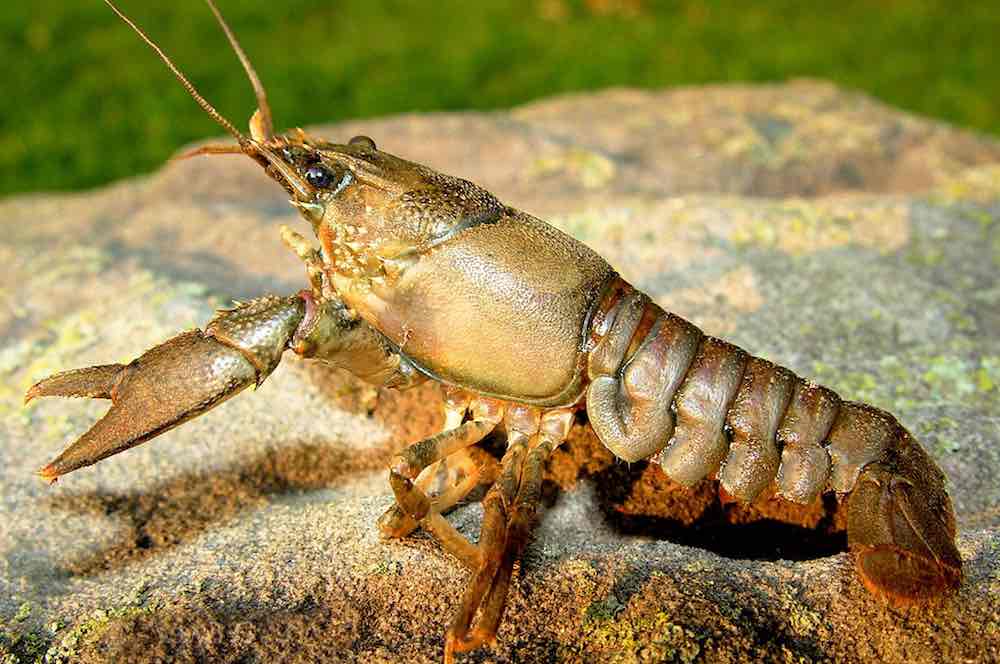
Crayfish are kept in aquariums far less frequently than fish. Only about 50 years ago did interest in these unusual exotic pets arise, and the first enthusiasts began breeding these arthropods at home. They are becoming increasingly popular every year, just like their relatives, shrimp. Keeping crayfish requires providing them with a spacious aquarium, food, and a little time. Crayfish are fascinating to watch: they build mounds and small hills, burrow into gravel, and hide in algae and rocks. This article will explore the nuances of their care in more detail. Features of keeping crayfish at home: Crayfish are arthropods that naturally inhabit Central, South, and North America, Madagascar, and New Guinea. They live in stagnant or gently flowing water, hiding among driftwood or burrowing in the sand.Read more
Why do fish die in aquariums?
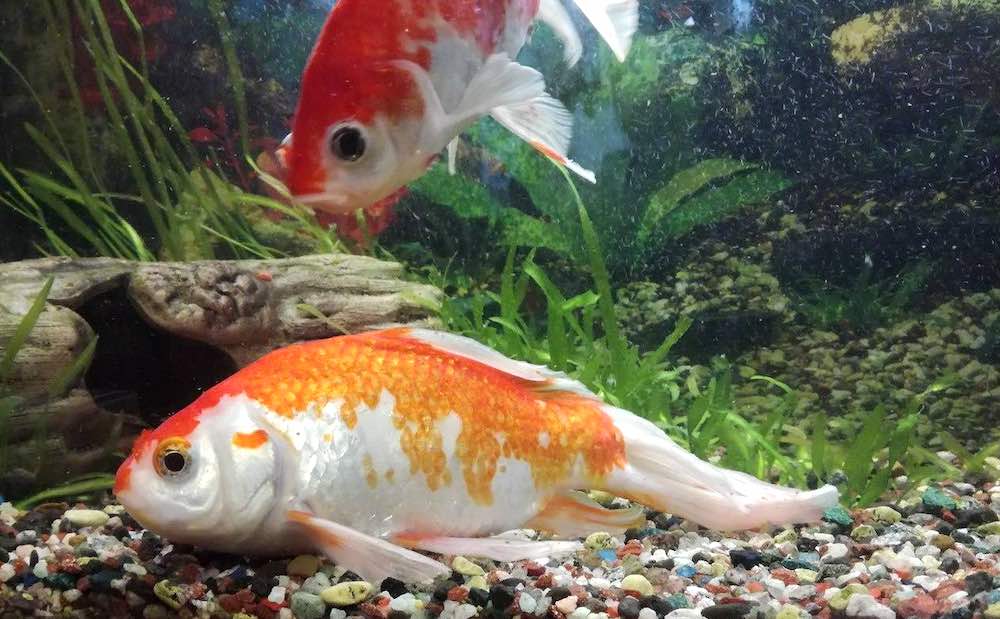
The death of aquarium pets is a common problem faced by fish keepers. Even if the aquarium meets all requirements and the water is well-settled, filters and an aeration pump are installed, and the fish are fed high-quality, balanced food, they can still die periodically. Typically, this situation is encountered by aquarists new to keeping pet fish, but even experienced professionals are not immune. To eliminate the causes, it is necessary to create conditions similar to those found in the wild – this way, the chances of illness and death are much lower. However, to do this, it is necessary to know the causes of pet death and to be more attentive to your pets. We have discussed the most obvious and common causes of fish death in an aquarium below. The main causes of aquarium fish death Read more
Black beard in an aquarium: how to get rid of it

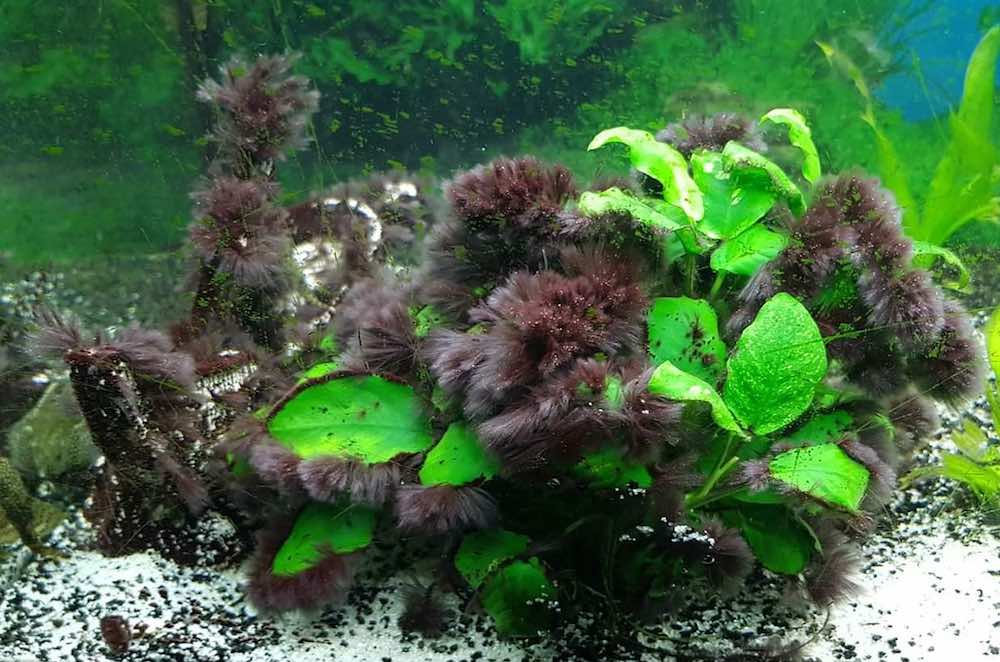
A clean, well-maintained aquarium, a vibrant and vibrant biotope, and crystal-clear water—all of these are incompatible with black beard algae. This is the name of a common weedy aquatic plant. In artificial ponds, it causes a lot of trouble for aquarists. Black beard algae often appears in home aquariums. When introduced to a favorable environment, the algae begins to grow, enveloping the walls of the vessel, plants, and objects within. This moss-like plant came to us with pond plants imported from Southeast Asia.

Experts don't consider this type of algae a pest, but it harms not only living plants but also plastic. While the "beard" doesn't directly affect the inhabitants of the biotope, it can alter the microbial composition of a body of water so much that it becomes simply uninhabitable. Black beard algae consists of thin, dark-colored, intertwined hairs. They can be seen on inanimate objects and plants in an aquarium. This weed not only disrupts the aesthetic appearance but also negatively impacts the water balance of the underwater biotope. The growth of black beard algae negatively impacts slow-growing ornamental plants; when clearing them of the algae, the underwater vegetation is often damaged and must be discarded. Black beard algae poses no threat to the development of aquarium fish and other inhabitants.

Read more
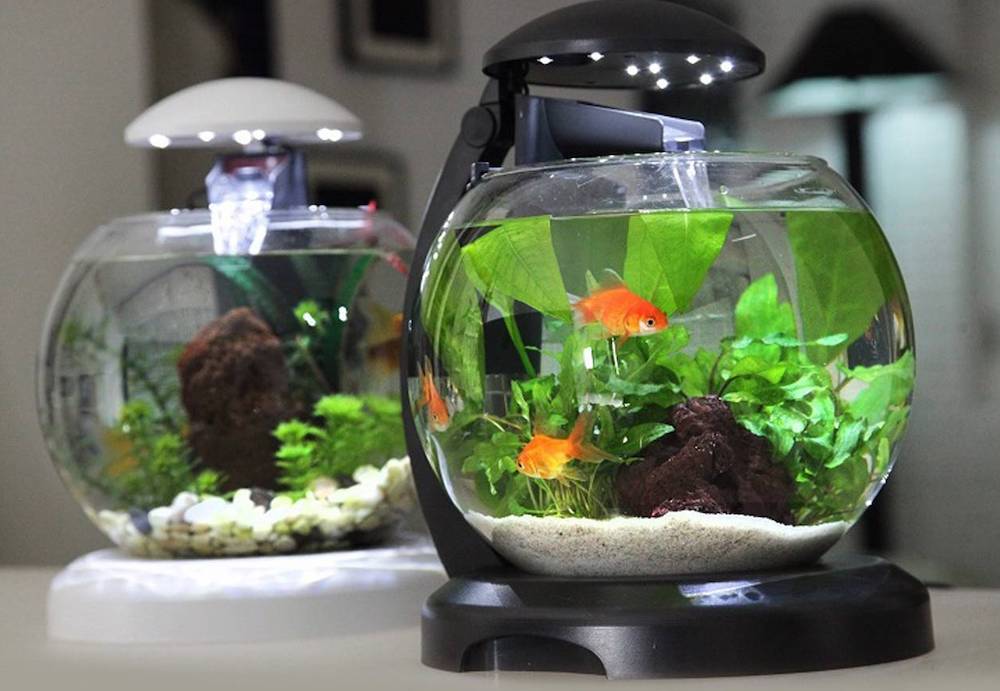
How to choose an aquarium for your home
Almost everyone has thought about keeping an aquarium at least once. Even a child can master aquaristics; caring for the underwater world can become a favorite hobby that doesn't complicate life and easily fits into other daily activities. An aquarium helps organize space according to Feng Shui and create a new atmospheric space in your home. Becoming an aquarist is very simple: minimal responsibility, maximum aesthetic pleasure. If you've decided to keep aquarium fish, let's try choosing the aquarium, equipment, and inhabitants of your home pond. What parts does a fish aquarium consist of? A container in which fish can be safely and comfortably kept consists of many auxiliary parts. Without them, it's impossible to create a complete biotope for the inhabitants of the underwater kingdom. The aquarium's contents (substrate, vegetation, and rocks) also contribute to creating a favorable environment for fish. This creates a unique "life underwater" effect, which is a pleasure not only to observe but also to care for.Read more