Aquarium fish
What else can you keep in your aquarium? 
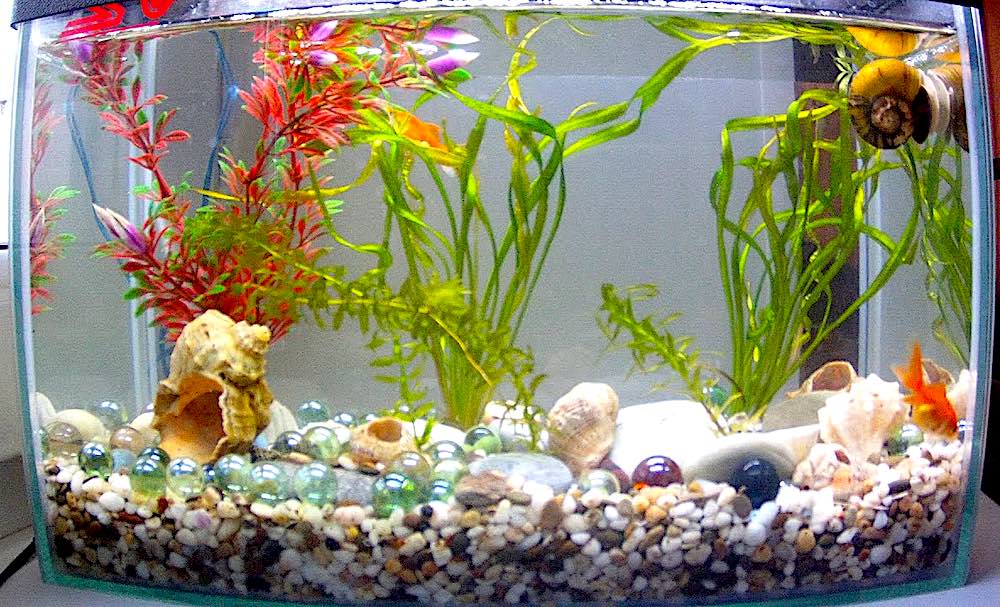
An aquarium isn't just for fish—if desired, you can create an entire aquatic ecosystem of plants and animals. However, it's important to consider the compatibility of different species. In this article, we'll explore what other species are suitable for keeping in an aquarium. What species can be added to aquarium fish? Read more
How to remove snails from an aquarium: tips and tricks
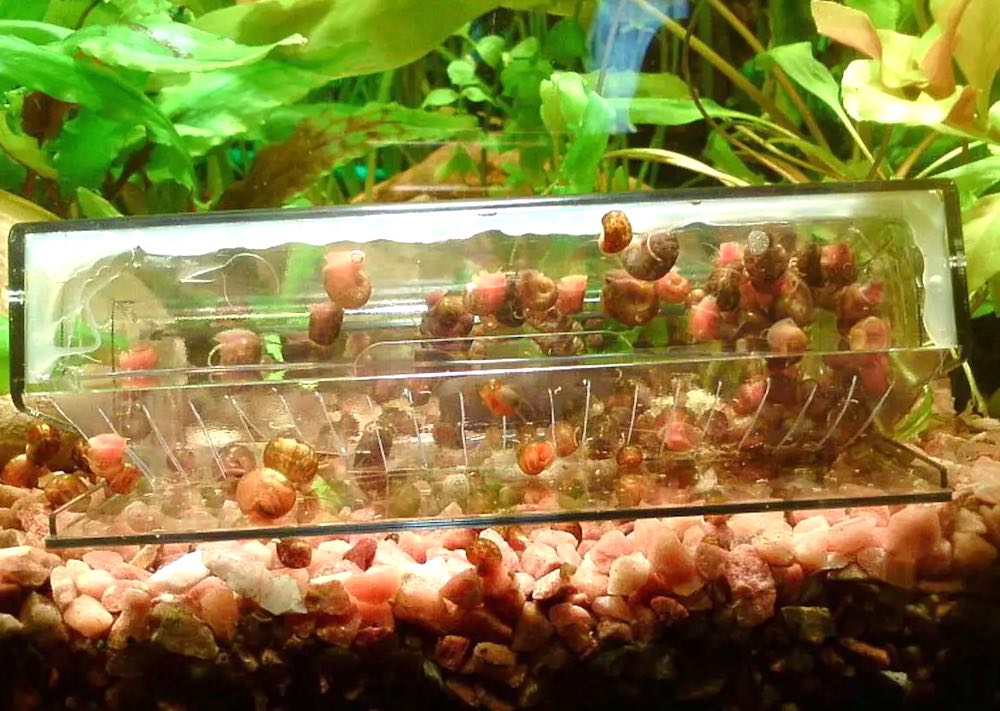
The problem of how to remove snails from an aquarium often arises for unlucky hobbyists who don't properly care for their underwater kingdom. It's rare to keep an aquarium without snails, as they provide invaluable benefits, making home pond maintenance easier and adding diversity to the aquatic fauna. However, some snail species reproduce quickly, filling the aquarium; eventually, instead of being beneficial, they become harmful. Reducing the snail population is easy, but completely eradicating them is not easy. Types of aquarium snails: Snails are gastropods with a single shell, a muscular leg, and a small mouth. Sensitive tentacles protrude from their heads, containing eyes. When reproducing, snails, most of which are hermaphrodites, lay eggs. These eggs are usually found under plant leaves, but some snails lay them on the aquarium glass, outside the water. Thus, the spawning of ampullaria is a large cluster of yellow eggs with a diameter of 2-3 mm, 4-6 cm above the surface of the water.Read more
What can and cannot be put in an aquarium – decorating rules
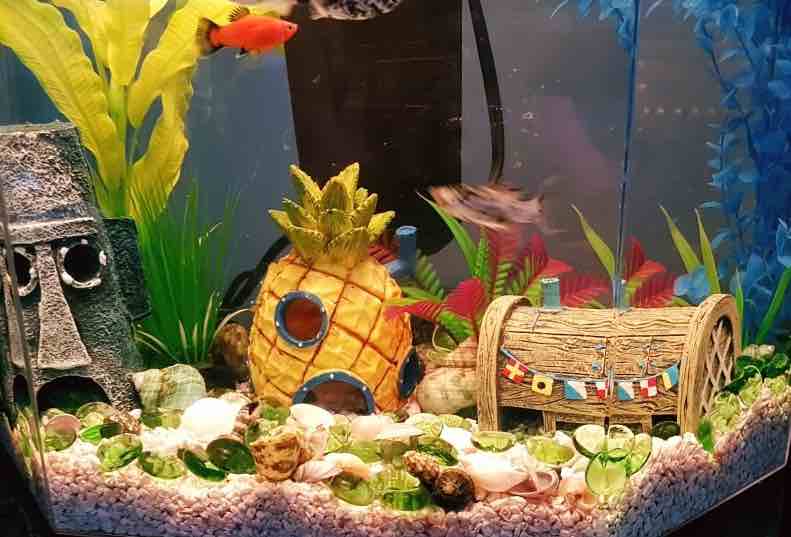
Aquarium decor implies adding any items that enhance your home's water features without compromising the living conditions of its inhabitants. Modern aquaristics is a serious endeavor, utilizing the latest advances in science and technology. Even the profession of aquascaper has emerged, but home hobbyists decorate their aquariums using their imagination and available resources. It's important not to overdo it with adding unnecessary items to ensure your home pond remains a comfortable home for your fish and other inhabitants. Aquarium Decor: What Materials Are and Are Not Suitable for Decorating a Home Aquarium?Read more
How to clean aquarium gravel at home
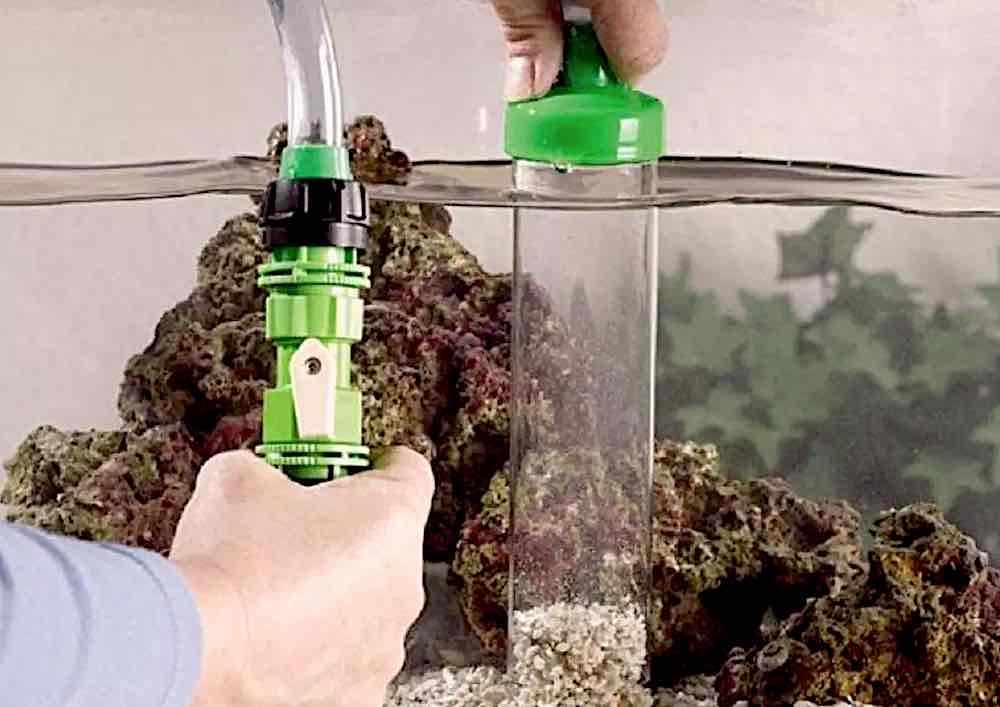
Cleaning the aquarium substrate isn't necessary very often. The frequency of this procedure depends on how well the daily maintenance of your home aquarium is performed. Beginner aquarists believe that the most important part of aquarium maintenance is "changing the water." This is a common mistake: completely draining the water and replacing it with fresh water is only necessary in emergency situations. With proper aquarium management, this is never done, but the bottom and walls of the aquarium become coated with a natural film over time due to the activity of fish, plants, and snails. Therefore, periodic cleaning of the aquarium is necessary, but fortunately, emptying it of all its contents is very rare – no more than once every two to three years, and experienced aquarium owners often keep their aquariums for decades. Causes of Aquarium Bottom Contamination: Cleaning the substrate in a planted aquarium requires much less frequent cleaning than in a tank filled with fish. Therefore, you shouldn't allow your child to get a pet without purchasing a proper aquarium and planting it first: plants help establish and maintain a biological balance more quickly. Just like in a garden, plants partially utilize fish waste products. However, they are not capable of keeping the aquarium completely clean.Read more
DIY aquarium driftwood
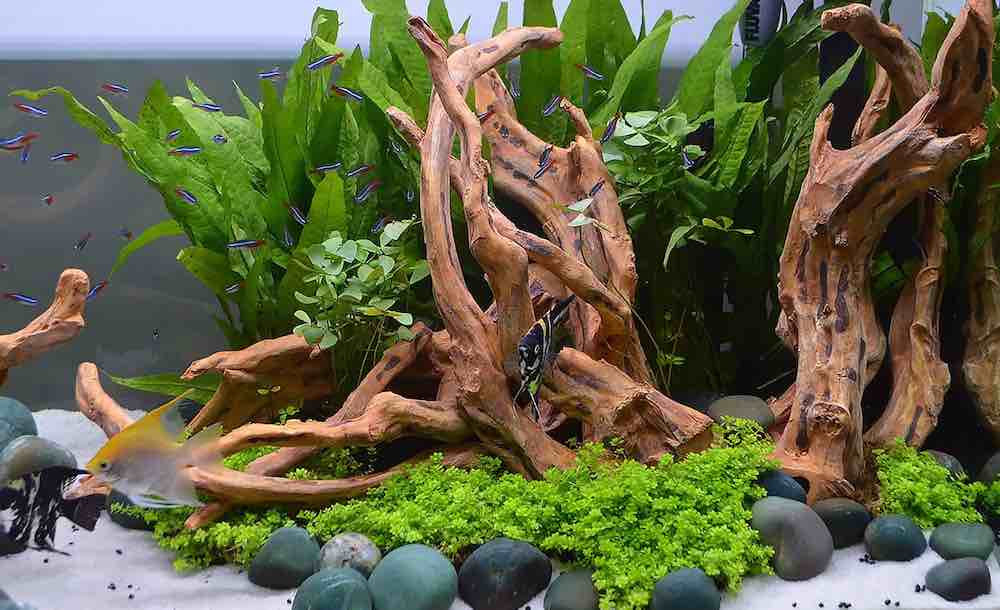
Driftwood for an aquarium is an accessory for an amateur. Such decoration is only valuable if it is made of natural wood, proportionate to the aquarium's volume, and blends seamlessly with the underwater world of exotic fish and plants. It's good that plastic boats, divers, or incomprehensible artificial structures, which are out of place in a home aquarium, are becoming a thing of the past. They are giving way to natural roots, pieces of carefully crafted wood, and naturally occurring driftwood of a reasonable size. A sense of proportion is crucial when decorating an aquarium, and in this regard, submerged driftwood rarely spoils the impression of a well-maintained underwater world. They can be purchased at pet stores, but it's not at all difficult to make your own from wood fragments found in the wild. What kind of wood can be placed in an aquarium? Many questions arise regarding driftwood: what kind of wood is used for it, will any species look impressive, and are there any trees that could harm the aquatic inhabitants? This question is far from idle: wood, like any natural material, affects water, altering its chemical composition. It can slightly reduce acidity and hardness and, in addition, alter the biochemical composition of aquarium water.Read more