Cats
What kind of grass can you give to cats? 
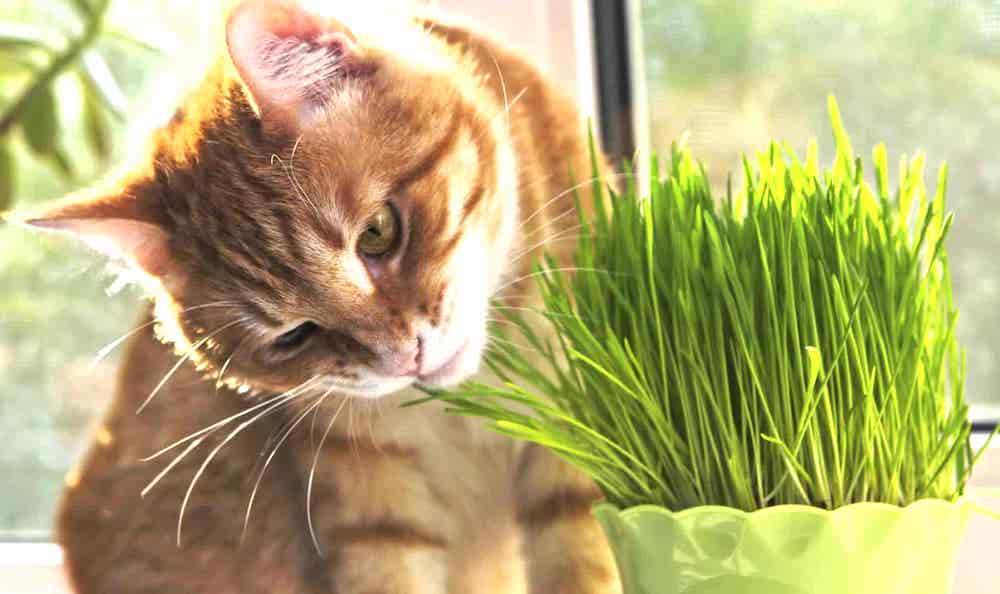
Attentive owners have probably noticed that their cats are partial to green grass. For these furry gourmets, it's not a snack at all, but rather a cure. Yes, cats really do need greens. By eating grass, they replenish vitamins and minerals, normalize gastrointestinal function, and flush out parasites. Grass also provides a natural cleansing of the digestive system—this is important for cats, as they don't respond to illness the same way humans do. Pills and potions are unavailable. So, feel free to allow your pet to eat grass. But this raises another question: what greens are suitable for pets and how to grow them at home. It's simple—see for yourself. Why do cats eat grass? Cats aren't interested in grass because they're hungry. It's a normal instinct, which helps relieve some digestive symptoms and provides a vitamin boost, just like humans who include greens in their diet. But the most important thing is that cats “cleanse their bodies” in this way.Read more
Can a cat eat raw food?
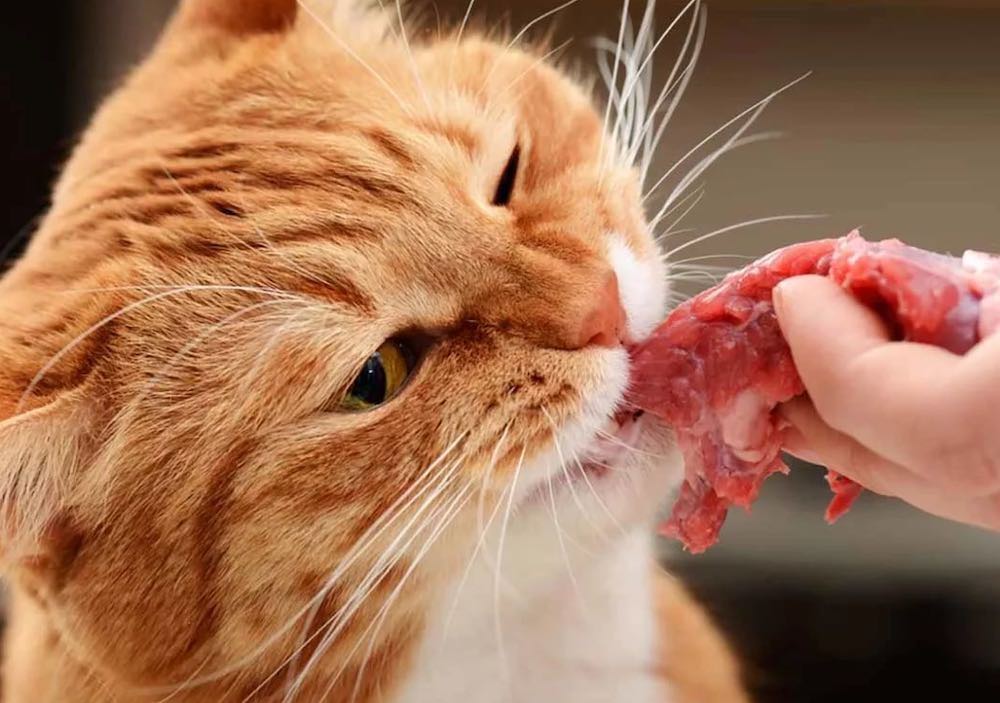
It's no secret that cats' distant relatives, living in the wild, eat raw meat and thrive. Experts recommend a mixed diet for domestic cats: dry food and natural products (milk, cottage cheese, boiled fish, cereals, and eggs). But what about raw meat, you ask? Is it really forbidden to feed a cat raw food? Meat, fish, and raw eggs are a source of protein and amino acids, which are essential for a complete pet diet. Do cats really need this kind of food? How to create the right menu for them? What should be avoided in a pet's diet? Domestic cats may ignore a half-empty plate. Others, on the contrary, are accustomed to consuming everything without a sense of proportion, especially their favorite foods. This happens because the animal has a certain algorithm ingrained in its subconscious. First, the cat is afraid of going hungry, so it may not touch the food if there is little of it. Or, conversely, dine for two—it all depends on temperament and habit. Sometimes cats ignore food offered to them. This happens with an unfamiliar menu, when the pet isn't hungry and is used to eating at regular times.Read more
3 steps to giving your cat an enema at home
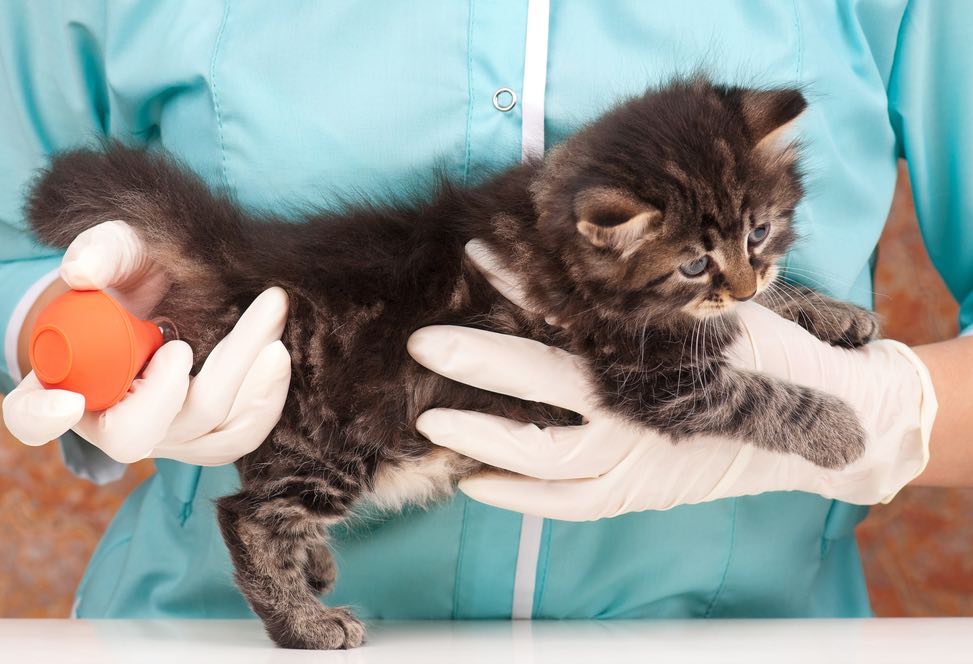
Dehydration, poor diet, and hairballs often cause constipation in cats. These pets suffer from digestive problems just as much as humans. In this article, we'll discuss how to help your cat, specifically how to properly administer an enema. If there's no veterinarian nearby, owners will have to manage this themselves—and our step-by-step instructions will help. When should a cat need an enema for constipation? Read more
How to train a cat to wear a harness
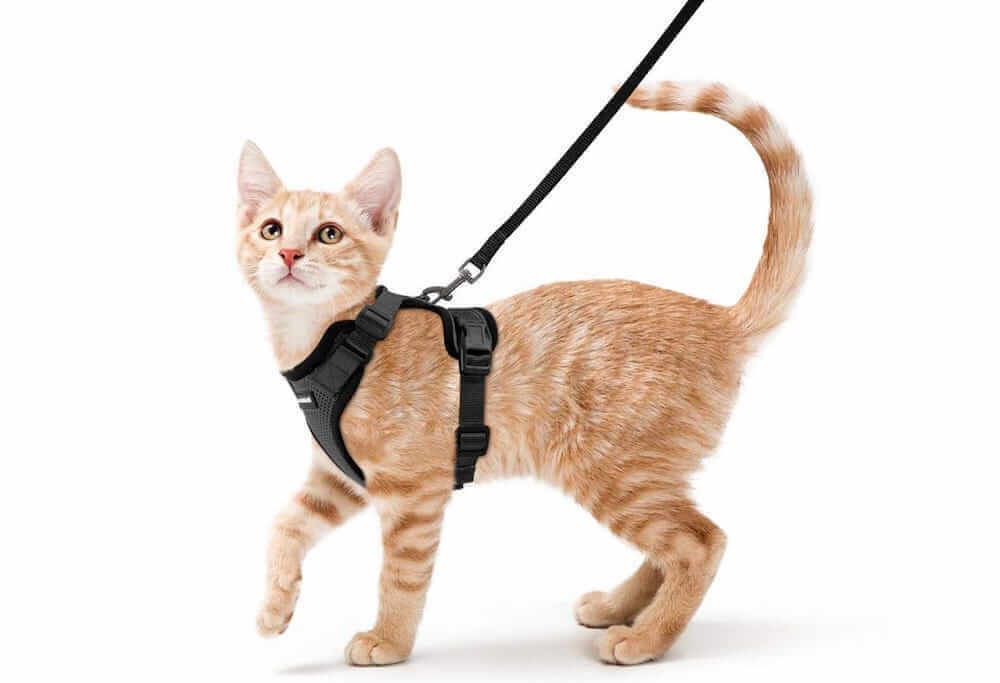
As a rule, felines absolutely hate being walked on a leash, especially since the urban jungle is completely unsuitable for these pets. Simply taking a cat for a walk isn't an option – they're often afraid of people, cars, and the frantic pace of modern life. Special devices, such as a harness, can help. Without one, a walk is no fun for either the animal or the owner. Cats wearing harnesses are increasingly common at veterinary clinics, at shows, and on public transportation. Let's find a harness for your cat, learn how to use it, and discover how to accustom your pet to this convenient feline device. Do I need to walk my cat? Unlike dogs, cats don't necessarily need to be walked – it's not required by necessity or the specifics of their living conditions. Domestic cats happily spend most of their lives within four walls. They're quite content to curiously watch the birds and the changing seasons from the window. However, cats aren't always eager to participate in all of this. A measured, calm way of life suits them quite well.Read more
How to protect your cat in hot weather
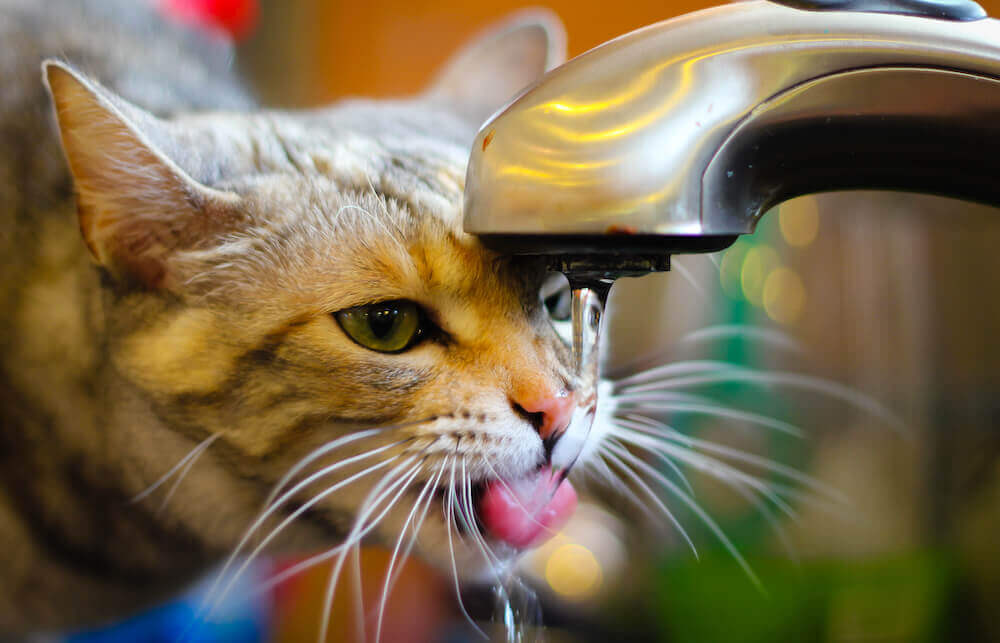
When the thermometer rises above 30 degrees Celsius, not only people but also pets, including cats, begin to suffer from the heat. In this article, we'll explore how cats tolerate high temperatures and how to help them survive the heat without suffering heatstroke. How Cats Tolerate Heat: Cats are heat-loving animals, and despite their fur and undercoat, they react calmly to rising temperatures. Furthermore, pets are naturally hotter than humans; they expend more energy to warm their bodies. High temperatures allow cats to conserve energy.Read more