The number of pets in Russia is steadily growing. Approximately one in two families has a pet. The number of cats in our country is approximately 34 million, making it the third-largest in the world after the United States and China. Moreover, most owners consider cats to be members of their family.
Russia has a Law on Responsible Treatment of Animals, which regulates all matters related to the care of pets. However, the market for animal funeral services in our country is still in its infancy—most owners simply bury the body in a chosen location, even though this is illegal. In this article, we'll explore how to properly bury a pet.
How to bury a cat properly
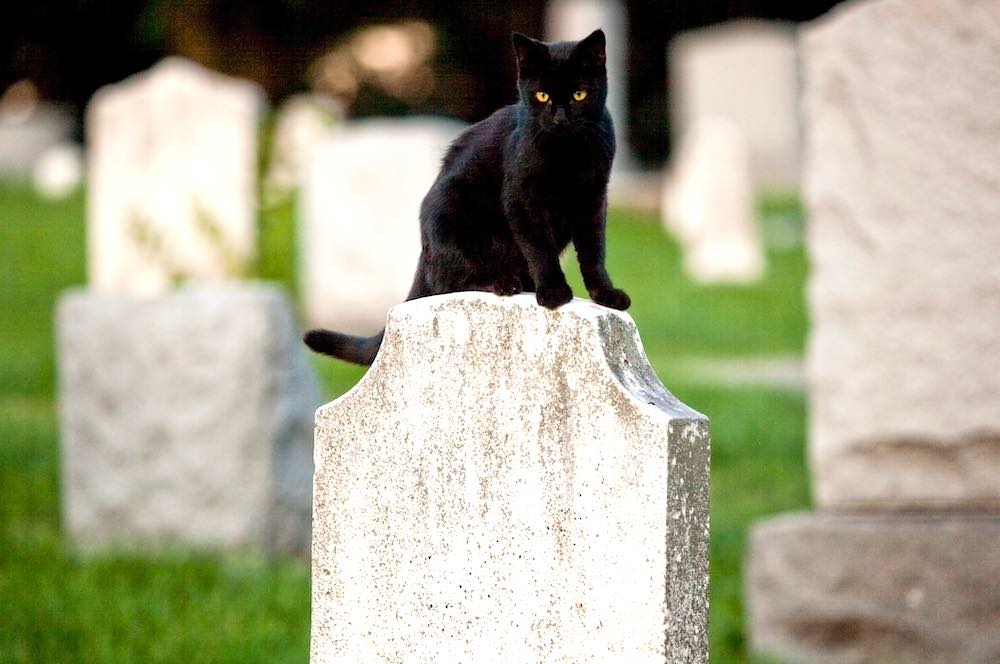
Burying a cat can be an emotionally difficult process, so it's important to consider some tips to ensure it's done right:
- Choose a method: cremation or burialDecide whether you'll bury the body yourself or through a funeral service. If you choose the latter, they'll handle all the arrangements.
- Select a burial location: Choose a safe location and make sure that burial there is not prohibited.
- If you are burying the body yourself, prepare the grave: Dig a hole at least 70 cm deep and wide enough to accommodate your cat. If possible, fill the hole with clean sand to improve drainage.
- Wrap the cat's body: Roll your cat in a soft cloth, such as a blanket or towel. This will help maintain their dignity and reduce contact with the soil.
- Put the cat in the grave: Carefully place the wrapped body into the grave and position it so that the head faces away from your home. This is considered a tradition and symbolically signifies farewell.
- Bury the body: Cover the grave with soil, carefully sealing it. If desired, you can scatter flowers or petals over the grave.
- Establish a monument: At your discretion, install a monument or marker at your cat's burial site. This will allow you to visit their resting place and remember them.
Losing a cat can be a difficult experience, so it's important to reach out to loved ones for support. Connecting with friends or family who can support you during this difficult time can be incredibly valuable.
Each person may have their own rituals and traditions, and you should choose what suits your desires and beliefs.
Read also, How to collect urine from a cat
How to bury a cat: what the law says
Pet burial laws vary by country and region. In many places, pet owners have the right to bury their cats on their own property or in a designated area. However, some city or community regulations may prohibit burials on private land.
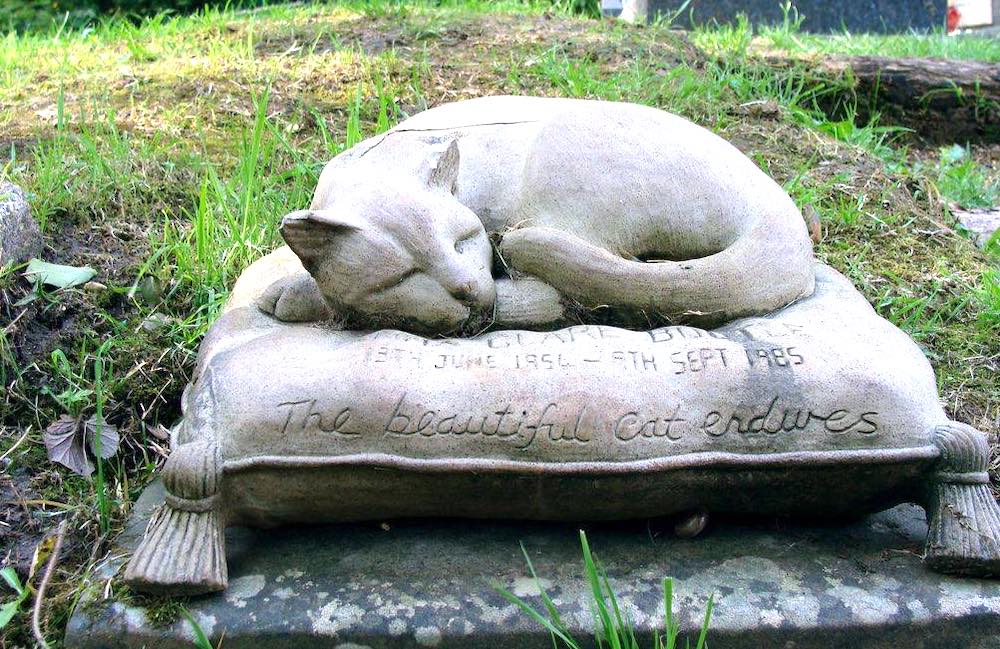
There is currently no specific law on the burial of domestic animals in Russia. The Civil Code and the Civil Procedure Code classify animals as property: Article 137 of the Civil Code of the Russian Federation stipulates the need for humane treatment.
Improper handling of an animal's carcass can result in a fine of up to 5,000 rubles for individuals. Under Russian law, the body of a deceased pet is considered biological waste. Burying it in the ground anywhere, or disposing of it in landfills, forests, fields, ravines, or dumping it in garbage containers is prohibited (Article 43.1 of Federal Law No. 166-FZ of December 20, 2004, and paragraphs 24 and 33 of Order No. 626 of the Russian Ministry of Agriculture of October 26, 2020).
This is monitored by the Federal Veterinary Service. If the disposal site is close to groundwater, it could lead to water contamination and serious health consequences for those who drink it.
Animal carcasses can be legally disposed of through cremation or burial in biothermal pits. However, companies specializing in animal burial and cremation are only found in large cities. While Moscow and St. Petersburg have pet cemeteries, most other cities do not. Cremation and burial services for pets cost between 4,000 and 5,000 rubles.
Where can pets be buried?
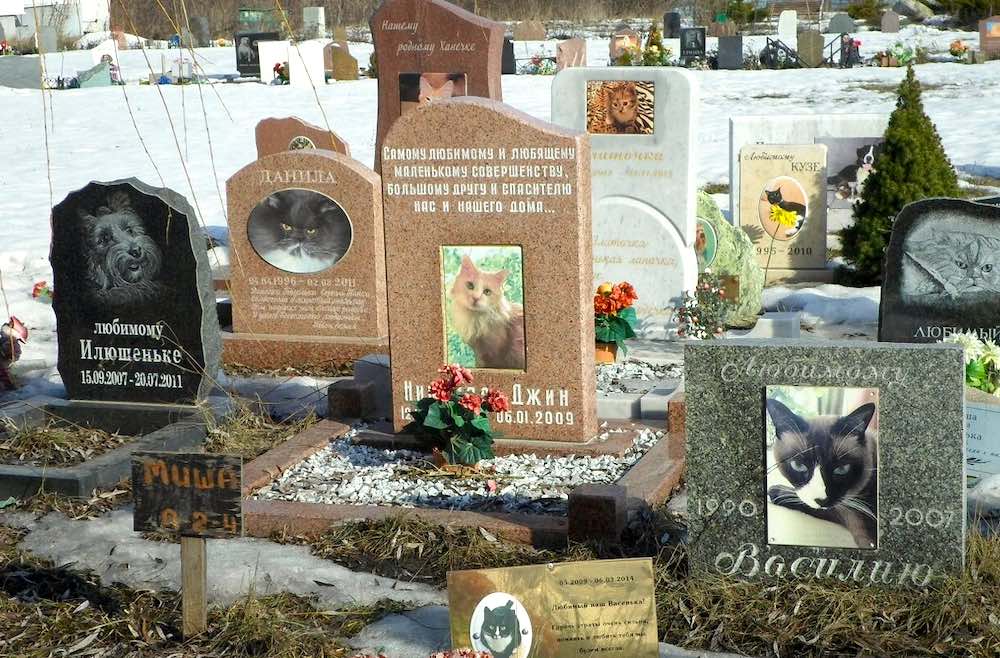
There are several options for burying pets:
- Your own plot: The most popular, albeit illegal, method. If you own a garden plot or land, this is where the animal is most often buried.
- Cremation: Some cities offer special pet cremation services. After cremation, you can keep your pet's ashes in an urn or scatter them in a designated area.
- Zoonecropolis: In some places, there are zoonecropolises specifically designed for the burial of pets. These sites ensure the care and respectful treatment of pets' memories.
- Veterinary clinic: Many veterinary clinics offer pet burial services in specially equipped areas.
It is important to check local rules and regulations regarding pet burial and choose the most appropriate option based on your preferences and budget.
Tips and nuances
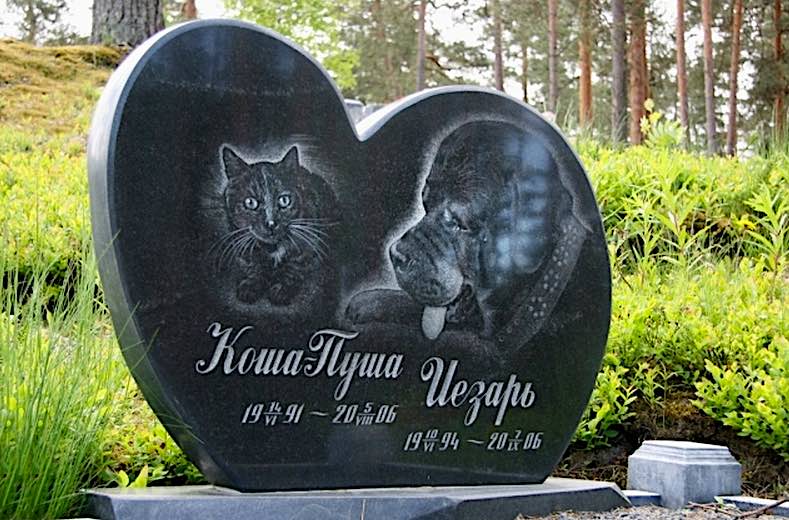
When burying your cat, it's important to consider a few tips and nuances to make the process dignified and respectful:
- Try to bury your cat as soon as possible after its death.This will help prevent decomposition and reduce unpleasant odors. If for some reason immediate burial is not possible, ask your veterinarian to temporarily store the body until you can arrange a funeral.
- If you are burying yourself, mark the site before the funeral takes place.Where you plan to bury your cat—for example, using trees, stones, or stakes. This will help prevent the ground from accidentally opening up in the future.
- Bury your cat deep enoughTo prevent predators or other animals from accessing the grave, a minimum depth of 70 cm is recommended.
- Installing a monument will help you pay respects and visit your cat's burial site in the future.You can choose a monument made of stone, wood, or any other material that suits your preferences. You can also place a tombstone or tree with your cat's name.
- You may want to hold a small ceremony or ritual before the funeral.To pay respects and say goodbye to your cat, you can do so. For example, you could say a few words in memory of your cat or read a poem.
Don't hesitate to reach out to others for support. Share your feelings and memories of your cat with your loved ones so they can help you cope with your loss.
Everyone has their own preferences and rituals, so choose what's best for you and your family. The most important thing is to conduct the funeral in accordance with the law and preserve the memory of your beloved pet.
By law, an animal can only be cremated or buried in a specially designated place, but not every city has a crematorium and/or cemetery for pets and companies that provide these services.
Read also, What grass can be given to cats?