We love our cats dearly, spoiling and even pampering them. But sometimes they behave in ways that leave their owners desperate and tearing their hair out. But remember, you don't have to suffer because of your pet. Calmly but firmly, practice our methods for punishing your cat and explaining your displeasure.
Content
Should you decide to punish your cat?
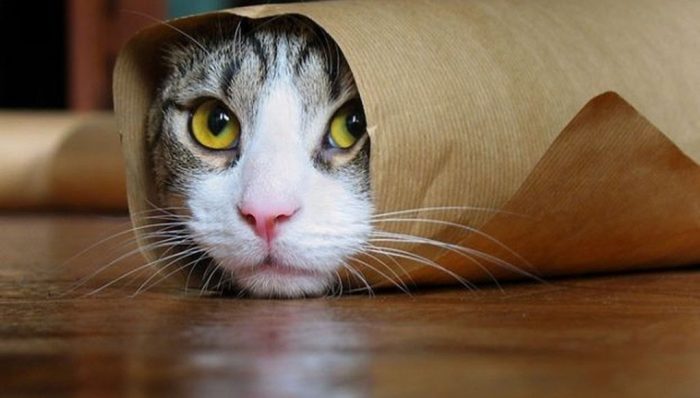
No matter how pitiful the cat looks, stand your ground.
Dictionaries define punishment as the imposition of retribution, as retribution for an offense or misdeed. It is a negative incentive that leads to undesirable behavior directed at the offender, with the goal of eliminating or reducing such behavior.
The main purpose of punishment is to ensure proper behaviorIt's a form of discipline that can bring out the best in your cat. Oddly enough, the motivation for punishing your beloved furry friend is love, the goal of ensuring a better, happier life.
When it is a necessary measure
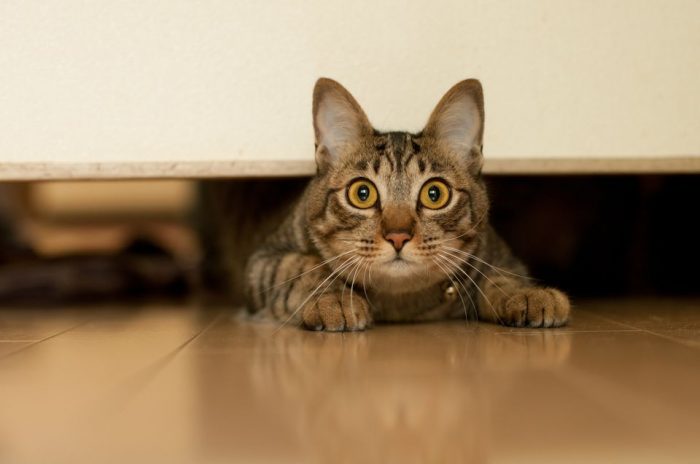
Before you decide on punishment, consider whether you are pure in front of your pet.
If you're ready to discipline, you need to clearly define when it will be carried out. The decision depends on the circumstances and whether you're doing everything necessary for your pet. Do not "train" your cat if you're not adequately fulfilling the following requirements:
- Providing sufficient food;
- Providing warmth and comfort;
- Taking care of cleanliness and health, timely visits to the veterinarian;
- Confidence that the cat is safe;
- Showing love and providing toys to ensure the cat has enough time to play and sharpen its claws.
If even one point isn't fully addressed, the cat simply asks for help. But if you're doing everything correctly, then move on to choosing the so-called punishment. First of all, remember that a cat is not a person, and he needs special ways to prove that he is doing wrong..
Types of punishment
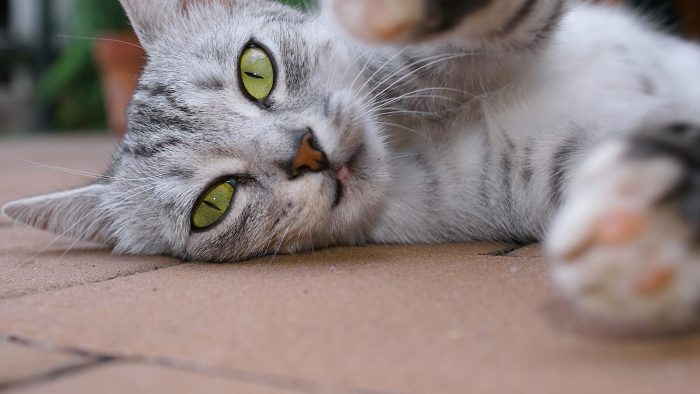
Sometimes even such a cute face deserves punishment
They are divided into good, bad, and ugly. But punishments are easiest to classify into "right" and "wrong."
Correct
These are actions aimed at achieving a certain result.
Reward system
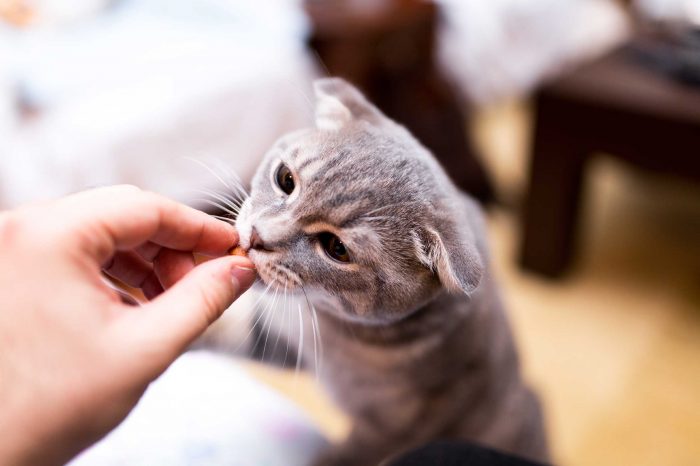
For many cats, depriving them of treats will be sufficient punishment.
It may seem like rewards have nothing to do with punishment. But toys, treats, and generally showing our affection should signal to the cat that they're doing the right thing.
On the other hand, the lack of such approval makes them sad. Therefore, the lack of rewards can also be considered a punishment.
Dialogue punishment
First and foremost, it's interaction with the pet itself. This means gentle punishments—light touches on the head, unpleasant sounds, clapping, and so on—will teach your cat not to bite or attack you.
Incorrect
We warn that for the practice of such methods in civilized countries, a person risks punishment by special animal protection agencies.
Physical punishment

Don't even think about using violence against your cat.
Using any form of physical violence against a pet, even if it has behaved badly, is wrong. It's a language that animals will never understand anyway.
This behavior on your part will cause the following reactions in your cat:
- FearIf the cat sees you as an aggressor, he will start whining just because you are approaching;
- AggressionThe animal will give in to its natural instinct to attack the offender. It may hit, scratch, and bite;
- Evasion: It has something in common with fear, but in this case the cat will play favorably with other people, completely ignoring you;
- Anxiety: He will meow all the time, go to the bathroom all over the house and generally act very anxious;
- DisappearanceAfter an incorrect punishment, the cat may simply decide that it is time for him to leave.
Trimming claws
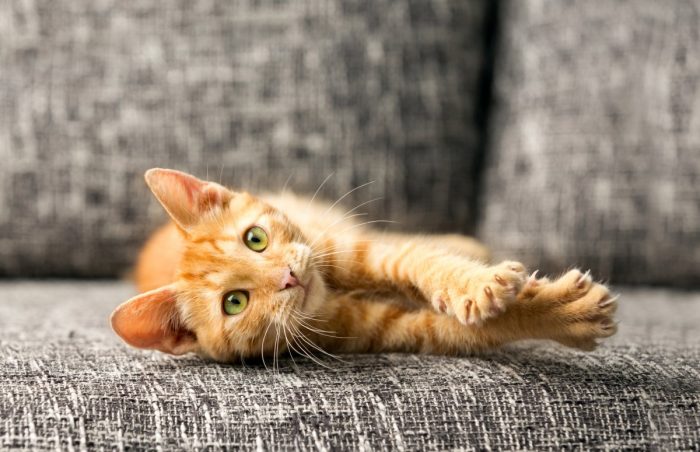
Declawing a cat is equivalent to amputating part of the bone.
Trimming your cat's claws to prevent them from scratching surfaces in your apartment is the same as amputating a part of the bone.Thus, the cat's daily life will be significantly complicated.
Declawing is simply inhumane, and is even officially banned in some countries. Besides, there are alternatives. If you need to prevent your cat from scratching your furniture, simply take them for walks.
Sterilization
Some believe this is an obvious way to "domesticate" an animal. Aggression doesn't always indicate a cat is seeking dominance. Around the world, sterilization isn't considered a bad thing, as the number of unfortunate homeless animals is truly staggering. But before taking this step, be sure to consult a veterinarian.
Correct and effective methods
Specific methods are listed below. You can use the most optimal one or even combine them.
Say no and stand your ground

You can punish a cat with intonation.
Cats understand the intonation of speech very well, especially if you make it harsh, make your voice rough, and generally show your displeasure in every possible way.There's no need to shout or scream at this point—it will simply frighten your pet and make him rebel.
You can also grab the cat by the scruff. This works when you've caught the animal red-handed. Grasp it precisely in the area of the neck where it won't hurt and gently lower it. Speak softly and quietly as you do so.
Ignoring

When planning a punishment, remember that cats cannot live without the attention of their owners.
Cats love attention, and sometimes they act out just to get it. If you don't play with your cat enough or don't buy them toys, they'll seek at least negative attention. If this is all fine and your cat still "rebels," don't give in to their attempts to win your affection, as this will only backfire on all your efforts to train them.
Take the animal to another room
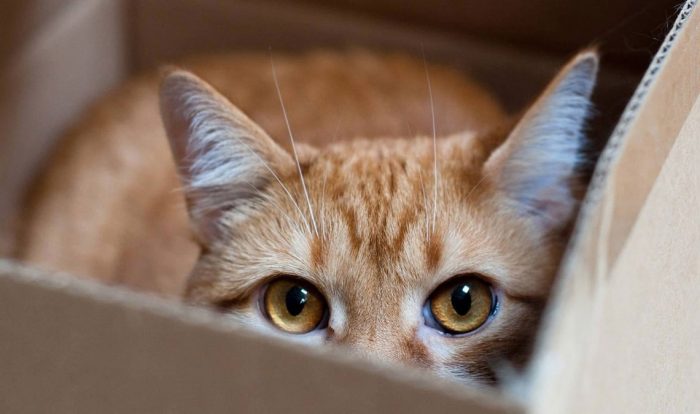
Cats hate being alone, even when there is a box in the room.
It's very similar to punishing naughty children. Remember that cats don't like to be alone, so giving them free space will be a good punishment for them.
The point is that you remove the cat from the crime scene, so to speak.
Set up "traps"

Double-sided tape will tame your furry hooligan's ardor.
If you translate the phrase "pathetic coward" into English, you'd get "frightened cat." But let's get back to the topic and remember that using safe traps to train your pet to stop doing something you don't like is perfectly acceptable.
For example, place double-sided tape on countertops, foil, or empty bottles.
Use devices
What happens when you leave for work and your cat is left alone? While you can't control your cat yourself, your electronic assistants can. A good example is a water sprinkler placed where your pet has chosen to use the litter box. You can also choose motion sensors that will repel your cat if it exhibits unwanted behavior.
How to make punishment most effective
The above methods have been proven to be safe and effective. But for the most stubborn cats, we have a few more life hacks in store. They are designed to make our methods even more effective.
Be consistent
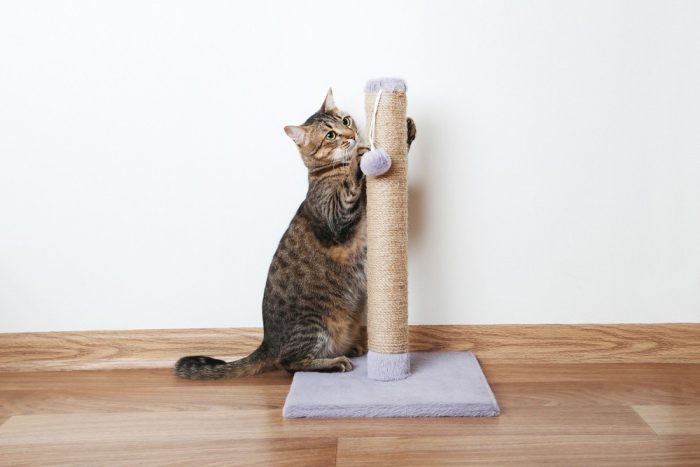
Consistency is important in punishment
You can't ignore him today for his constant attacks and then suddenly put off training tomorrow. That will just confuse the cat.
Overall, this can be the most challenging part of the entire process.
Timely discipline
Punishment should take effect immediately after the cat exhibits unacceptable behavior. If you wait 20-30 minutes or more, you're simply torturing the animal. It simply won't understand what's happening.
Reward him for his achievements

If your cat gets on the right path, don't hesitate to reward him.
If your cat starts to understand what you want—for example, if it stops scratching or ruining the rug after receiving a scolding—let it know it's on the right track. The simplest way is to give it a treat.
If he stumbles again, stop rewarding him accordingly.
Sometimes tough love is necessary to keep your pet well-behaved and healthy, but make sure you've met all your obligations to your pet.
If your cat suddenly changes behavior, don't ignore it. It's quite possible that the behavior isn't their own doing. It could be caused by factors such as reaching a certain age or illness. If you're unsure about the cause or what steps to take, consult a professional.

 Elvira
1 comment