Keeping pets shouldn't be done lightly. After all, we are responsible for the ones we've tamed. If you've brought a kitten into your home, be prepared for long and painstaking work—after all, you'll be raising a healthy and intelligent little one. And if your cat experiences health issues, your job is to do everything possible to ensure their recovery as quickly as possible. Closely monitor your pet's development, and if you notice any signs of illness, including seemingly harmless dandruff, consult a veterinarian.
Content
Dandruff is a common problem in cats.
Despite being extremely clean animals, dandruff is quite common. This can be quite natural, as cats constantly shed their skin. A small amount of dead skin flakes shouldn't cause much concern; cats easily manage this problem on their own. However, excessive dandruff formation may be a signal to visit a veterinarian, as it indicates a pathology or malfunction in the body.
When pets get into trouble, our job is to help our purrs.
What is dandruff?
First, let's understand what a cat's skin is. It consists of three layers:
- epithelial - this is the upper layer in contact with the environment;
- connective tissue dermis is the next layer, in which hair follicles, skin glands, blood vessels and nerves are located;
- the subcutaneous layer consisting of loose connective tissue that includes fat cells.
The top layer performs a protective function and therefore requires constant renewal. Dead skin particles, soaked in oil, periodically flake off in small amounts. These small, loose white flakes are dandruff. This is normal. But if the flaking process intensifies, the top layer loses its protective function. This should be a warning sign for cat owners.
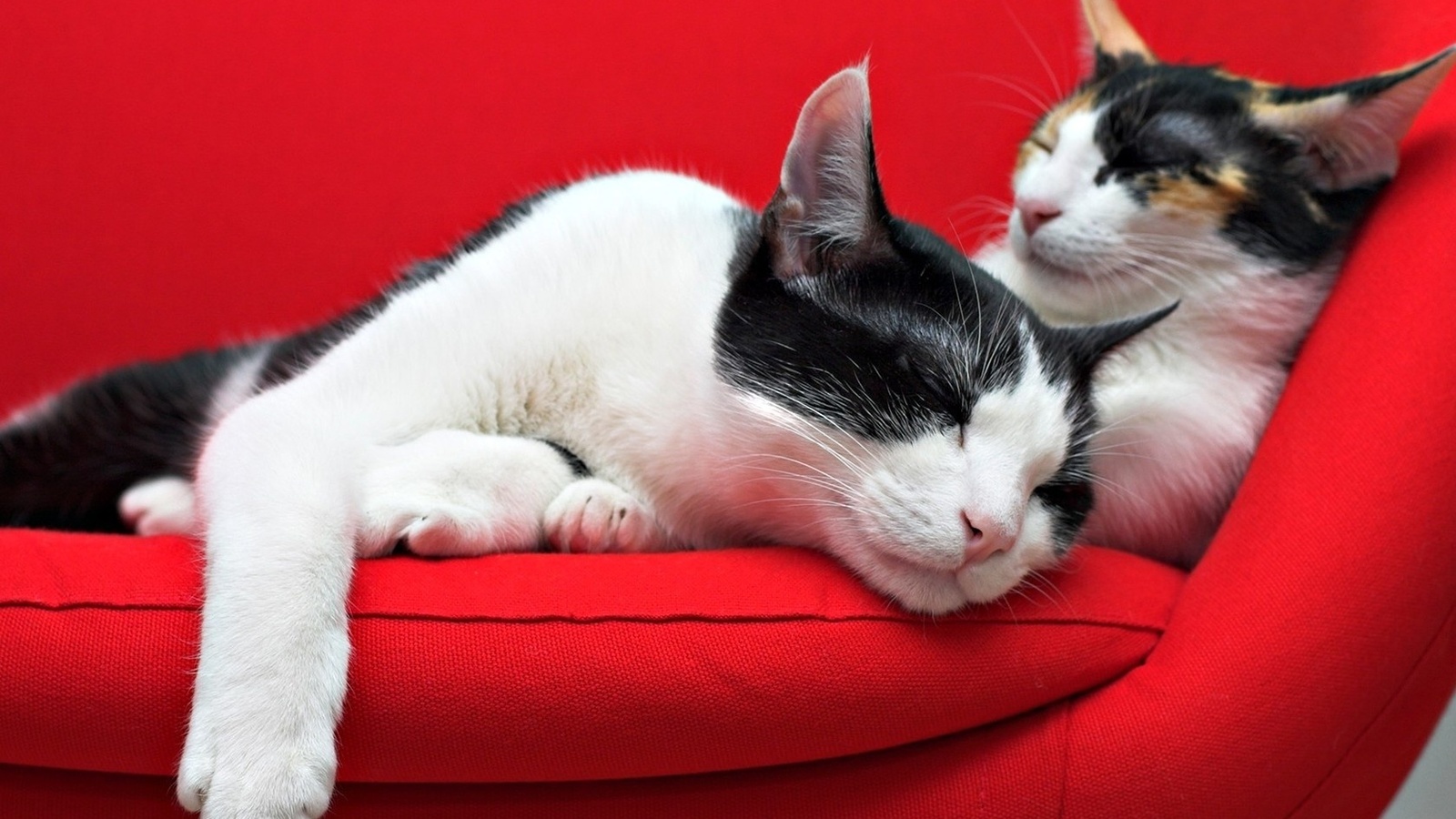
Small areas of peeling skin are a normal occurrence in a healthy cat, and a clean animal can handle this on its own.
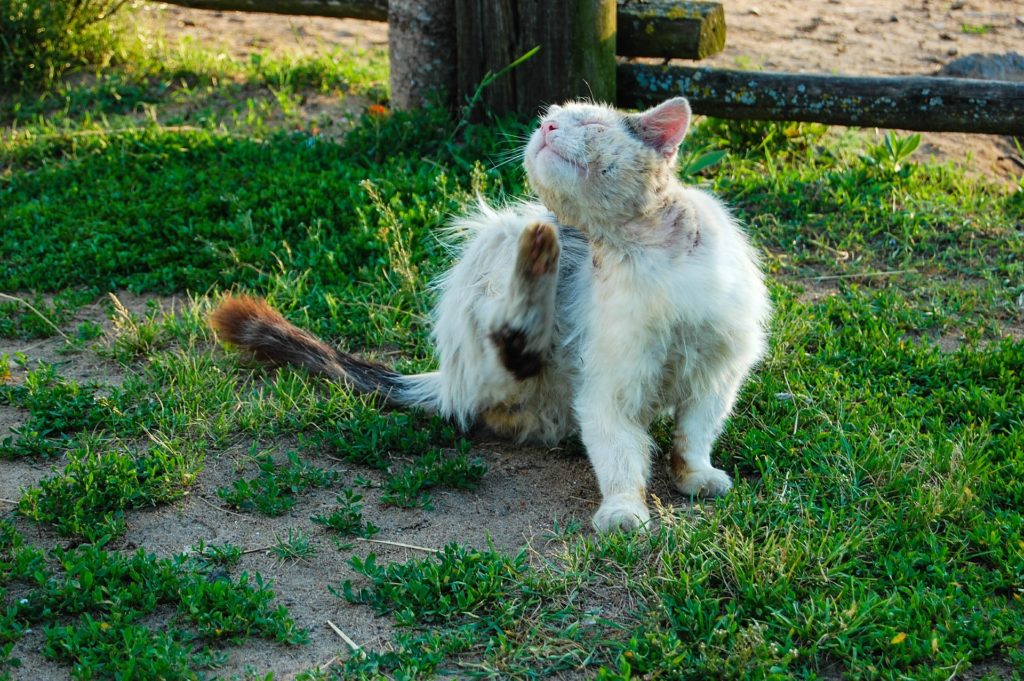
Dandruff forms all over the animal's skin, but is most often seen on the back near the tail and behind the ears. A large accumulation of dead skin flakes causes significant distress in pets. You've probably noticed how your cat will diligently and nervously lick the itchy area, sometimes even trying to scratch it for relief. Excessive exposure can even cause sores to form on the skin.
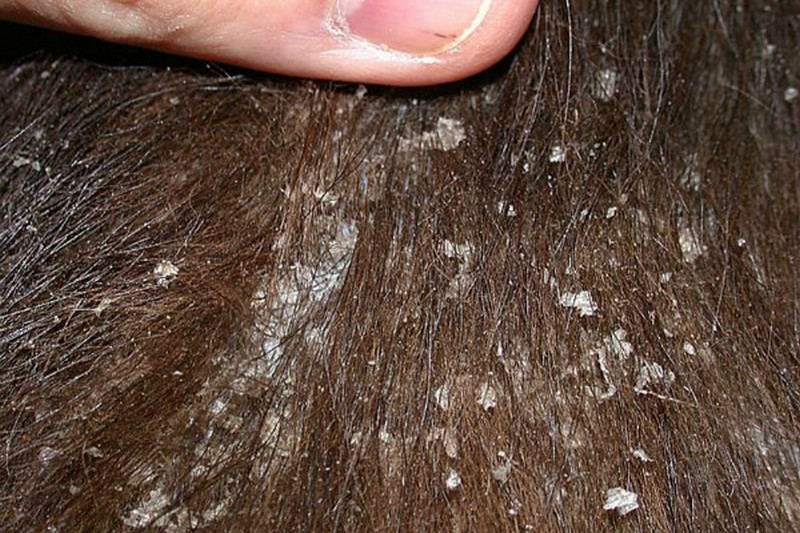
Excessive accumulation of dead scales on the skin is evidence of a malfunction in the cat's body.
Signs of a problem that has arisen
If you notice the following signs, your pet has a problem:
- on the surface of the fur a large accumulation of skin scales is noticeable, mostly large;
- the cat constantly licks the problem area;
- the coat looks untidy;
- itching causes a constant desire to scratch the affected area;
- In advanced cases, hair loss and the formation of wounds are possible.
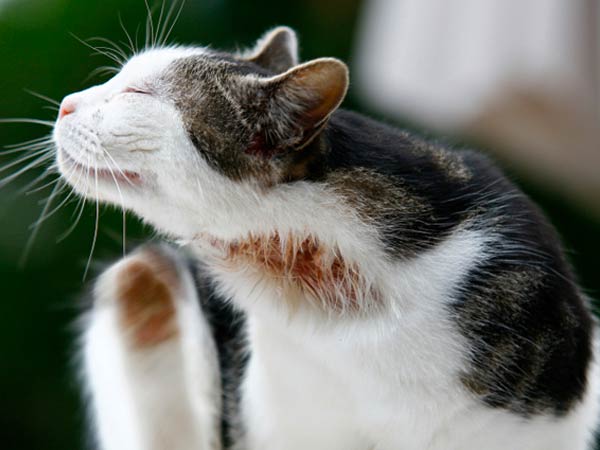
Nervous scratching can lead to the formation of wounds
Types of dandruff and its localization
Dandruff, or more correctly, seborrhea, occurs in cats regardless of age, gender, or breed. Depending on the cause, dandruff can be dry or oily and accumulate in different parts of the animal's body.
- Dry dandruff is tiny particles of epidermis that cover the cat's entire body. If you stroke your pet against the grain, the particles easily fall off and swirl around like snow. Signs of dry seborrhea include:
- insufficient function of the sebaceous glands;
- dry skin and increased flaking;
- keratinization of the epidermis.

Dry seborrhea in cats is the smallest particles of keratinized skin
- Oily dandruff is usually localized behind the ears or on the back in the tail area. If you scratch your pet in this area, a white or light beige coating will remain under the nails. The fur in these areas appears greasy and unkempt. Signs of oily seborrhea:
- increased activity of the sebaceous glands;
- dead scales accumulate under the fur in a dense layer;
- wool gets greasy very quickly.
With oily seborrhea, the coat looks very untidy.
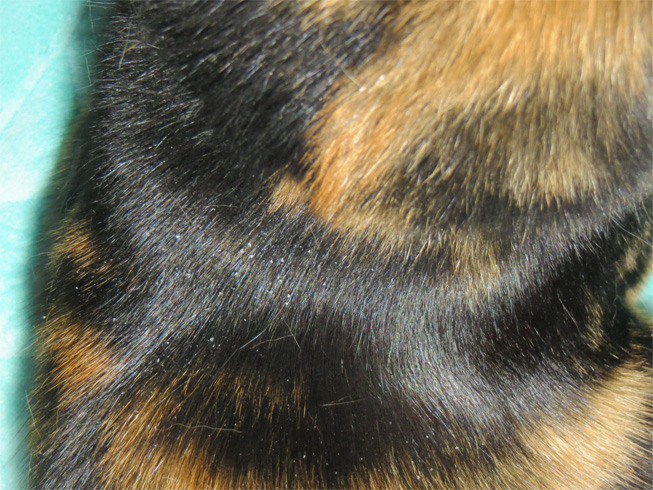
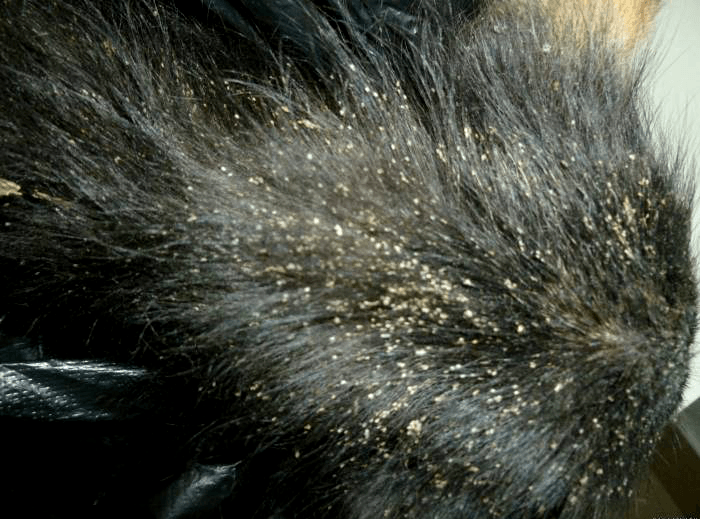
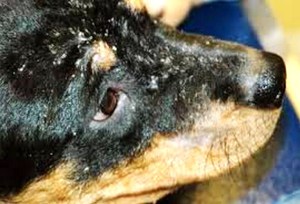
Dandruff is easiest to detect in black cats.
Causes of dandruff in cats
Dandruff can have various causes. They are usually divided into internal and external.
External causes
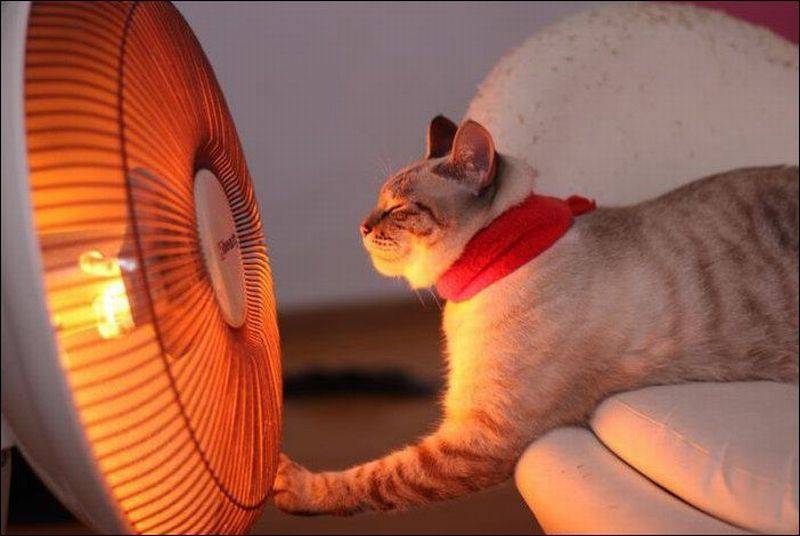
- Dry indoor air isn't just harmful to humans. In cats, it leads to dry skin, which inevitably manifests as seborrhea sicca. Temperature fluctuations have a similar negative impact. If the room gets too hot, the sebaceous glands under the skin begin to overwork, leading to seborrhea sicca.
Dry air and high room temperatures lead to dry skin.
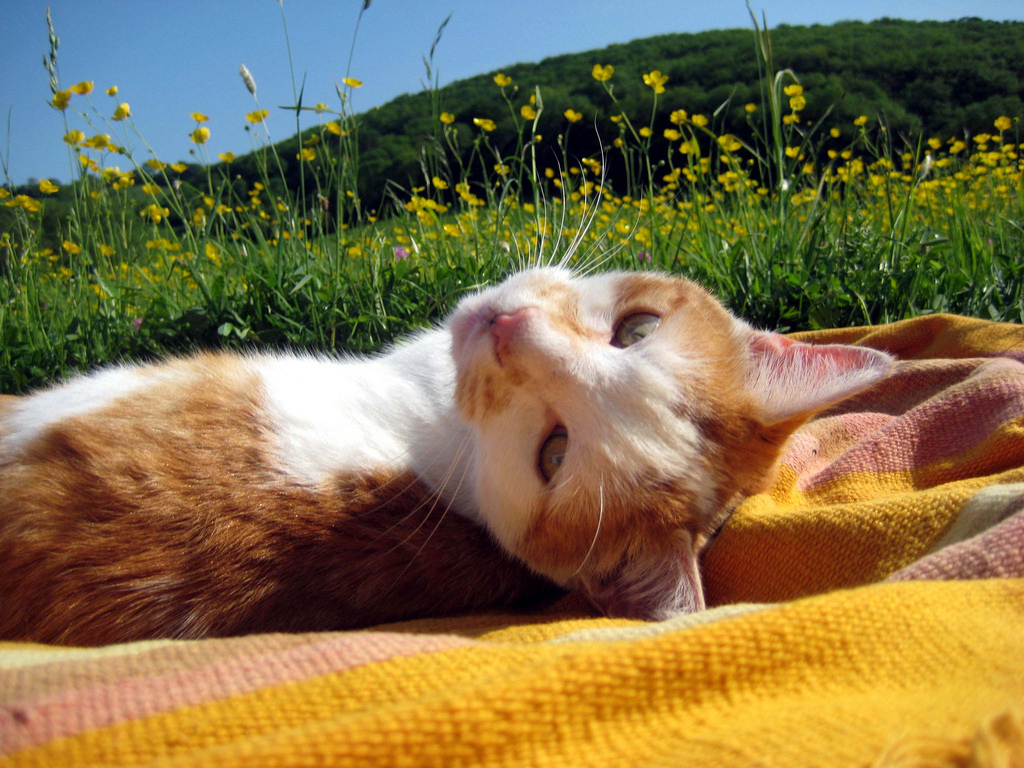
- If your cat is exposed to the sun for long periods of time, it will cause sunburn, which will cause the top layer of skin to begin to rapidly shed.
If your cat loves sunbathing, it can easily get sunburned.
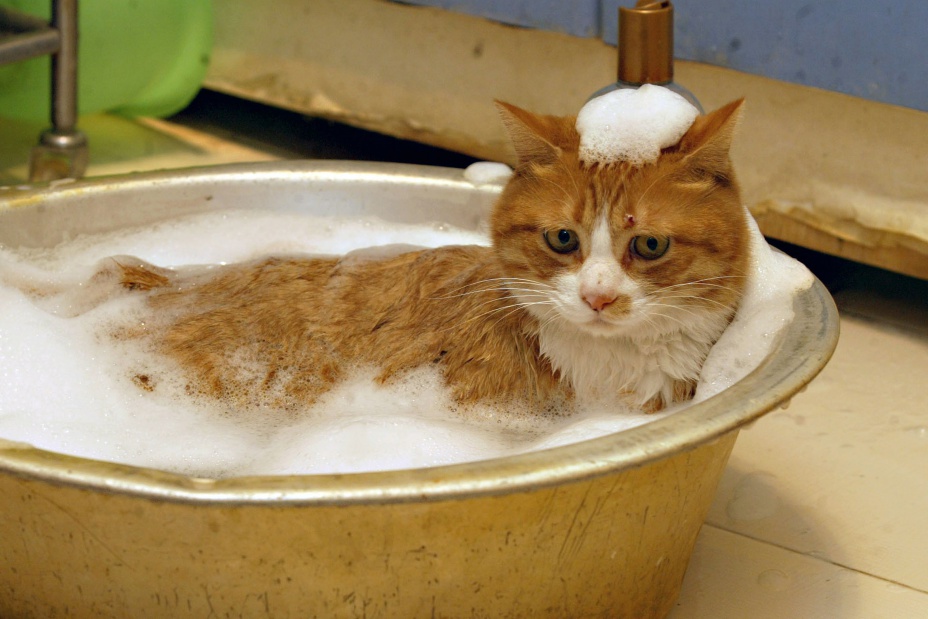
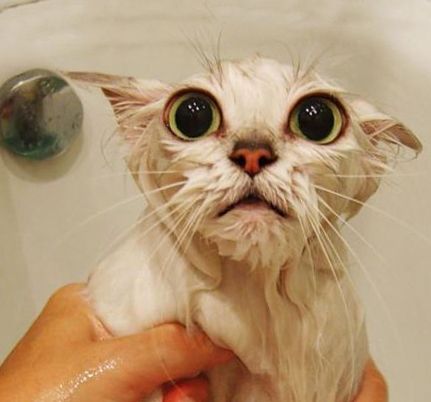
- Poor hygiene. Over-grooming is just as bad as not grooming your cat. Remember, you shouldn't bathe your cat too often. This procedure should be performed no more than once every 3-4 months. Be extremely careful when using pet care products. The wrong shampoo can cause allergies. It's best to rinse your cat with a nettle, calendula, or burdock root infusion at the end of the bath.
Too frequent bathing with the wrong shampoo is the cause of dandruff.
- Dandruff can also be caused by poor hygiene in the cat's home. Parasites, which accompany poor sanitation, disrupt the sebaceous glands. As a result, the unfortunate animal suffers not only from bites but also from the unbearable itching of irritated and reddened skin.
Unsanitary living conditions contribute to the rapid infestation of cats with insects.
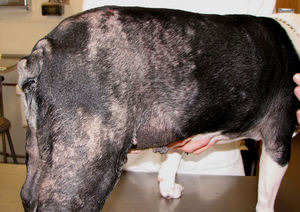
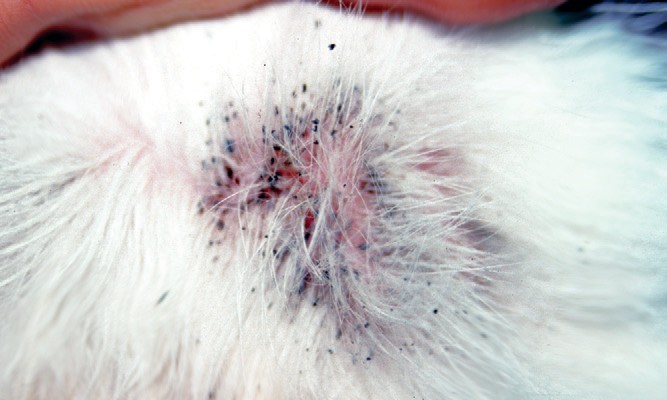
- Fungal infection. Pathogenic microorganisms cause illnesses, the most common manifestations of which are dandruff, bald patches, and sores. Signs of a fungal infection may include black, peeling skin.
Signs of a fungal infection may include black peeling skin.
Internal reasons
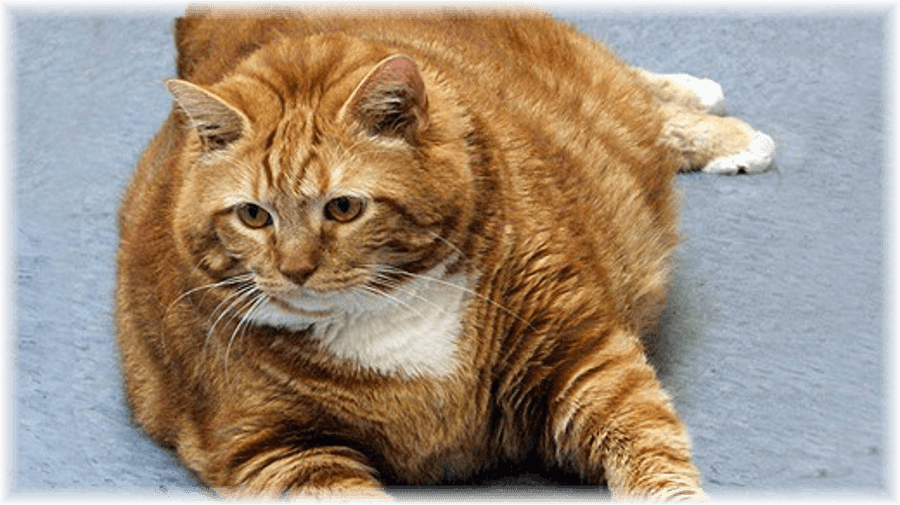
- Obesity. Loving your pet doesn't mean lavishing them with treats and sprinkling food on demand. This leads to excess weight, which means your cat will become lazy and clumsy. And such cats have a hard time grooming themselves. Without proper care, dead skin particles will accumulate in hard-to-reach places and cause discomfort.
A cat's excess weight is not a reason to be cute.
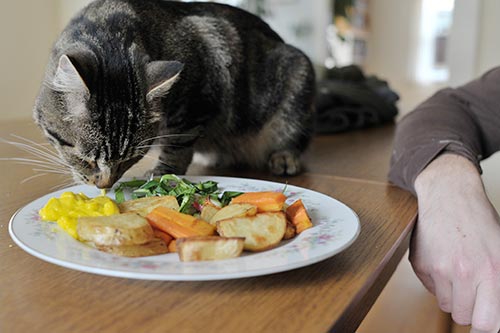
- The wrong diet often triggers an allergic reaction. Too many carbohydrates and a lack of minerals, omega-3 fatty acids, and vitamins (especially A and B vitamins), or introducing a new food into the diet, can cause skin problems.
An improper diet leads to allergies
- Diabetes mellitus. This is a very serious disease that is very difficult to detect in its early stages. As the disease progresses, the cat begins to experience intense thirst, refuses to eat, loses weight, and urinates frequently. The coat loses its shine, and dandruff appears on the skin. If left untreated, the disease often leads to the loss of the pet.
Diabetes mellitus is a dangerous disease for cats.
- Dandruff formation can be a consequence of stress, colds, or other inflammatory processes, as a result of which the cat becomes lethargic, loses its appetite, and stops grooming itself.
Stress is another possible cause of seborrhea.
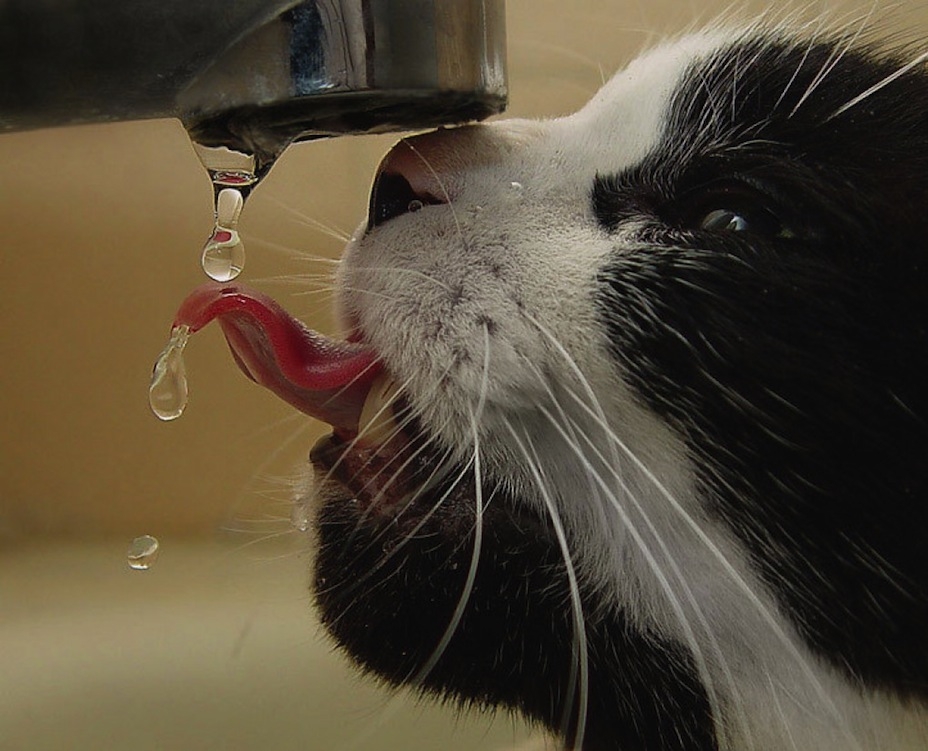
- Dehydration. Fluid makes up almost 80% of a cat's body. And despite the fact that most cute furry creatures suffer from aquaphobia, water plays a vital role in their lives. Therefore, a bowl of clean water should be kept within easy reach of your cat at all times, especially in hot weather, when their need for water increases, or if their diet consists of dry food. Dehydration can lead to dry skin and, consequently, dandruff.
Don't let your cat get into a situation where it could become dehydrated.
- Hormonal imbalance. A thyroid problem can lead to disruption of the sebaceous glands. The result is dandruff.
How to help your pet
Having identified the causes of the problem, it's time to discuss a solution. After all, a cat can't help itself; it's completely dependent on its owner. A loving owner will do everything to alleviate the pet's condition and resolve the problem.
Cat care video
Prevention
It's better to avoid a problem than to overcome it. And the best way to do this is prevention, especially when it comes to external factors that cause dandruff. You can make your beloved cat's life comfortable and safe. And it doesn't take much.
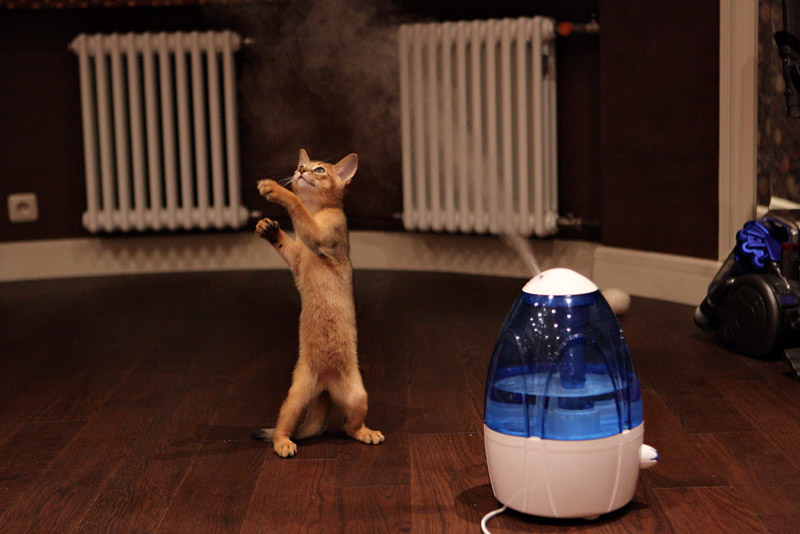
- When central heating and auxiliary heating units are on, the air in the room becomes very dry. To avoid discomfort and ease your cat's discomfort, invest in a humidifier. This will make breathing in the room much easier, prevent flaking, and keep your cat happy (and your houseplants happy, too). If you don't have a humidifier yet, you can use a simple spray bottle, periodically misting the room with clean water.
If the air in the room is dry, a humidifier will make life easier and more cheerful.
- Keep your cat's indoor environment clean. Daily wet cleaning is recommended in areas where your cat lives. In the spring, summer, and fall, you'll need to combat fleas, ticks, and lice. Veterinary pharmacies sell many non-toxic and effective anti-fungal products. If your cat goes outside, it's a good idea to occasionally disinfect the area against pathogens (these products are also available at pet pharmacies). Don't forget to regularly wash your cat's bedding, vacuum upholstered chairs and sofas, and dust behind furniture.
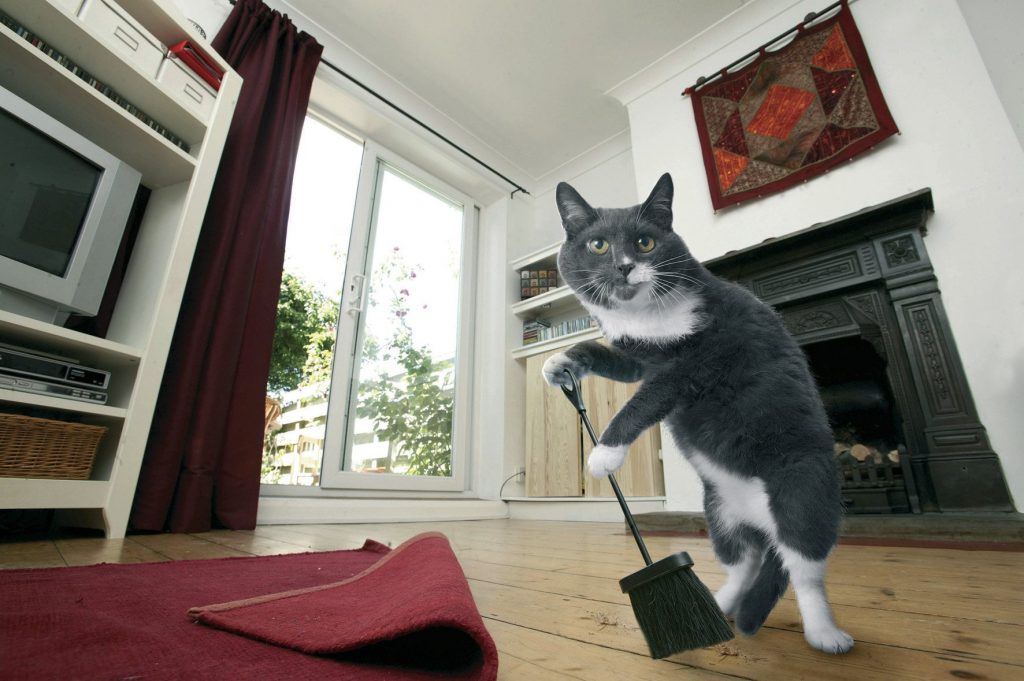
While your pet is just learning useful skills, you will have to keep an eye on the cleanliness of the home.
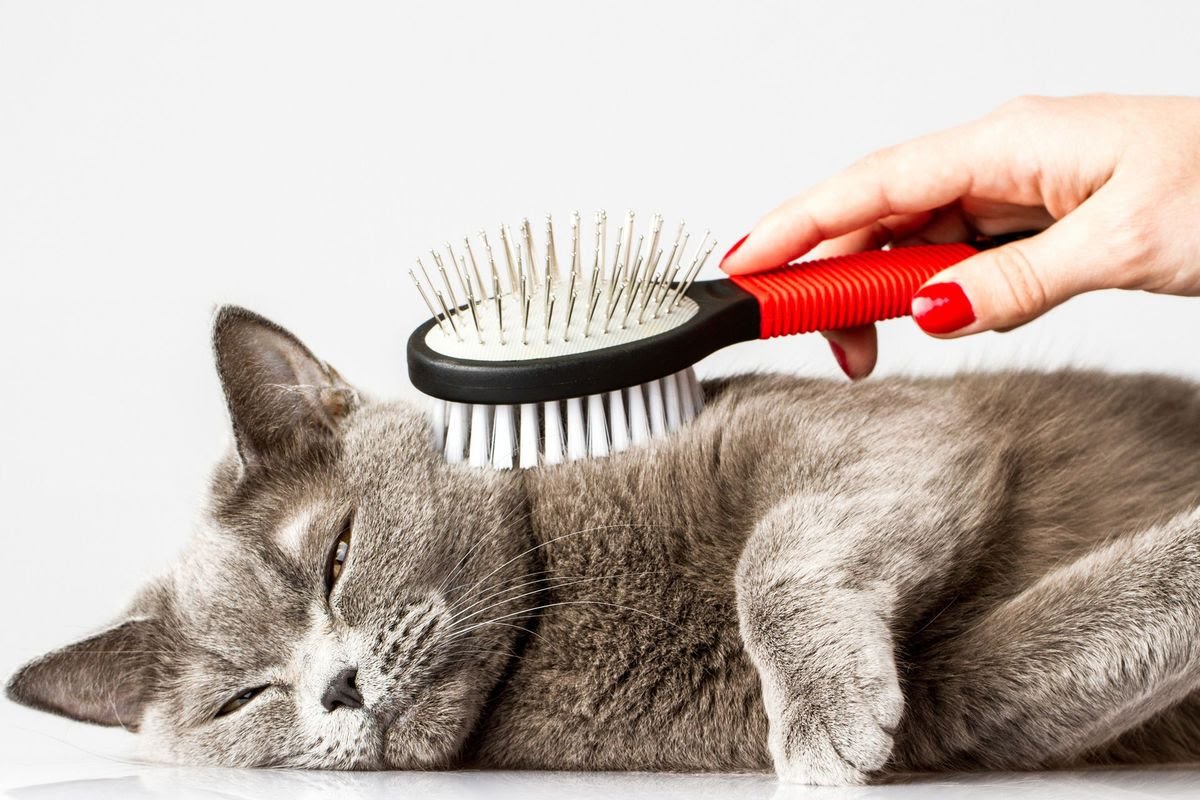
- Helping your furry friend groom their coat couldn't be easier. Brushing with a special brush (especially for long-haired breeds) will help keep their coat tidy, oxygenate it, improve blood circulation, and evenly distribute sebum. Plus, most felines enjoy this procedure.
Special brushes will help keep the coat in excellent condition.
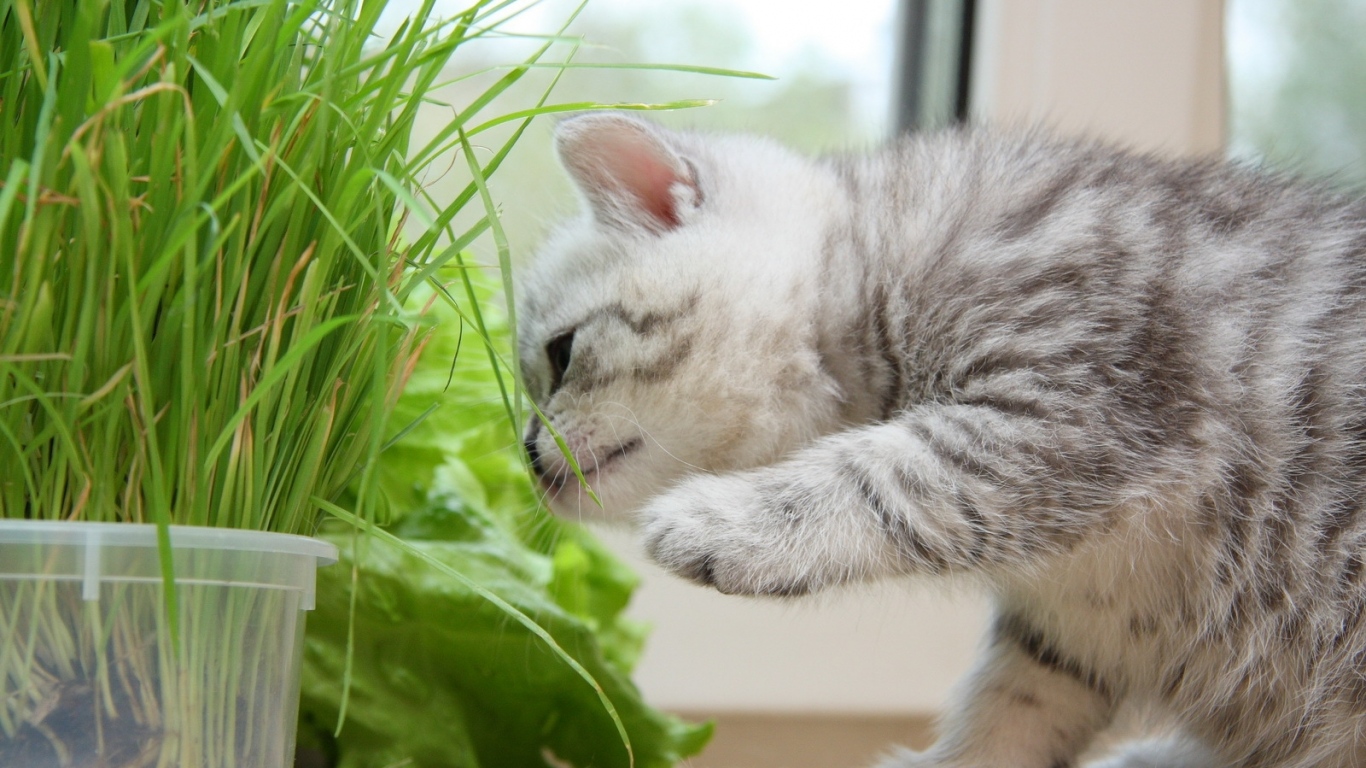
- Ensure your cat's diet is balanced, especially in winter. Remember that these adorable couch potatoes are carnivores, and their diet should provide them with natural protein. Dry food, even balanced, can cause allergies. You can purchase special vitamins to improve the condition of their fur. In winter and spring, your cat will appreciate green grass or wheat germ, which provide an additional source of vitamins.
The kitten will thank you for natural vitamins
- Bringing an overweight cat back to a healthy weight is a priority. Excess weight can not only lead to coat problems but also negatively impact overall health.
Do not self-medicate or try to treat your cat with human medications—this may make the situation worse.
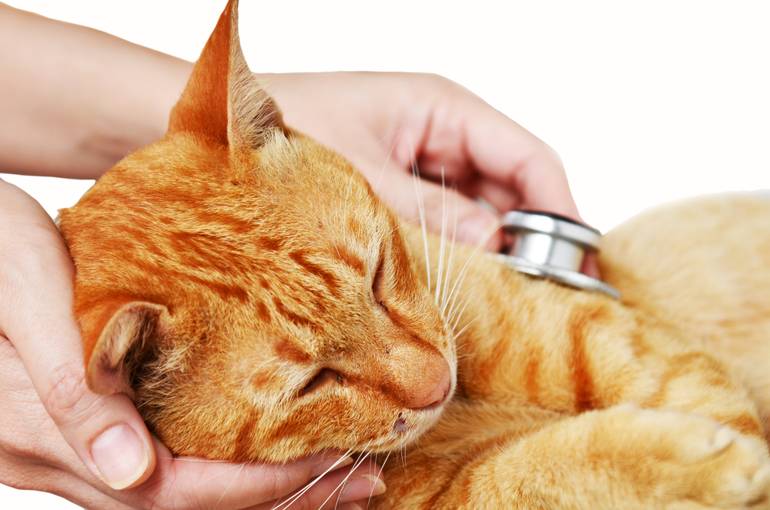
If you follow all of the above rules, but dandruff continues to bother your cat, it is best to contact a veterinarian. An experienced doctor will conduct an examination, if necessary, prescribe tests and, based on their results, prescribe medications.
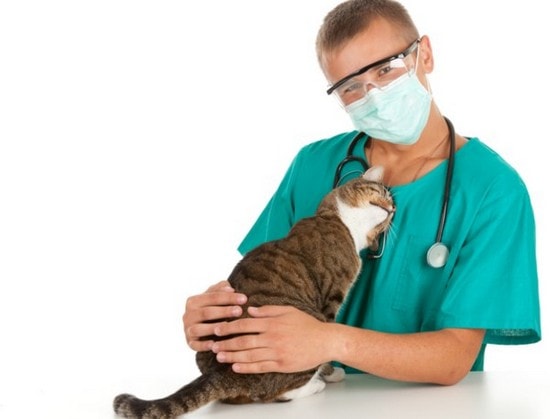
A good doctor will always help
If you notice dandruff in your cat, don't panic. Your pet may be healthy, and the cause may be external factors, which, if eliminated, will help alleviate the problem. But if the situation only worsens, it's time to visit a veterinarian. Experienced vets can diagnose and treat the problem. Your job is to administer the prescribed medications promptly and provide your pet with care and affection.