Hamsters are one of the most popular pets. A key question for any pet owner is their feeding habits. What do hamsters eat, what foods are essential, and which should never be fed—we'll explore in this article.
What can hamsters eat at home?
The best solution for a hamster is dry food, which contains everything hamsters can eat in the right proportions: micro- and macroelements, herbs, etc. This food is usually purchased at pet stores, but you can make it yourself if you prefer.

The advantages of such food are obvious:
- It is completely balanced.
- It has a long shelf life.
- It is easy to dose portions.
The only downside is the price. But if money isn't a concern, dry food is the best option.
Please note that food for other rodents is not suitable for hamsters—at worst, it can cause gastrointestinal problems. Well-known manufacturers of food include "Khomka," "Chika," and "Zveryushki." Before purchasing, read the instructions, check the ingredients, and ensure that the food is suitable for your specific hamster species.
Next, let's look at what else you can give hamsters:
- Nuts, grains, seeds
These products are as close as possible to the diet of a hamster in its natural environment.
Here's what you can offer your pet:
- cereals - oats, wheat, barley;
- nuts - peanuts, walnuts, hazelnuts, and pine nuts;
- sunflower, melon or pumpkin seeds (use with caution as these are fatty foods for hamsters);
- legumes - such as lentils;
- corn (except for the Campbell breed - corn is contraindicated for them).
Please note that the nuts should be unroasted and unsalted.
- Green
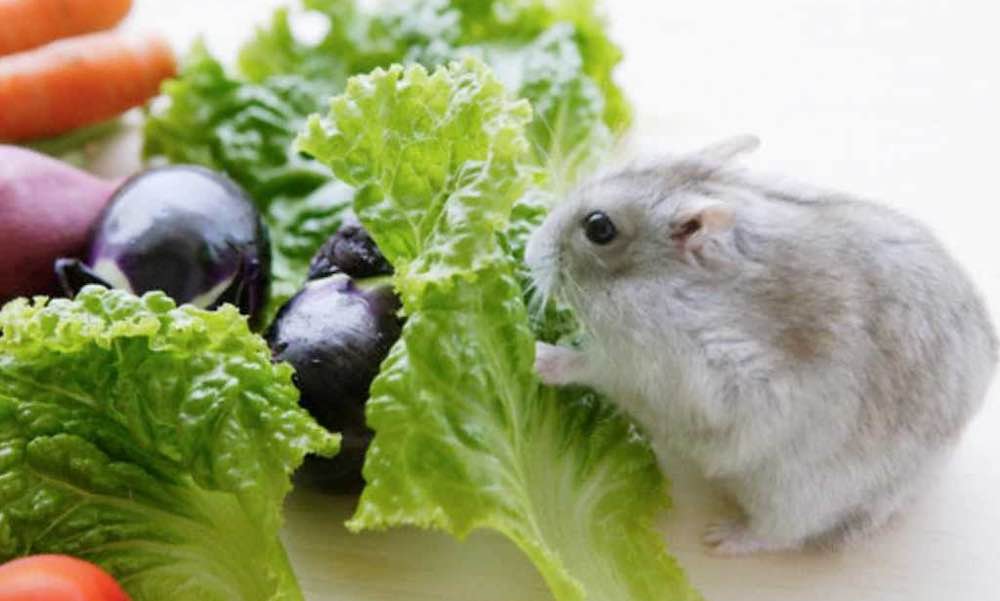
It is highly advisable to regularly (ideally every day) include greens in your diet: parsley, dill, lettuce leaves, as well as oat or wheat sprouts.
You can also feed hamsters dandelion, nettle, and knotweed. However, these herbs should be collected away from roads and thoroughly washed and dried before use.
- Vegetables
Fresh vegetables are essential, even if you buy commercially prepared food from a pet store. Try to include them in your hamster's diet at least when they're in season. Ideally, feed vegetables 2-3 times a week.
Hamsters can eat zucchini and eggplant, cucumbers and tomatoes, broccoli, bell peppers and pumpkin, beets and carrots, cauliflower, and celery.
- Fruits and berries
Fruits are a valuable source of vitamins. Hamsters can eat fruits from any fruit tree—for example, yellow and green apples, as well as pears and plums.
As for berries, they can be given in moderation, choosing berries with minimal sugar content and removing large seeds.
You can give your pet:
- a small amount of cherries or sour cherries;
- blueberries;
- currants;
- gooseberry;
- strawberries and wild strawberries.
Hamsters love dried fruit: you can offer it occasionally, as a reward or treat. Dried apricots, raisins, prunes, and dried apples are all good choices. However, don't overdo it: dried fruit contains too much sugar.
- Protein foods
Your pet needs animal protein 2-3 times a week.
This could be:
- egg white;
- insects from a pet store;
- boiled chicken without fat;
- low-fat varieties of boiled fish.
Dairy products are not contraindicated, but there is no real need to include them in the diet. Milk should only be given under veterinary supervision.
Read also about Features of keeping and caring for hamsters.
What you shouldn't and shouldn't feed hamsters
Now let's look at which foods are contraindicated for hamsters:
Of the nuts, almonds and Brazil nuts are recommended. The former can cause poisoning, while the latter are simply too heavy for a hamster's body.
Fruit pits contain hydrocyanic acid and toxins, so they are also contraindicated for hamsters.
You also shouldn't give your pets regular street grass, basil, mint, sorrel, or any kind of spicy herbs.
Of the vegetables, all types of canned food are prohibited (salt and spices are contraindicated for hamsters), as well as potatoes due to their high starch content and white cabbage - at best, it will lead to gas formation, at worst, to serious gastrointestinal problems.
Keep in mind that hamsters are hoarders. If you give them a lot of fresh vegetables, they'll drag them back to their burrow, where they'll soon disappear.
You also cannot give these pets seafood, sausages, or salami.
While hamsters can eat some fruits and berries, avoid exotic fruits that grow far from their natural habitat, such as:
- kiwi;
- oranges and other citrus fruits;
- avocado;
- pineapples.
They are also advised against melons, bananas, and other fruits high in sugar. This is because hamsters suffer from diabetes (dwarf hamsters are especially susceptible).
Avoid table foods, except for the items listed in the previous section. Pets should not eat all types of sweets, bread, spices, or fried or fatty foods.
Read also pro Djungarian hamsters.
What do hamsters eat: tips and tricks
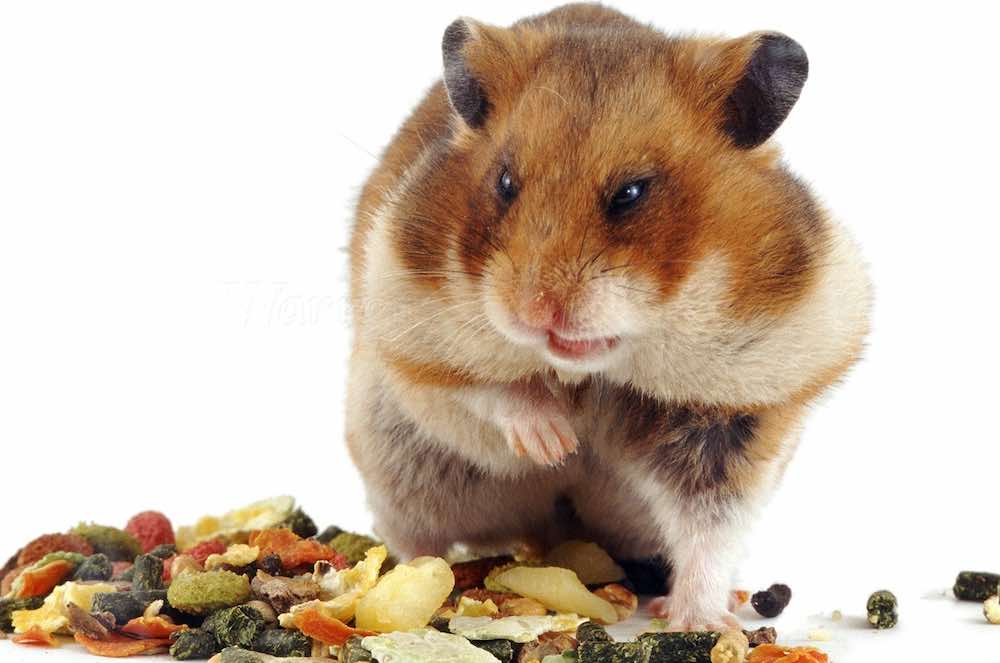
When a hamster stuffs its cheeks, it looks very cute. But these pets are prone to overeating, obesity, and diabetes, which shorten their lives. Therefore, it's important not only to know what hamsters eat, but also to measure out portions and avoid overfeeding.
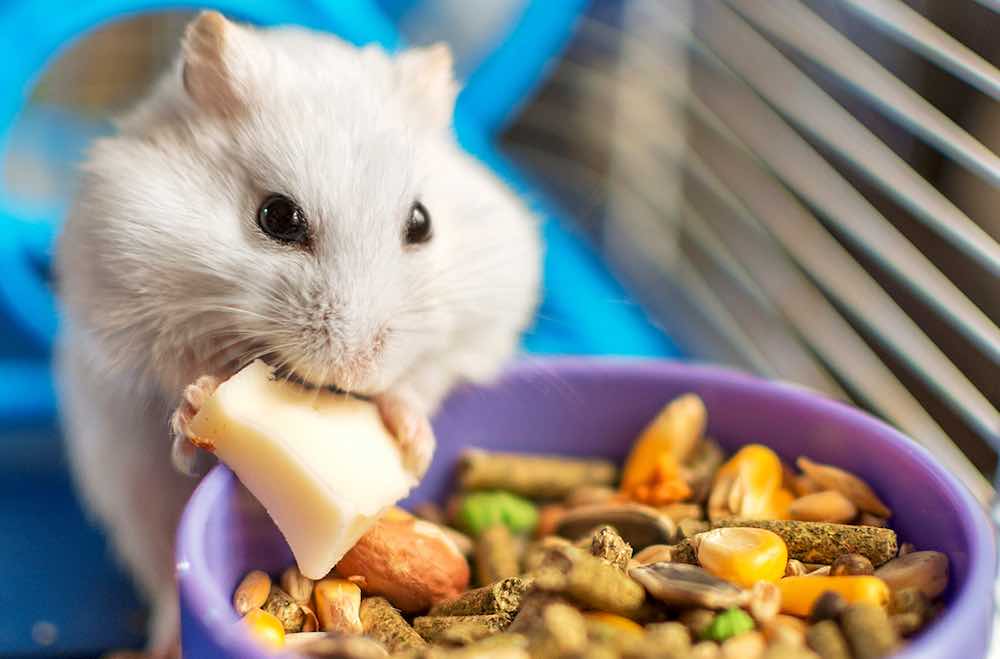
Serving size depends on your pet's size and breed, as well as its health and activity level. A general guideline is: if you buy ready-made formulas, the daily food intake should be 65% of the animal's body weight (for a 100-gram hamster, 65 grams of food).
It's also important to keep in mind that this is a nocturnal animal. Its main meal should be in the evening. You can limit it to one feeding or divide the meal into two: give the larger portion in the evening and the smaller portion in the morning.
A hamster's diet should be adjusted depending on the season. Like other animals, it will lack vitamins in winter, so try to feed it more fruit (frozen, dried—these can be prepared in advance). Another option is vitamin supplements from pet stores.
Hamsters' favorite treats are nuts, seeds, carrots, fruits, dried fruits, apples and pears, banana chips, cereal sticks, and lettuce leaves.
As you can see, feeding a hamster isn't difficult; you can use ready-made formulas or create a complete diet yourself. The basis of the diet is grains—wheat, oats, millet, corn, and buckwheat. To these foods, you should add nuts, pumpkin seeds, as well as fruits, vegetables, greens, and animal proteins (2-3 times a week).
Vitamin and mineral supplements. Hamsters should be fed no more than twice a day, with their main meal occurring in the evening.
The main thing is to avoid prohibited foods that can cause digestive problems, diabetes, obesity, or poisoning. Remember that overeating is harmful to these pets; hamsters also tend to hoard excess food, which can cause it to spoil.
A properly formulated diet is the key to ensuring your pet lives a long and fulfilling life and brings joy to its owner.
Read also: description of hamster breeds.