 If you're thinking about getting a pet, consider a hamster. These small, furry creatures with attentive, beady eyes are a joy to play with, especially for children. Hamsters are easy to care for, unpretentious when it comes to food, and their cage won't take up much space in the house.
There are many different breeds of hamsters. Let's look at the most well-known and popular among pet lovers. You can identify a hamster's species by its appearance, including fur color, body size, ear and eye shape, and so on. This article describes each species and includes photographs.
It turns out that the breeds of these small rodents differ in their behavior and character traitsSome are easily tamed, while others avoid human contact. Some hamster breeds prefer solitary life, while others live in groups. Below, we'll discuss each breed individually, with its name and photo.
Syrian hamster
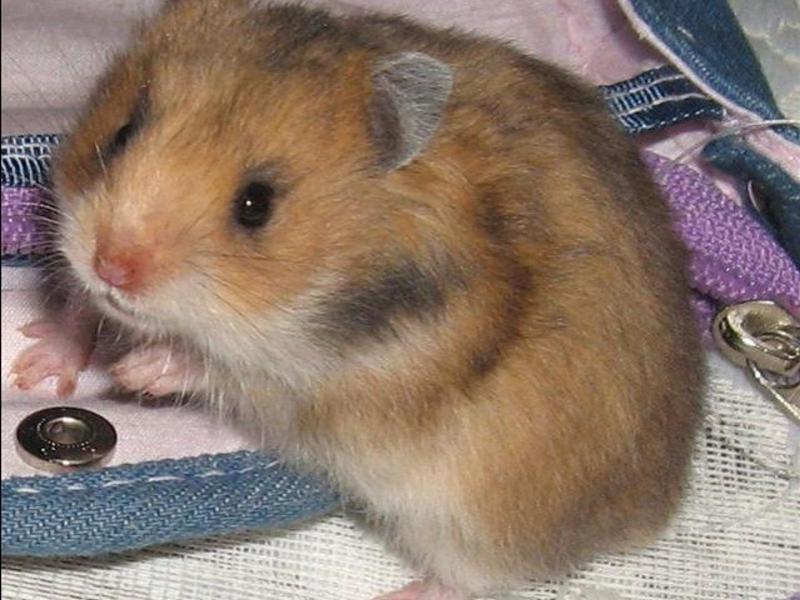
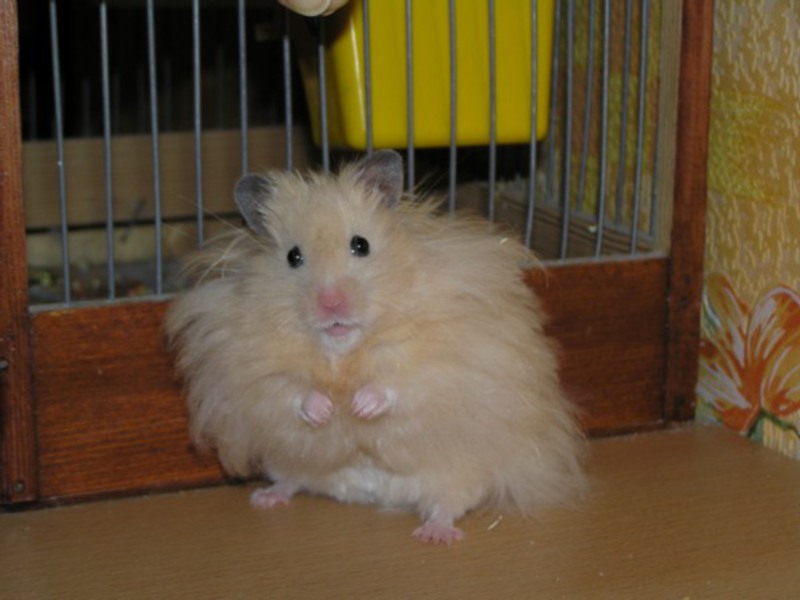
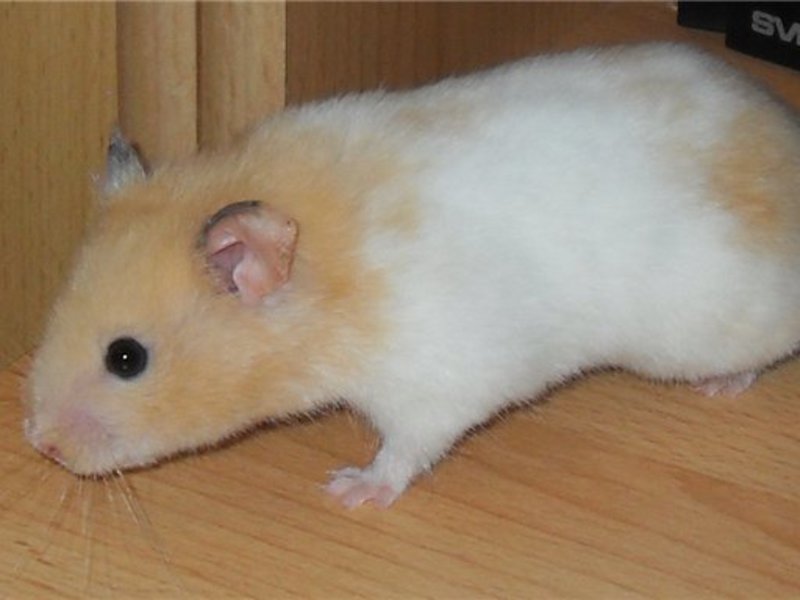
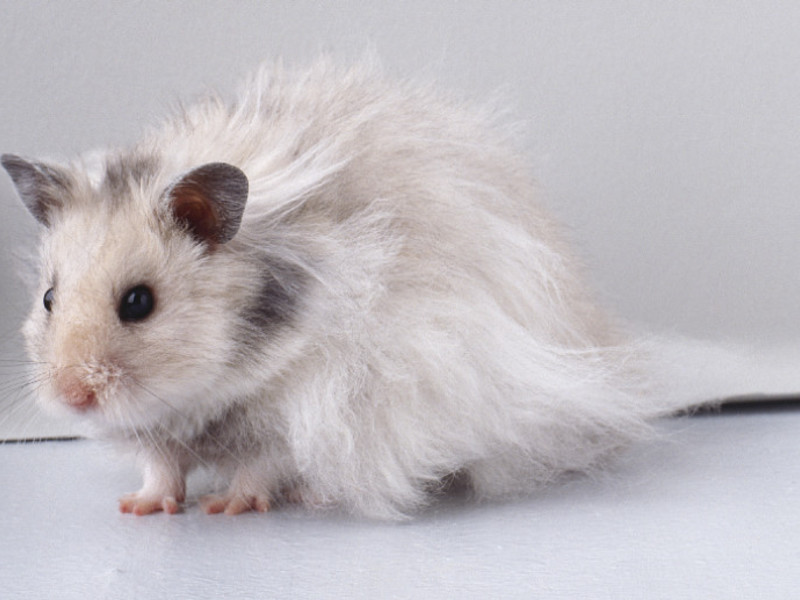
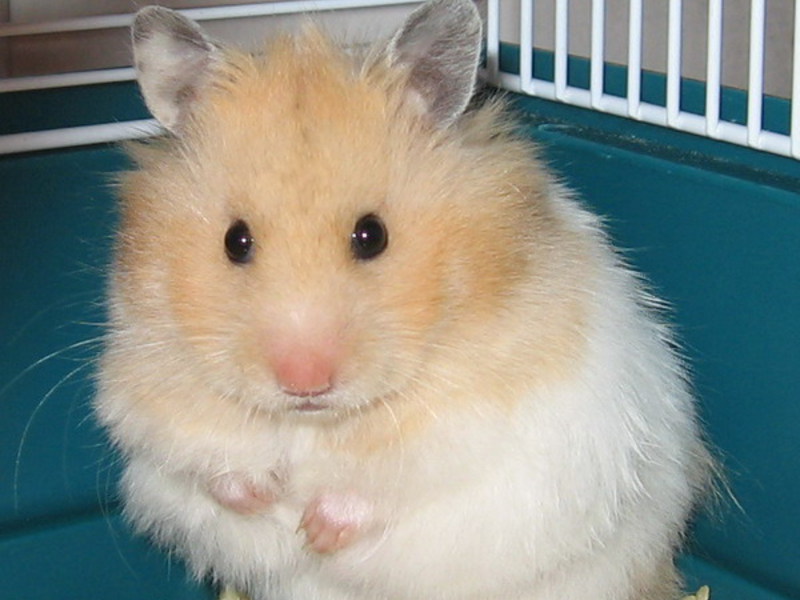
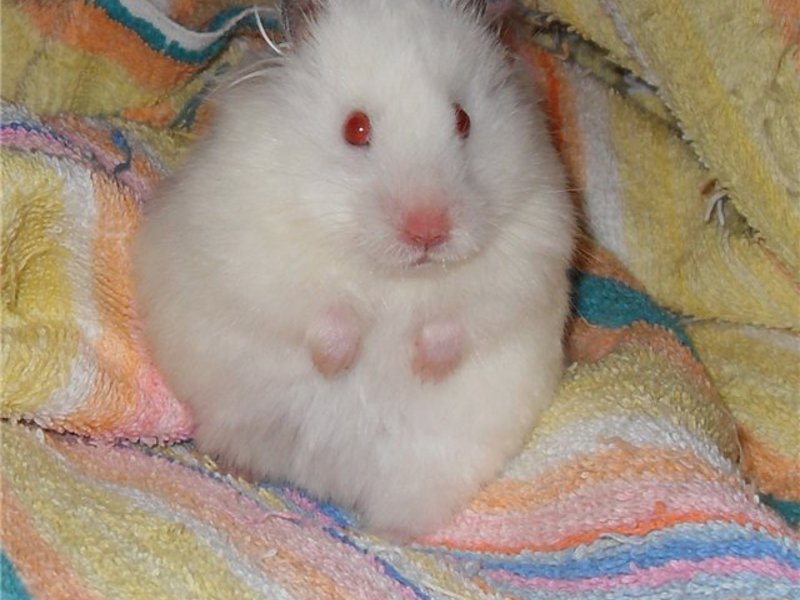
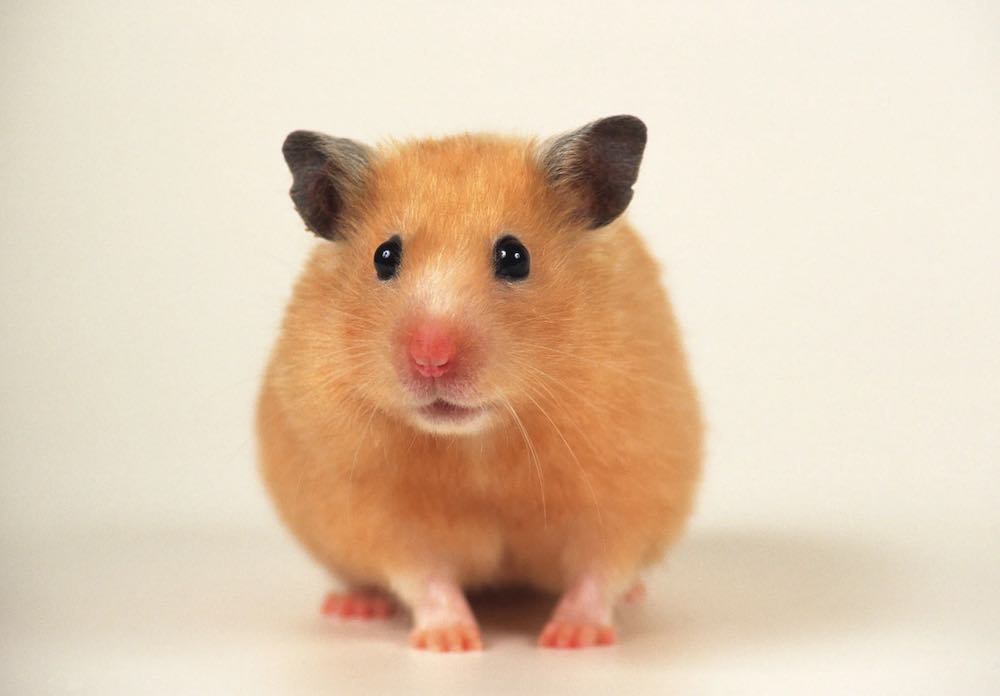
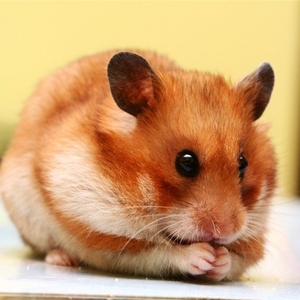
These hamsters are also called golden because of the characteristic color of their fur. fairly large hamstersTheir body length can reach 13-19 cm, and they weigh approximately 100-200 grams. They have a small, short muzzle, black eyes, gray ears, a small tail, and an ivory-colored belly. Syrian hamsters come in long-haired and short-haired varieties.
In addition to four toes, the Syrian hamster has a vestigial fifth toe on its front paws, allowing it to hold treats. Its hind paws also have five toes, allowing it to hold its body up by clinging to the cage bars. All this makes observing this animal even more fascinating. It loves to run—it can cover up to 7 km in a single night.
The most common coat color is golden, but there are also individuals with cream and sand-colored fur.
This type of hamsters is great suitable for home keepingGolden hamsters are very active and playful, and they enjoy interacting with and playing with their owners. They are clean creatures and appreciate a tidy and clean home. If provided with good nutrition and care, a Syrian hamster will delight its owners with its health—this breed is less susceptible to various infections.
By nature, these are solitary animals: they only meet with a female during the breeding season. Therefore, Syrian hamsters should be housed in a separate cage.
Conditions of detention:
- cage size 40*60 cm;
- the cage must have a running wheel with a diameter of at least 18 cm and a solid running surface;
- single occupancy.
The life expectancy of these animals in captivity is 2-3 years.
Djungarian hamster
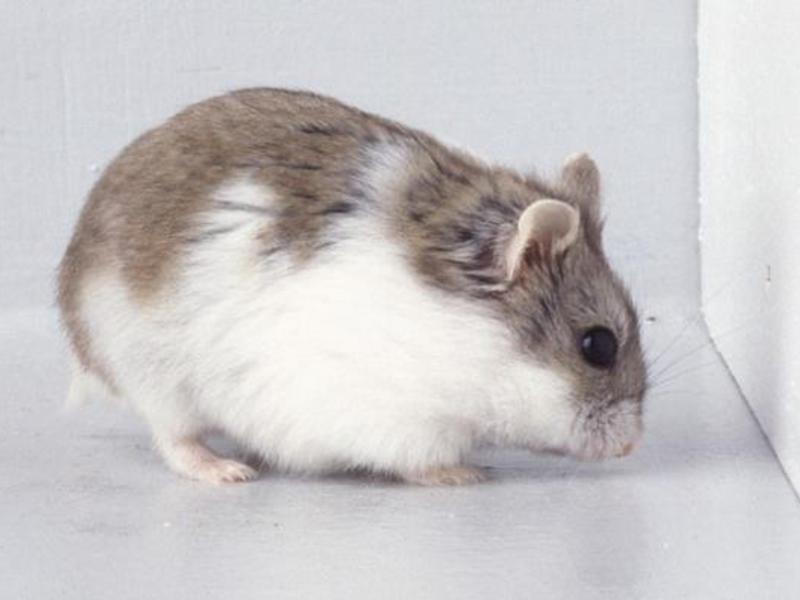
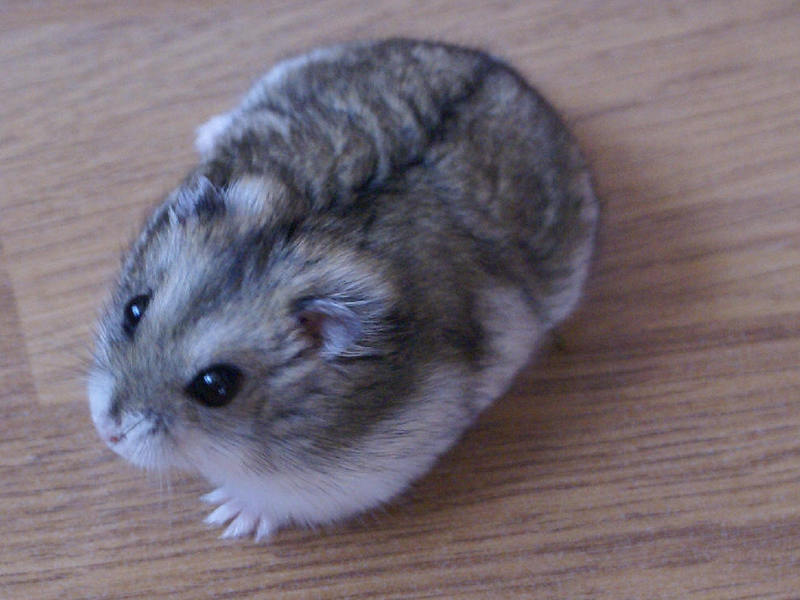
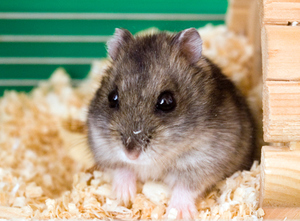
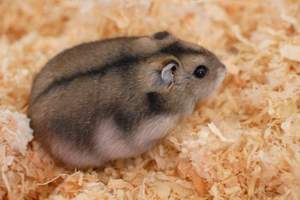 Djungarian hamsters are a type of dwarf hamster. Their body length is only 9-10 cm, and they weigh about 50 grams. The Djungarian hamster's fur is fluffy and gray, with a distinctive dark stripe along the spine. Its forehead has a distinct a black diamond is visibleIn winter, the coat may change to a silvery-gray color, although this rarely happens in captivity. The soles of the paws have hair.
The most common color is gray, less common is dark brown.
Interestingly, these hamsters' grasping style is similar to that of humans: they hold the treat with both hands. By nature, they are affectionate, sociable, and peaceful creatures. They readily accept handling and enjoy sleeping on their owner's lap. Djungarian hamsters rarely bite, for example, if a person's hands smell delicious or when a female is guarding her young. Therefore, these pets often live in apartments and can be adopted even by families with small children.
It's not advisable to house adult hamsters together, as this can lead to territorial fights and frequent pregnancies in the female. Hamsters of this breed are clean and have virtually no odor.
Conditions of detention:
- a cage measuring 30*50 cm, with closely spaced bars;
- the cage should have a wheel with a solid running surface - a diameter of 13-17 cm will be sufficient;
- single occupancy.
In captivity, with good care, Djungarian hamsters live on average 3 years.
Campbell's hamster
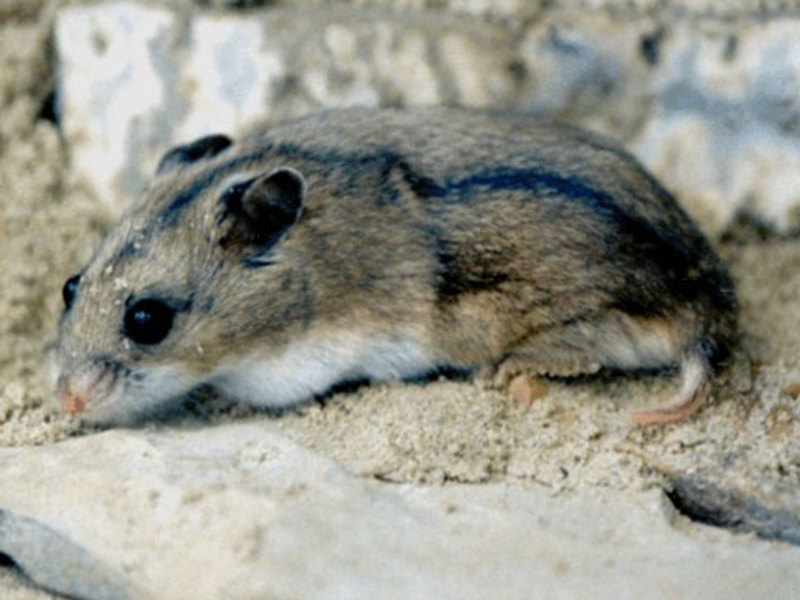
 Also like the Djungarian, Campbell's hamsters belong to dwarf hamstersThey are very similar in appearance to Djungarian hamsters—the same size—but their fur is golden-brown, less gray, and the stripe on their back and the diamond pattern on their forehead are less pronounced. Unlike Djungarian hamsters, they do not change color with the seasons and have no hair on the soles of their feet.
Campbell's hamsters also differ in personality from the previous breed. They are practically untamable and prefer solitude. Furthermore, these little creatures are quite nippy. Therefore, they are best kept with older children who can observe their behavior.
Life expectancy – on average 2 yearsCare and maintenance for Campbell's hamsters are the same as for Djungarian hamsters. Keeping several rodents in the same cage can lead to fights.
Roborovski's hamster
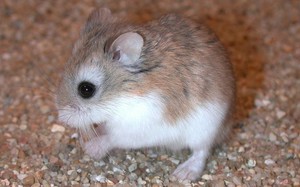
These are the smallest of the domestic hamsters, measuring only 4-5 cm in length. As a dwarf hamster breed, they resemble Djungarian and Campbell's hamsters in appearance. However, they lack a stripe on their backs, and their legs are slightly longer. These hamsters have a pinkish-fawn top, a white belly and paws, and thick down on their paws. This breed can also be distinguished from others by its eyebrows. small white spots above the eyes.
They are social animals, living in pairs or entire families. Roborovski hamsters are independent, very fast, and agile creatures. Catching one can sometimes be difficult, and they won't sit in your arms for long. But this makes them even more amusing and entertaining.
Conditions of detention:
- cages measuring 30*50 cm, with closely spaced bars;
- the cage should be equipped with a wheel and a treadmill for daily jogging;
- Cohabitation is recommended.
On average, these miniature animals live 2-3 years, sometimes longer.
Common hamster
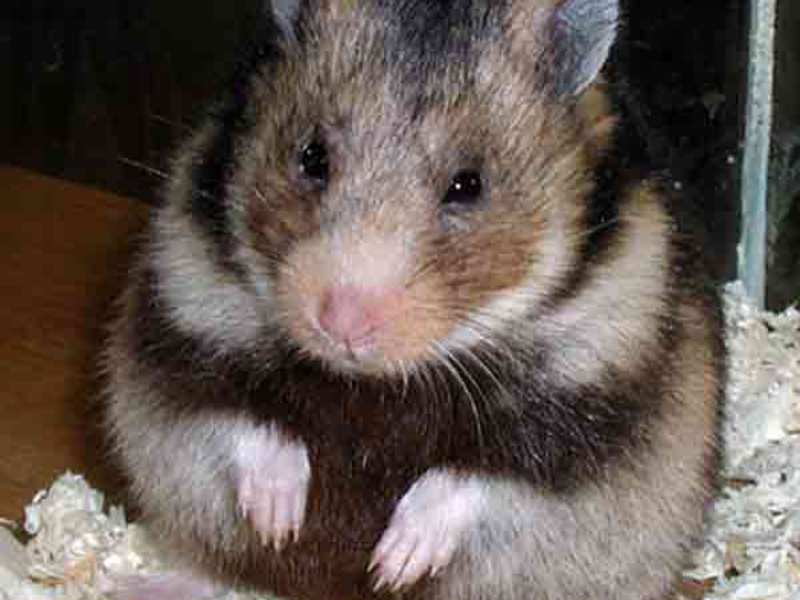
 The largest hamster species. An adult male can reach 30 cm in length. Its tail is long, up to 5 cm, thinning toward the tip. Its fur is vibrantly colored, with a reddish-brown back and a black belly, along with white spots on the sides. Occasionally, completely black specimens are found. Its muzzle is medium-sized, and its ears are small and covered with dark fur. The cheek pouches are roomy, they can hold a lot of supplies.
Due to its large size, this species of hamster rarely becomes an inhabitant of houses and apartments as a pet.
To conclude this brief introduction to hamster species and breeds, one more piece of advice: remember that hamsters are nocturnal animals. They are active at night and sleep during the day.