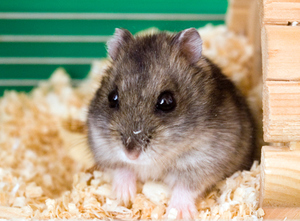
 One of the smallest pets is the Djungarian hamster. These small and cute creatures are unique in that they can live both indoors and outdoors. They adapt well to both summer and winter. Djungarian hamsters are peaceful and harmless, but can sometimes display a fiery temperament and even be aggressive. These adorable hamsters require careful attention and are very popular among pet lovers.
Content
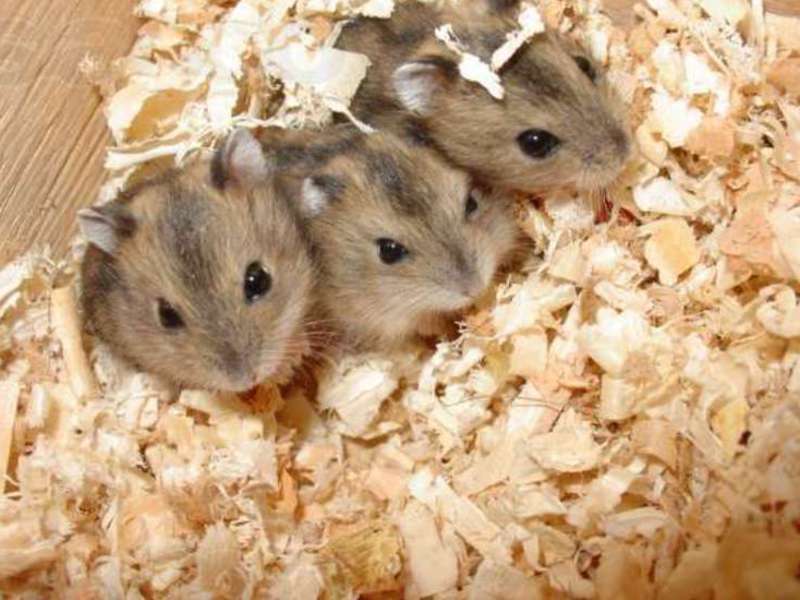
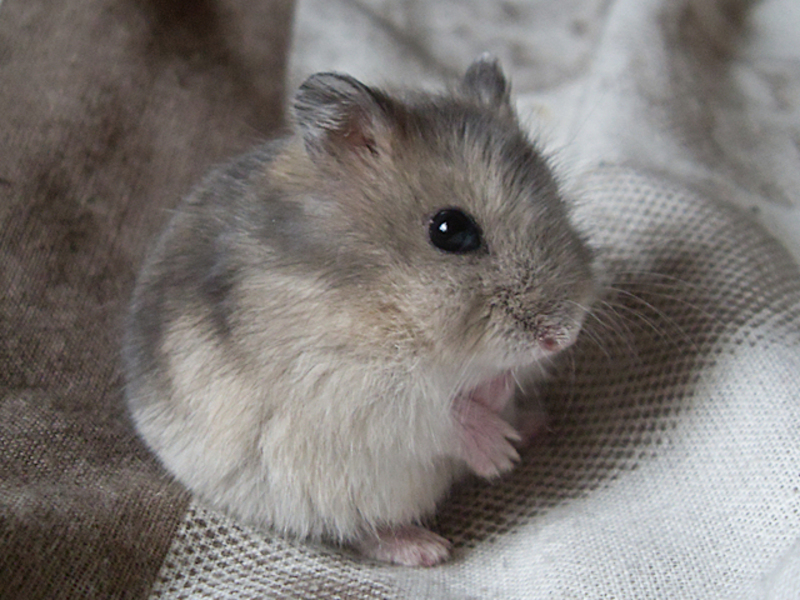
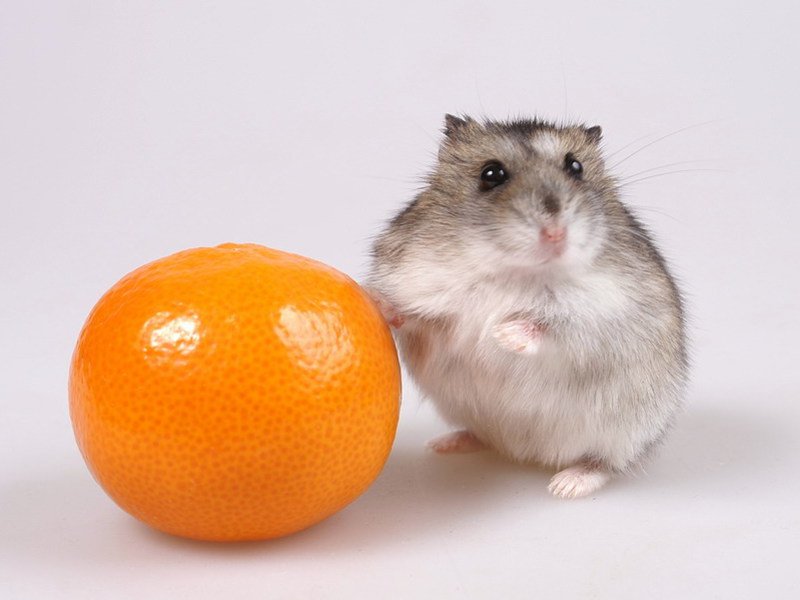
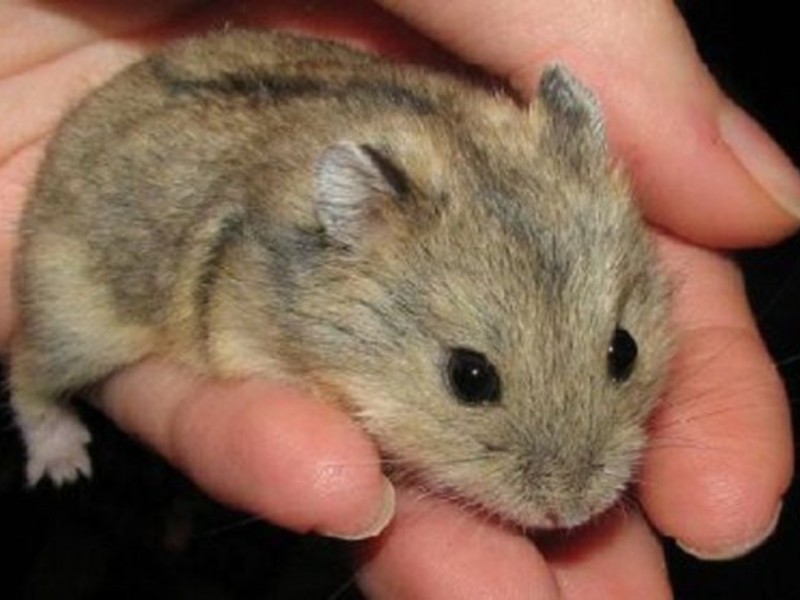
Djungarian hamsters: description, photos
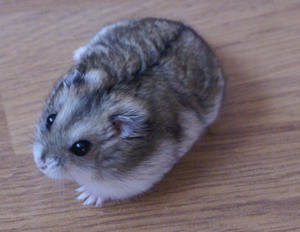
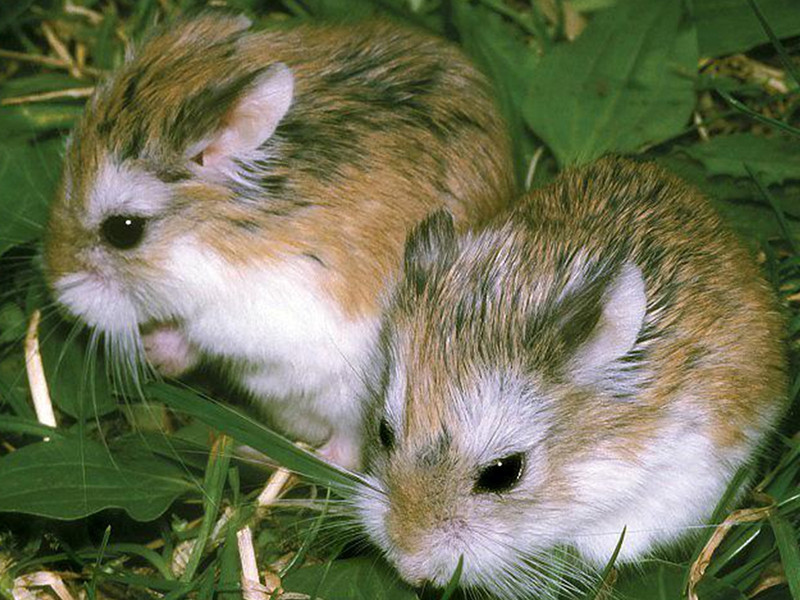
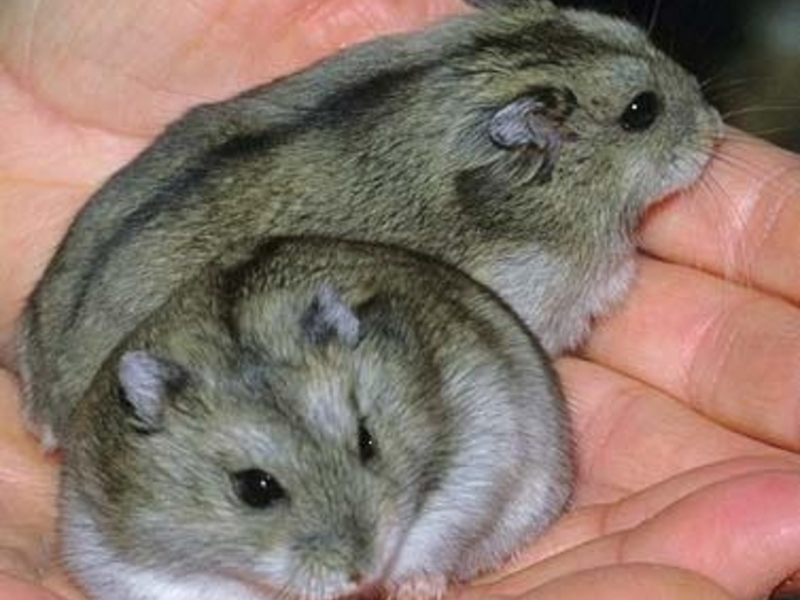
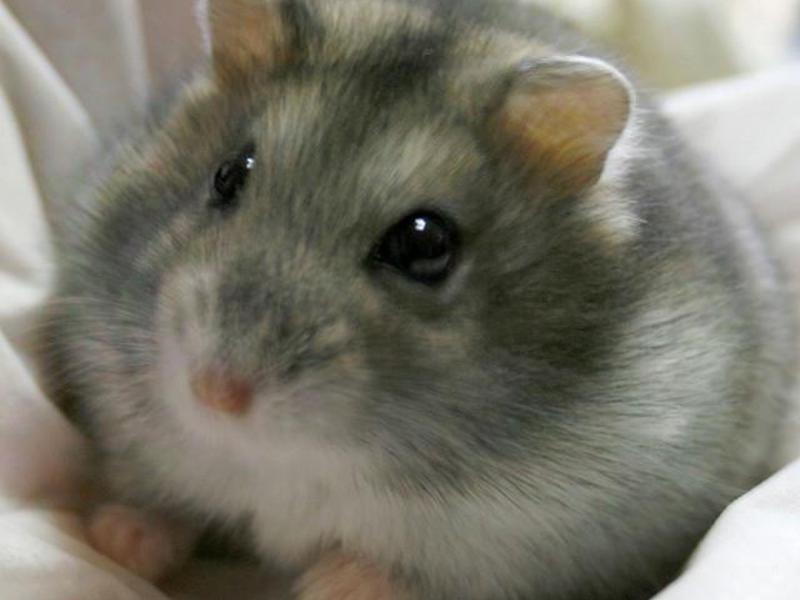
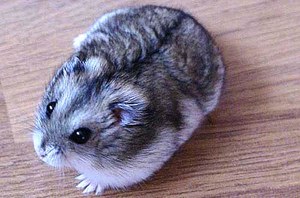
These unusual animals are common in the wild in Khakassia, Western Siberia, and the Eastern Caucasus. They live in semi-deserts and dry steppes. Weighing between 35 and 65 grams, they The hamster's height can reach 10 cmDjungarian hamsters are distinguished by:
- not very long hair with significant white patches;
- almost white belly;
- a fairly clearly defined border between the color of the belly and back;
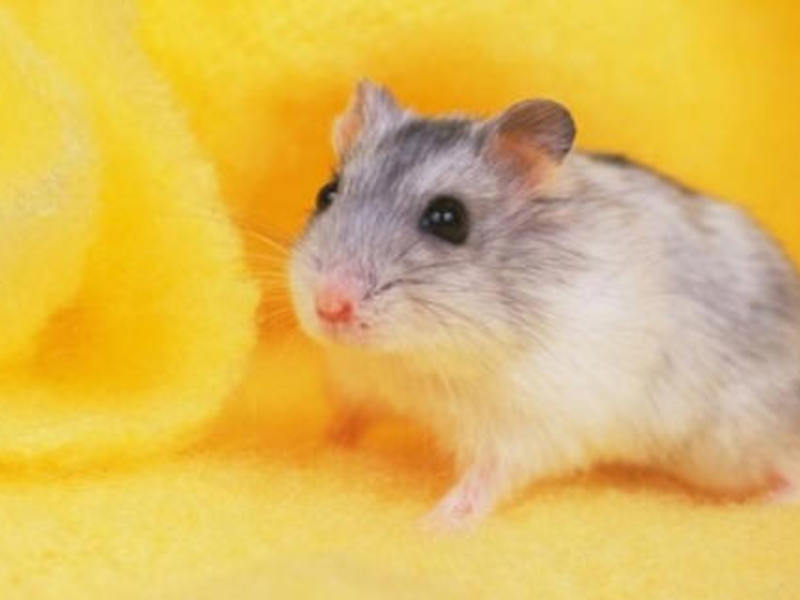
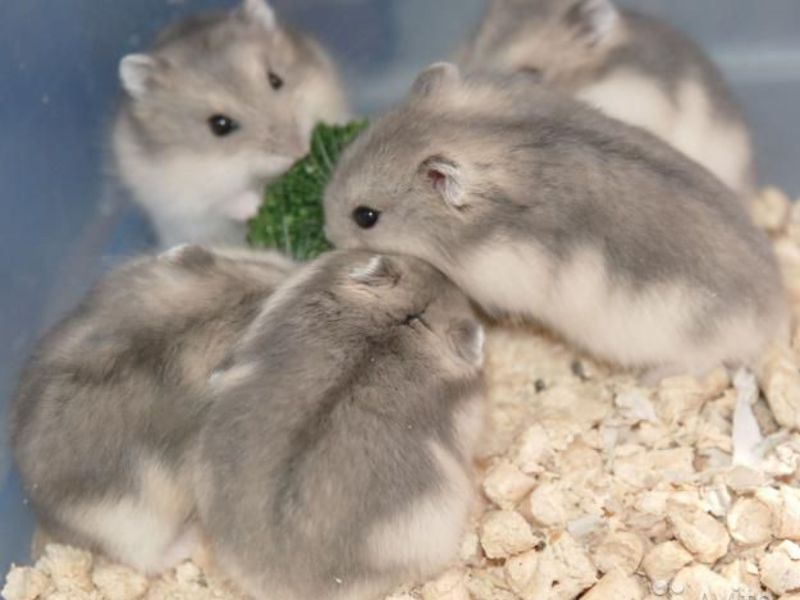
- greyish in colour in summer and almost white in winter;
- a very short tail, which may not be visible when the animal is sitting;
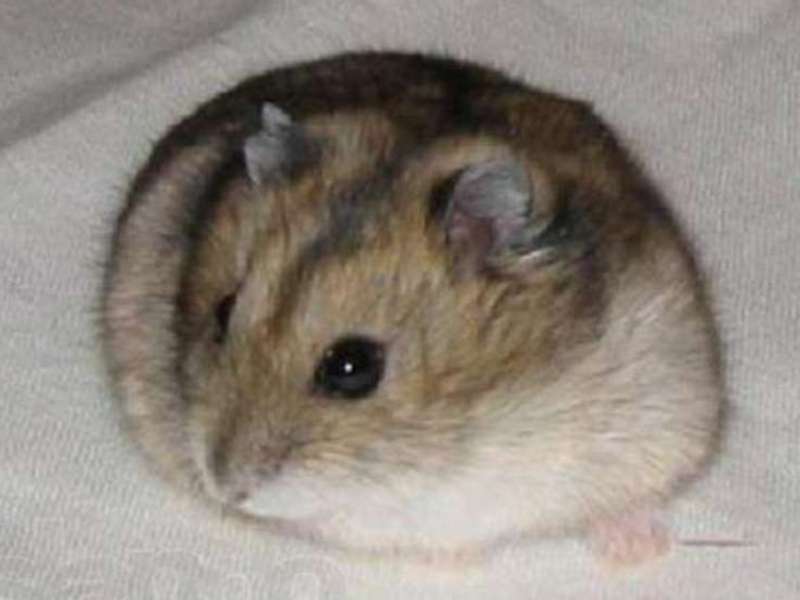
- dark stripe on the back;
- hairy feet.
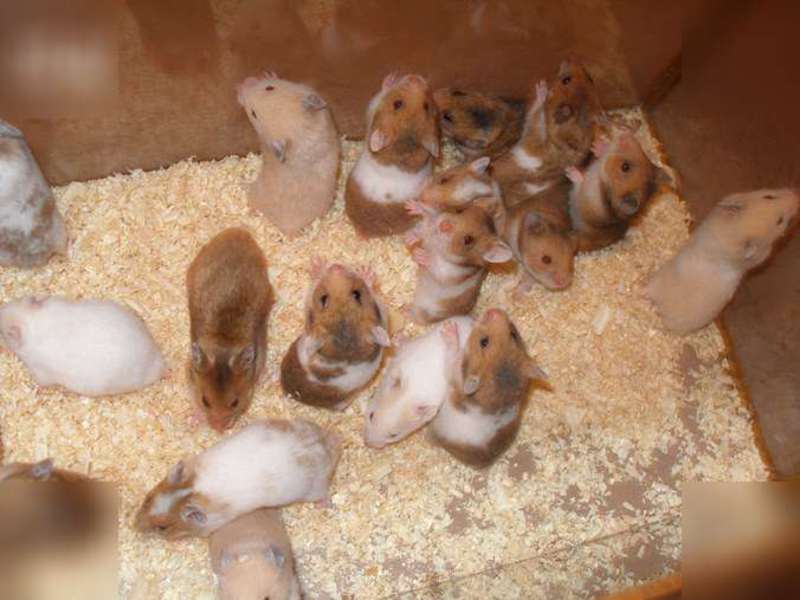
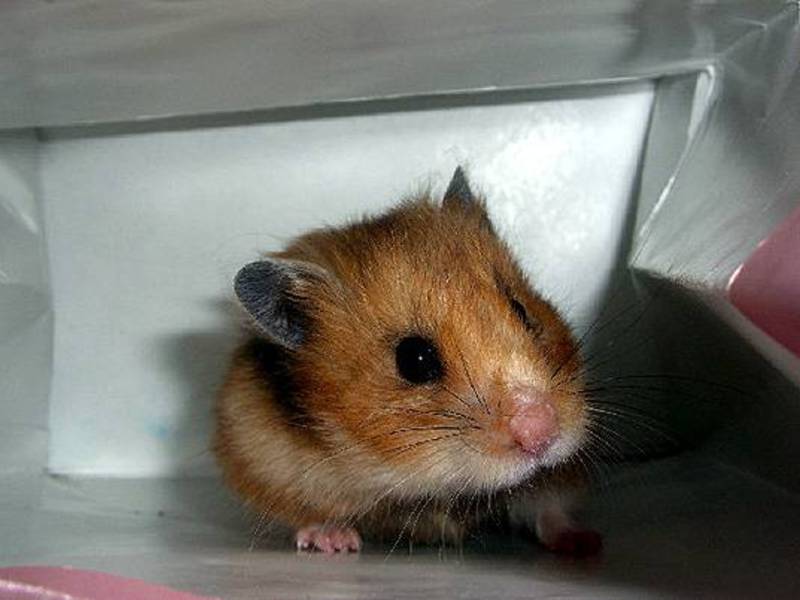
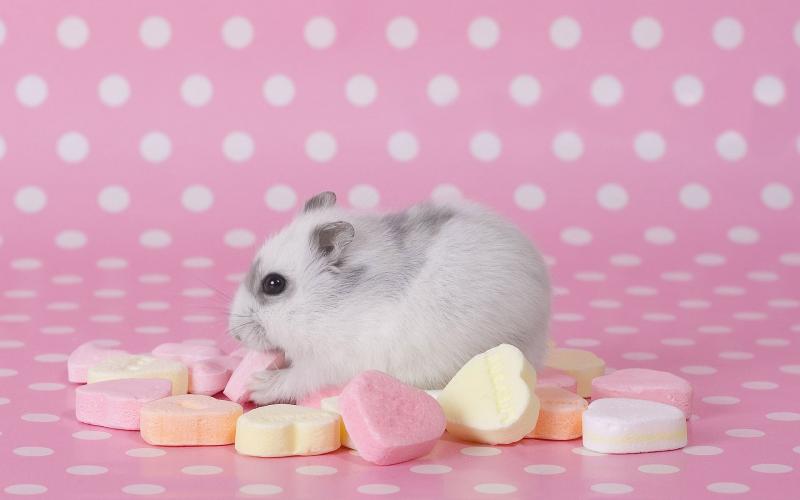
There are several types of Djungarian hamsters, which differ in the color of their fur. They can be brown, white or light graySome species of rodents have no stripes on their backs, while others, on the contrary, have stripes.
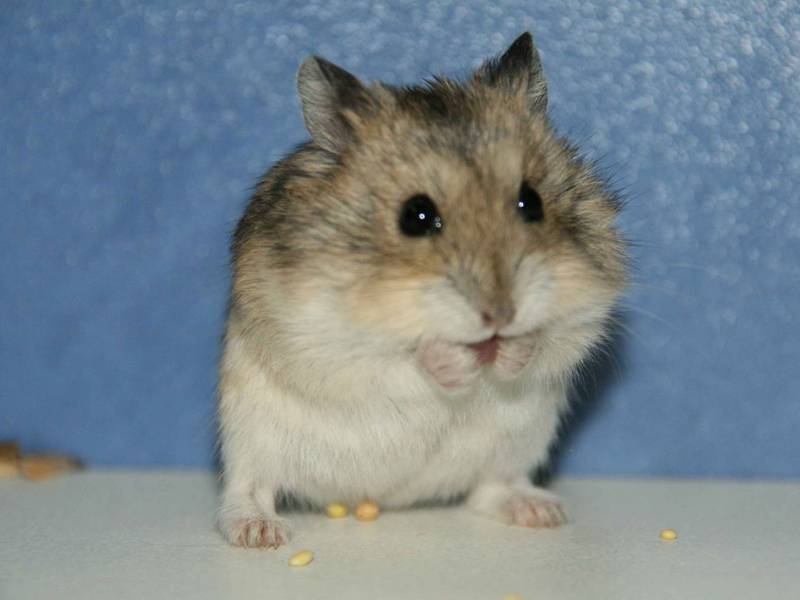
The front paws of these cute animals are very similar to hands. When they eat, they use them to hold their food. Djungarian hamsters have virtually no odor, making them ideal for apartment living.
Behavior of Djungarian hamsters at home
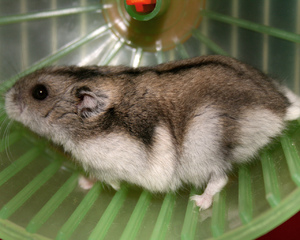 Rodents are especially popular due to their natural thrifty nature, which works in any environment. In the wild, they store food for the winter by collecting seeds in their cheek pouches. A hamster released into the house will run around the room collecting all sorts of small items, even if they're inedible. Small objects, even pieces of soap and thread, can be found in their cheek pouches.
Djungarian hamsters are very friendly.They love to play with children and sleep in their arms. They simply adore being petted. Hamsters love to sleep during the day and night, and become very active at dusk. To help them stay in shape, a wheel should be placed in the cage, which the rodent will happily run on.
Djungarian hamsters are very clean and constantly groom their fur. However, washing them with water is not recommended. If your hamster's fur requires cleaning, you can use sand, but never water.
From the Syrian hamster Djungarian are distinguished by non-standard behaviorThey can be aggressive, so keeping two in the same cage is not recommended. Since each rodent is territorial, they could easily injure each other. If you're buying a Djungarian hamster for a child, be aware that it may be aggressive and injure the child. Be very careful when handling this small animal.
Choosing a Djungarian Hamster
Since this species of hamster is naturally solitary, only one rodent can be kept per household. The idea that two hamsters in one cage will be safe is a misconception. Each animal will require its own habitat. Therefore, if you don't plan to breed hamsters, it's best to purchase just one.
Many people are interested in How to determine the sex of a rodentIf the seller can't help with this issue, you can do the following:
- Place the hamster on its back on the palm of your hand, while supporting the upper part of the body with your thumbs.
- In this position, the animal's rear end is easily visible. If there's at least one centimeter between the genitals and anus and a formed gland in the center of the abdomen, it's a male.
- In females, the distance between the genitals and anus is very small, and no gland is visible. Females also have two rows of papillae.
To determine for sure that the hamster offered to you is a Djungarian, you just need to look at its back, where there should definitely be a gray stripe.
Features of keeping Djungarian hamsters
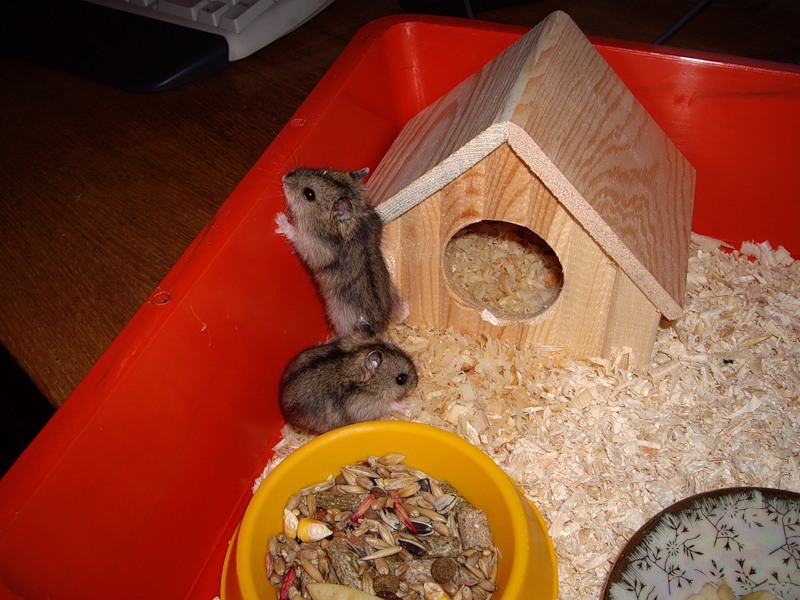
First of all, you need to prepare a cage for your pet. For the animal's normal functioning and a longer lifespan, it must be approximate dimensions 50x30 cmThe purchased cell must be filled. To do this, you will need:
 A spacious house for your hamster, one that should be large enough for it to fit comfortably with its cheeks full. Houses can be made of wood, cardboard, ceramic, or plastic. Cardboard houses are impractical, while ceramic and wood ones are quite expensive. Therefore, a plastic house is the best option. The house should also have a place for the rodent to store its food.
- You should also ensure your pet's physical fitness is maintained by installing a 16-17 cm running wheel in the cage. It can be made of fine mesh or have a solid surface.
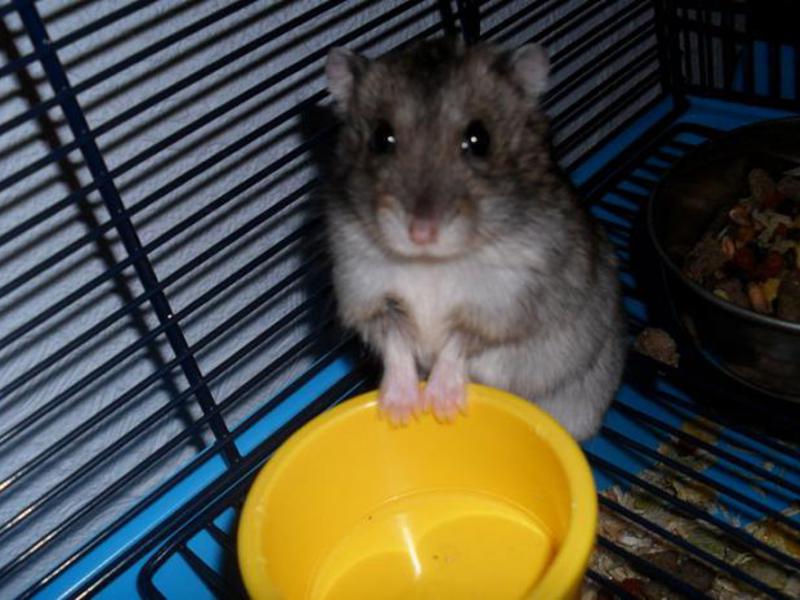
- The feeder or bowl should be fairly heavy, as hamsters love to knock them over. Ceramic is ideal, as it will be difficult to move. Hamsters almost always hoard food, so a freshly filled bowl will be quickly emptied.
- Due to their unique nature, hamsters rarely drink water, but a clean water bowl is essential in their cage. A regular plastic water bowl is not recommended. Your hamster will cover it with sawdust or simply knock it over. It's best to choose a "nipple" water bottle, which consists of a plastic container, a valve, and a metal spout. It's attached to the side of the cage, and the hamster presses the spout on the valve to receive water. This prevents the hamster from simply spilling the liquid or ruining it.
- To help rodents grind down their teeth, they need to be provided with fruit tree branches. In winter, chalk or mineral stones can be used for this purpose.
- Since bathing hamsters in water is prohibited, you can purchase a bathing area for them and fill it with sand. The rodent will enjoy sand baths.
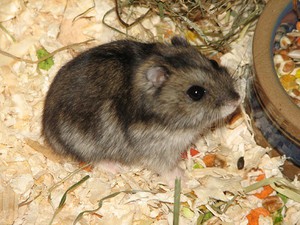 A spacious house for your hamster, one that should be large enough for it to fit comfortably with its cheeks full. Houses can be made of wood, cardboard, ceramic, or plastic. Cardboard houses are impractical, while ceramic and wood ones are quite expensive. Therefore, a plastic house is the best option. The house should also have a place for the rodent to store its food.
Pet stores offer equipment for rodent cages. various sections, ladders, tunnels, which are acquired at the owner's discretion.
When keeping hamsters, the cage must be filled with sawdust, which will serve as bedding for the rodent. Some types of cat litter can be used for this purpose. Never fill a hamster's habitat with cotton wool. Animals may tear off pieces and eat them, which can lead to intestinal problems.
The hamster's cage should not be located in a draft or in the sun, near a radiator or a noisy object such as a TV.
When keeping hamsters, the cage should be clean at least once every 7-10 daysThis frequency of cleaning is necessary due to the characteristic smell of rodent urine.
Caring for a Djungarian hamster
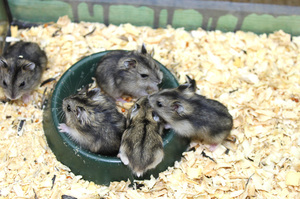 Caring for this rodent is quite easy, as it performs all its own hygiene procedures. Using its paws and tongue, it thoroughly cleans its body. Even in the burrows where Djungarian hamsters live in the wild, they manage to remain clean. This trait has been passed down genetically to domesticated animals. They won't defecate anywhere, but will choose a particular corner for their latrine. This behavior makes caring for this rodent much easier.
When caring for hamsters, you should keep in mind that In winter, Djungarian hamsters shed their fur.The gray patches on their fur disappear, and it becomes white, with only a single stripe on the back. The duration of the molt depends on the length of daylight hours. If the daylight hours are short, the hamster's color change occurs within six weeks.
Nutrition of rodents
The easiest way to feed a Djungarian hamster is with special food mixes purchased at a pet store. These mixes contain corn, seeds, oats, peas, and nuts.
Natural foods that can be fed to rodents include fruits and dried fruits, corn, zucchini, carrots, plantain, and lettuce. The only fruit that should not be given to pets is citrus. They will happily enjoy bananas, apricots, peaches, and apples.
Because the diet of Djungarian hamsters protein must be includedTwice a week, they should be given hard-boiled eggs, boiled chicken, and low-fat cottage cheese. You can also add earthworms, dried gammarus, and boiled shrimp to their diet.
When feeding your hamster, be sure to monitor what it hides in its pantry. It shouldn't contain perishable foods, otherwise the rodent may have digestive issues.
Breeding Djungarian hamsters
 If you have several hamsters and they are kept separately, the female should be introduced to the male during estrus. This is characterized by the female arching her back and raising her tail. These actions indicate she is ready to mate. This period is repeated every five days.
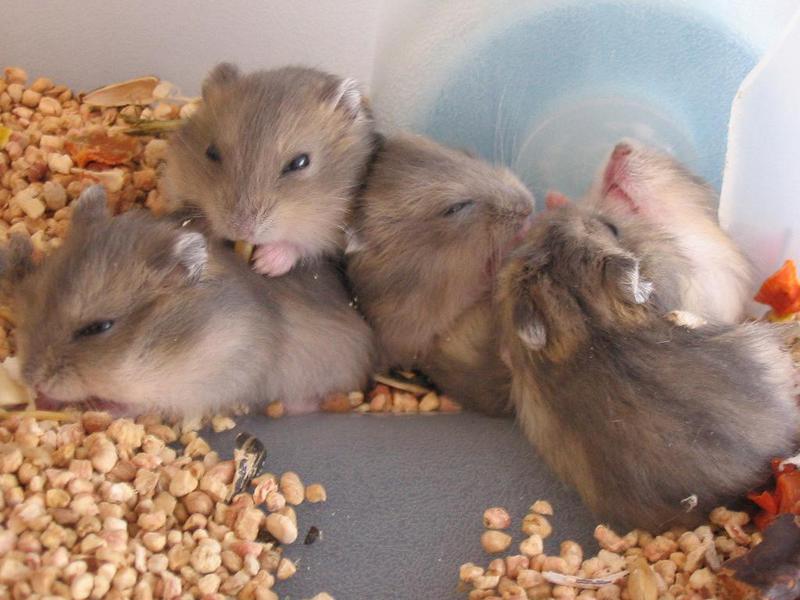
Those who are going to breed Djungarian hamsters need to know that a female can be fertilized all year round at home, and produce offspring two to three times a yearThree to nine little hamsters are usually born at a time.
Pregnancy typically lasts 17 to 21 days. During this time, the female should not be handled or disturbed. She should be fed high-protein food and provided with napkins to use for nest building. Two to three days before the birth, the wheel and nest box should be removed from the cage.
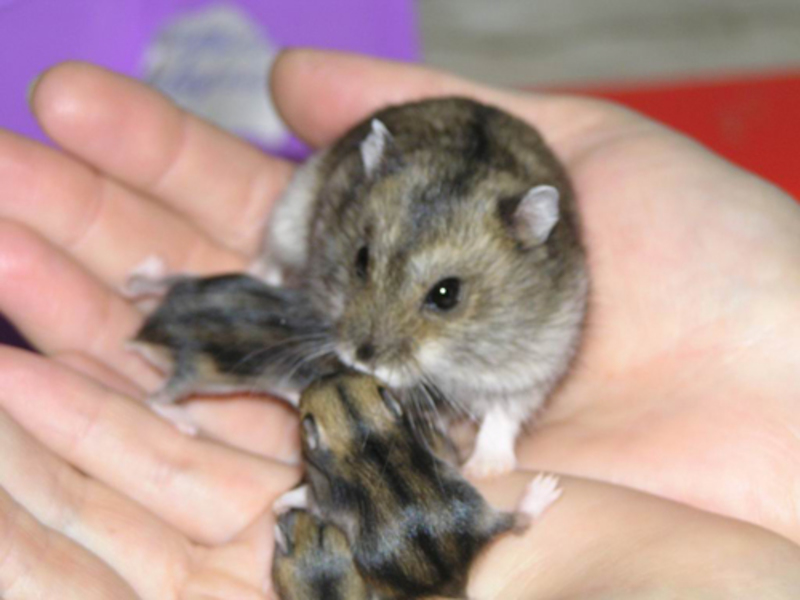
In the first few days, the babies, born blind, are completely defenseless. Only in the second week will their eyes open. A couple of months after birth, the Djungarian hamsters become fully mature.
The Djungarian hamster, whose photo is featured in this article, will make a good companion for both children and adults. And since it's very easy to care for, even a child can handle it.
 Rodoslaw
1 comment