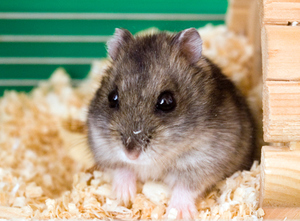
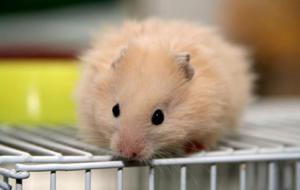
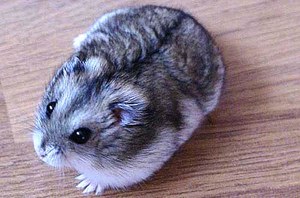
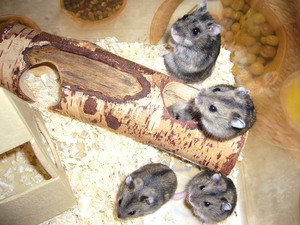
 Small and adorable rodents, Djungarian hamsters, naturally inhabit the Northeast Caucasus, Central and Western Asia, and Western Siberia. They thrive in rocky semi-desert areas, cinquefoil, and wormwood steppes without shrubs. Djungarian hamsters also thrive in homes, where their upkeep is inexpensive and time-efficient. Pet lovers happily keep them in their apartments, and this is understandable, as they love to play with children and delight with their amusing antics.
Content
Getting to Know the Djungarian Hamster
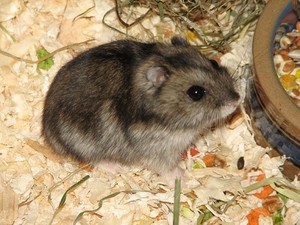
A very active rodent with beautiful fur grows to only 10 cm and has a body weight of 45 g. The features of its appearance include: dark stripe on the back, which distinguishes it from its fellow hamsters. The animal's fur is variegated with white patches, allowing the rodent to effectively camouflage itself and hide from predators in the wild. Domestic hamsters can have the following colors:
- pearl;
- mandarin;
- standard;
- sapphire.
In winter, the animal's fur sheds and turns white. The markings become invisible, leaving only a gray stripe on its back.
Many people like Djungarian hamsters not only for their cute plush face, but also because are distinguished by exceptional cleanliness and don't emit an unpleasant odor. Even at home, they are genetically wired to store food, tucking it into their chubby cheeks. This amusing rodent is fascinating to watch. Djungarian hamsters are active only at dusk. They sleep day and night, and are happy to do so on their owners' laps.
Like all rodents, Djungarian hamsters can be aggressive and even bite. Their bite poses no danger to humans, but it is quite sensitive. This trait should be kept in mind if you are buying a hamster for a child.
Keeping a Djungarian hamster at home
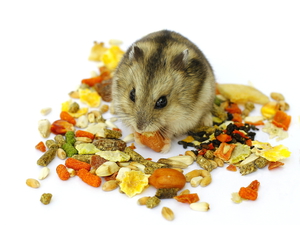 Hamsters are very easy to care for and are comfortable to keep. A cage is ideal for keeping them. Since rodents can easily chew through plastic and wooden bars, it's best if the frame of the house will be galvanizedThe cage should be spacious enough to accommodate the pet's house, a special wheel, and still have room for the hamster to move around.
The cage should be equipped with:
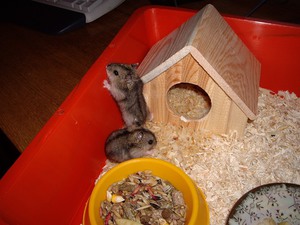
- A fairly spacious house with a wide opening, into which the rodent should easily enter.
- Lazas in the form of tubes, branches and horses.
- A special toilet designed for small animals and filled with absorbent material.
- Bedding should consist of compressed sawdust or fine sand, which should be moisture-absorbent and odor-absorbent. Newspapers, rags, napkins, and cotton wool are strictly prohibited for hamsters.
- A water bottle with a minimum capacity of 50 ml. An automatic water bottle that can be attached to the cage wall is ideal. Your pet should always have fresh water.
- A feeder, the width of which should be from 3 to 10 cm.
- A wheel, selected based on the pet's size, should have a bottom without a grate and crossbars.
- A bathing pad, which is unique in that it's filled with sand instead of water. Wetting and bathing Djungarian hamsters is not recommended.
Keeping Djungarian hamsters can also be used in aquariums They measure 40 cm in height and 100 cm in length. Narrow tanks with high walls are not recommended, as they lack proper ventilation. This allows bacteria to thrive in the aquarium, which can negatively impact the animal's health.
Care Features
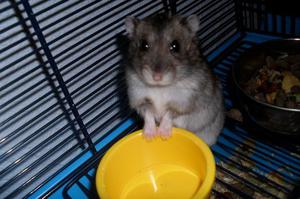 These clean rodents don't require any special care. They groom themselves and use their paws to clean their fur. You'll only need to change the litter as it fills and clean the cage every 5-7 days. Once a month, the bottom of the cage should be washed with water and laundry soap.
Since Djungarian hamsters cannot be bathed, they should be given a bath occasionally. make a sand bathThis is only necessary if the rodent's fur is dull and matted. To do this, pour a little sand into a container and place the pet in it. It will happily roll around in the sand and clean its fur.
These simple care measures for Djungarian hamsters will ensure a healthy and happy life for the little animal.
Nutrition of Djungarian hamsters
While caring for rodents is fairly simple, feeding requires special attention. It's recommended to feed your pet twice a day at the same time. This should be done in the morning, when the hamster wakes up, and in the evening, when it becomes active. A pregnant female should be fed four times a day at regular intervals.
In the morning, a Djungarian hamster's diet should include boiled vegetables, protein, and succulent feed. In the evening, it should be fed porridge, dry food, and treats.
The diet of Djungarian hamsters consists of:
 special dry food;
- non-starchy vegetables cooked without salt;
- fresh vegetables and fruits;
- seedless berries;
- cereals;
- grain sprouts;
- seeds and nuts, except almonds;
- dried twigs and fresh leaves of fruit and deciduous trees;
- Homemade croutons and carob as a treat.
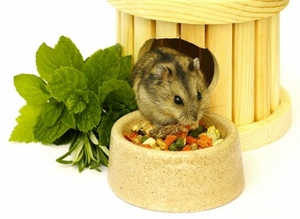 special dry food;
Twice a week, the rodents' diet should include protein in the form of a boiled egg, cottage cheese, kefir, natural yogurt, lean boiled fish or boiled chicken fillet.
Pregnant females, sick hamsters, and underweight hamsters are recommended to be fed baby food prepared in water without sugar or salt. If your pet has an upset stomach, you can feed them sticky rice, and if constipated, give them a drop of vegetable oil.
The list of prohibited foods for Djungarian hamsters includes:
- coniferous branches;
- various sausages and wieners;
- sour cream, cream, milk;
- butter;
- fruit pits;
- potatoes, mushrooms;
- onions and garlic;
- mint;
- watermelon;
- citrus fruit;
- chocolate, cookies, ice cream;
- kozinaki;
- honey;
- salt, sugar, spices.
 coniferous branches;
When purchasing food for a small rodent at a pet store, you need to be careful. Designed for larger rodents coarse mixes are not suitable for Djungarian hamstersThey have a completely different composition, which can be harmful to the health of a small hamster.
Diseases of Djungarian hamsters
 Small and delicate creatures can be susceptible to a variety of ailments. It's important to know about the simplest ones so you can properly care for your hamster if it becomes ill.
Active animals can fall and injure themselves, or suffer a dislocation or fracture. The main symptoms in these cases are difficulty moving and limb deformity. Fixing broken legs or tails is simply impossible. Therefore, veterinarians recommend providing the hamster with a quiet environment and feeding it calcium-rich food. Ladders and wheels should be temporarily removed from the cage. Immobile limbs can be prevented with this type of care. will grow together in 10-14 days.
If exposed to cold, hamsters can catch a cold or the flu from other household members. The first symptoms include decreased activity, a runny nose, and sneezing. If there are no other signs of illness, move your pet's cage from a drafty location to a warmer one, add warm bedding, and feed it warm milk. You can boost your hamster's immunity with vegetables and fruits. If you notice sudden weight loss, loss of appetite, or purulent discharge from the eyes, it's recommended to immediately consult a veterinarian, who will prescribe treatment and advise you on how to care for your Djungarian hamster during illness.
Bacterial infection This can develop into conjunctivitis. In this case, the inflamed eyes can be gently wiped with salted water. However, if the lens of the eye has become cloudy and the pupil is gray, the hamster has most likely developed cataracts. This condition affects older animals and is incurable.
Hamsters exposed to frequent stress can develop eczema or dermatophytosis, which causes hair loss and peeling skin. In this case, you should immediately seek help from a specialist who will prescribe a course of antibiotics.
Sometimes in Djungarian hamsters there are problems with teethTherefore, if your rodent suddenly refuses to eat, it's important to check the integrity of its teeth. In some cases, overly long teeth can interfere with feeding, which can be straightened with regular nail clippers. However, it's best to leave this procedure to a professional.
As the article shows, keeping and caring for Djungarian hamsters isn't particularly difficult. Simple measures such as providing food and fresh water, cleaning the cage, and regular playtime will ensure a healthy life for your pet and bring joy to both you and your owner.