 Most people dream of having a pet. Many buy dogs or cats, while others buy small, fluffy hamsters. Rodents are perfectly suitable for keeping in homes of any size. They are also attractive for another reason: they are extremely easy to care for. How do you care for a hamster at home? What are the special aspects of caring for these cute rodents? We'll discuss these topics further.
Hamsters in the house
There are many types of domesticated rodents, but hamsters are particularly popular. Before bringing one into your home, there are many questions to consider:
- placement of rodents;
- purchase of a cage and other items for keeping and care;
- no allergies to rodents;
- constant care.
While people have kept cats and dogs in their homes since ancient times, hamsters have only recently become pets. There are many types of rodents, but only two are suitable for home keeping:
- Syrian;
- Dzungarian.
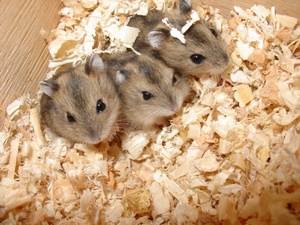 It is recommended to buy hamsters between 2 and 2.5 months of age. Before choosing a pet, you should examine him carefully to make sure he is healthy, as this criterion is the most important. The rodent's fur should have a smooth and even surface, free of bites, dirt, and other defects.
The animal's eyes should be healthy and clear, with no purulent discharge. The hamster's anus should be free of redness or signs of digestive upset. The animal should not be lethargic or too active.Excessive activity indicates stress in a hamster. Stress always negatively impacts the future health of rodents.
Animal cage
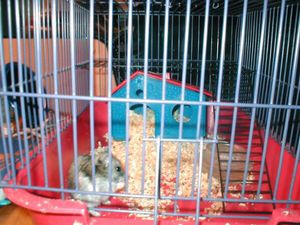
To keep hamsters comfortably, you should definitely buy a cage so that your pet is protected in its own space and does not create unnecessary problems for household members. Usually for this purpose they buy a lattice cage with a high tray, measuring 50x30x30 cm. Plastic or glass aquariums of similar dimensions are also suitable for this purpose.
The bars in the cage should be placed at a small distance from each other, so that so that the hamster couldn't get outThe cage must have all the necessary accessories for the animal's habitation:
- filler - it helps to eliminate unpleasant odors, a clean, washed cage is filled with granulated or pressed filler, and the bottom of the cage is sprinkled with sawdust;
- feeder - 2 pieces, one for dry food and the other for fresh food, as well as a drinker for liquid;
 mineral stone for sharpening rodent teeth;
- toilet - the animal itself chooses the place for the toilet, so the bedding must be changed;
- An exercise wheel – since hamsters are very active animals, it's essential to equip the cage with special exercise equipment. A wheel is ideal for this purpose, but it should preferably have a solid surface, otherwise the hamster may injure its paw.
 mineral stone for sharpening rodent teeth;
It's best to place your pet's cage in a quiet, permanent location free from drafts, as this species doesn't like to change its habitat. It's not recommended to place cages near a child's play area or a child's sleeping area.
Feeding
Hamsters need a complete diet with vitamins and minerals. All food can be purchased at pet stores, which are ideal for daily diet:
- grains, seeds, peas, cereals, nuts and oats are the main food in the diet of hamsters;
- fresh vegetables and fruits, these include zucchini, cucumbers, apples, pears, carrots;
- greens (parsley, dandelion leaves, celery, dill).
Also There are also prohibited foods, including white cabbage, spices, cheese, sweets and bread.
The water bowl should be filled with only boiled water at room temperature or slightly warm. The water should be changed daily, and The drinking bowl must be washed before changing the water., and without the use of detergents. No matter how much liquid your hamster drinks per day, it's always best to replace it with fresh water.
The animal should be fed several times a day. It is desirable that the second meal in the evening be more caloric. Animals are also active late at night.You should not give them watermelons or other watery foods, as they can cause poisoning.
In addition to food, it is advisable to give hamsters vitamins A, E and D, as well as fish oil and lean boiled meat.
Peculiarities of caring for rodents
 Any pet requires attention and care. Hamsters are no exception. may be subject to frequent stress, which occur for various reasons:
- lack of access to water;
- changes in the usual daily routine and diet;
- external control over his offspring;
- lighting in the cage in the sleeping area;
- when a new pet is brought in to live with an animal, even a hamster.
Hamsters react negatively to shouting, swearing, and various loud noises. They don't like it when people make sudden movements near their cage, as this can cause them to become upset. fear and anxiety appearAnimals love peace and quiet and feel great in calm conditions.
It's essential to take care of your hamster's teeth. They need to be fed solid food to ensure proper growth and development. If the food is not solid enough, teeth will grow faster and this will interfere with normal food intake.
The cage should be cleaned regularly with detergent several times a week. The litter box should also be changed as it gets dirty. The hamster should be placed in a jar during cleaning.
 The animal needs to be walked in specially equipped play areas. In such places of rest there should be no sharp objects, and all other accessories and furniture items should be as stable and safe as possible.
Hamster nails require special care. They should be trimmed with special scissors as the animal grows. If an injury occurs while trimming the nails, the wound should be treated and bandage the paw. Remove any traces of blood and treat the area where the injury occurred.
Hamsters don't like water, so they should only be bathed if they are very dirty. During such a bath you need to watch closelyTo prevent moisture from getting into the animal's ears or eyes. Hold it firmly in your hands to prevent it from biting, and after the bath, wrap it in a towel and hold it until it warms up.
Any interference in their peaceful lives creates stress for them. For example, it's best not to show them to other animals or strangers. It is better to clean the cage when he is not looking.Avoid taking it outside or exposing it to the grass, especially in direct sunlight. When an animal is preparing to give birth, it needs comfortable conditions.
Caring for hamsters at home is not at all difficult. With careful and attentive care, they will be able to live for a long time, in a quiet and calm atmosphere. If there are children in the family, they will play with him and become true friends for the whole family.