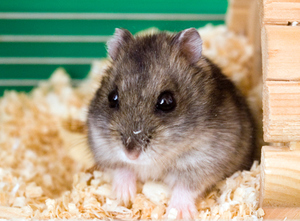
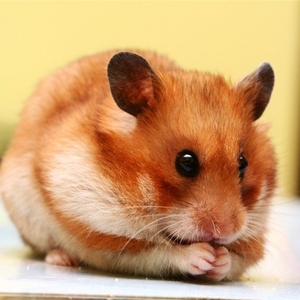
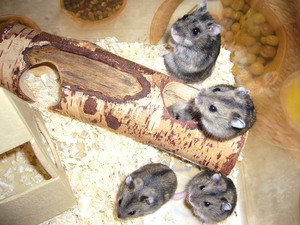
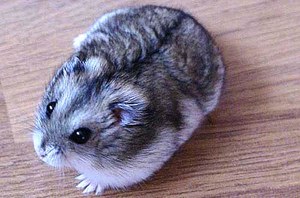
 You don't have to be a large animal to have a pet that will love you. Small rodents like Djungarian hamsters can be a good choice. They thrive if you take the time to interact with them. And you don't have to wait long for that to happen, as these adorable creatures' appearance alone will make you fall in love with them the moment you first meet them.
How long do Djungarian hamsters live?
In the wild, these animals have a very short lifespan—the record-holders are hamsters that managed to live up to one and a half years. This is explained quite simply: in their natural environment, many dangers await, and the threat can come not only from predators but also from disease. Death can also occur due to winter cold or lack of food. But all this can be changed by bringing home a hamster of this breed.
When they are cared for and given a lot of attention, they are provided with all the necessary conditions so that they can live much longer. On average, Djungarian Hamsters live for about two to three years at homeAlthough some representatives of this breed can live up to four years, such cases are very rare. However, you shouldn't focus too much on how long hamsters live.
When the inevitable happens and this sweet little bundle of joy dies, the owner will likely be unable to hold back their tears. But there's nothing left to do but accept that it's a huge loss, after all, if this little mammal managed to live in your home for so long.
Life expectancy depends on the quality of care
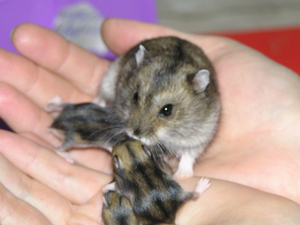 Once you bring this tiny creature home, you should give it a lot of attention, as you would with any other pet. But if you don't have the time, then don't try to create a noisy environment Using various household appliances. Djungarian hamsters strongly dislike loud noises constantly present around them.
Bright lighting can also be harmful to hamsters. Therefore, make sure your dwarf hamsters are not exposed to direct sunlight. To achieve this, place their cage away from the window.
Your pet will live much longer if you take regular care of its home. So, make sure that there were no piles of trash piling up in his cage and excrement. Make it a rule to clean his cage every two to three days. A thorough cleaning is also essential at least once a week.
Nutrition
Nutrition has a significant impact on the lifespan of a Djungarian hamster. Therefore, it is recommended to purchase ready-made nutritional formulations, which contain a range of essential nutrients and vitamins. Typically, they contain:
- corn;
- wheat;
- peas;
- nuts.
Be sure to include fresh vegetables and fruits in his diet. Djungarian hamsters especially love zucchini and carrots. you need to be careful with cabbage and onions, as they can be harmful to hamsters' health. The same applies to citrus fruits. To ensure your pet's diet is balanced, you can vary it with apricots, bananas, or apples.
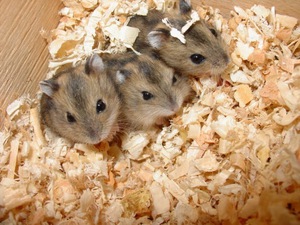 Your hamster's diet should include meat at least two to three times a week. Few people pay attention to this point, although Without protein, it is impossible to ensure a healthy and fulfilling life for a Djungarian hamster.It's also a good idea to add special vitamin supplements to your pet's diet from time to time. To avoid making the wrong choice, it's recommended to discuss the appropriate brand and dosage with your veterinarian.
Some owners believe that rodents can survive without water. However, this is not true. Therefore, make sure your hamster's cage always has a bowl of fresh drinking water.
Whatever pet you keep in your apartment, keeping it physically active will help keep it healthy. So, let it run around whenever possible. If you keep him in a wide cageEquipped with a wheel, their body will function like clockwork and they'll remain happy. If necessary, you can even make them happy by purchasing a special maze, giving them more opportunities to run.
The relationship between life expectancy and diseases
Diseases cause serious harm to any animal, especially such a tiny creature. This directly impacts the lifespan of hamsters.
The development of the disease can be determined by the following characteristic signs:
 decreased activity;
- lethargy;
- drowsiness;
- heavy breathing;
- bad wool.
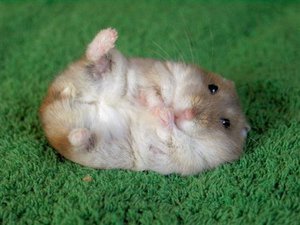 decreased activity;
If you notice any of these symptoms in your hamster, you should take it to the veterinarian immediately. It's crucial to get a proper diagnosis as early as possible, as the effectiveness of treatment depends on it.
Not all owners have enough time to control this agile animal. Therefore, if he manages to climb high objects Without the owner's knowledge, the dog could fall and injure its paws. Therefore, if you notice such injuries, do not attempt to provide first aid yourself. You should immediately contact a qualified professional.
Djungarian hamsters, like humans, are susceptible to colds. This can be identified by sneezing, sniffling, and decreased activity.
During such periods, the animal must receive special care, including fresh fruit in its diet. Medications, and especially injections, should only be given on a doctor's recommendation.
A hamster's lack of appetite suggests a dental problem. More likely, there's a dental lesion or the incisors have become too long, causing discomfort. To give teeth a normal length, you'll need to see a doctor. Although some owners manage to resolve this problem at home, serious problems with the hamster's stomach and intestines can sometimes occur. Typical symptoms of problems with these organs include:
- loose stools;
- rumbling in the tummy;
- unpleasant smell.
Tips for coping with loss
After just the first week, a person, seeing how restless these creatures are, gets so used to them that he can no longer imagine a day without them. Unfortunately, their physiology is such, that they die within a couple of years. Naturally, every owner who has grown accustomed to these active little creatures experiences suffering. This is a serious blow for children, who sincerely fall in love with their little Djungarian hamsters and find it extremely difficult to come to terms with their passing.
What to do if a Djungarian hamster dies?
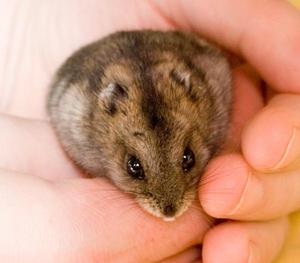 Don't try to put the blame entirely on yourself, don't torment yourself with the fact that it happened because of your mistake. You should switch your thoughts to something elseWhile your hamster was living with your family, it was very happy, loved by everyone. And who knows what would have happened if you hadn't been there. Unfortunately, no one can extend an animal's life beyond its natural limit.
Conclusion
Djungarian hamsters are incredibly cute creatures, and it's hard not to love them. Many people really enjoy their active behavior. Naturally, it's hard not to fall in love with these creatures. But keep in mind that These hamsters are not long-lived., so in just two or three years, the inevitable will occur: your pet's death. But you shouldn't constantly dwell on this sad moment. It's best to devote your free time to your pet and spend more time with them.
Try to take care of it as carefully as possible, this will prolong its life. After all, this is the only thing a person can influence. Therefore, you should, from the very first day it arrives in your home, be very attentive to him: keep his cage clean, choose the right diet, and create conditions in which he can maintain his high level of physical activity.