Dog diseases
How to Recognize Depression in Your Dog 

Stress-related mood disorders affect not only humans but also our four-legged friends. If you suspect your pet has become less active or isn't responding to their favorite treats, they may simply be depressed. To help your beloved family member return to normal, it's important to learn to recognize the symptoms of sadness in dogs.Read more
How to tell if a dog is losing its sense of smell

Olfaction is the most important sense for a dog. Canines perceive the world through their sense of smell. A dog's brain is wired to process odors; it's almost as if they see the world through their nose. Losing a dog's sense of smell is like losing a person's sight.Read more
The first signs of ringworm in cats: how to detect it

Feline ringworm (microsporia) is a fungal disease that is dangerous to virtually all animal species, including humans. Cats allowed outdoors are particularly susceptible. Owners should recognize the first warning signs and take appropriate measures.Read more
5 Signs of Dementia in Dogs

Many diseases in dogs are treatable, but some are irreversible. One of these is cognitive dysfunction syndrome, or dementia. This syndrome is similar to Alzheimer's disease in humans. In other words, it's senile dementia. It doesn't develop immediately, but an attentive owner should notice the first signs.Read more
Otitis in cats: symptoms, causes, and treatment methods
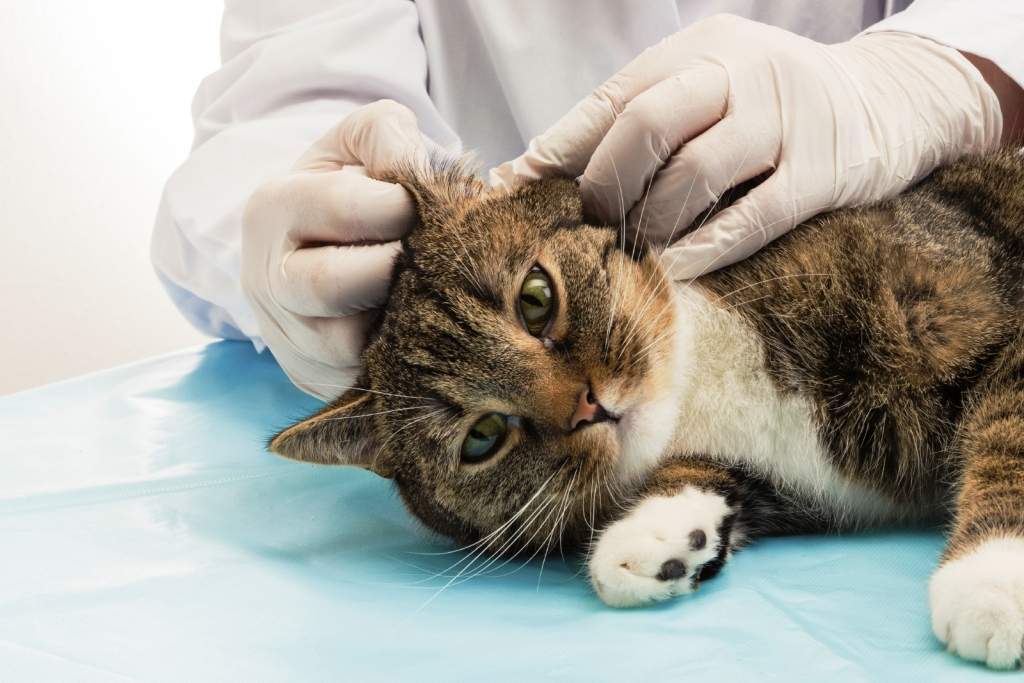
Otitis in cats is one of the most common inflammatory diseases, and its development is caused by a variety of factors. Ear infections can occur when foreign objects enter the ear canal or when the ear is infested with microscopic mites, which cause intense itching.
In the early stages of the disease, symptoms in cats are relatively subtle. Therefore, ear inflammation in pets can be difficult to recognize. The first signs of the disease—changes in behavior and discharge—are detected when the inflammation reaches the inner ear. Failure to treat it at this stage often leads to damage to the inner ear tissue and other complications, which can lead to complete deafness.