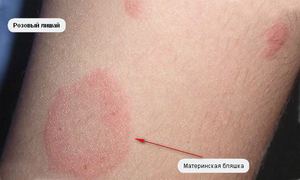
Feline ringworm (microsporia) is a fungal disease that is dangerous to virtually all animal species, including humans. Cats allowed outdoors are particularly susceptible. Owners should recognize the first warning signs and take appropriate measures.

Hair loss
Cats shed periodically, and this is normal. However, if their fur begins to fall out profusely outside of their shedding season, this should alert the owner. In some areas, the fur may fall out in clumps.
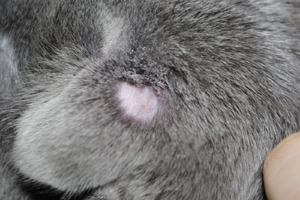
Bald patches
There are many skin conditions that can cause bald spots. Dermatitis and allergies can also cause baldness and localized inflammation. However, there are several typical signs that can help differentiate ringworm from other conditions:
- If the animal has actually contracted ringworm, the bald spots will have a clear border and a regular shape.
- With lichen, there are no obvious signs of swelling at the site of the lesion, unlike with the same allergy.
The cat scratches itself often.
There are several types of lichen, with ringworm being the most common in cats. Microsporia is characterized by moderate itching. If a cat has lichen planus or lichen rosea, the itching can be quite severe.
How is ringworm diagnosed in veterinary clinics?
To avoid guessing what disease your cat has contracted, it's best to contact a competent specialist at a veterinary clinic.
The most common method for diagnosing microsporia in clinics is a special ultraviolet lamp, also known as a Wood's lamp. If your furry friend does have ringworm, the affected areas will glow a characteristic green color when examined under the lamp. However, this test doesn't provide a completely accurate result, so it's best to use more detailed methods.
One of the most accurate methods is culturing on special media. For this, a scraping is taken from the affected area.
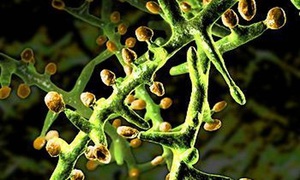
A microscope can also detect fungal spores on fur taken from a sick animal. If spores are detected, this is sufficient for a correct diagnosis.
Microsporia is a serious disease that can easily be transmitted to humans. Children are especially at risk. Self-medication is strictly prohibited.