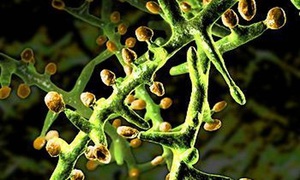
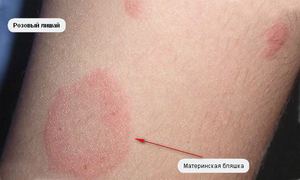
 Ringworm is a fairly common and dangerous skin disease caused by two types of fungi. The first causes trichophytosis, and the second causes microsporia. The disease affects the skin not only of animals but also of people with weakened immune systems.
Content
Ringworm: description of the disease, symptoms
Ringworm spreads easily and very difficult to treatFungal spores are very tenacious and can survive for a long time on various surfaces. While it's believed that ringworm only affects stray animals, this isn't true—it's also common among pets. Infections are primarily transmitted by rodents or through contact with stray cats on the street.
The causative agent of feline ringworm is resistant to disinfectants and detergents. Starving cats, sick cats with weakened immune systems, and animals infected with worms are at a higher risk of contracting ringworm.
Symptoms of ringworm in cats
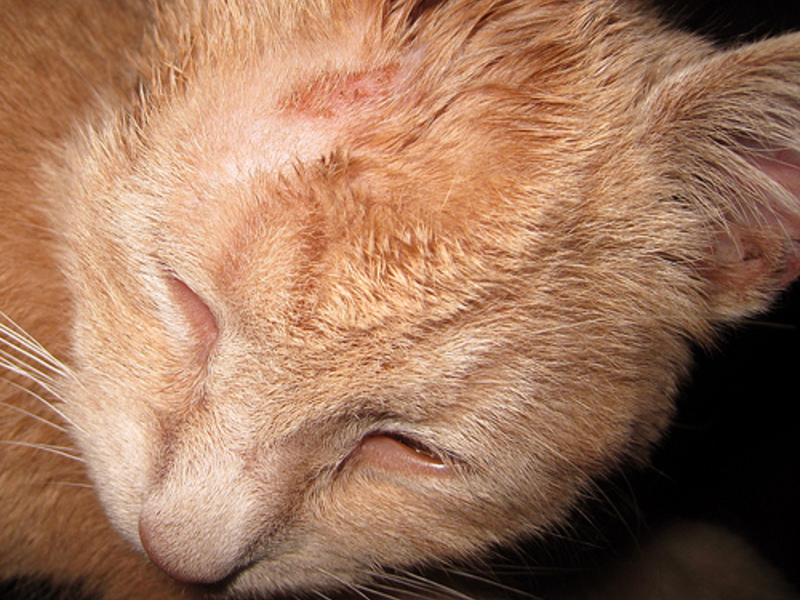
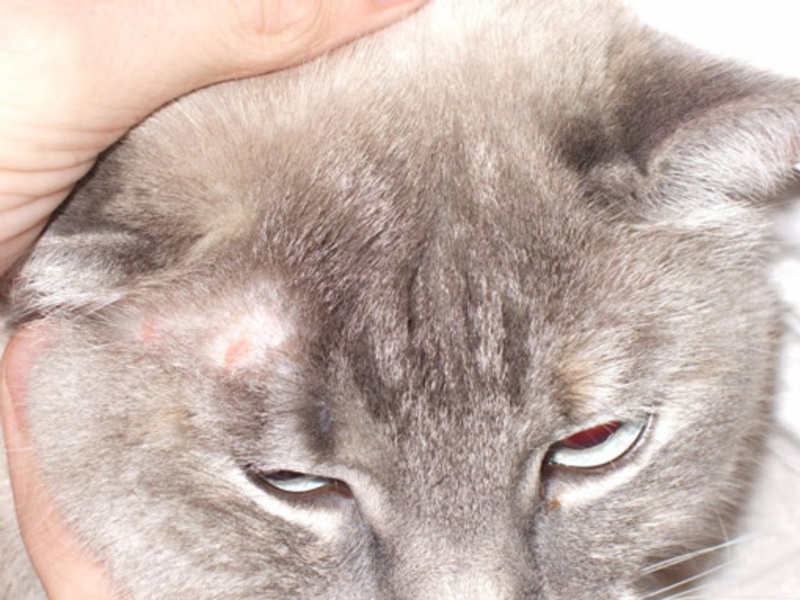
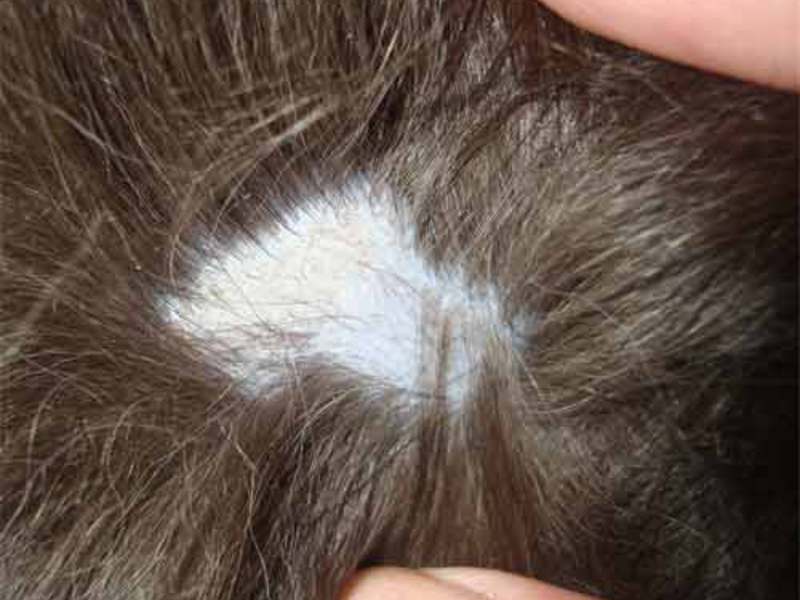
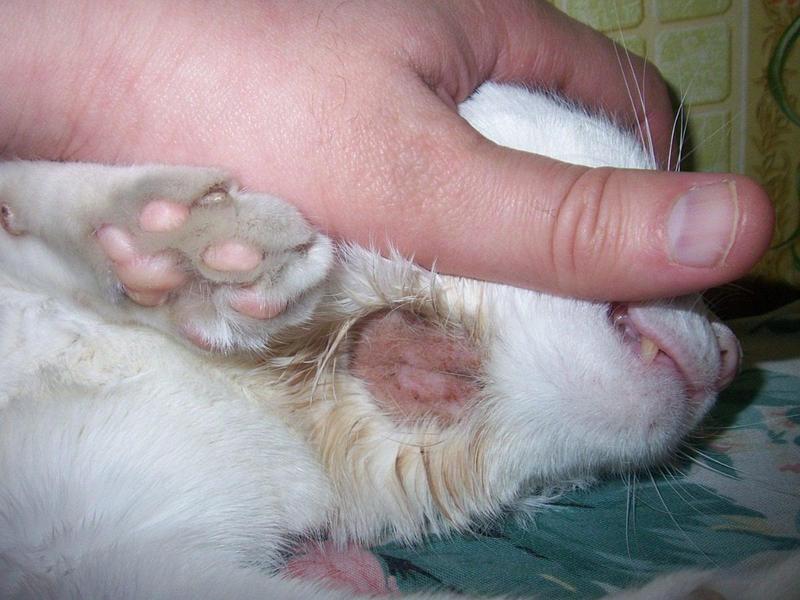
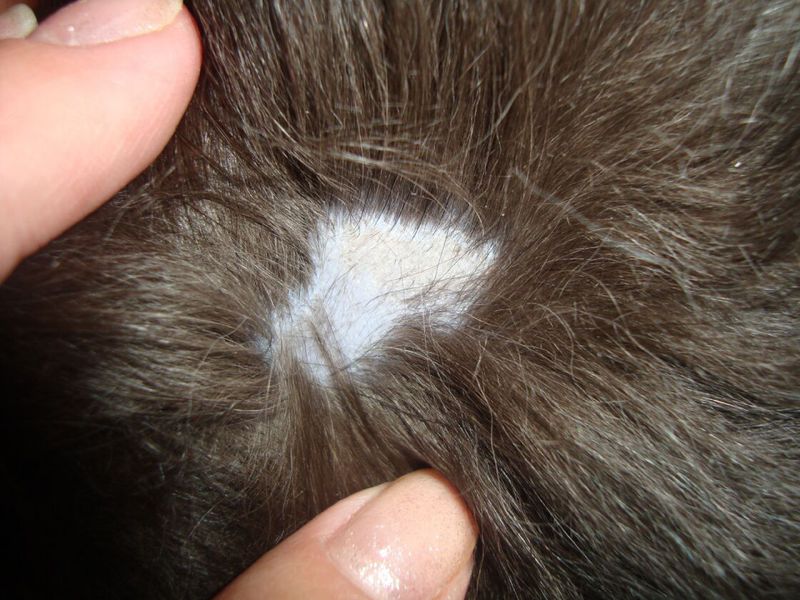
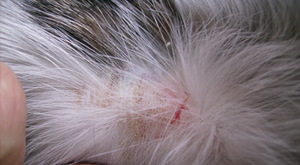 The onset of the disease may be indicated by small rashes on the skinHowever, they are very difficult to detect under the animal's thick fur, so the initial stage of the disease usually goes unnoticed. However, upon closer inspection, a small spot of exposed skin may appear, with pustules and scales visible. In some cases, itching is also observed.
The incubation period of the disease can last from 7 days to three months, depending on the strength of the cat's immunity.
Symptoms may include the following:
- the cat's fur becomes tangled and greasy;
- Fungal infections are observed on the claws.
- the claws become deformed and grow abnormally;
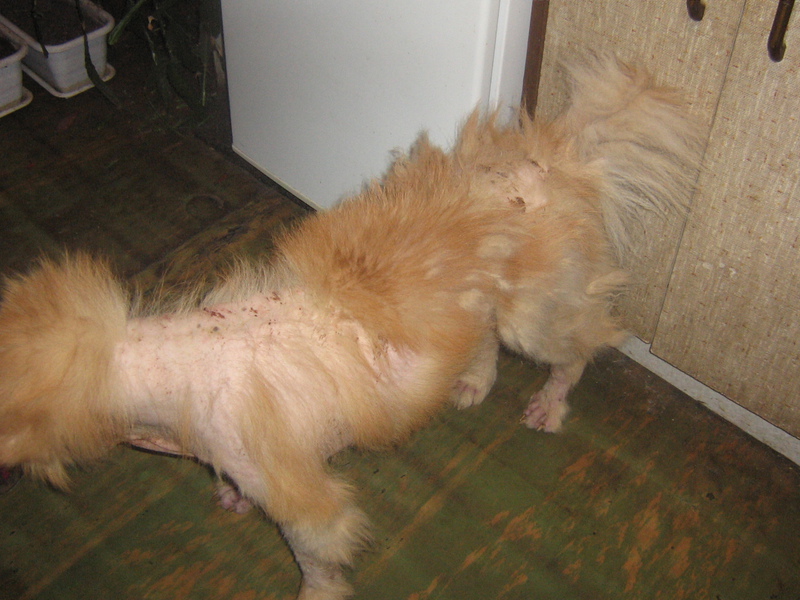
- hair loss in affected areas;
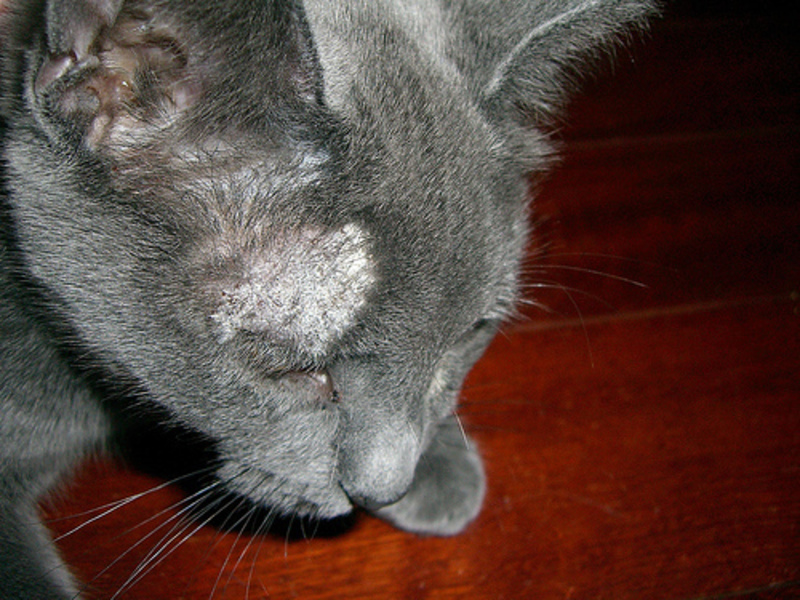
- the appearance of dandruff.
In advanced stages of the disease, the cat sleeps a lot, refuses to eat, is almost inactive, and doesn't respond to its name. Gradually, the infection spreads, and fungal spores invade new areas of the body. The head, tail, and neck are most commonly affected.
To begin treatment of such a dangerous disease in a timely manner, it is necessary to know exactly what ringworm looks like in cats. If you have a sick cat in your apartment, it is better for him to designate a special place, where it will feed and spend most of its time. Avoid bathing your pet in the shared bathroom or allowing it into the kitchen or other rooms, as ringworm is highly contagious and can easily spread to humans, especially small children. Limit your pet's movements around the house until it has fully recovered.
Diagnosis of ringworm in cats
 The symptoms of some diseases are very similar to ringworm (for example, the activity of lice). Therefore, before starting treatment, it is necessary to make an accurate diagnosis. A Wood's lamp, which emits ultraviolet radiation, can help determine the presence (or absence) of this disease. If ringworm is indeed present, the skin in the affected area will be affected by the rays. glow bright green.
However, this method has its disadvantages:
- Some types of microorganisms, like lichen, can fluoresce;
- Not every type of lichen fungus can produce such a reaction.
For a more accurate diagnosis from the affected area of the body a scraping is takenThe sample is placed in a container with a special medium. If the result is positive, a colony of spores (a white lump) will appear in the flask after 5-6 days. Microscopic examination is performed to confirm the diagnosis.
Ringworm in cats: photos
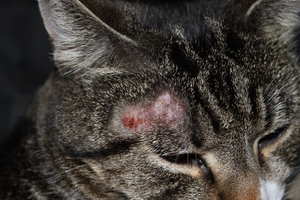
Many people wonder: what does ringworm look like in cats?
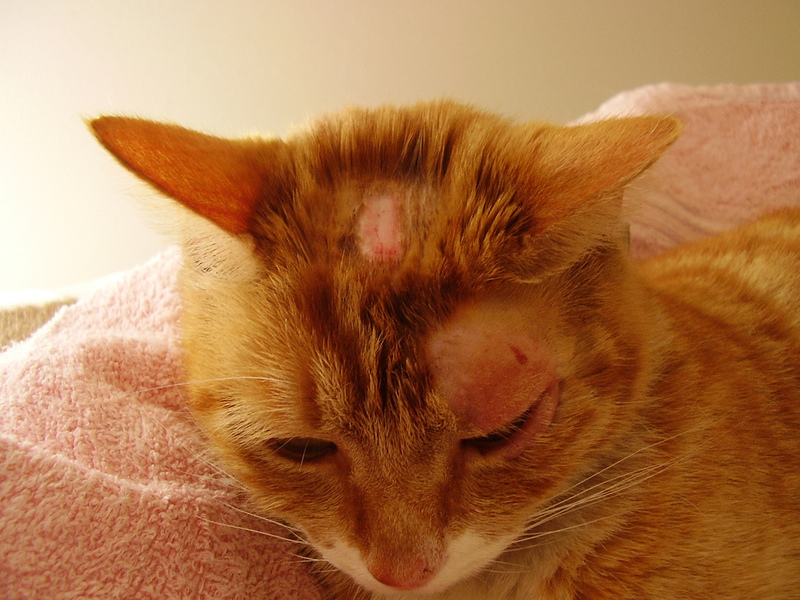
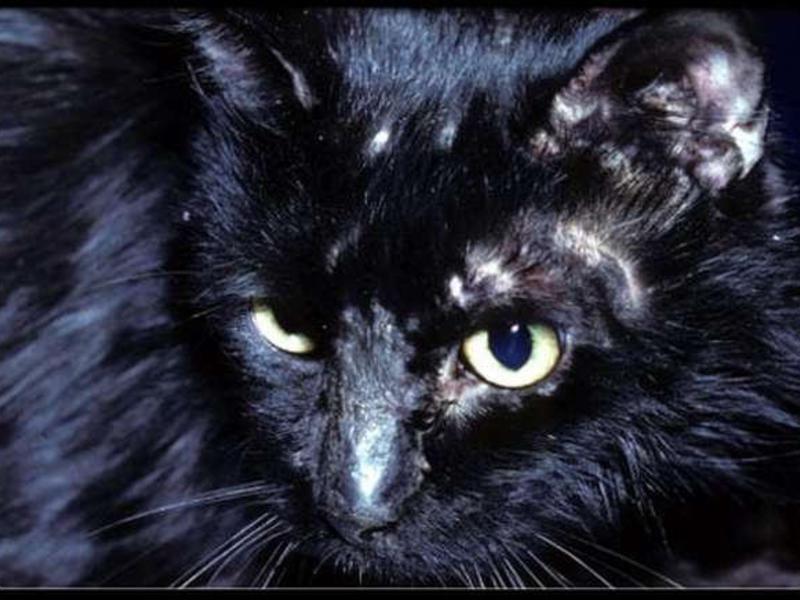
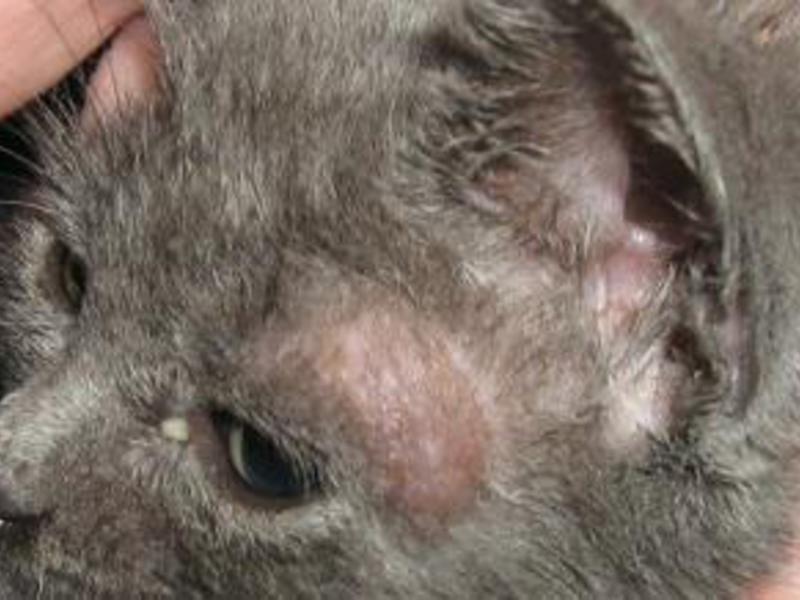
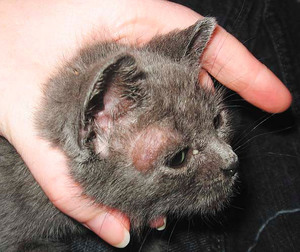
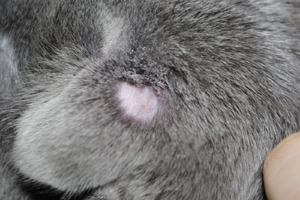
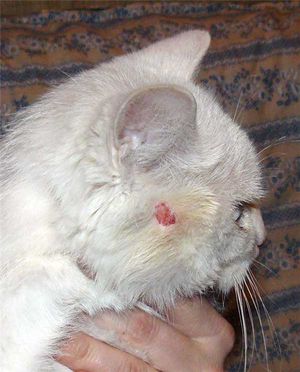
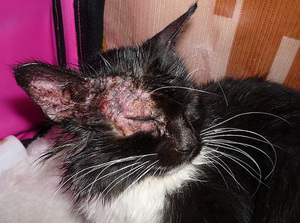
Ringworm in cats is a group of small, round spots, where the fur has completely fallen out. Over time, the spots become more numerous and larger. Fungal spores, once they have infected one area of skin, spread rapidly, increasing the area of infection and the severity of the disease. The skin at and around the affected area resembles dandruff.
Particular attention should be paid to treating the disease in the area of the animal's head and face, since the lesion can spread to the mucous membranes, for example, the eyes, leading to blindness.
Types of ringworm in cats
Ringworm is caused mainly by the following types of fungus:
- Microcporum canis;
- Microcporum gypseum;
- Trichphyton.
All these types are practically indistinguishable from each other and therefore have similar symptoms.
Treatment for ringworm in cats
The treatment method for a pet infected with ringworm is determined by several factors. These include the body's resistance, the number and size of affected areas, and the stage of the disease's development.
Vaccines
In the early stages, lichen can be cured. with the help of special preparations:
- Polivak;
- microderm;
- Vakderm F.
Domestic cats are vaccinated 2-3 times, two weeks apart. These same injections are also recommended for prophylactic purposes if the cat is at risk of infection. For example, if there are several cats in the house and one of them is known to have ringworm, medications such as Fosprenil and Ribotan are used to strengthen the cat's immunity.
Ointments
If the initial phase of infection has gone unnoticed and the disease has spread throughout almost the entire body of the cat, the use of ointments is inevitableIn this case, the doctor may prescribe one of the following medications:
- Sanoderm;
- Yam BK ointment;
- Fungin.
 Each of these drugs has an antifungal effect and is able to eliminate the causative agent of the disease.
Apply fungin to affected areas with a cotton swab once daily. The treatment course is two weeks.
YAM BK is applied twice a day for 10 days, that is, until the crusts begin to separate from the affected areas and hair growth resumes.
It also proved itself well Sanoderm ointmentThe course of treatment lasts up to one month. Initially, the drug is applied twice daily until skin condition improves; subsequently, use can be reduced to once daily.
In addition to the above medications, Miconazole and Thiabendazole can be used.
Baths made from sulphur lime are quite effective.
If the disease is not too advanced, ringworm in cats can be treated at home. However, before using oral medications, consult a specialist, as most have side effects.
Medicines for internal use
Particularly complex cases of the disease require additional treatment with oral medicationsThese may be the following situations:
 ineffectiveness of other treatment methods;
- the pet has very long hair, which makes it difficult to use external medications;
- advanced stages of the disease, in which the affected area is quite extensive;
- fungal infection of animal claws.
 ineffectiveness of other treatment methods;
Among oral medications, the special antifungal antibiotic griseofulvin is noteworthy. It suppresses inflammation and promotes rapid tissue regeneration. Combination treatment (griseofulvin and ointment) enhances the drug's effectiveness. However, this medication has side effects. in the form of possible anemia (anemia), therefore, a blood platelet count should be tested before administering griseofulvin. Particular care should be taken when treating pregnant animals.
Ketoconazole, a synthetic antifungal drug administered twice daily, has also proven effective. The dosage is determined by the pet's size and is calculated at a rate of 5-10 mg/kg of body weight. Ketoconazole can also be administered once daily, but the single dose must be doubled. Side effects include anorexia and diarrhea.
Itraconazole is another medication used to treat ringworm in cats. Unlike ketoconazole, this drug has a milder effect. The dosage is calculated at 10 mg/kg of body weight.
So, ringworm is very a dangerous and contagious disease, which can affect not only your pets but also you and your family members. Therefore, the disease is easier to prevent by taking the necessary precautions. If infection does occur, you should immediately consult a specialist and begin treatment before the disease reaches its extreme stages.