 Quite often, dog owners discover signs of a very unpleasant illness in their pets.
Ringworm (dermatophytosis) is a zoonotic (transmitted from animals to humans or humans to animals) infectious and allergic disease that affects the skin. It is caused by the penetration of fungal, bacterial, and viral agents into the body.
Content
How is lichen spread?
The primary route of transmission of this disease is through contact. A pet can become infected through contact with sick pets or people, or simply by lying in grass or on the ground where there are spores of microorganisms, causing ringworm. Infection can also occur through dog grooming items. The primary trigger for the disease is a weakened immune system. However, young or old age, pregnancy and lactation in female dogs, and the presence of cancer can also play a significant role in the development of this unpleasant condition.
Most often, the disease develops when the following infectious agents enter the dog’s body:
- Fungi: Microsporum canis, Trichophyton mentagrophytes, Pityrosporum orbiculare, Malassezia furfur.
- A virus that causes pityriasis rosea.
Bacterial flora is secondary, joining the site of fungal or viral invasion.
How do pathogens enter the body?
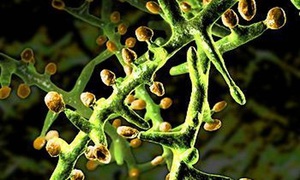
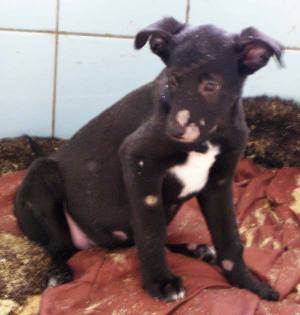 Pathogenic fungi have the ability to form spores, which allows them to easily lie in wait for their prey for many years. Once they find themselves in favorable conditions (high humidity and temperature of the skin or environment), the process of their active reproduction and invasion into the epidermis or hair follicles begins, where they subsequently live and parasitize, causing clinical manifestations of the disease.
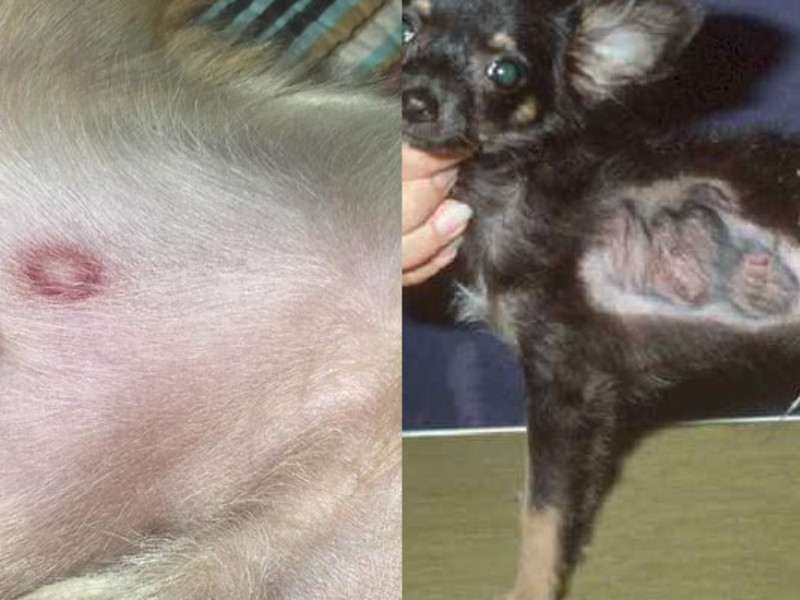
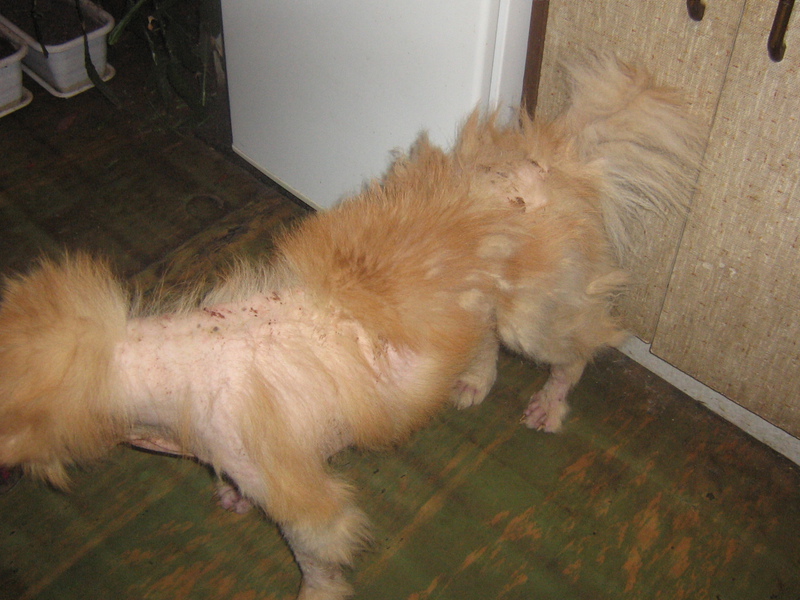
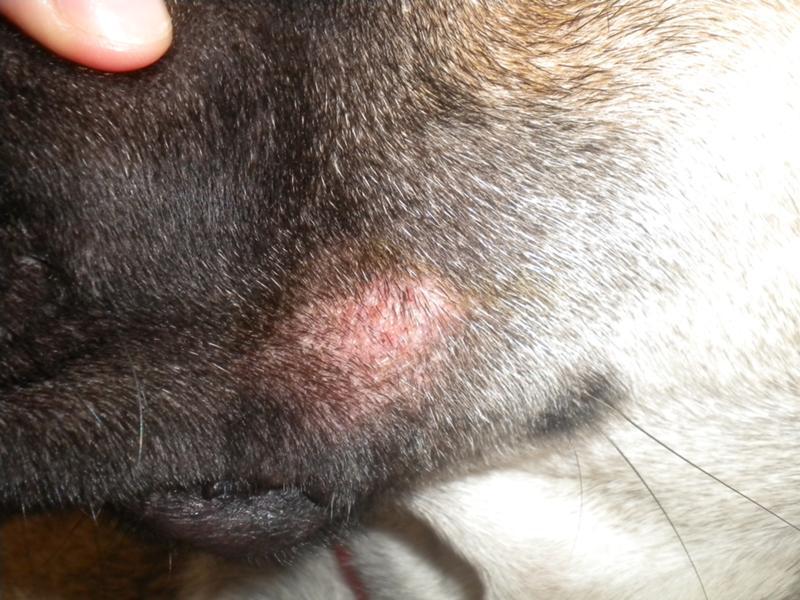
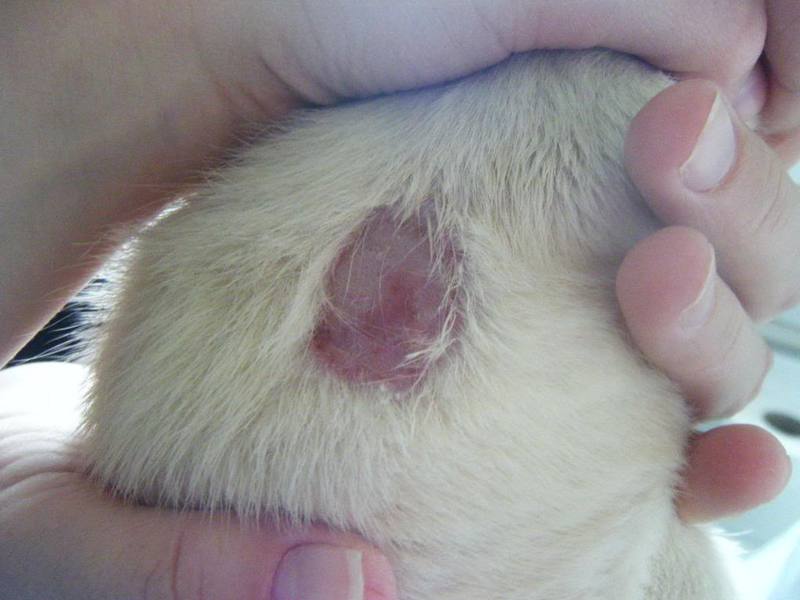
Every pet owner should know what ringworm looks like in dogs so they can take timely measures to save their four-legged friend from this unpleasant disease.
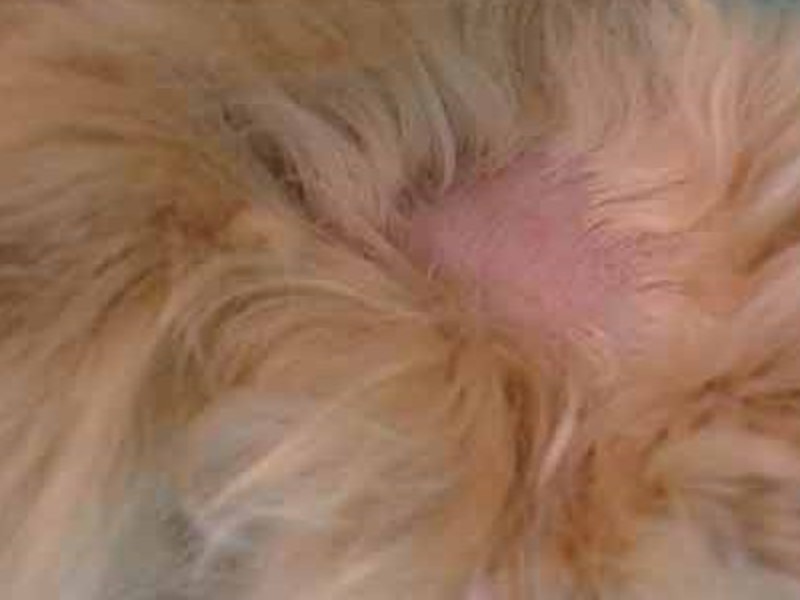
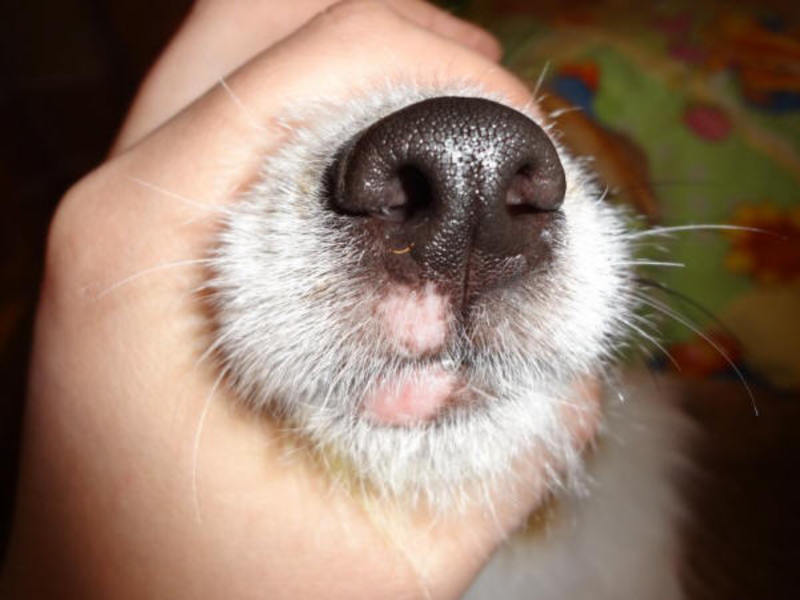
Most often, no signs of the disease are noticeable in the initial stages. They begin to appear as the pathogen multiplies. Small areas of redness and thickening of the skin in areas where hair growth is minimal, such as the armpits, inner thighs, muzzle, or ears, may signal that something is wrong. However, the disease does not always begin in these areas and may manifest elsewhere on the dog's body.
The most common nosological units
- Ringworm (trichophytosis) — It is caused by fungi of the genus Trichophytum. The incubation period lasts on average up to two weeks. During this time, the disease shows no symptoms and is impossible to detect!
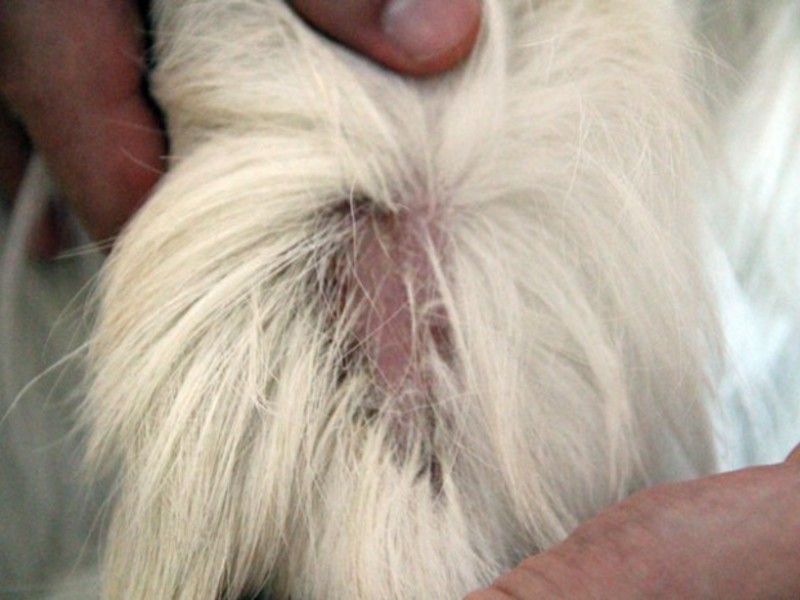
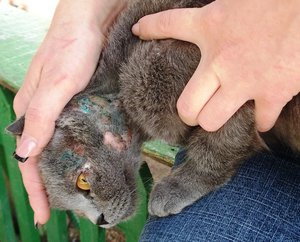
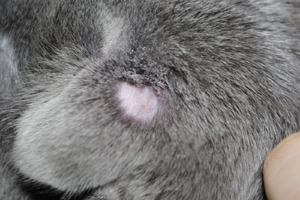
 The fungus infects the superficial layer of the skin (epidermis) and hair follicles. Affected areas become bald and flaky during the acute stage of the disease, and they may itch, causing discomfort to the animal. The most common areas affected by the fungus are the paws, head, ears, and tail base. The course of ringworm depends directly on the dog's immune system. If the immune system is strong, a single lesion may remain on the dog's body and not spread. However, it's important to remember that this lesion contains a large number of the pathogen's spores. Even the slightest disruption to the immune system will cause ringworm to progress, affecting more and more areas of the body. Therefore, prompt diagnosis and treatment are essential, as will be discussed below. It is important to know that even after complete healing, hair growth in the affected areas does not return for a long time, which is why lichen is called ringworm.
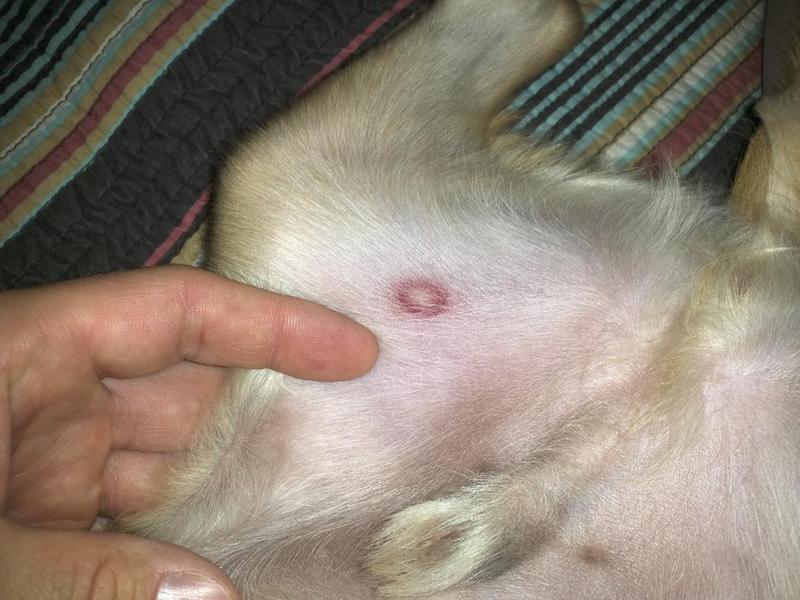
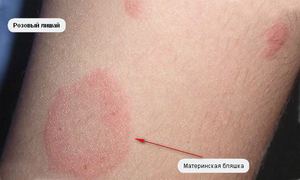
 - Pink or Gibert's lichen — a viral disease that has a certain seasonality, most often occurring during the cold season. Therefore, it can be assumed that hypothermia may trigger its onset. It can develop in dogs being treated with immunosuppressant (immune-suppressing) drugs. The first alarming symptom is the appearance of a mother spot. This is a bright pink spot 2-3 centimeters in diameter, most often found on the dog's abdomen and back, as well as on the paws. Over time, this lesion begins to peel and become intensely itchy, causing significant discomfort to the animal. Several small yellow-pink spots then appear around the mother spot, which also peel and itch. This condition may be accompanied by a deterioration in the dog's general condition, a slight fever, and swollen lymph nodes. Like ringworm, the disease can subside without treatment. However, despite the disappearance of symptoms, the virus remains in the animal's body. This type of ringworm is dangerous because it spreads very quickly across the pet's skin.
- Pityriasis versicolor (tinea versicolor) It is caused by yeast-like fungi (Pityrosporum orbiculare, Malassezia furfur). Initially, a single, round spot appears on the pet's abdomen, back, or paws, followed by numerous small spots that the dog actively scratches. The skin color at the affected area varies from yellow to brown.
- Weeping eczema — a disease of allergic etiology that is not contagious. In addition to a weakened immune system, triggers can include previous stress and unfavorable living conditions. The disease can progress from an acute to a chronic stage. Its symptoms begin with the appearance of a small rash on the face, back, abdomen, and neck. The rash is accompanied by intense itching. By scratching, the dog tears away the epidermis, causing the rash to appear as erosions with a blistered surface that crusts over as it dries.
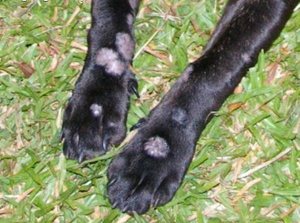 The fungus infects the superficial layer of the skin (epidermis) and hair follicles. Affected areas become bald and flaky during the acute stage of the disease, and they may itch, causing discomfort to the animal. The most common areas affected by the fungus are the paws, head, ears, and tail base. The course of ringworm depends directly on the dog's immune system. If the immune system is strong, a single lesion may remain on the dog's body and not spread. However, it's important to remember that this lesion contains a large number of the pathogen's spores. Even the slightest disruption to the immune system will cause ringworm to progress, affecting more and more areas of the body. Therefore, prompt diagnosis and treatment are essential, as will be discussed below. It is important to know that even after complete healing, hair growth in the affected areas does not return for a long time, which is why lichen is called ringworm.
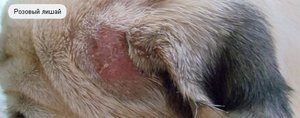 The first alarming symptom is the appearance of a mother spot. This is a bright pink spot 2-3 centimeters in diameter, most often found on the dog's abdomen and back, as well as on the paws. Over time, this lesion begins to peel and become intensely itchy, causing significant discomfort to the animal. Several small yellow-pink spots then appear around the mother spot, which also peel and itch. This condition may be accompanied by a deterioration in the dog's general condition, a slight fever, and swollen lymph nodes. Like ringworm, the disease can subside without treatment. However, despite the disappearance of symptoms, the virus remains in the animal's body. This type of ringworm is dangerous because it spreads very quickly across the pet's skin.
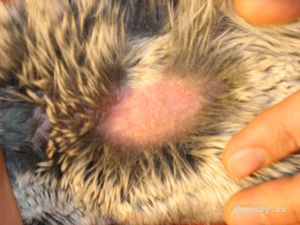 Pityriasis versicolor (tinea versicolor) It is caused by yeast-like fungi (Pityrosporum orbiculare, Malassezia furfur). Initially, a single, round spot appears on the pet's abdomen, back, or paws, followed by numerous small spots that the dog actively scratches. The skin color at the affected area varies from yellow to brown.
For eczema treatment to be successful, the underlying cause must be identified and eliminated. Otherwise, the condition will continue to progress regardless.
Diagnosis of skin diseases
To prescribe the correct treatment, the doctor must be confident in the diagnosis. Treating a disease without identifying the causative agent can cause significant harm to the animal!
Nowadays veterinarians use the following diagnostic methods:
- A Wood's lamp is a special device used to detect the presence of fungal spores on an animal's skin and fur. Using this device, the dog is illuminated in a dark room, and if pathogenic fungal spores are present, a greenish glow will be observed.
- Culture of pathogens on nutrient media is a method that provides 100% diagnostic accuracy. A veterinarian must collect and submit the sample to the laboratory. However, it can take up to two weeks to receive the results.
- Microscopic examination of wool: the material being examined is treated with an alkaline solution, which reacts with pathogens and causes fluorescence. This is what the specialist sees.
How and what to treat lichen?
 You can treat ringworm at home, but before doing so, you should visit a veterinarian and undergo the necessary tests. Treatment for the disease can begin after receiving diagnostic results, when the doctor can prescribe the necessary medicationsThe dog's room should be wet-cleaned daily using disinfectant solutions (Blanidas, Dezaktin, Corzolex). If you have other pets that could become infected, they should be isolated.
The main condition and guarantee of success in treating lichen is a comprehensive approach.
Griseofulvin, an oral medication that can be added to food, has proven effective. However, it has a significant side effect: it is toxic to bone marrow, inhibiting hematopoiesis. Its use should be under the supervision of a veterinarian and monitored by a complete blood count. This medication is strictly contraindicated in pregnant dogs!
Oral administration is possible intraconazole or ketoconazole, although its effect in monotherapy has not been proven.
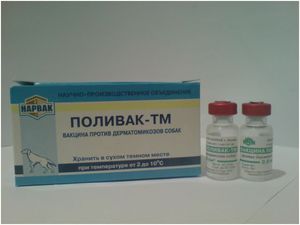
Skin diseases can also be treated with the veterinary medications Nobivac, Polivak, and Vakderm. The therapeutic dose is administered intramuscularly once. There is a prophylactic dose that must be repeated every six months.
 Topical treatment involves applying medications directly to the affected areas of the body. First, the hair in the affected area must be trimmed before treatment can begin. The dog may experience discomfort, as a burning sensation is often felt at the site of application. Nitrofungin, fucorcin, clotrimazole, or other ointments with antifungal properties are used for this purpose. antimycotic activity.
All procedures are carried out with rubber gloves to prevent possible infection.
To stimulate the improvement of the immune system, the dog should receive immunostimulating drugs (Cycloferon, Immunofan) and multivitamin complexes and vitamins to accelerate the growth of new healthy hair (Brewers, Trivitamin).
During the recovery period, the dog should be fed a nutritious diet. The owner should try to protect the pet from emotional shock and stress, which could trigger further development of the disease.
Keep an eye on your pets and at the slightest deterioration in their condition contact your veterinarianIf you start treating your pet early, you won't have to regret lost opportunities later!